Hurry to witness a vanishing way of life in its natural setting!
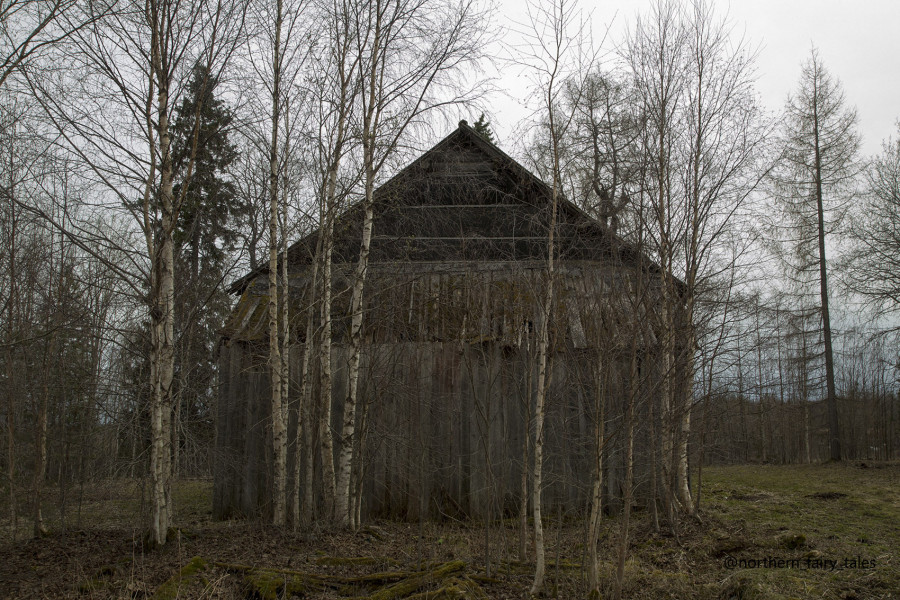
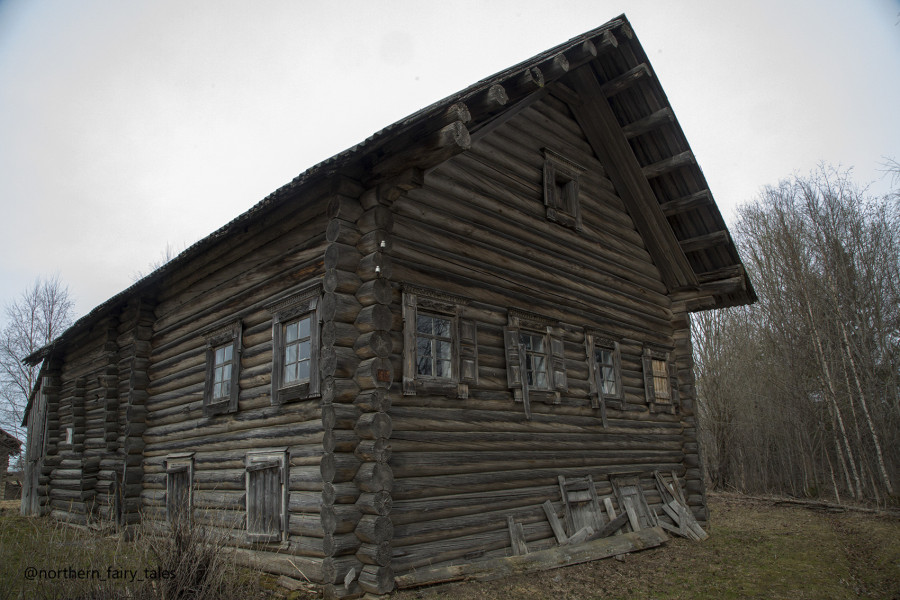
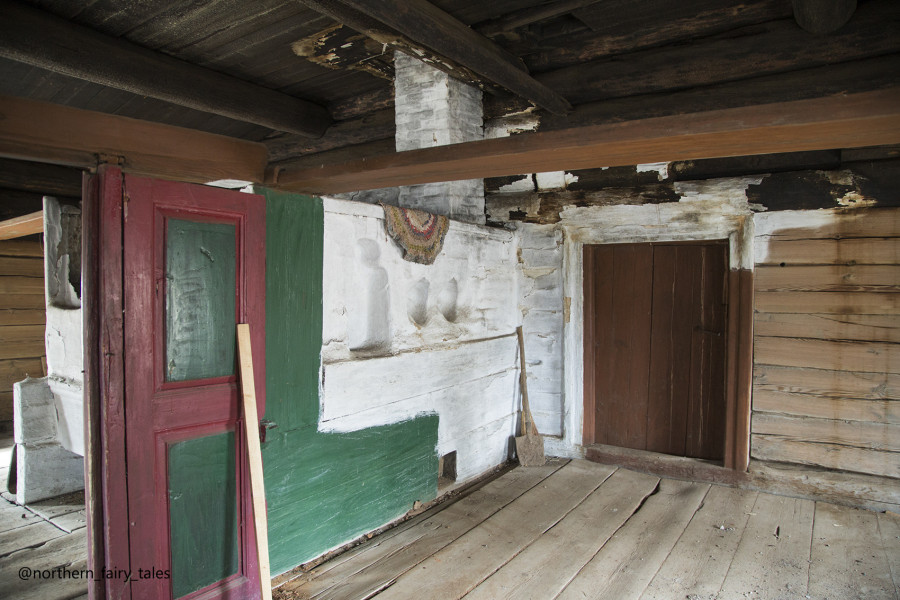
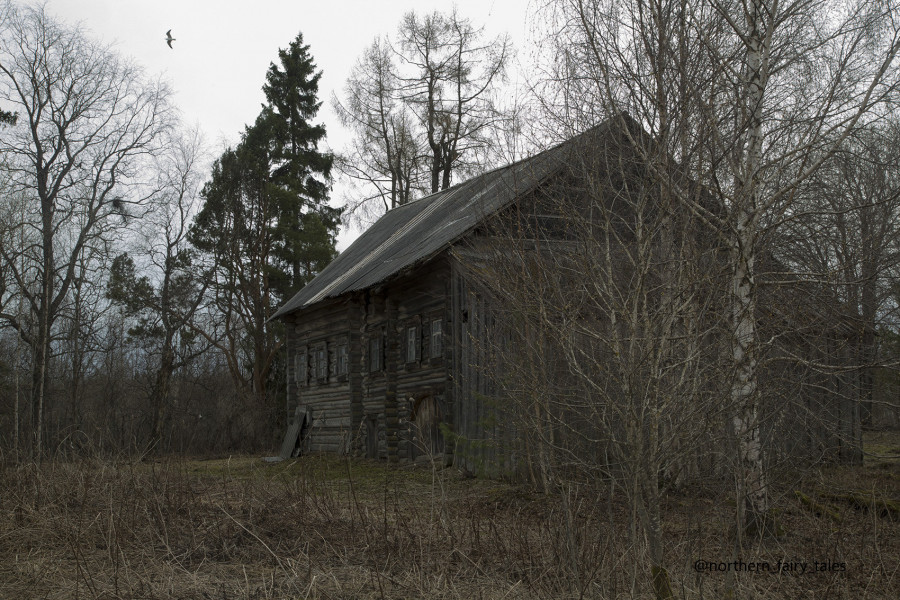
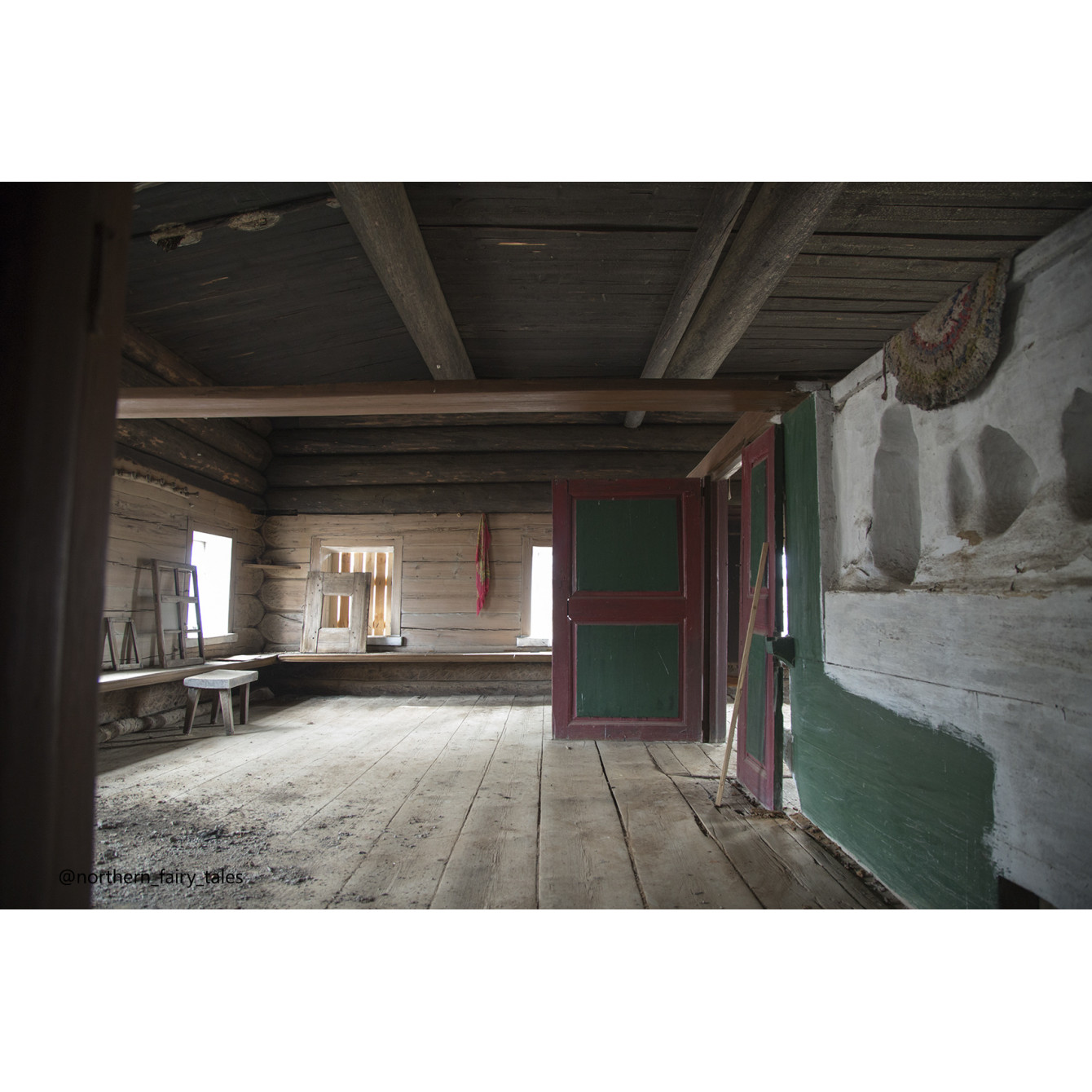
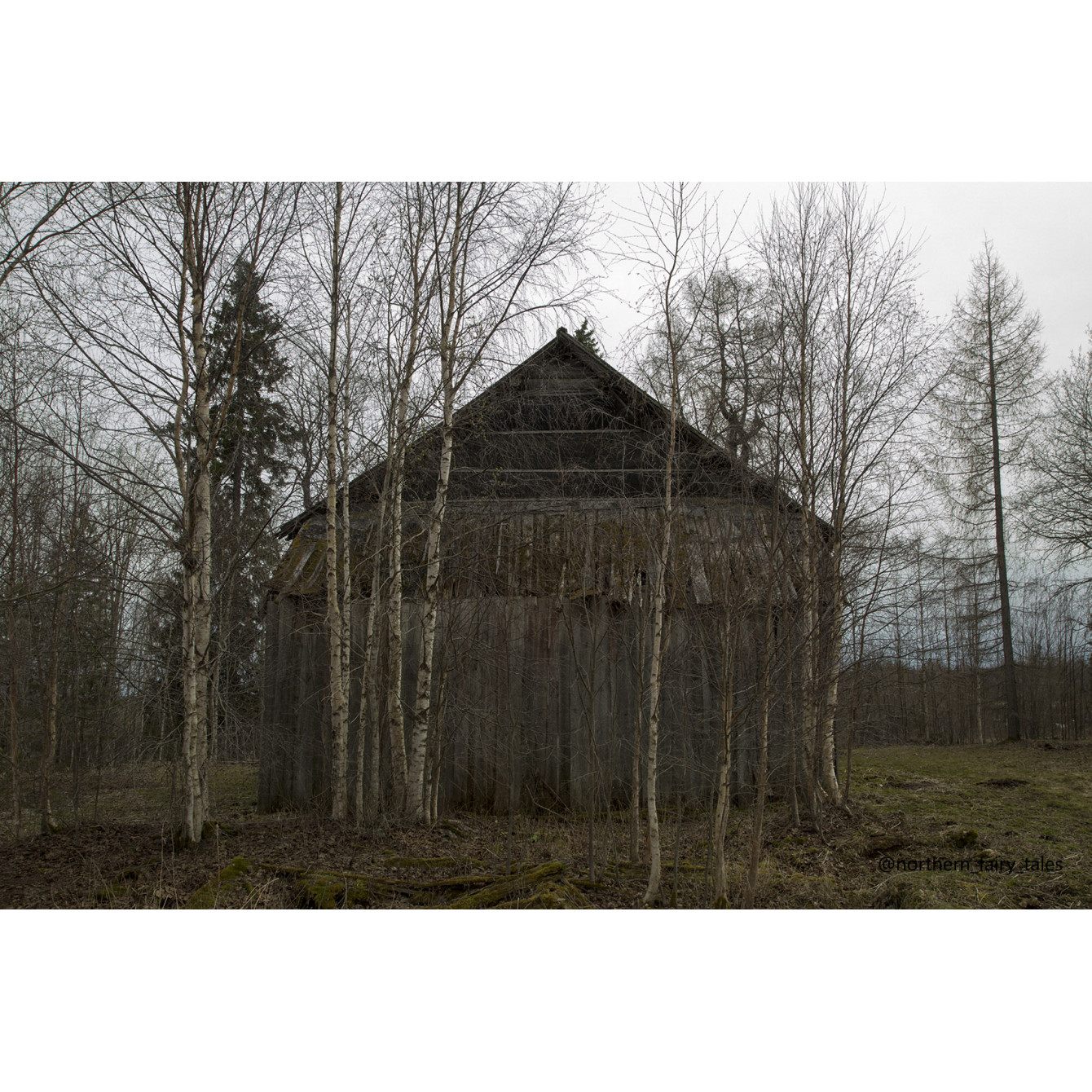
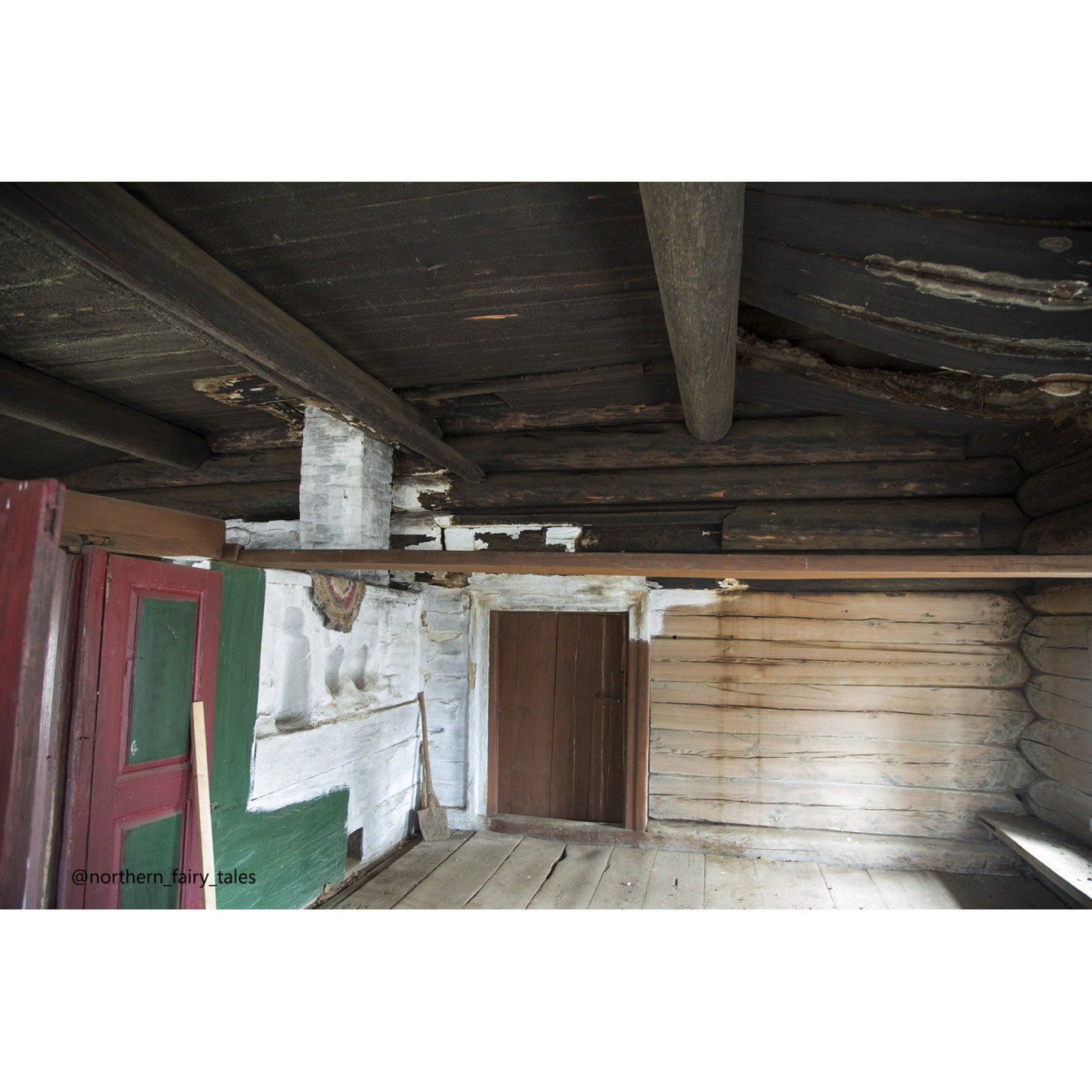
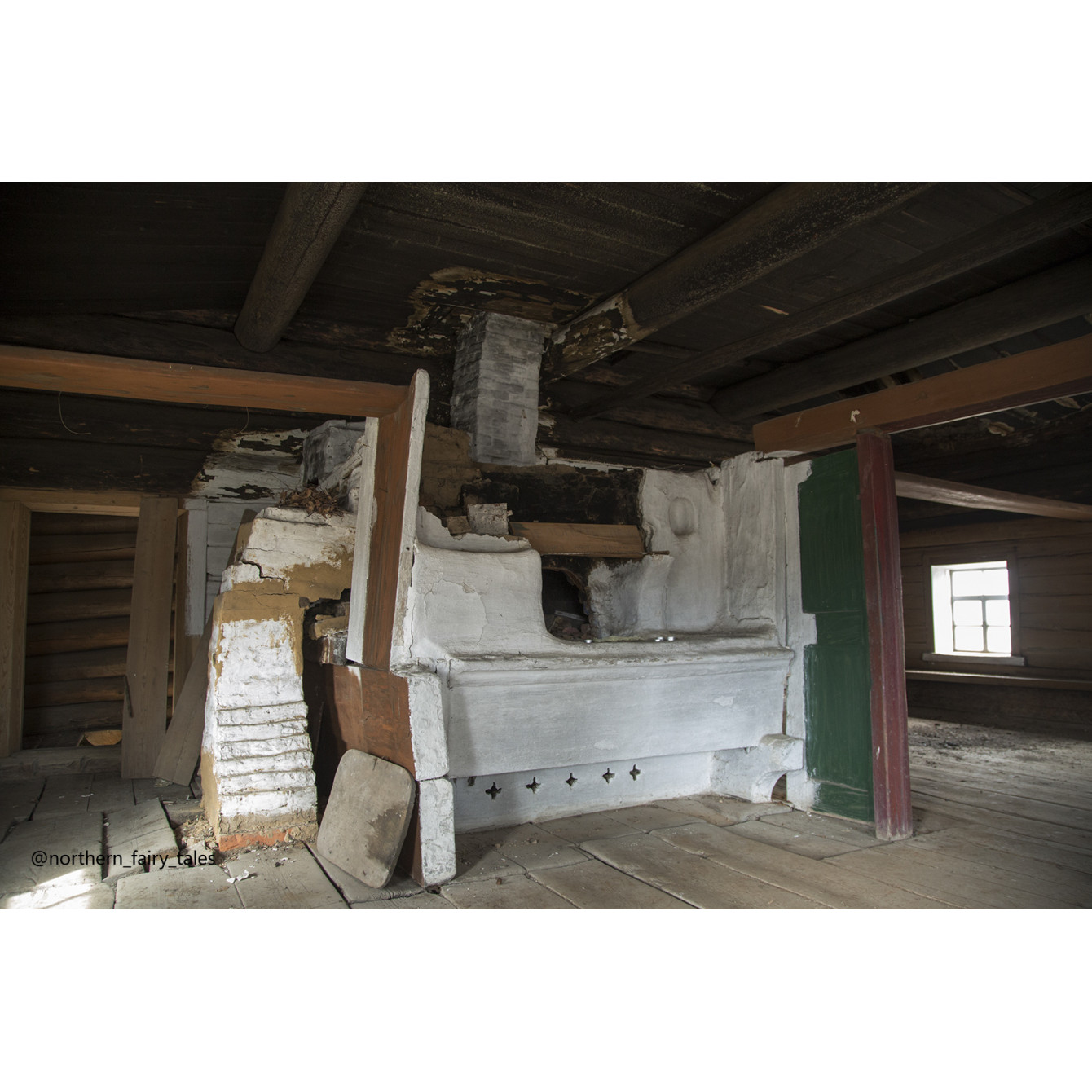
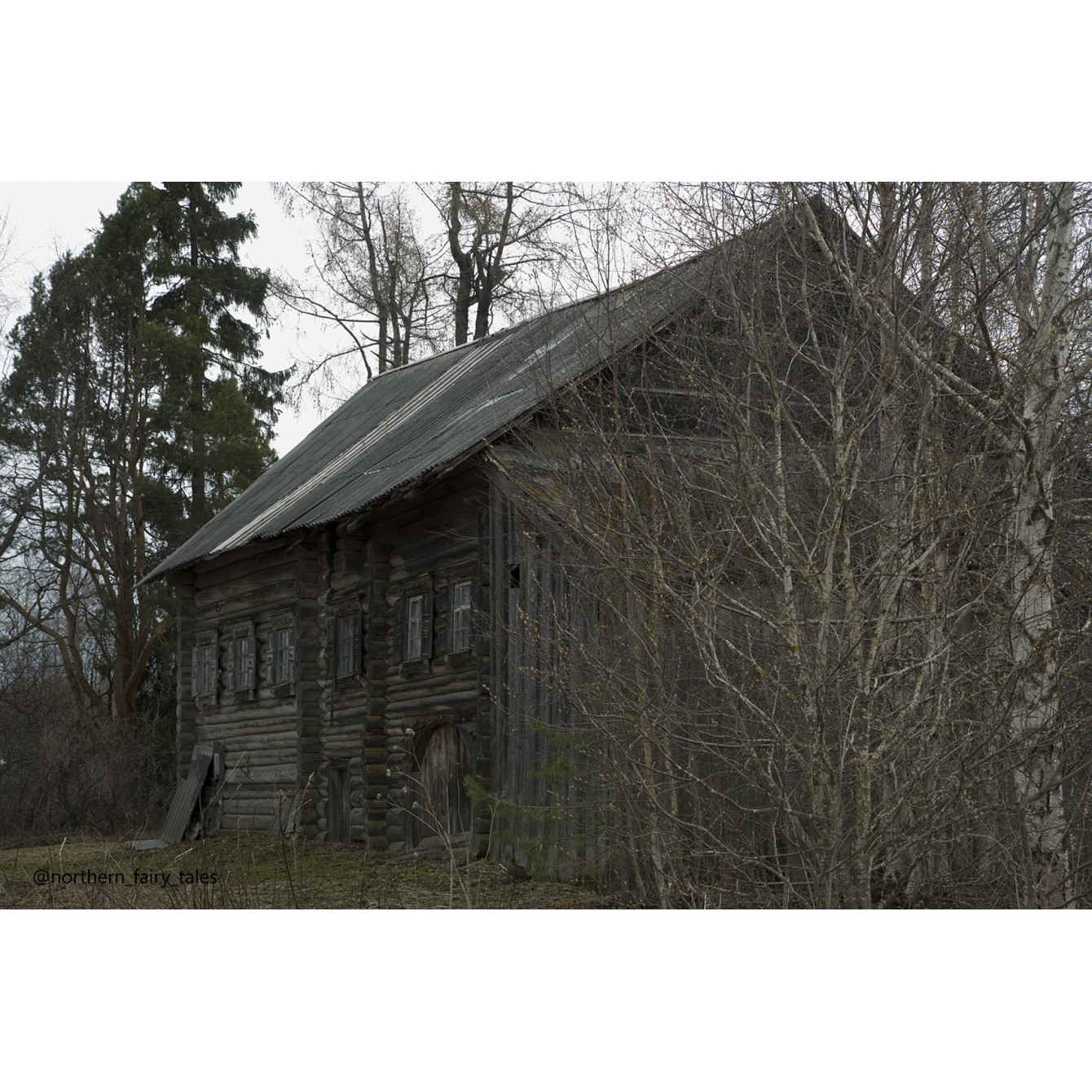
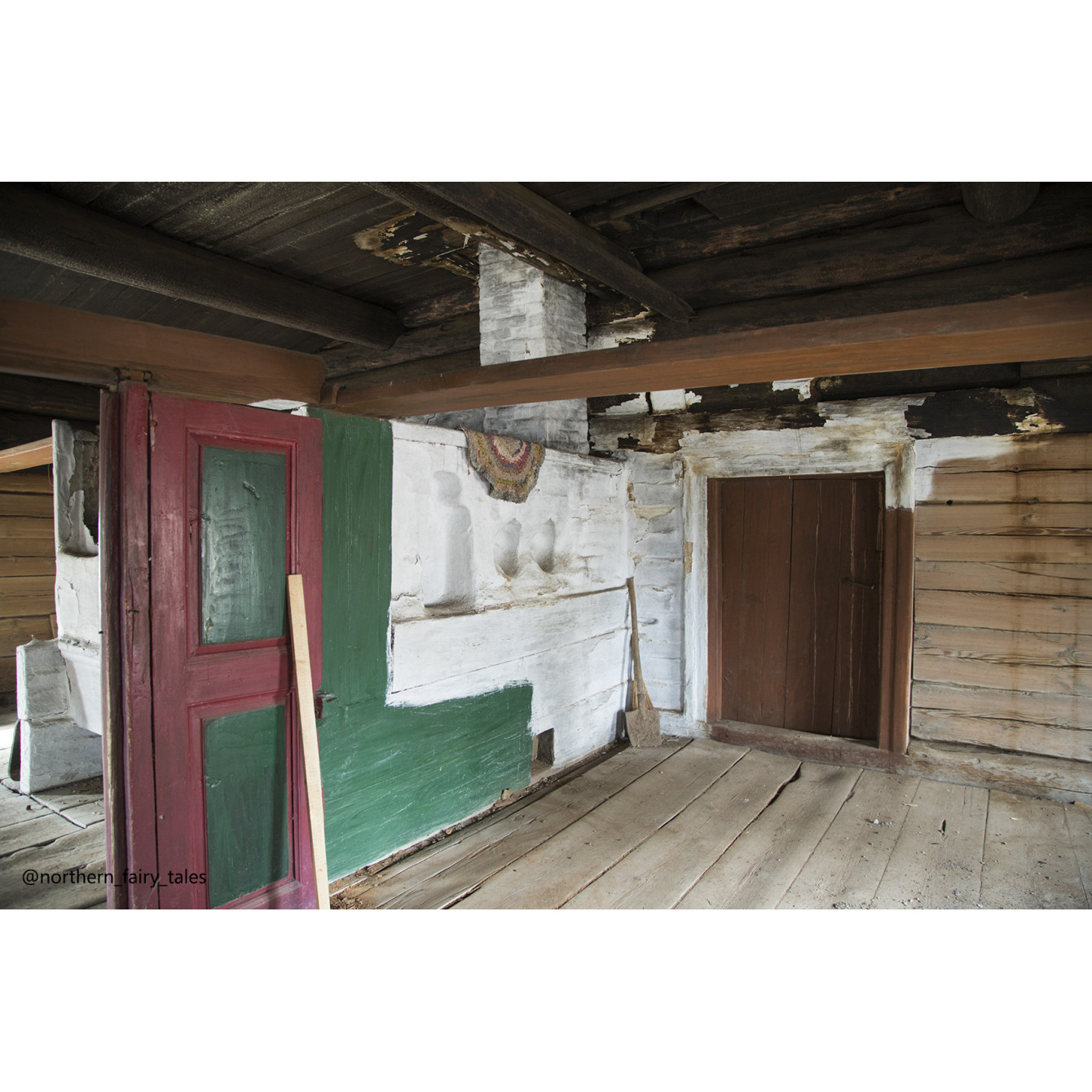
These photographs capture an ancient wooden house in the northern village of Bolshoy Haluy (Big Haluy), Arkhangelsk Province. According to local stories, it was built in the late 19th century, yet no one has lived here for forty years. Bolshoy Haluy still holds dozens of abandoned log homes, but this one is unique—a true “kurnaya izba,” or smokehouse hut—a dwelling with a stove but no chimney.
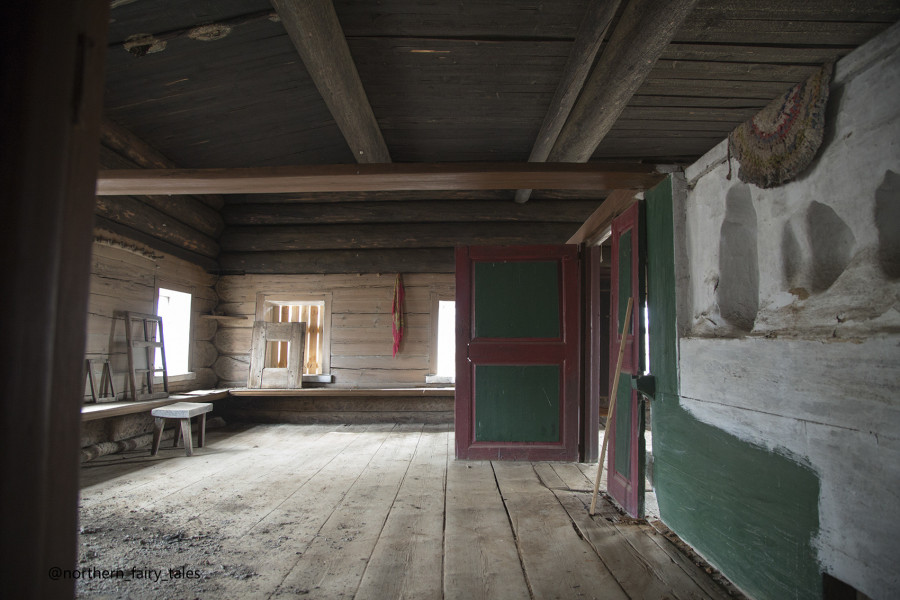
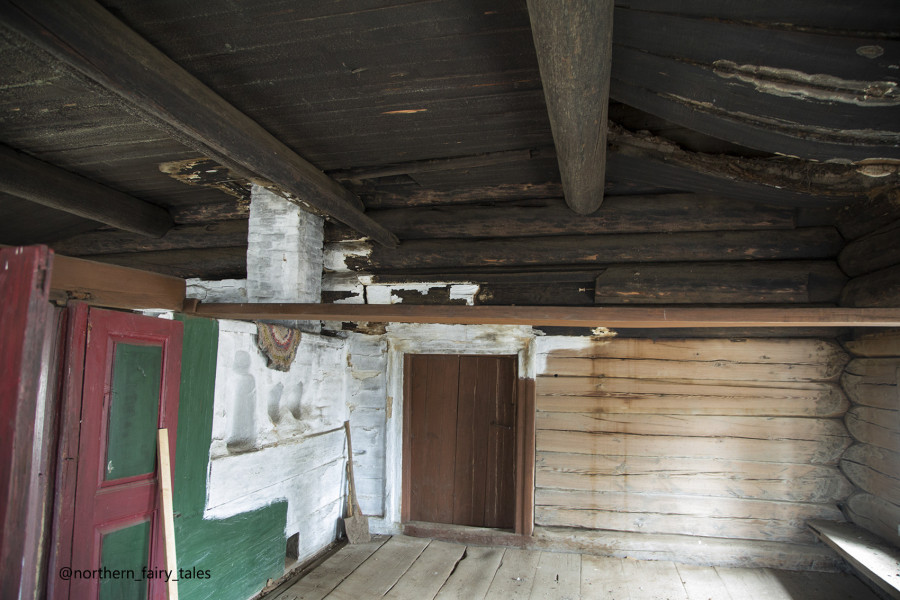
Such houses were heated po-chyornomu—“black-style.” Smoke from the stove filled the interior, rising to the steep, trapezoidal ceiling before escaping through special wooden vents and the doorway once the fire died down. Over decades the upper logs, above human height, turned a deep black with soot.
Folk-architecture specialists believe this smoke served a purpose: it dried and preserved the timbers, extending the life of the house; it kept clothes, boots, and fishing nets dry; and it made the interior warmer through winter.
By the mid-19th century, city fashions reached these forests. Brick chimneys and “white” stoves became the norm, and many old black huts were retrofitted with pipes—this house’s chimney looks like an afterthought.
The kurnaya izba is one of the most archaic building types of the Russian North. Peasants raised them for centuries, and stepping inside feels like entering a time capsule from a fairytale age, a smoke-darkened survivor from the earliest days of northern settlement.