“We once had an old maid, unmarried, named Olga. And every night the dvóravushka would come to her to sleep at her side, and each time he braided her hair and warned her: ‘If you unbraid or comb it, I will crush you.’ And so she lived unkempt until the age of thirty-five — never washed her hair, never kept a comb near her.
Only once she decided to marry, and when the bridal eve came, the girls went to the bathhouse and took her with them, the unmarried one, the old maid, the bride-to-be. In the steam they began to wash her. They tried to unbraid her plait, but for a long time they couldn’t comb it out: that’s how tightly the dvóravushka had fastened it.
The next morning she was to be wed — but when they came for the bride, she lay in bed dead and blackened: the dvóravushka had crushed her after all.” (S. V. Maksimov, “The Unclean, the Unknown, and the Holy Power”)
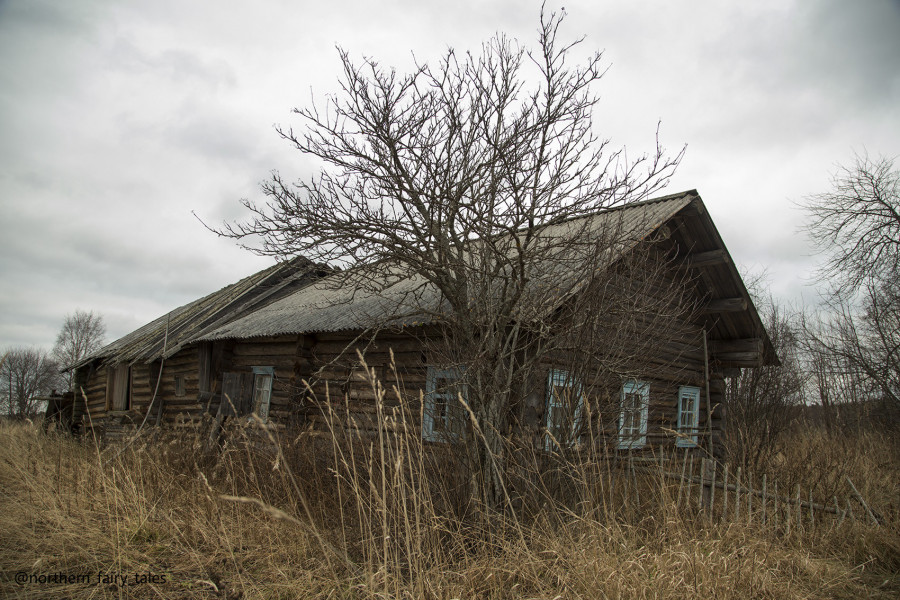
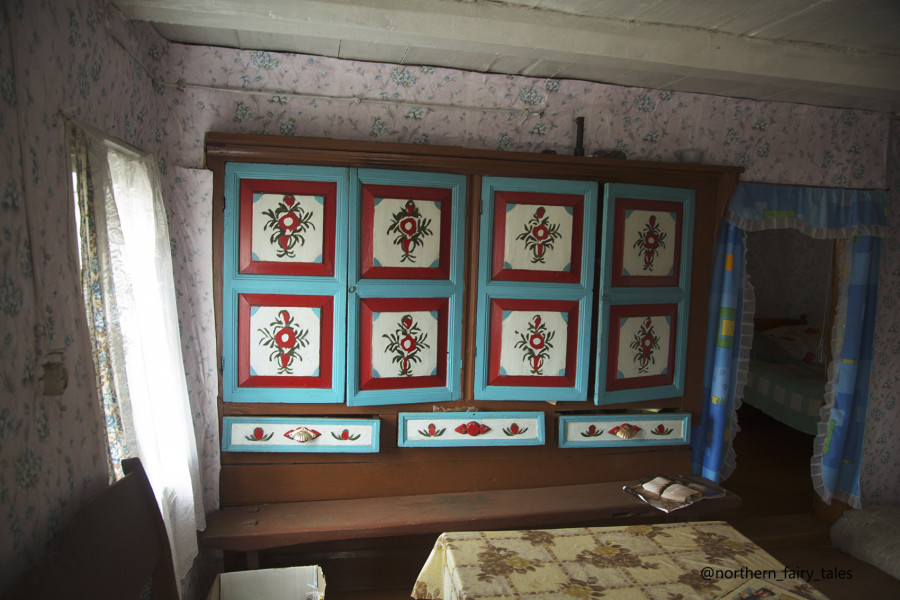
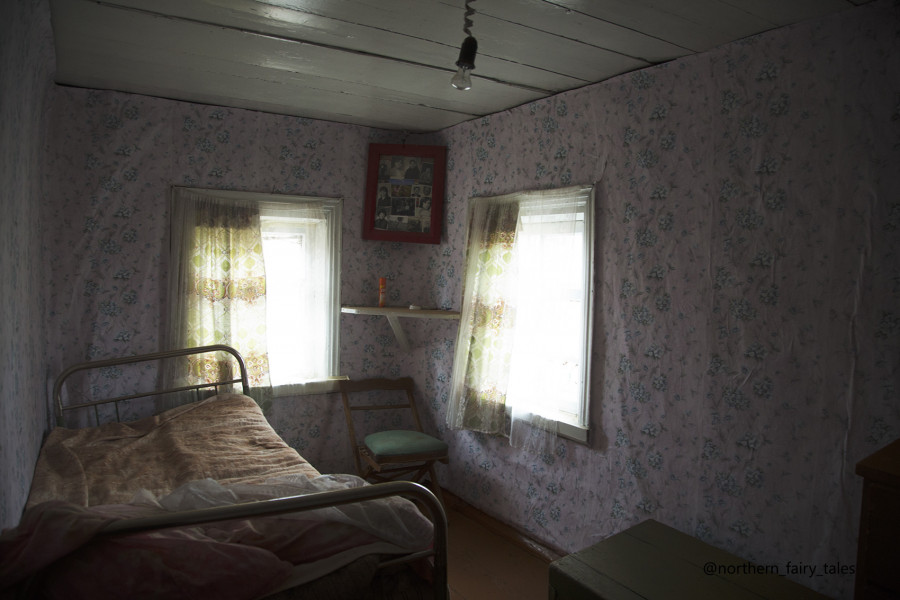
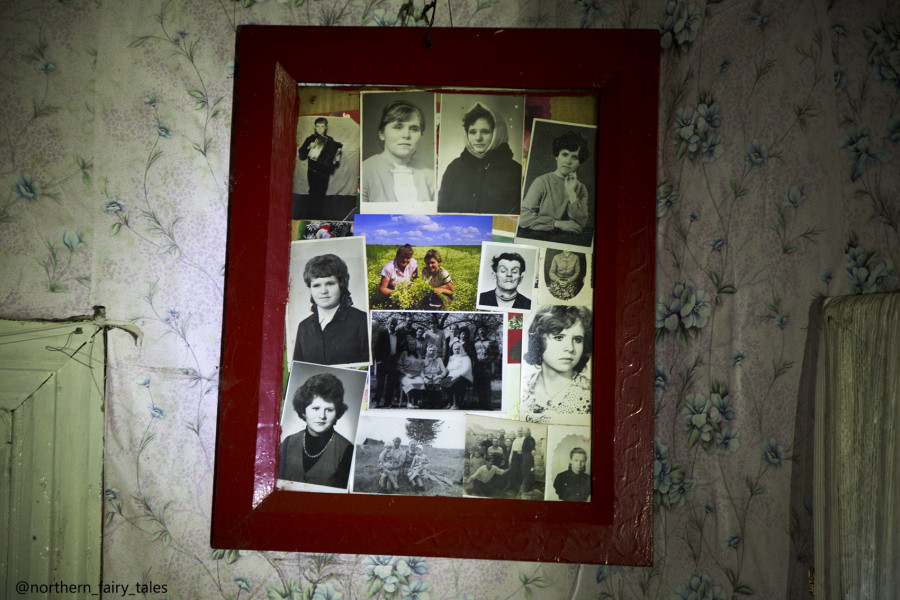
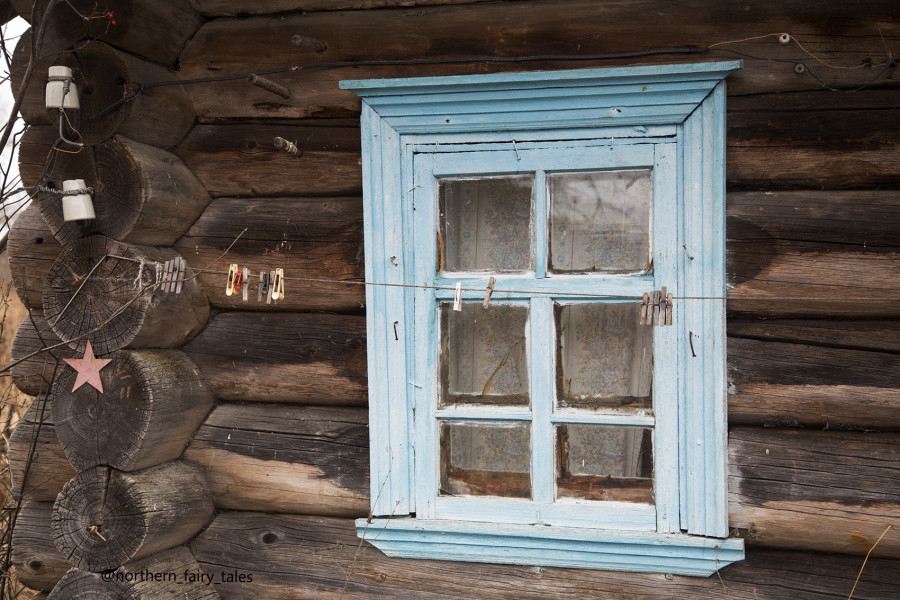
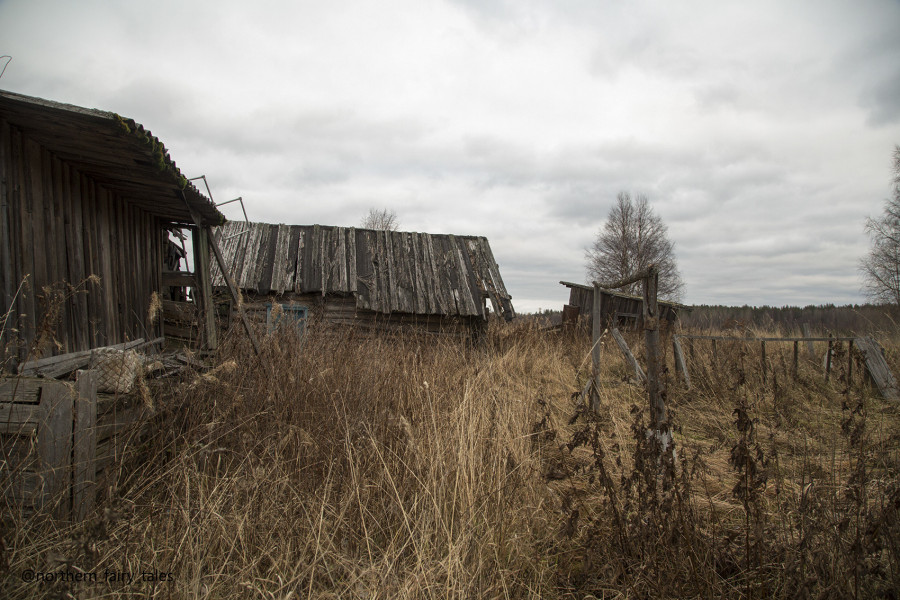
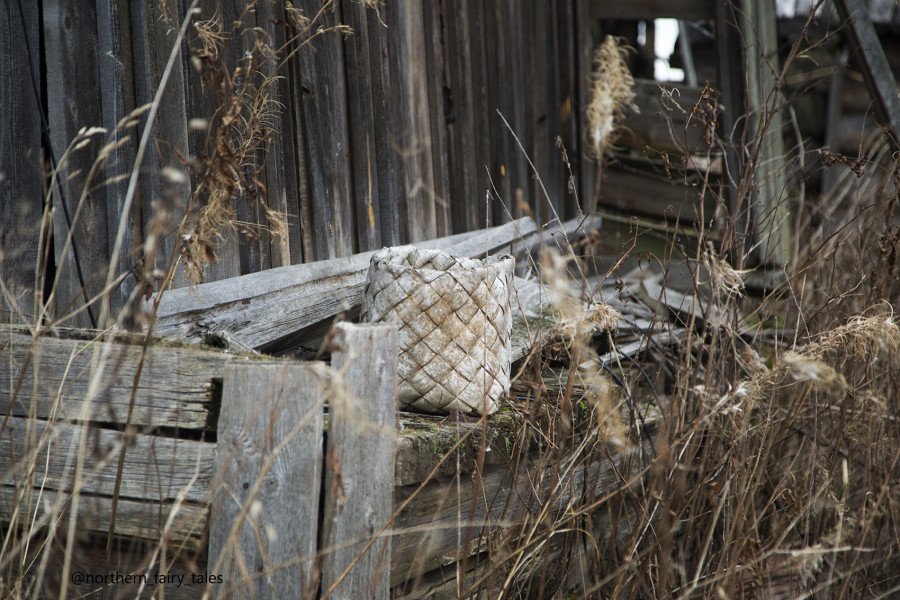
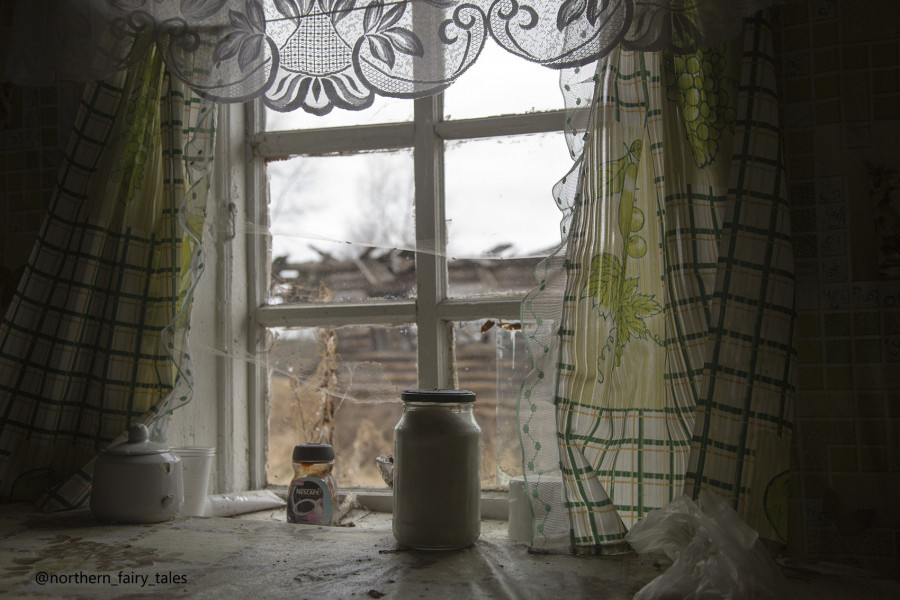
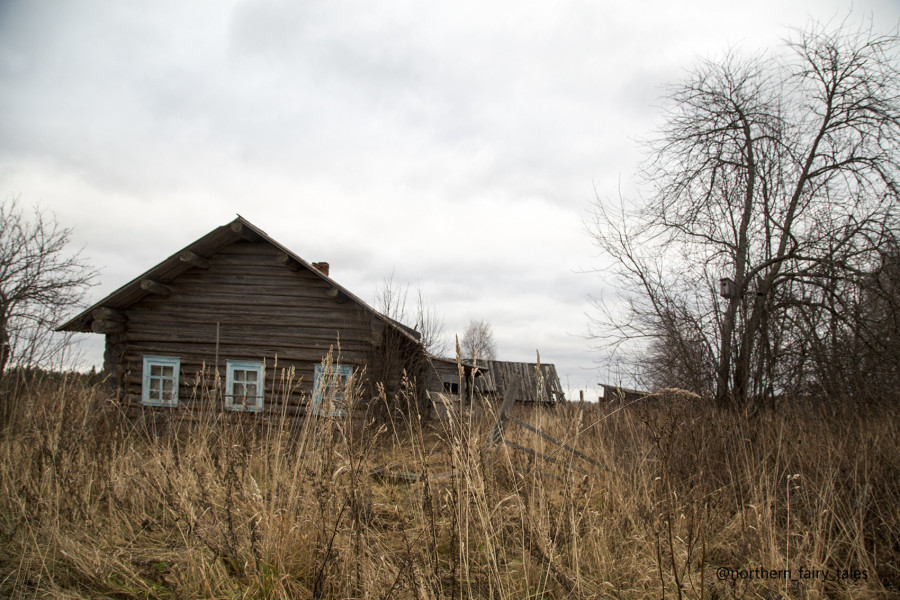
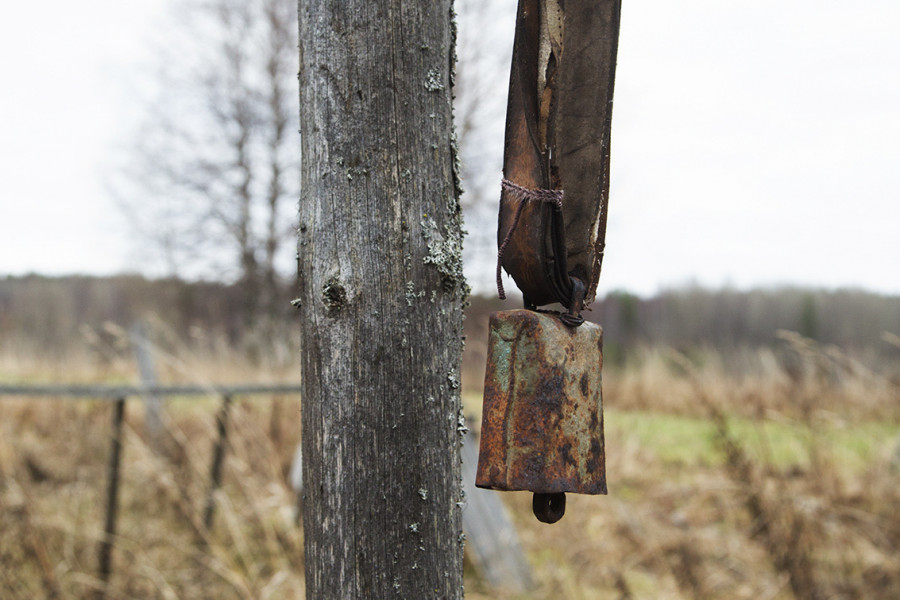
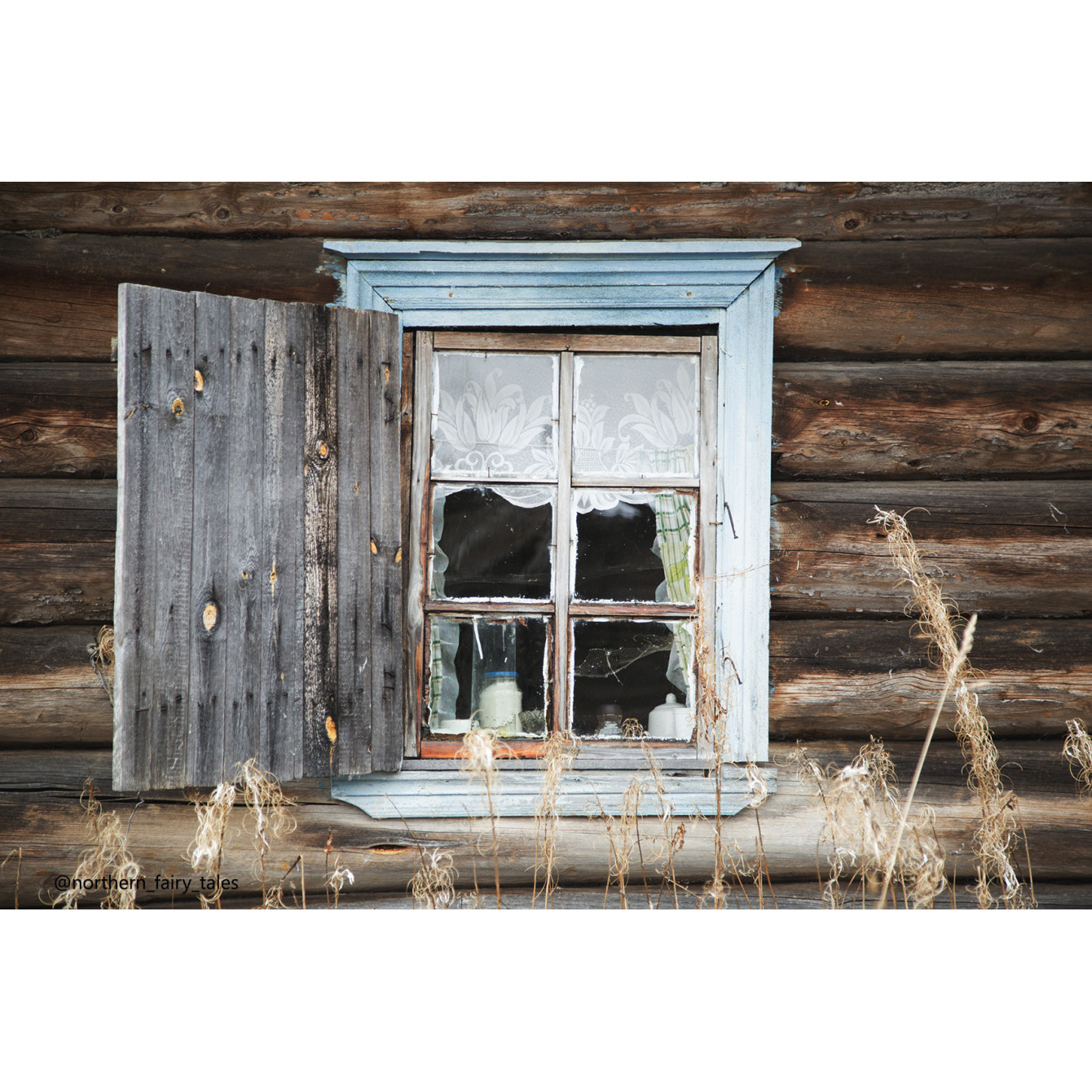
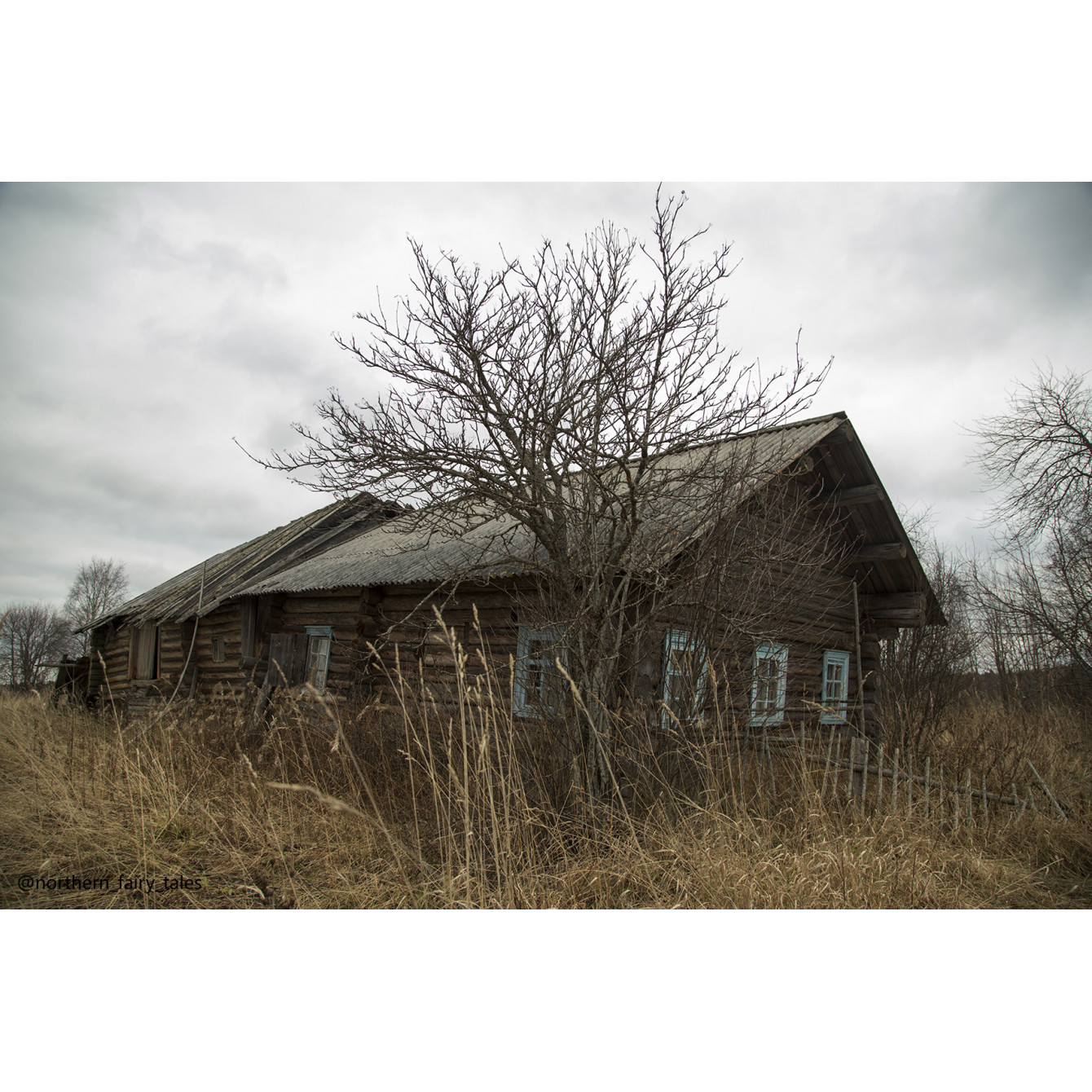
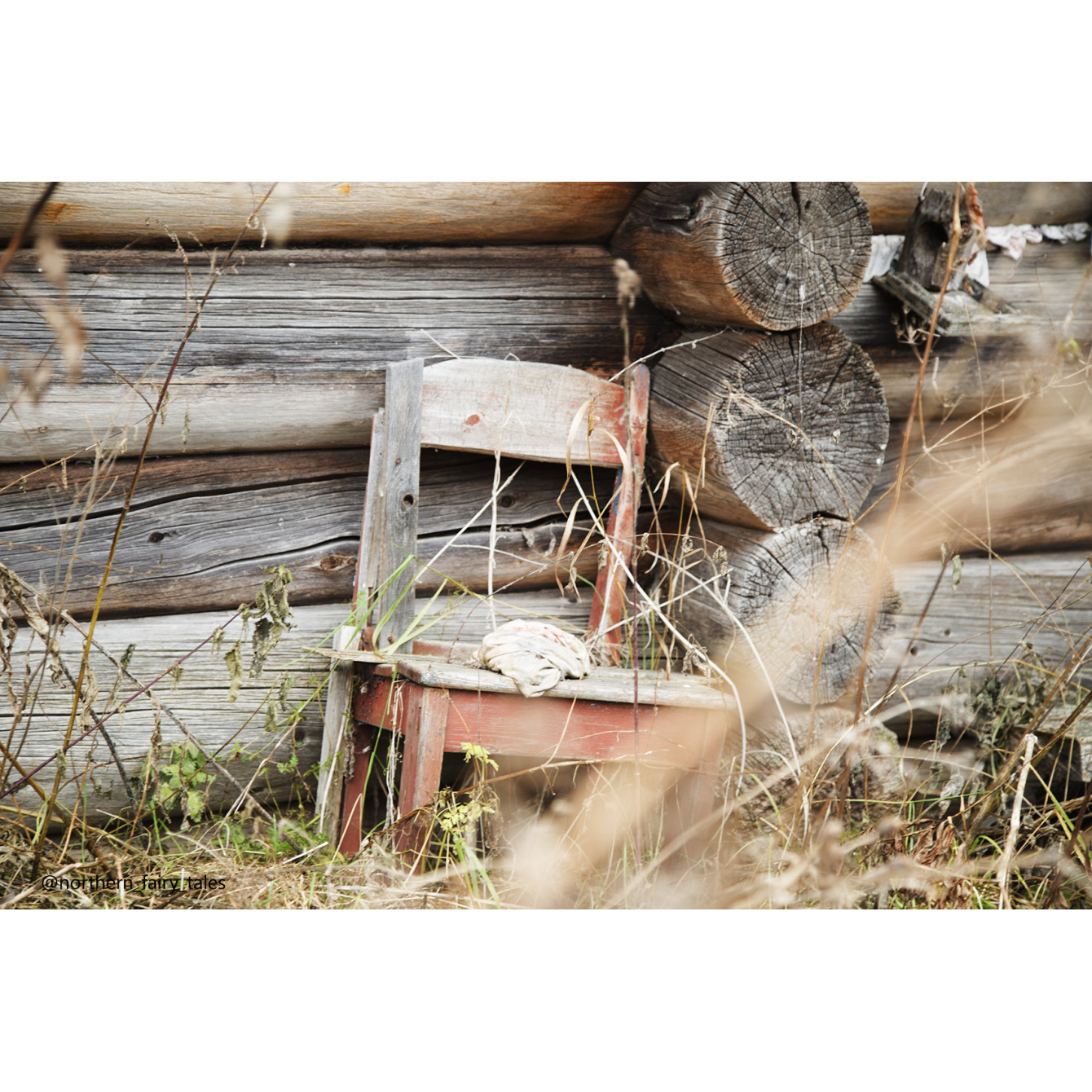
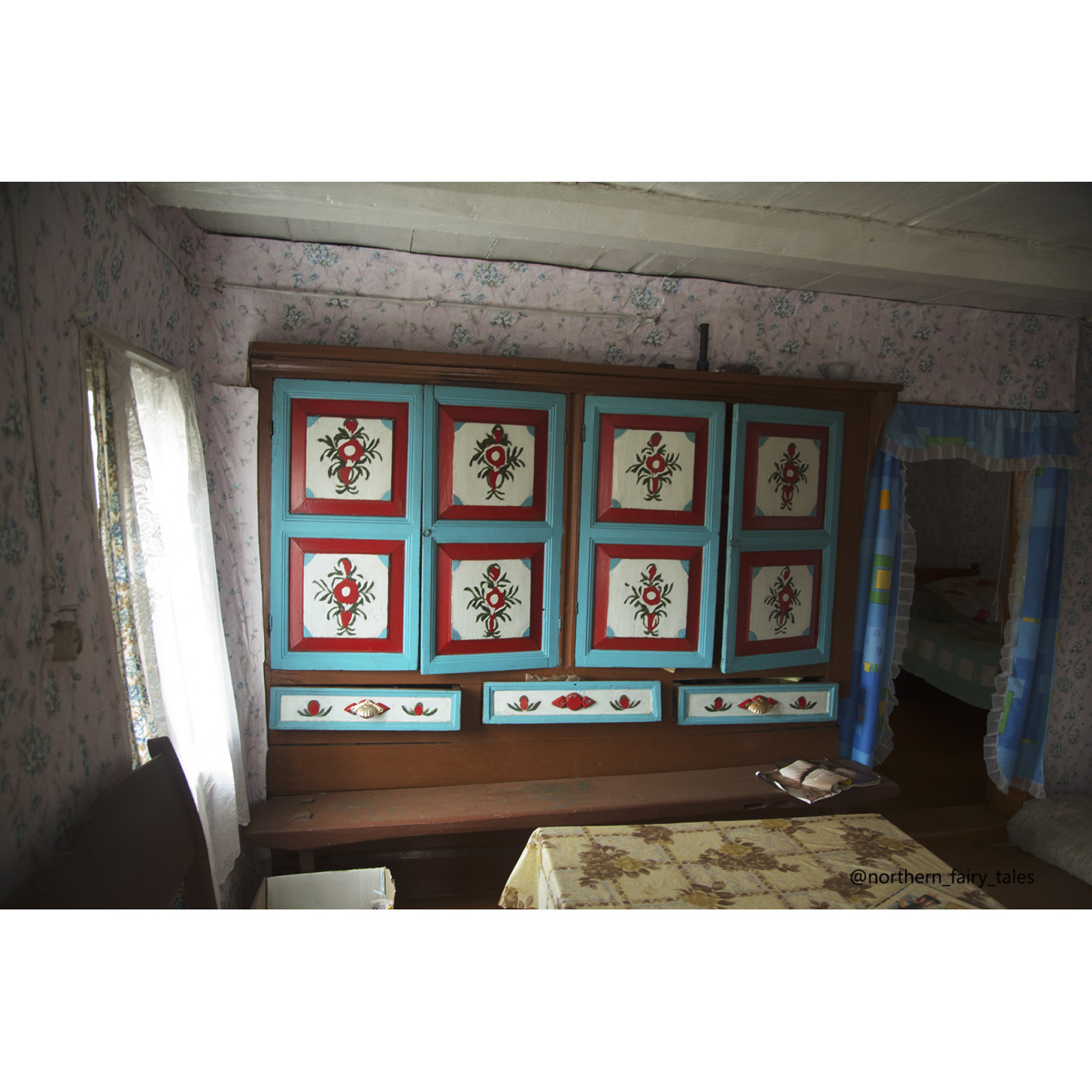
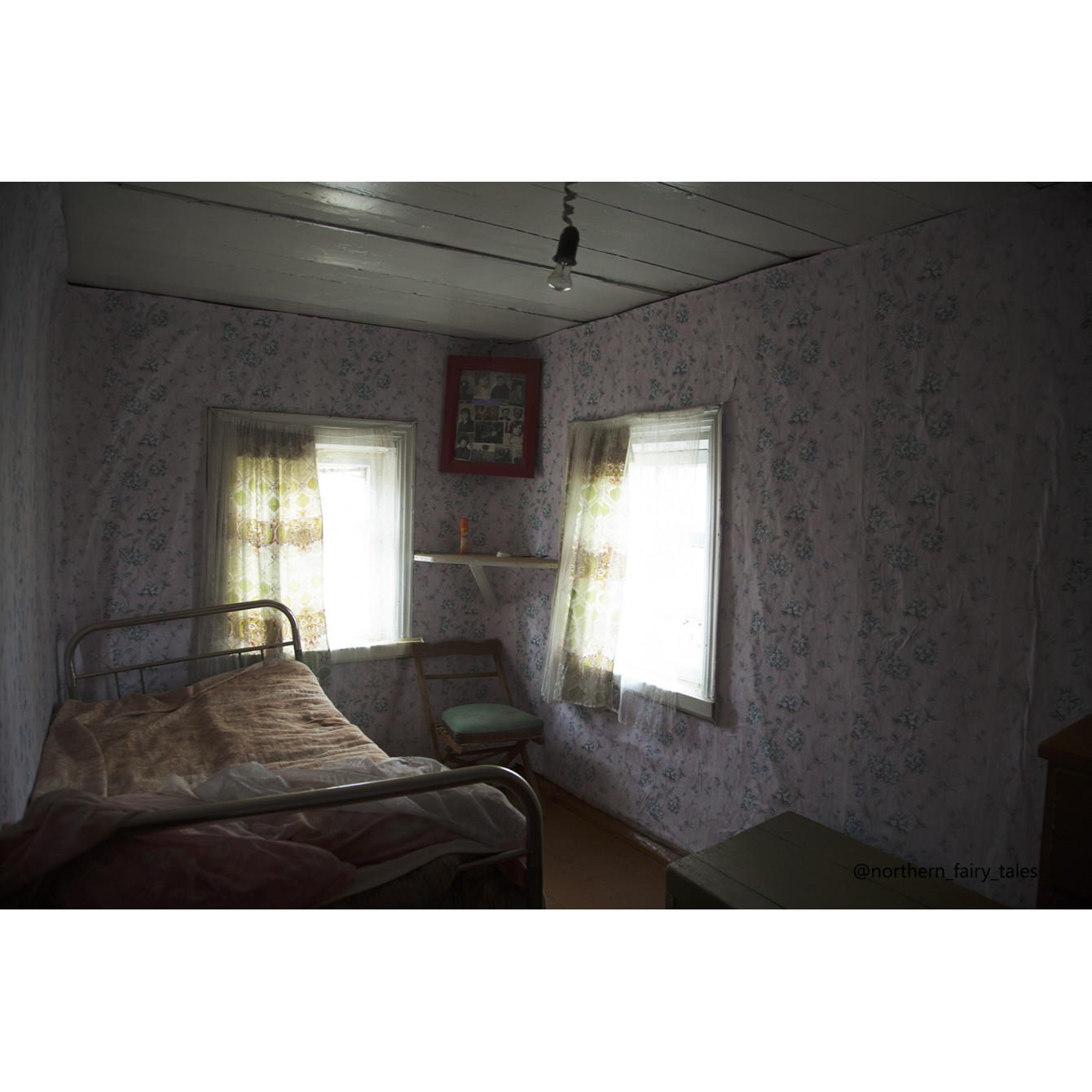
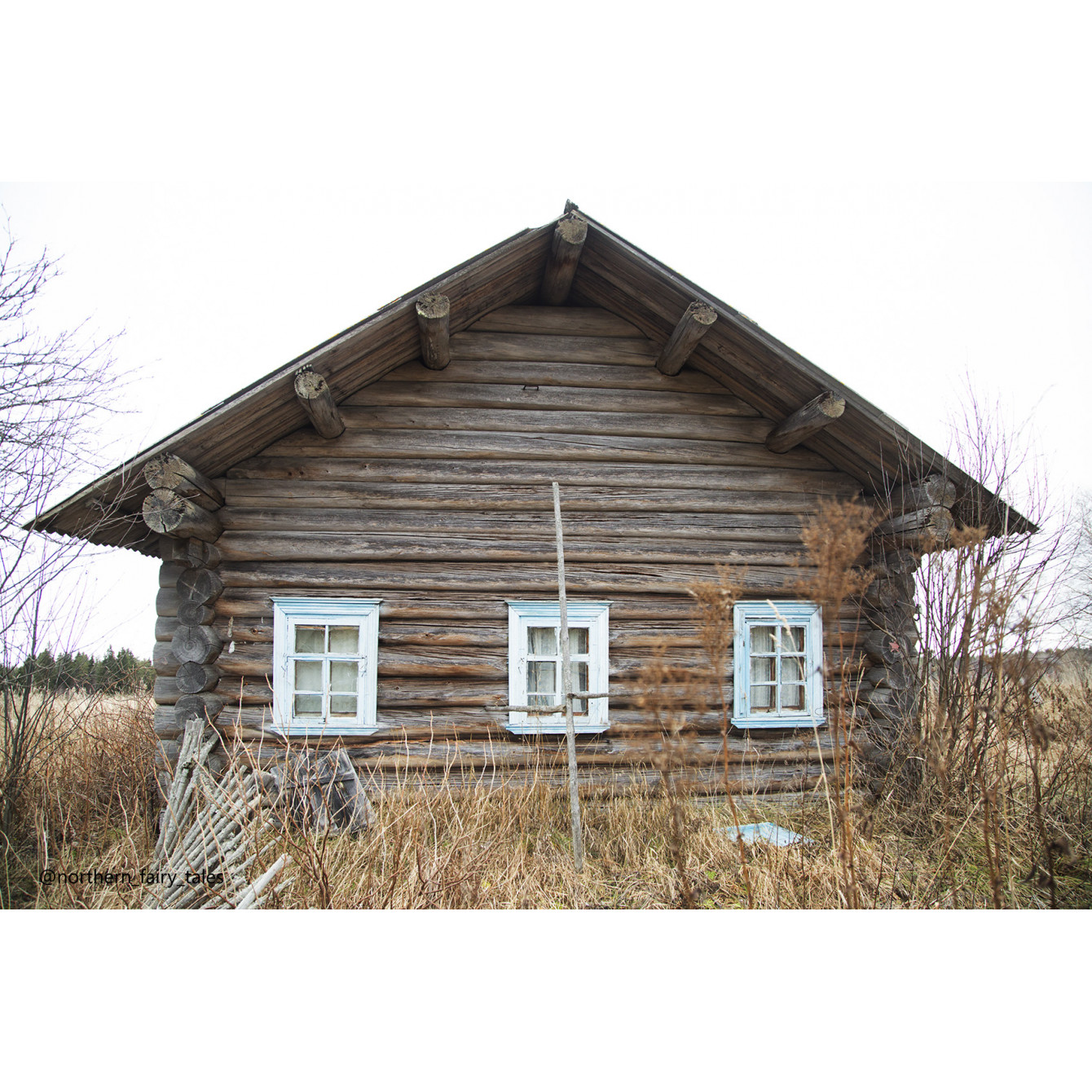
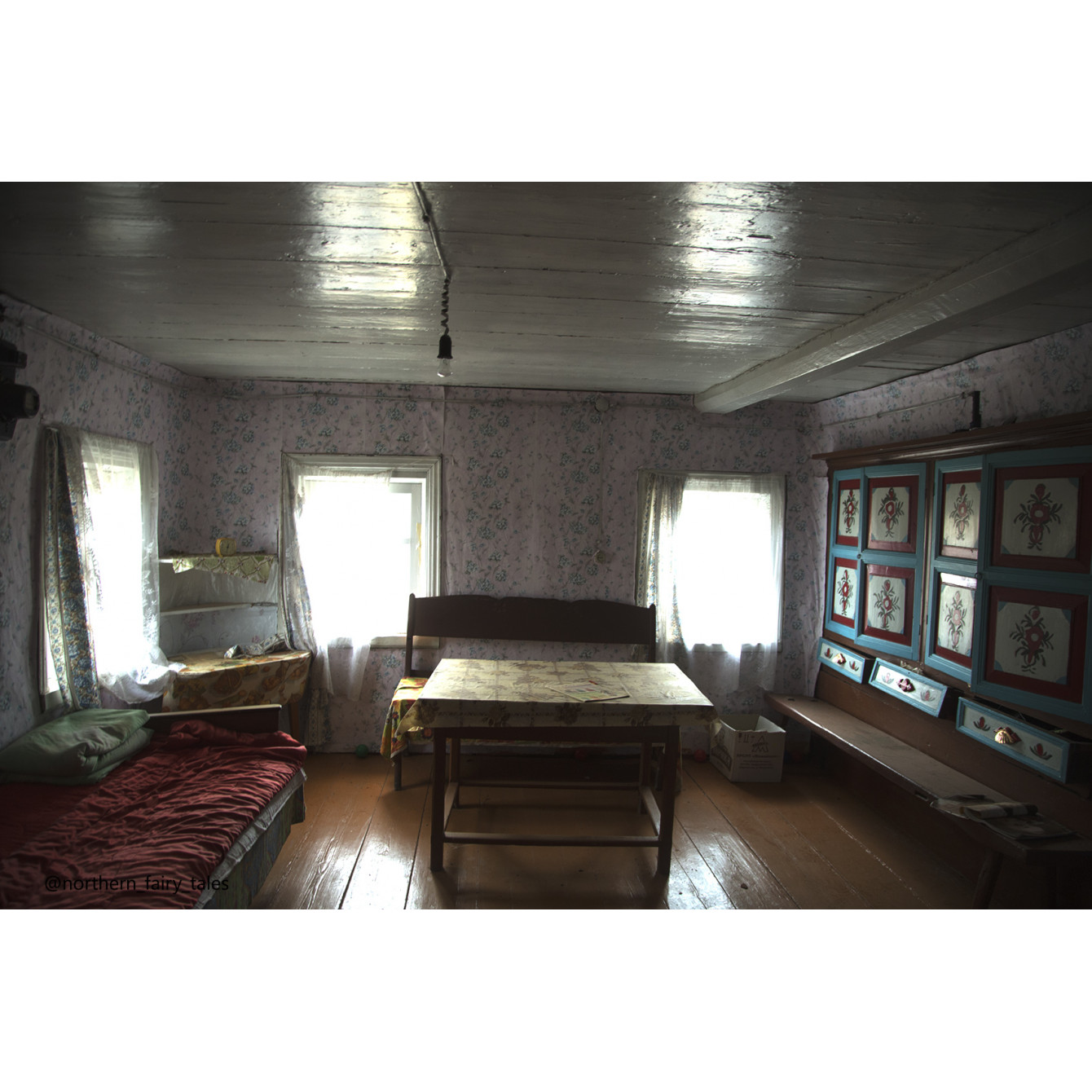
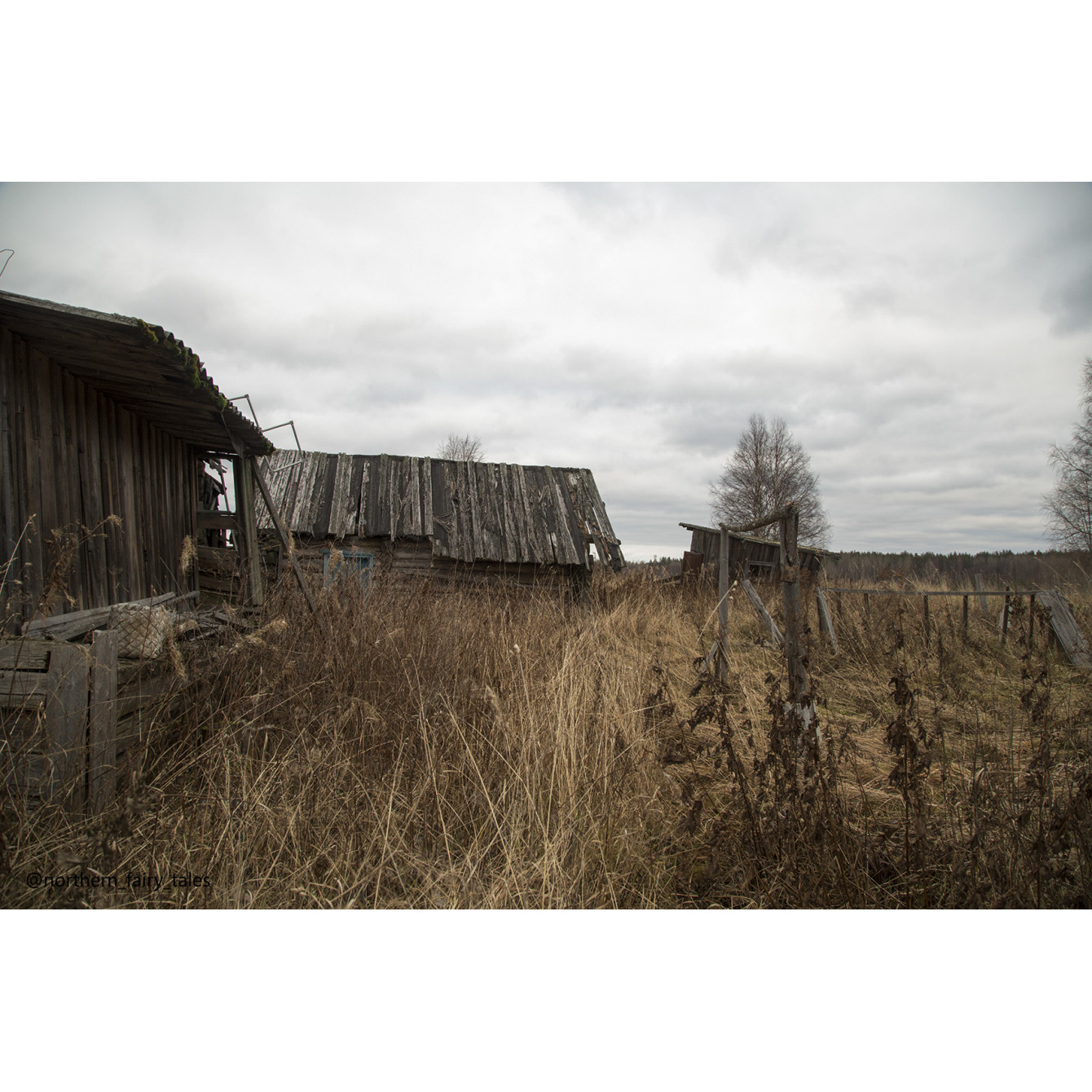
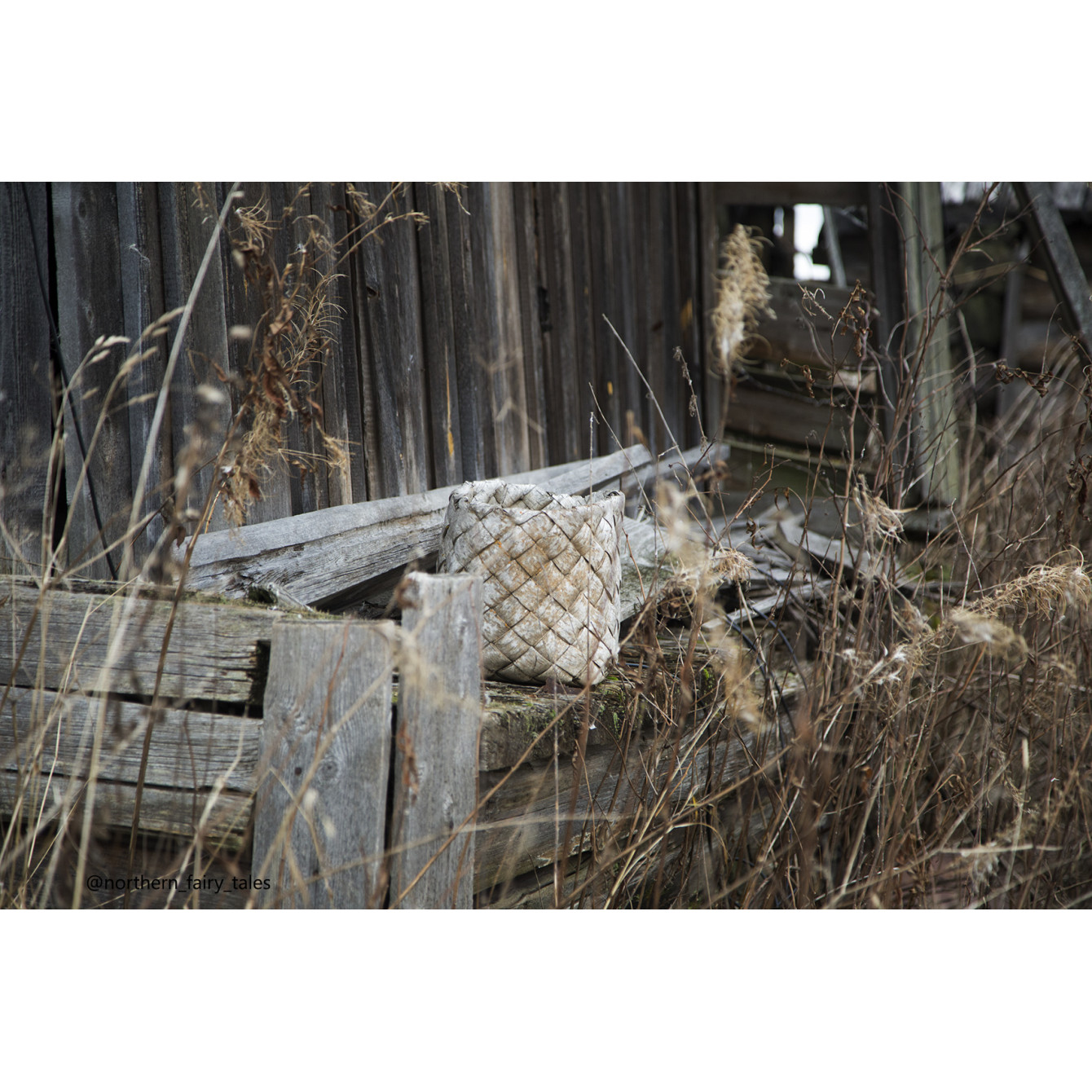
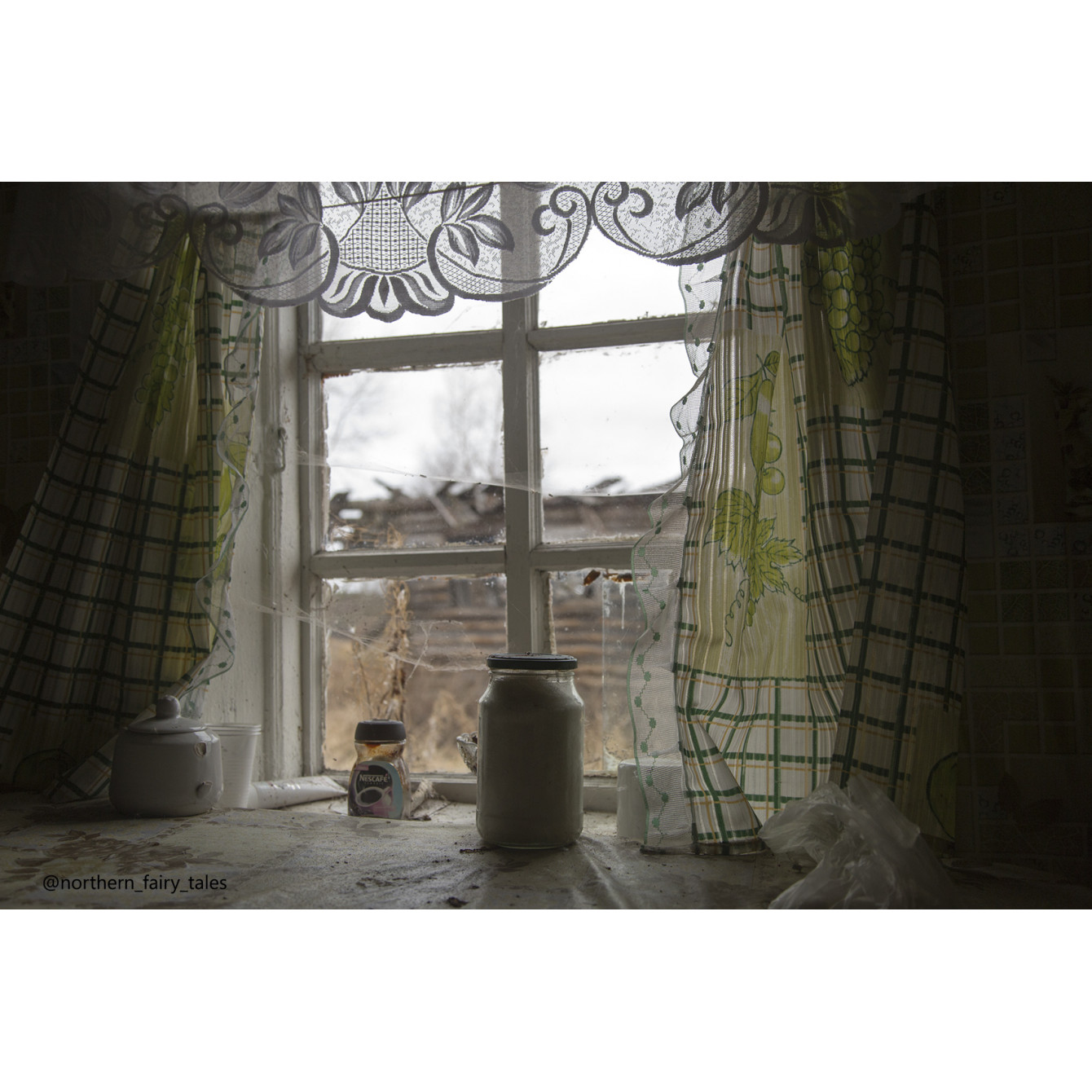
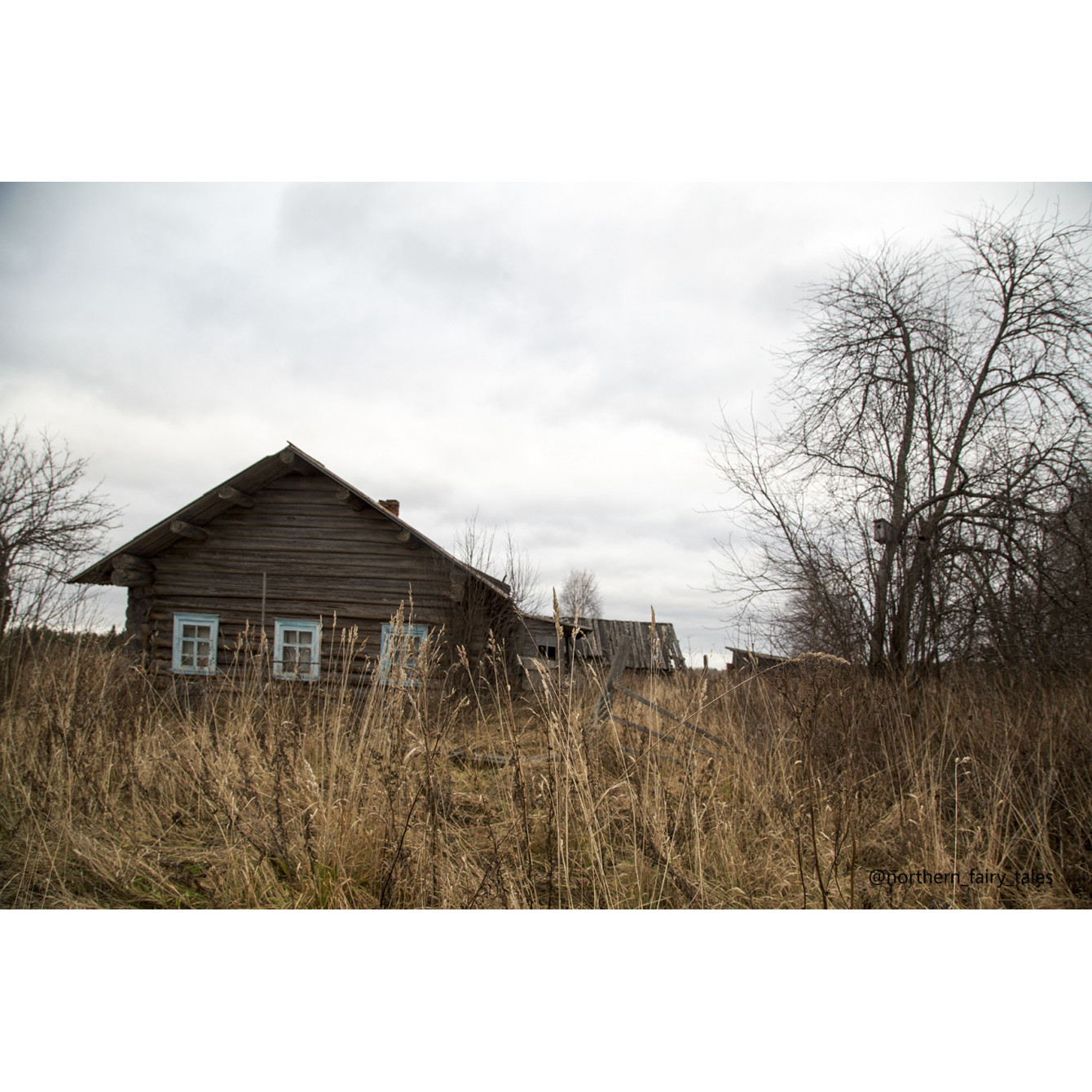
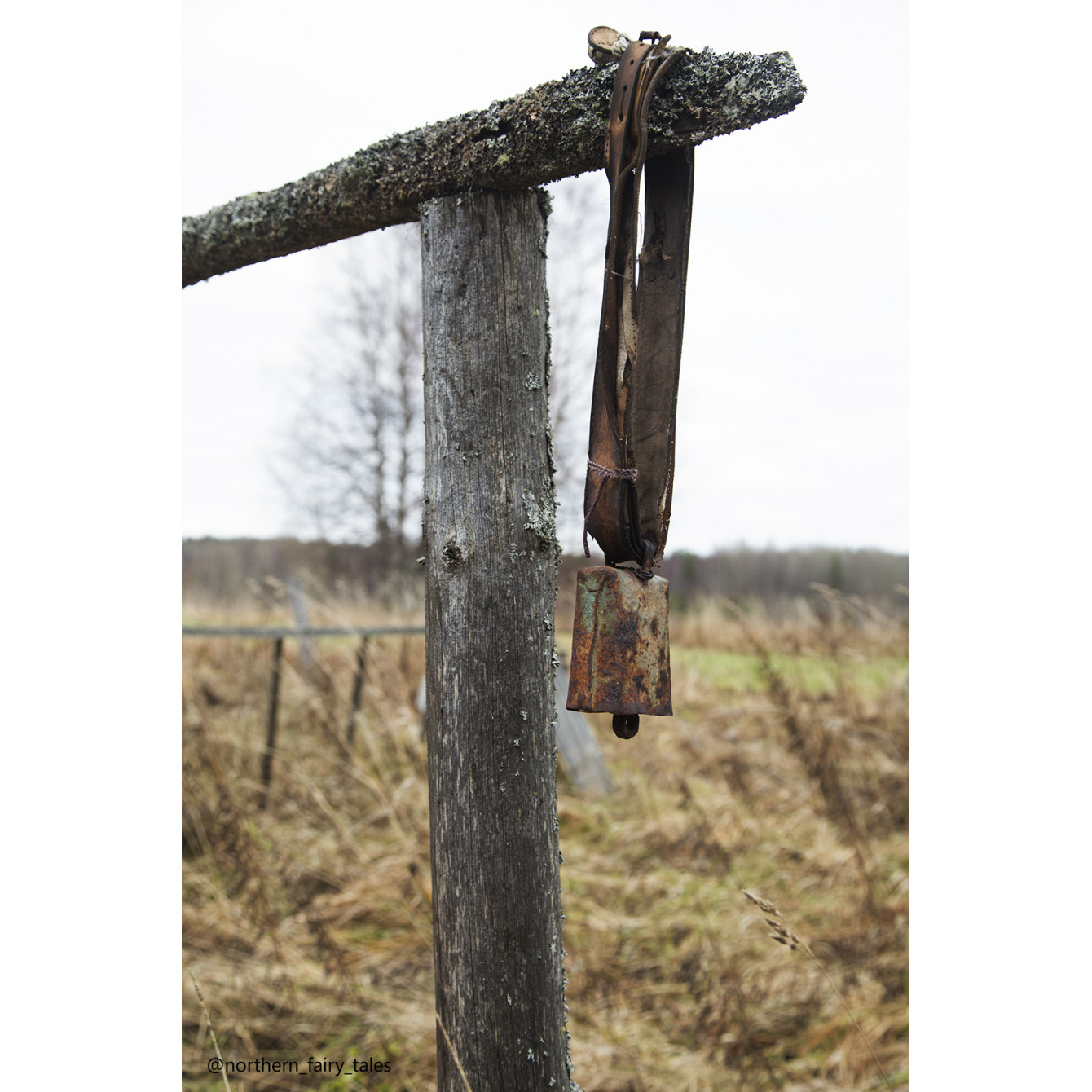
Perhaps journeys to abandoned villages are akin to travelling into the realm of the dead — and returning from it. Most often, looters have been there before you: gutted furniture, collapsed stoves, scattered belongings, broken windows. Like a body after an autopsy.
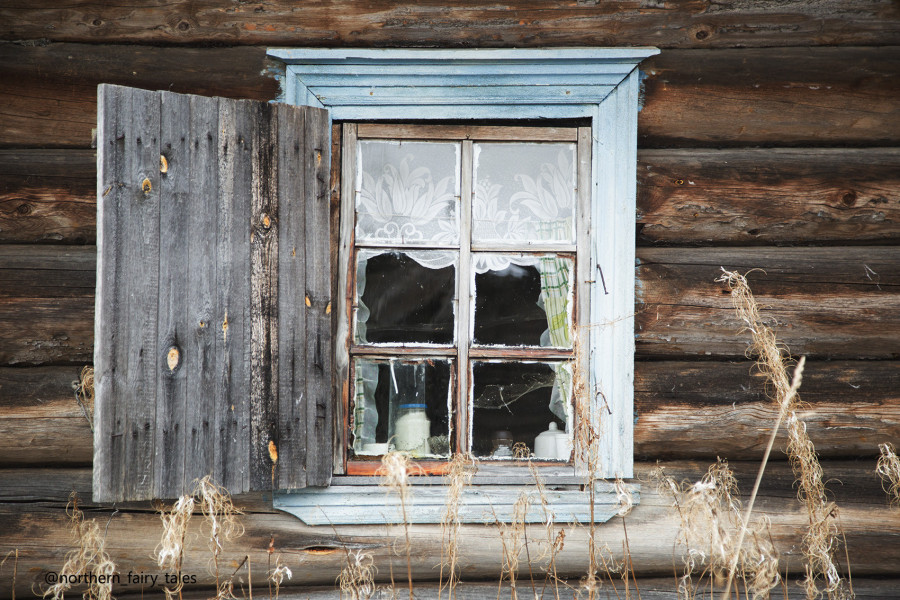
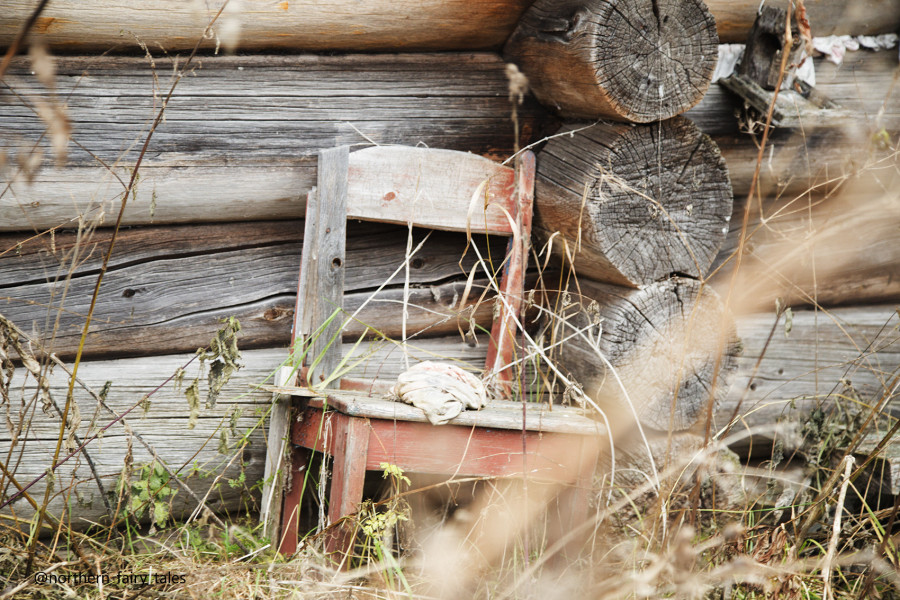
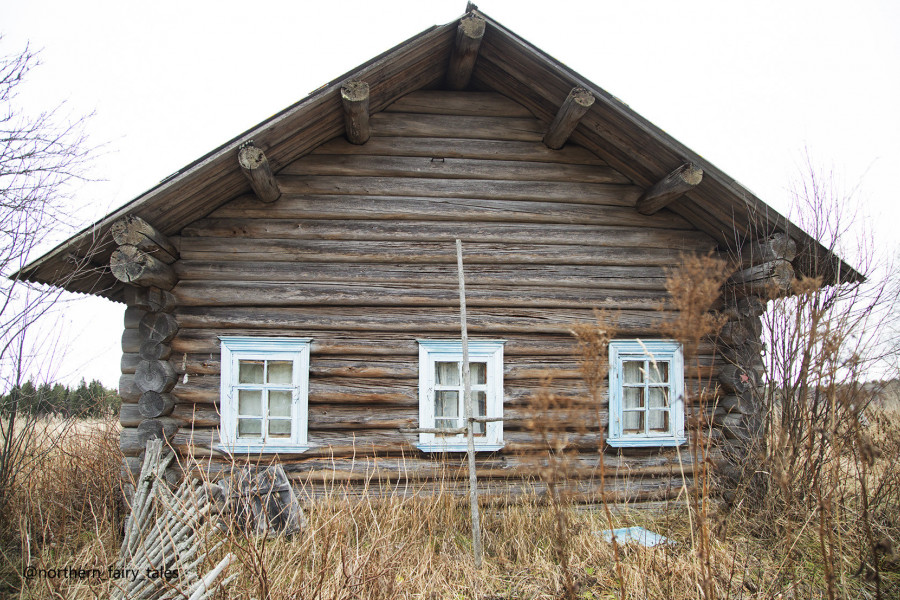
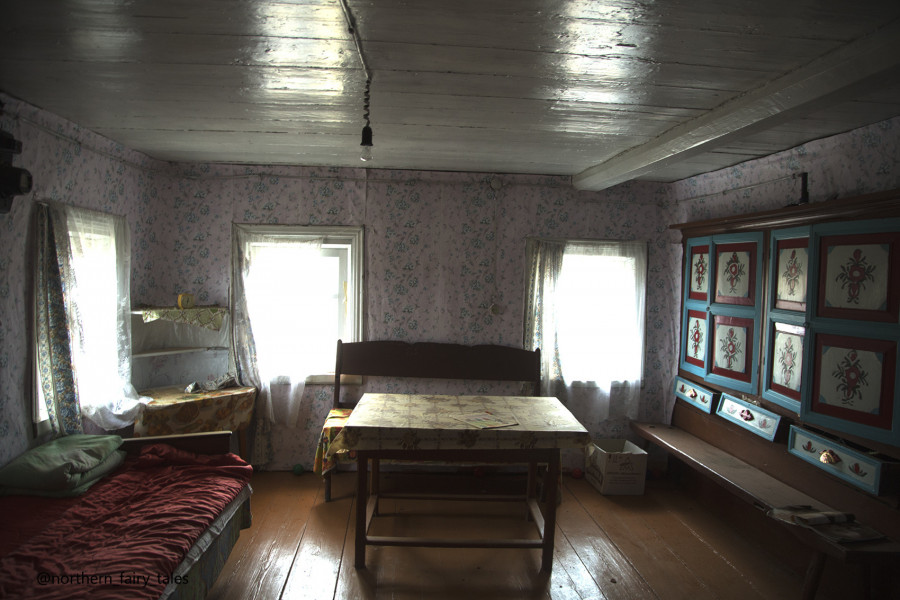
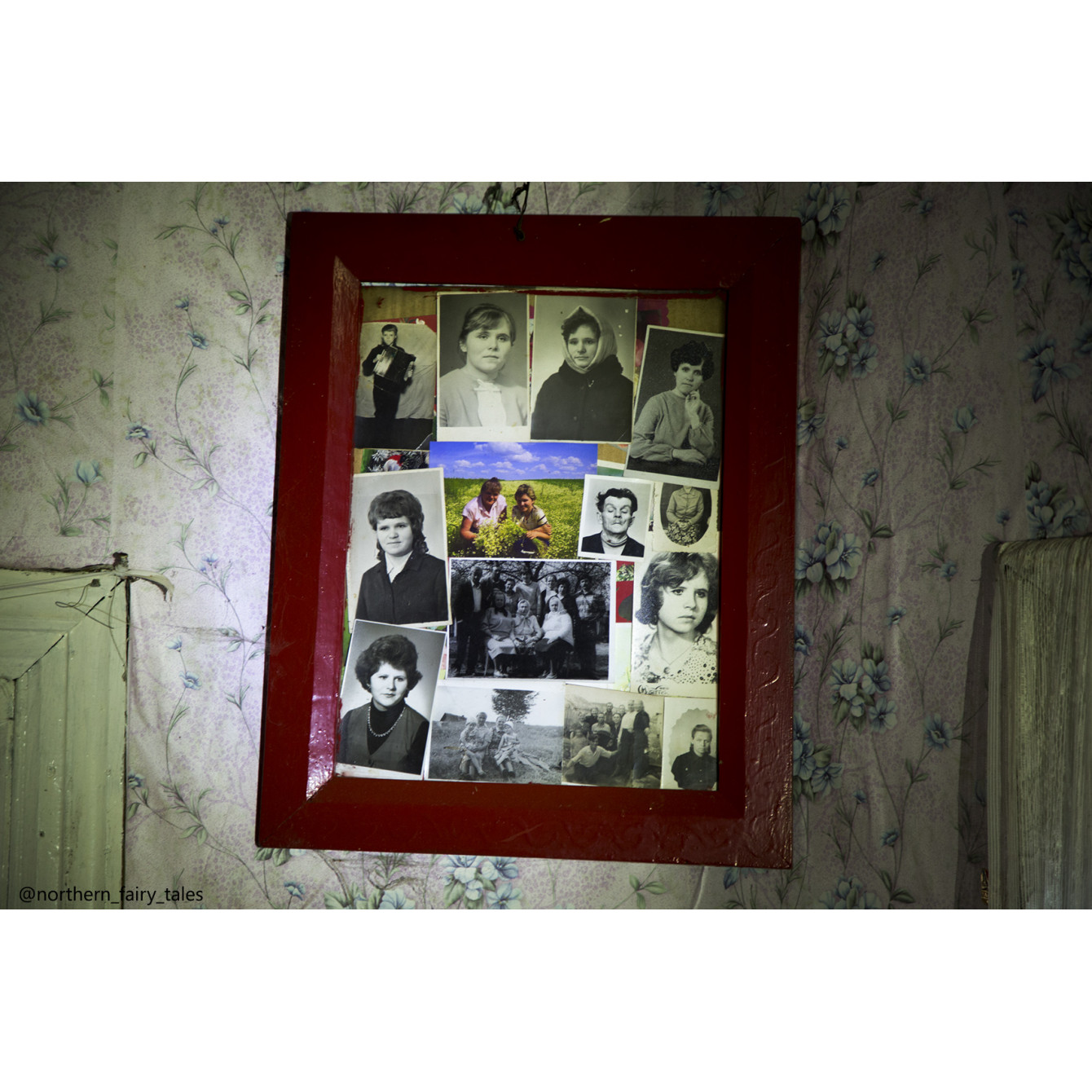
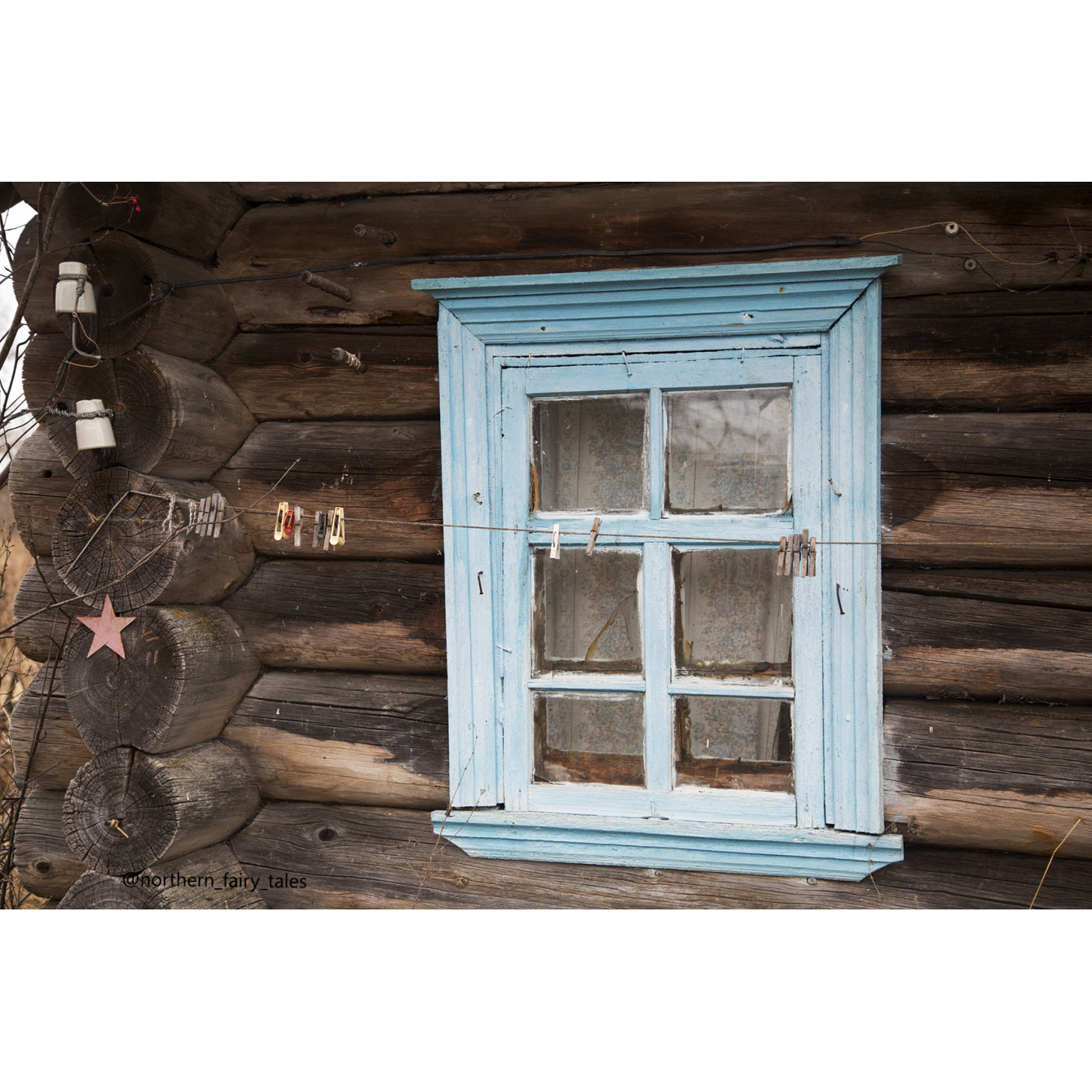
But in these photographs, in this house in the former village of Filípovskaya, everything remained as it once was — as if people had only just stepped out and never returned.
Comments
There are no comments for this article yet. Be the first to comment!