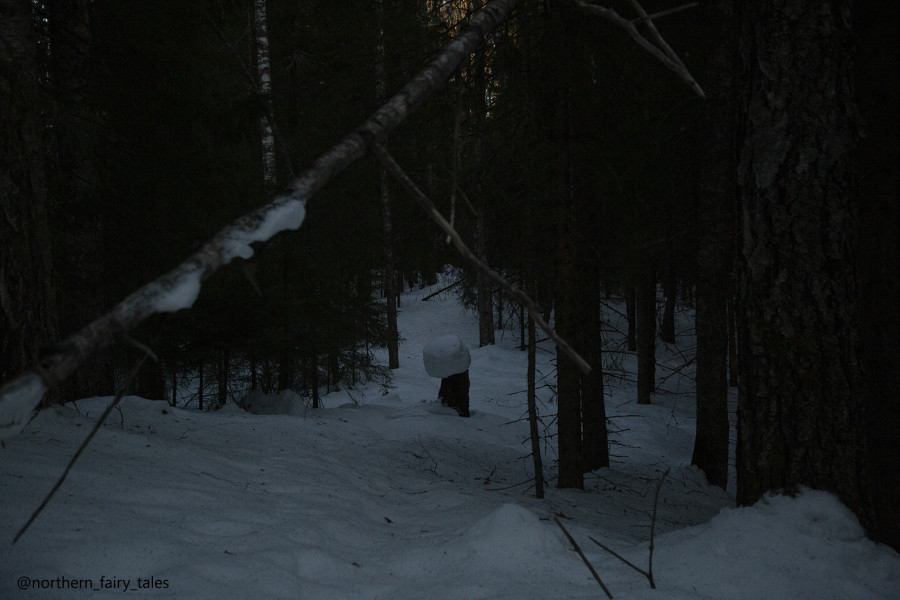
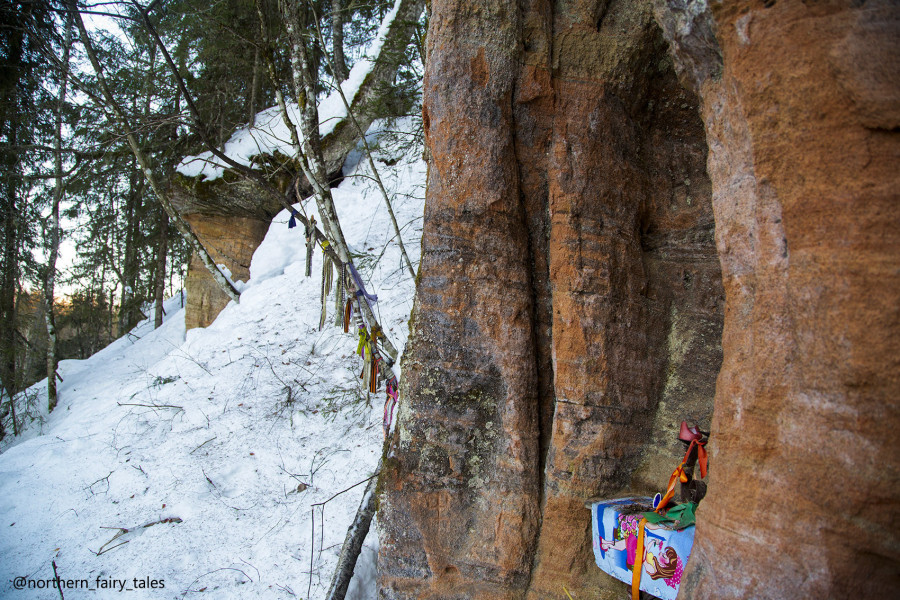
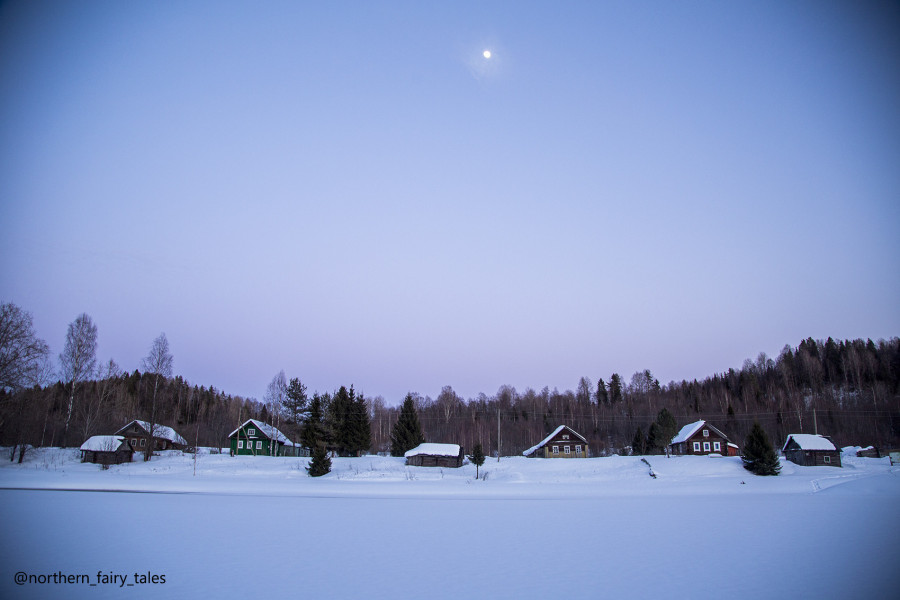
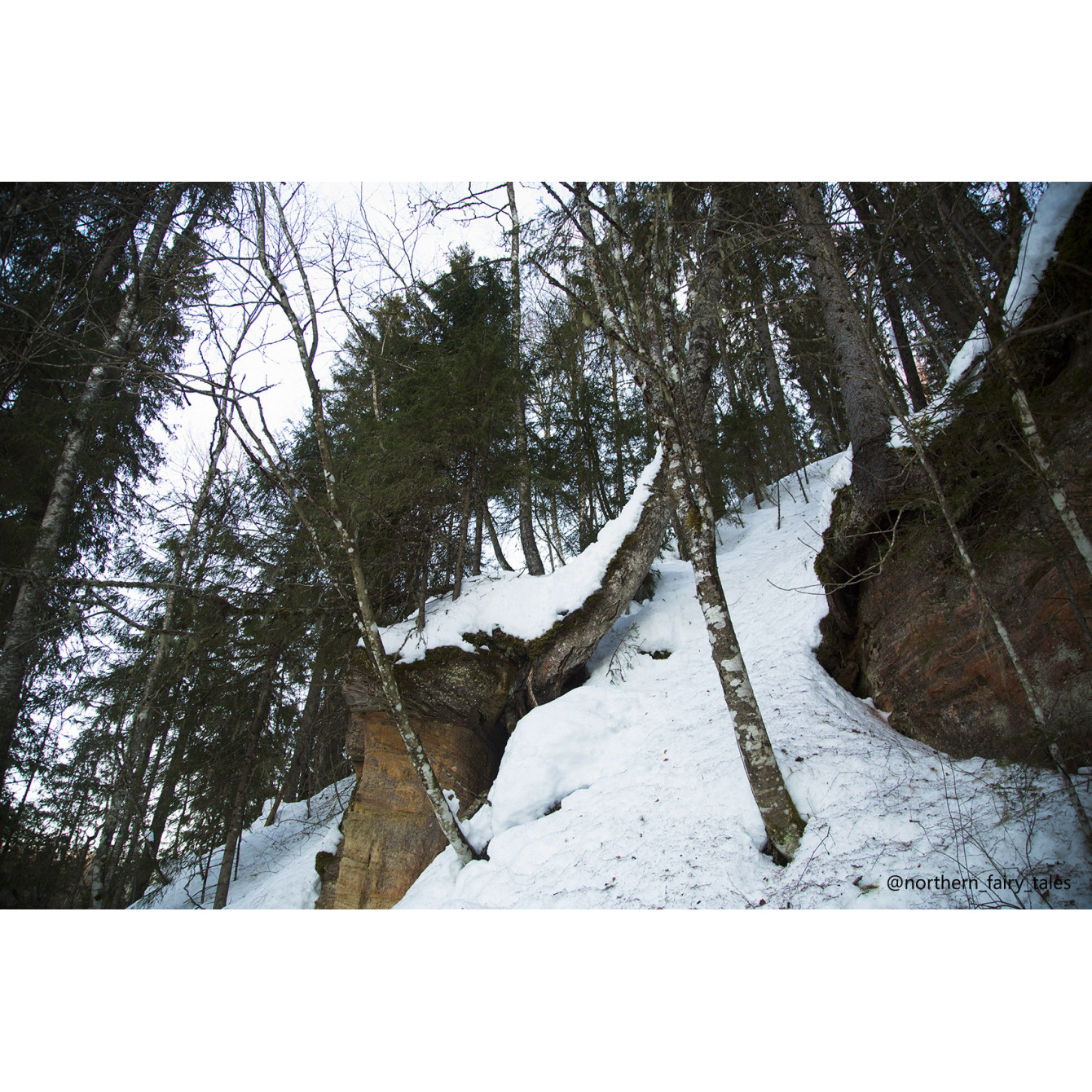
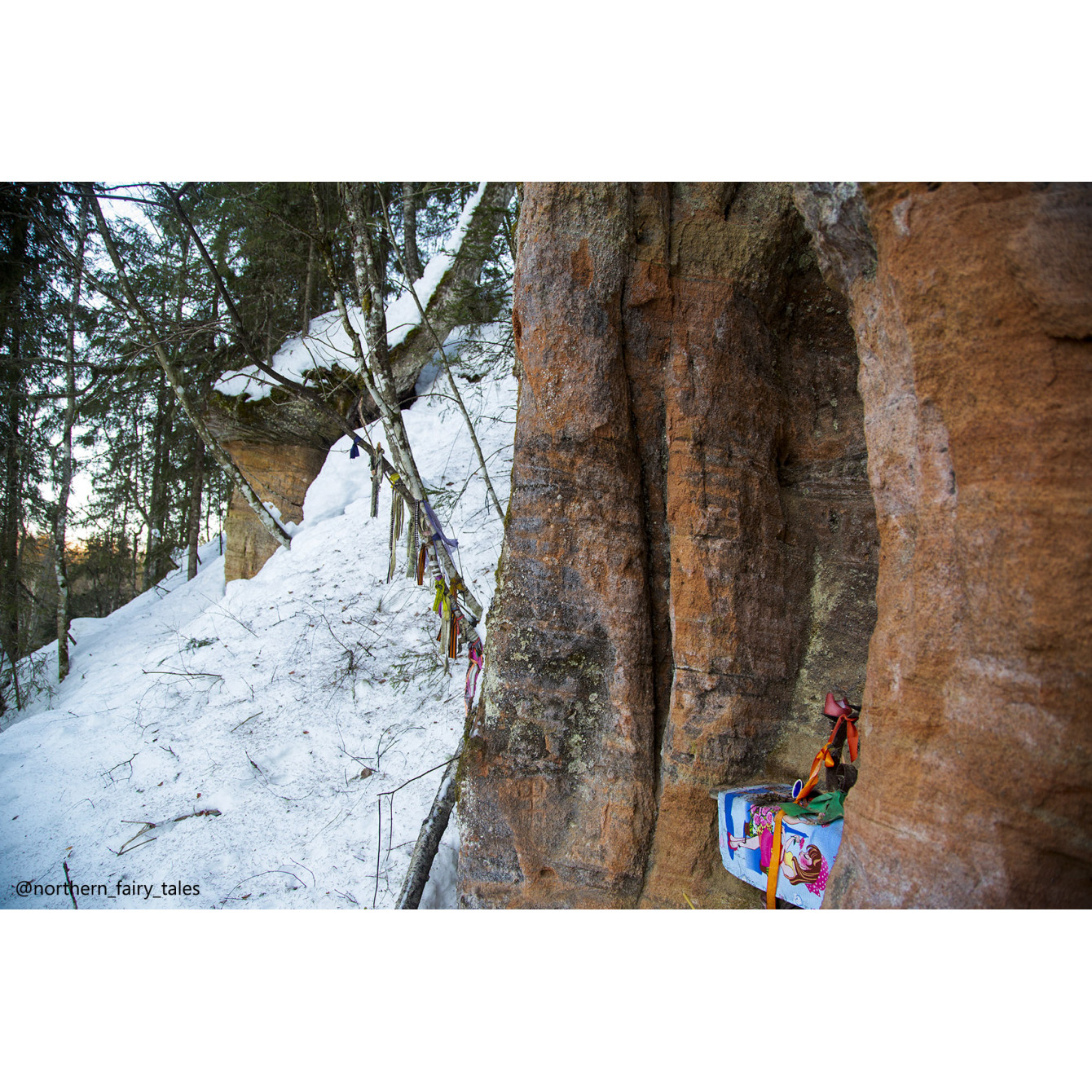
In the lands of the Middle Veps, in the chambers of the Vepsian Forest, one kilometre from the bank of the beautiful Oyat River and 300 kilometres from Saint Petersburg, there is an unusual place called Peshtor—which translates as “Cave.” It is a small rock made of Čuurkivi—the so-called dresva or chur stone.
Such dresva stones were widely used in Veps ritual practice of many kinds. It was placed in a bucket when a cow was ritually washed for the first time: the stone sanctified the water. With it, people drew crosses on windows and doors to protect the home from unclean spirits. It was used as an amulet against lightning; it was thrown with the left hand after a deceased person carried to the cemetery, with the words: “So that he may leave us as a cold stone.”
We have already encountered similar cult rocks: the Trutnev Cave among Russian inhabitants of the Pskov region (a story about it will appear here someday), and the holy place known as “Kuzovnitsa” on the Izhora Plateau (photographs can be seen here: http://northernfairytales.com/ru/glavnaya/99-kuzovnica.html ). There are many other places like this. Apparently, Čuurkivi were considered sacred not only by the Veps.
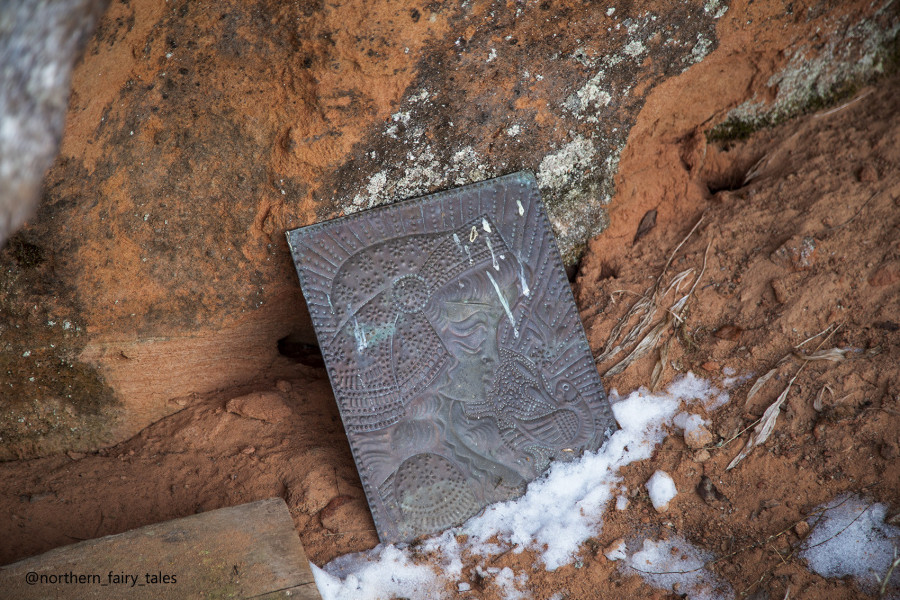
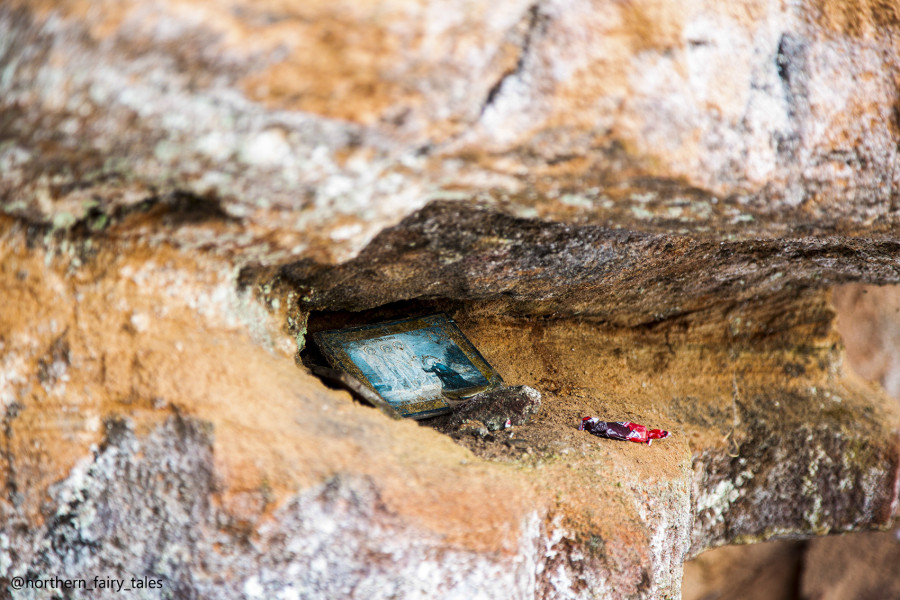
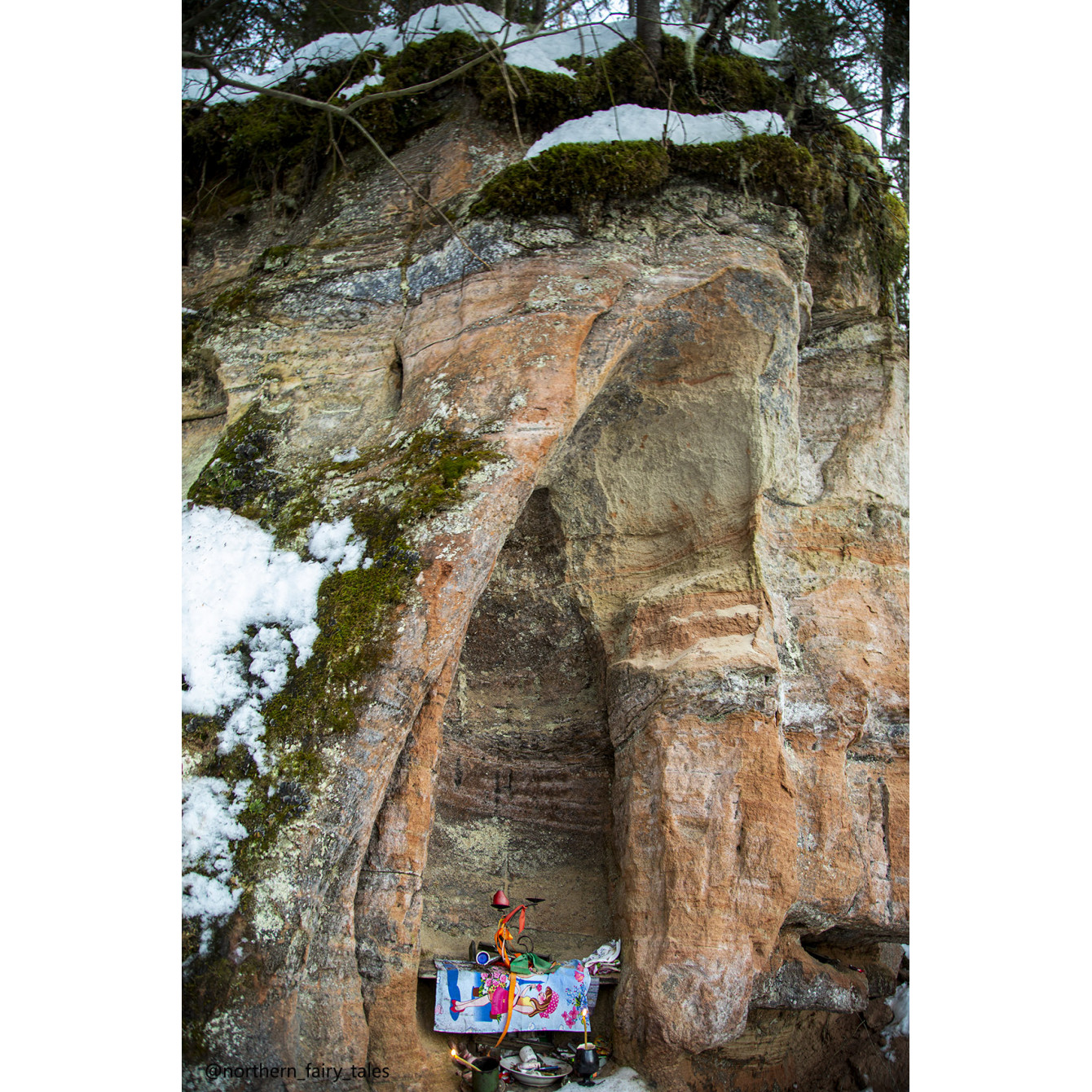
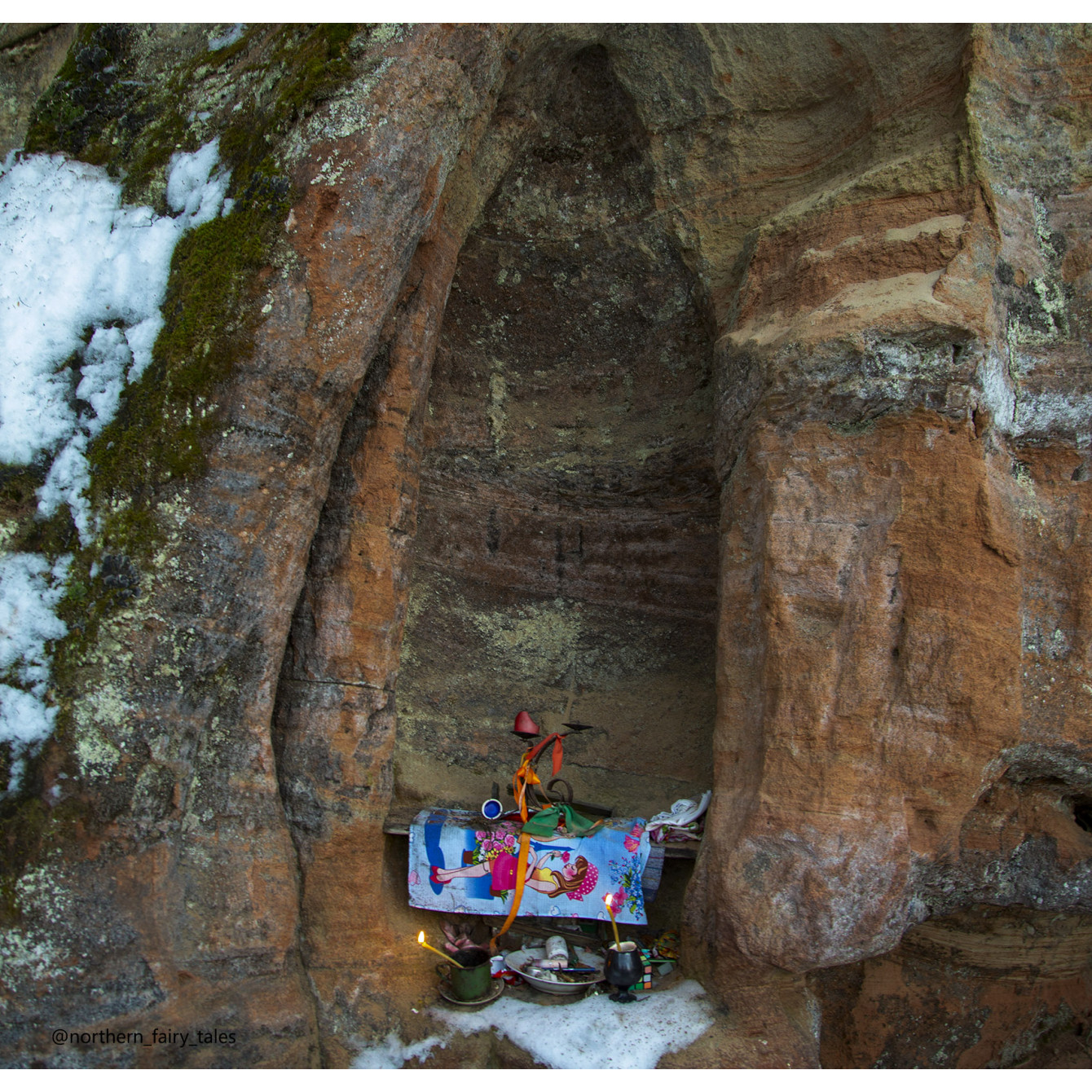
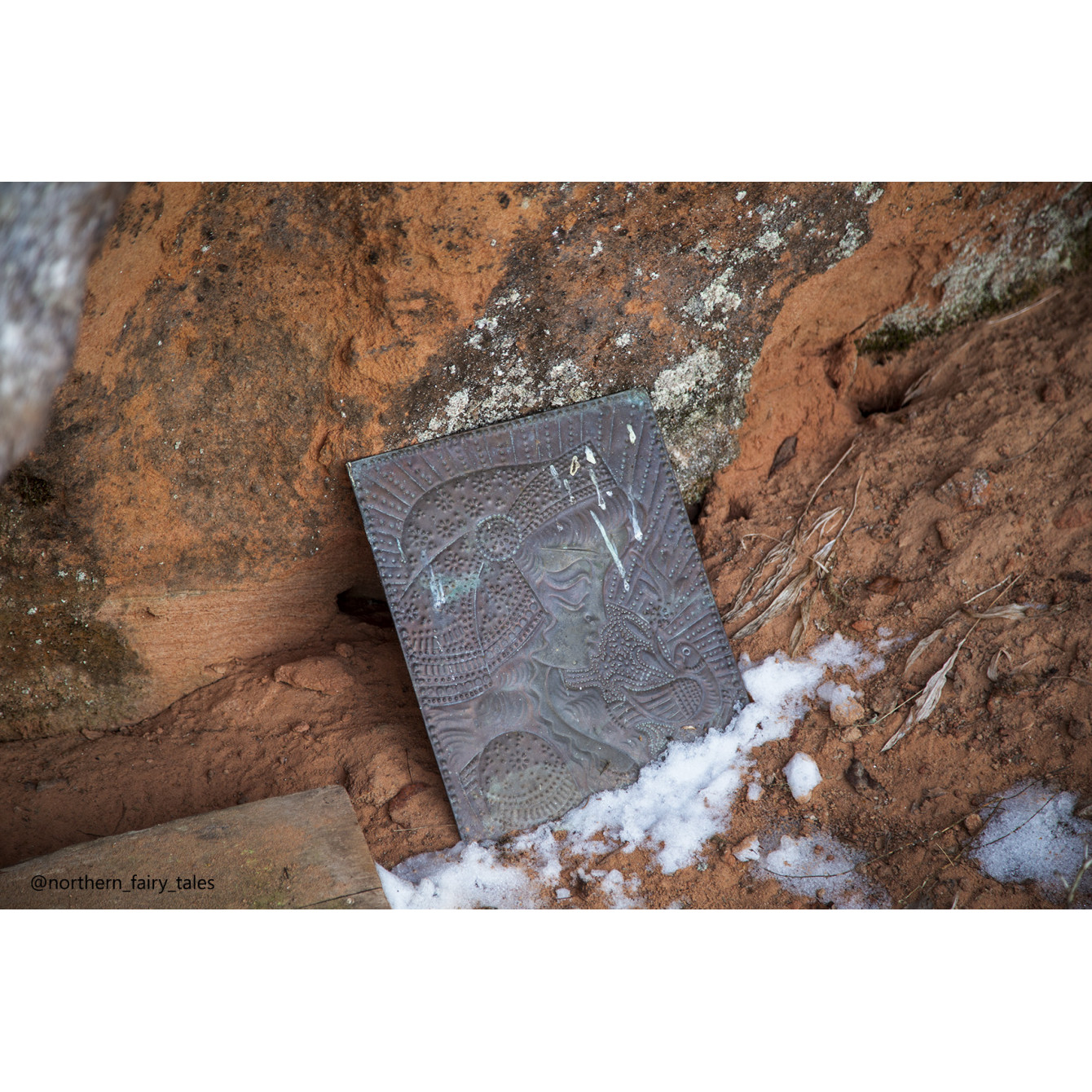
As in other such sacred centres, Peshtor is not short of candles, cheap little icons, ribbons tied to trees, and other signs of holiness. The highlight here is a hollow in the rock shaped like a standing person in a cassock; inside this niche there is an improvised altar.
There is a legend about how this “cave” came to be. A certain Mikula is said to have lived here—the Vepsian St Nicholas the Wonderworker—and he was the patron of the Oyat Veps. People say they sometimes saw him here: he would walk through the forest expanses in a white shirt, belted with a red sash. But the miracle-worker was angered by river log-drivers who swore crudely; he left these places, and no one saw him again. This final part of the legend—the departure of a sacred being from the Veps lands along the Oyat—fits well into the archetypal pattern of the “defilement of a shrine.”
A similar kind of story can be read in the well-known work of the 19th-century ethnographer S. Maximov about the appearance of the icon of Paraskeva Pyatnitsa:
One peasant, passing by a clay hill near a village, noticed a spring that had newly broken through. He marvelled—and forgot. But a secret voice reminded an old pilgrim woman, speaking to her in a dream: “Go to the hill: at its foot you will see a spring, and at the bottom of it a wonder-working icon. Take it out and tell the peasants to build a chapel here.”
The people did not listen to the old woman, and the icon, which the priest placed in the church, “left” and once again—just as it was, with the face of Saint Paraskeva the Martyr in a silver setting—ended up at the bottom of the spring. This was repeated up to three times, until a chapel was built over the spring and a copy was made of the icon and hung there (the original was placed in the church).
It happened, however, that in the very first year after the icon’s appearance, a woman “not quite right in the head” decided to take water from the well to wash laundry. The water immediately vanished, and a few days later the spring broke through in another place, behind the chapel. The new well exists to this day, considered healing; and not long ago the whole village still prayed to the icon in the church as wonder-working, asking for an end to livestock deaths.
One could dig up countless stories like this in the ethnographic storehouses of Russia’s peoples, and their central meaning is the same: if profane actions are performed at a sacred place, the shrine will vanish or move elsewhere. That is what happened with the saint, according to the bylichka: offended by human foolishness and impiety.
It is вполне possible, we think, that Mikula had a real prototype: that long ago some hermit lived by this rock, and the memory of him later transformed into memorates about a saint as the patron of the locality—after all, not so very long ago by historical standards, almost every shrine had its own recluse. Or perhaps the men who found Peshtor, struck by the anthropomorphic silhouette of the rock, imagined St Nicholas the Wonderworker and spread these rumours through the surrounding villages. But these are only our conjectures.
And what about local believers? They do not lose heart. They visit Peshtor and do not forget it, bringing their vows there—especially at the end of summer, on the Feast of the Dormition. It seems they still hope to see here a man in a white shirt, belted with a red sash: the great Vepsian saint, Mikula the Wonderworker.
Comments
There are no comments for this article yet. Be the first to comment!