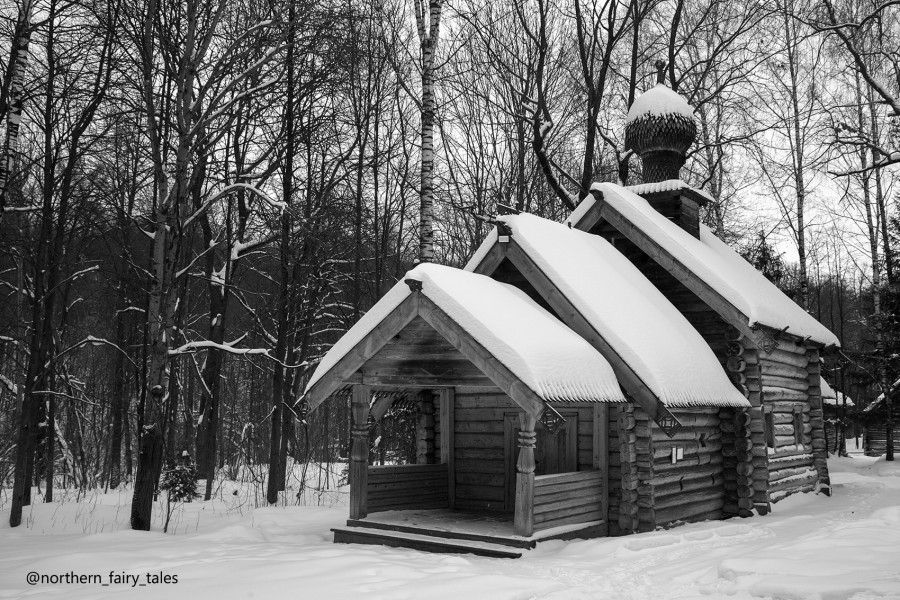
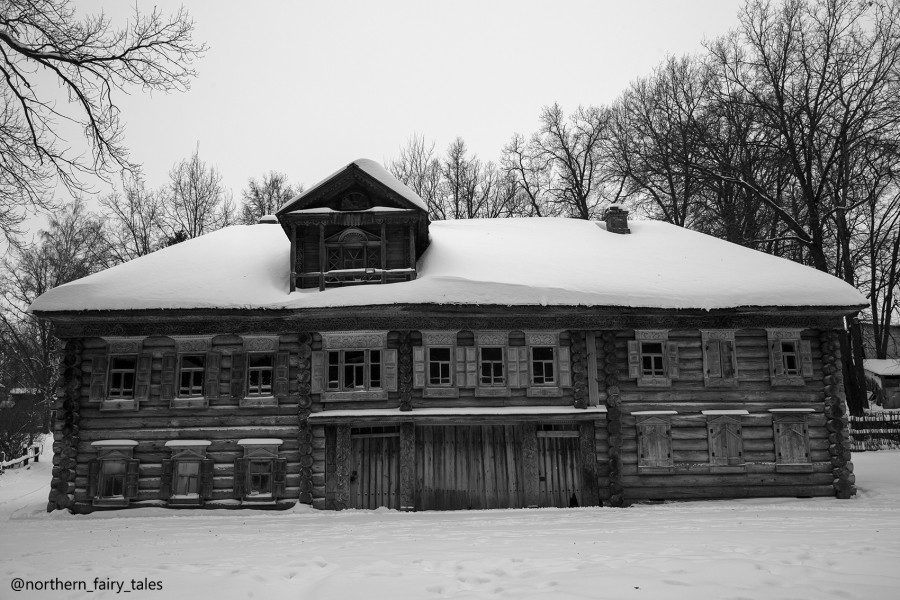
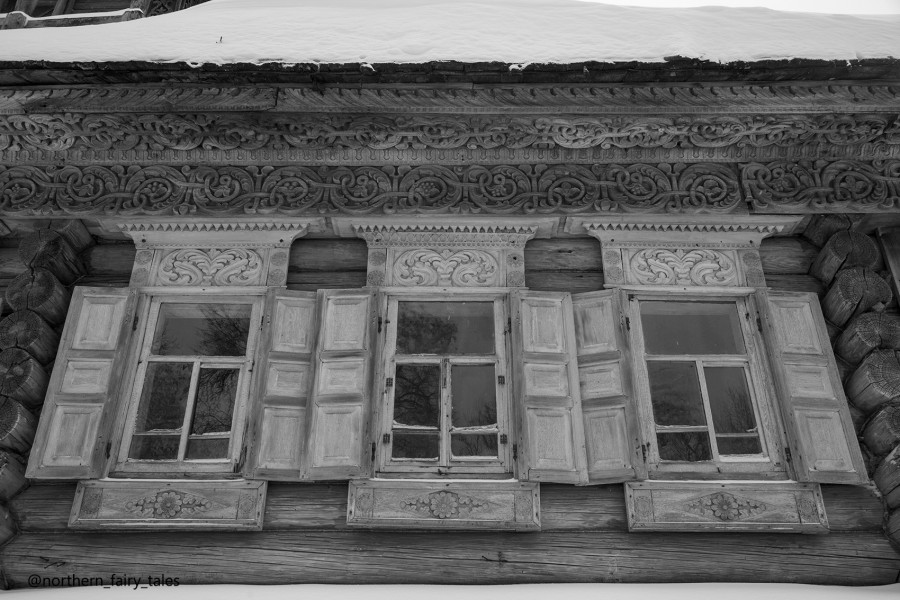
Without a doubt, the most exquisite aesthetic of northern folk architecture—vast beautiful houses, majestic churches, vivid chapels, and curious outbuildings—is best observed in its natural habitat: in northern villages. Thankfully, there are still quite a few secluded corners where you can experience an aesthetic rapture and breathe in, deeply, the fading spirit of traditional peasant life. To some extent, we share (without absolutizing it) the Marxist thesis that being determines consciousness; and northern buildings are indeed perfectly shaped by their “being,” which can only be called fairy-tale-like.
Architectural and ethnographic museums, of course, look somewhat artificial against the backdrop of those surviving pockets of living peasant landscapes—strained, as it were: wooden zoos. After all, hardly anyone would argue that by visiting a zoo you can fully understand how animals live in the wild.
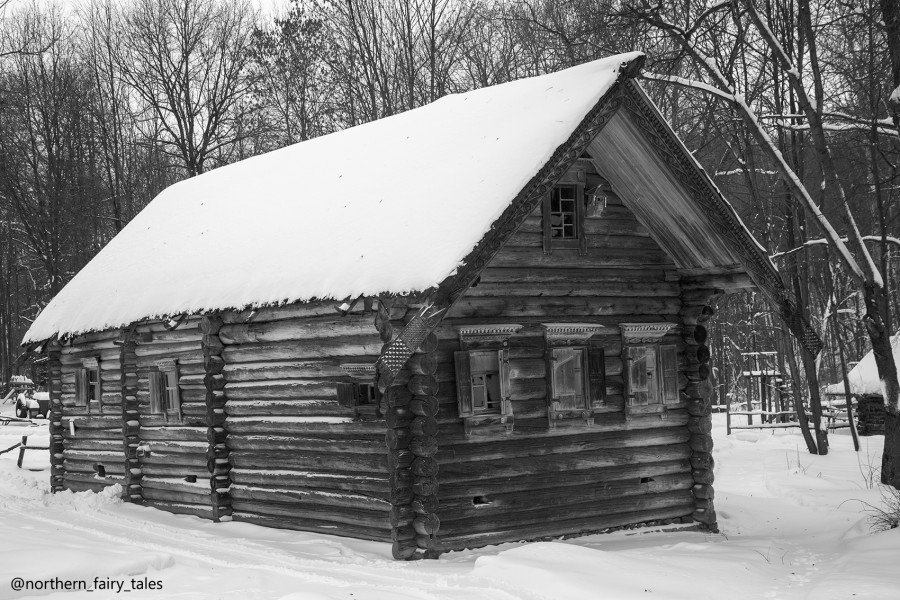
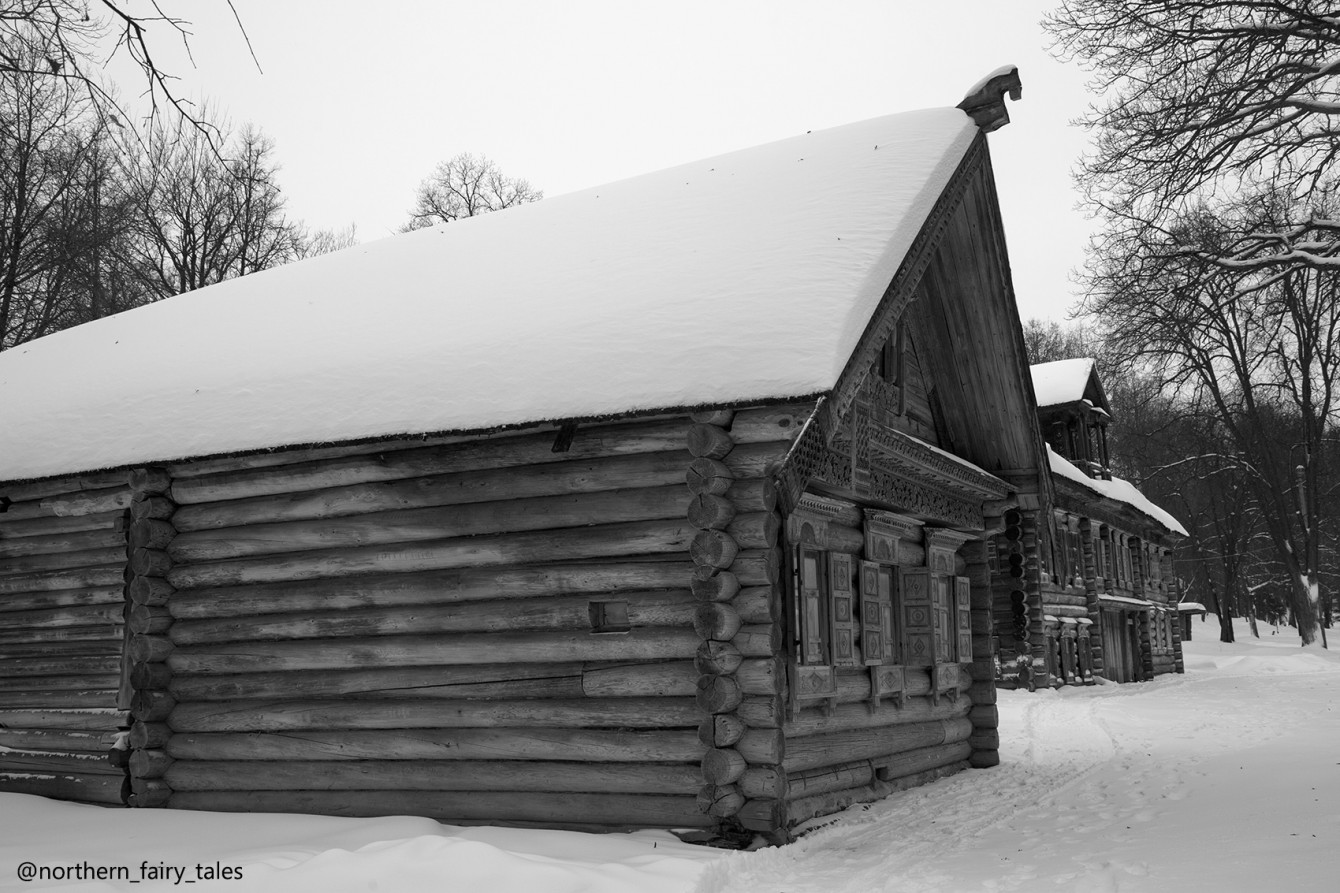
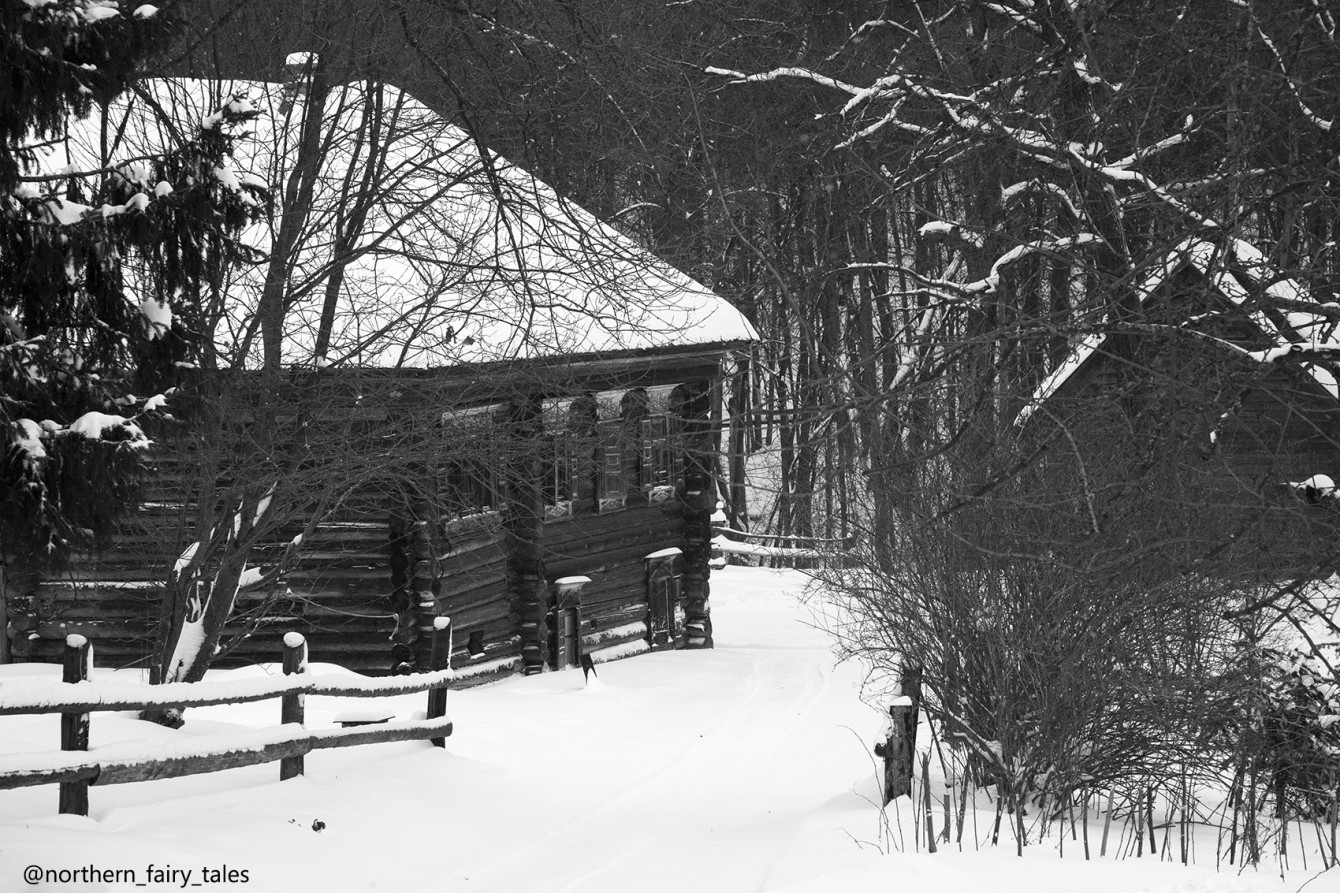
Still, we don’t mind stopping by such places from time to time. After all, they assemble—piece by piece—a kind of quintessence of peasant architecture, and some museum exhibits are truly unique. One of these preserves is Shchelokovsky Khutor, on the outskirts of Nizhny Novgorod—a fairly little-known site among its log-built counterparts. And that’s a pity: in a pleasant setting, nearly a couple dozen structures have been gathered here—residential and farm buildings of the 19th century, along with older religious wooden monuments. Ridgepoles and carved roof details, huge eaves, carved shutters and gable boards; granaries, mills, a bathhouse and drying barns; and the remarkable Intercession Church, crowned by a pyramid of three octagons set on a quadrangle—what more could you want? It’s absolutely worth dropping in, even if only in passing.
Comments
There are no comments for this article yet. Be the first to comment!