To take a hair from the head of the one they wish to harm, and place it in an uncooked egg; then seal the opening through which the hair is put with sulfur. Then take forty rye grains and grind them counter to the sun. Then, in the forest, in a little pit, in a clean small box, bake forty kolobki (little round buns). Having dressed in clean clothes, hew a chip with a single blow of an axe. At sunset, go into the forest to an anthill: bury the egg in the anthill, and place the kolobki on an aspen chip above the anthill, in the branches of a tree—then call upon the dead:
“I will rise, without a blessing; I will rise, without crossing myself. I will rise to rouse the dead: rise, you dead one—awaken the slain! rise, you slain—awaken the departed! rise, you departed—awaken those fallen from the tree! rise, you fallen from the tree—awaken the lost! rise, you lost—awaken those devoured by beasts! rise, you devoured by beasts—awaken the unbaptized! rise, you unbaptized—awaken the unnamed!”
Having called the dead, one must bring them a small gift and address them with a plea:
“I have come to you, and I have brought you an honest meal, a Russian remembrance-feast: a white swan (the egg with the hair placed within). And in this white swan I have brought znat’ba (“Znat’ba” here is an archaic, dialectal term from the language of spells. In meaning it is a kind of “knowing”—a spoken charm or a conveyed token of information about a person—by which the dead are supposed to single out the one named and “take him into their keeping.” - ournote) from the Servant of God (name). And by that znat’ba take this servant, from whom I have brought you znat’ba and the white swan, and take that servant into your keeping and into your hands. Take his mind and memory; do not let him sleep by night, nor do deeds by day; hold him, until I come again to you with a meal and the white swan; and from me to you—the white swan for your service.”
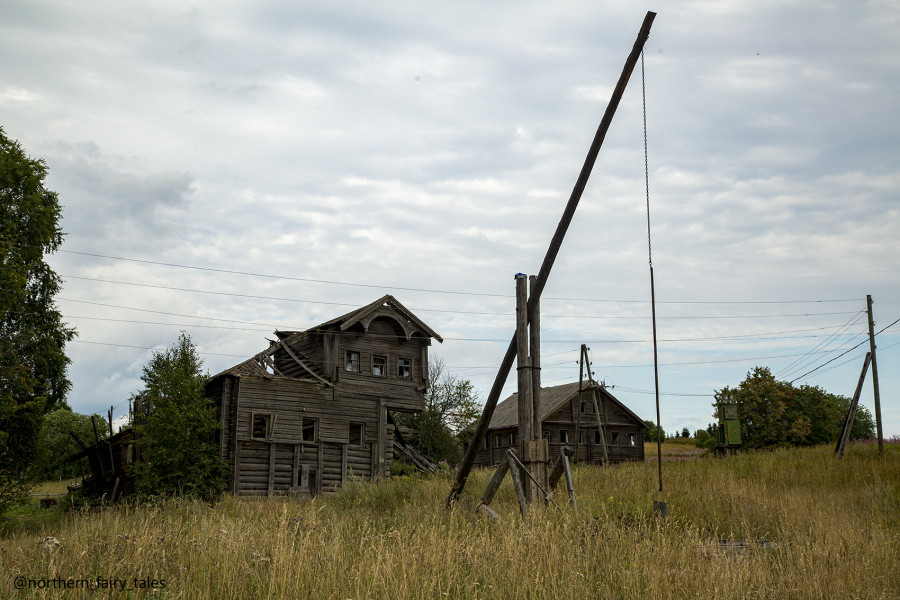
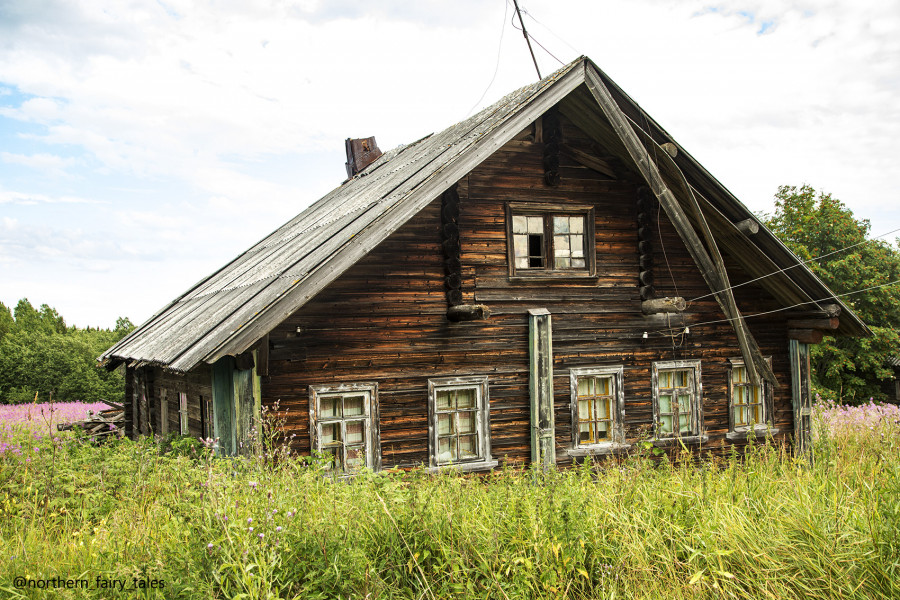
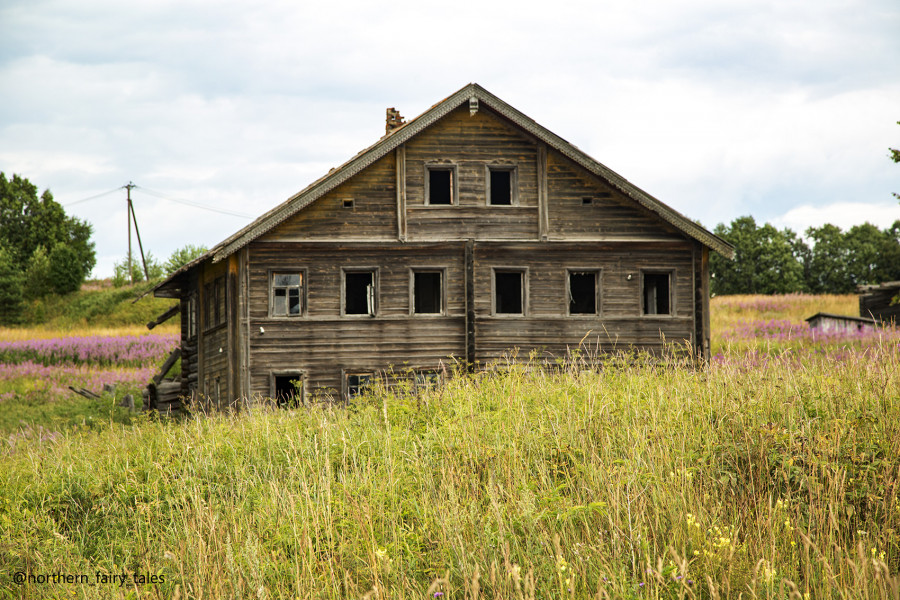
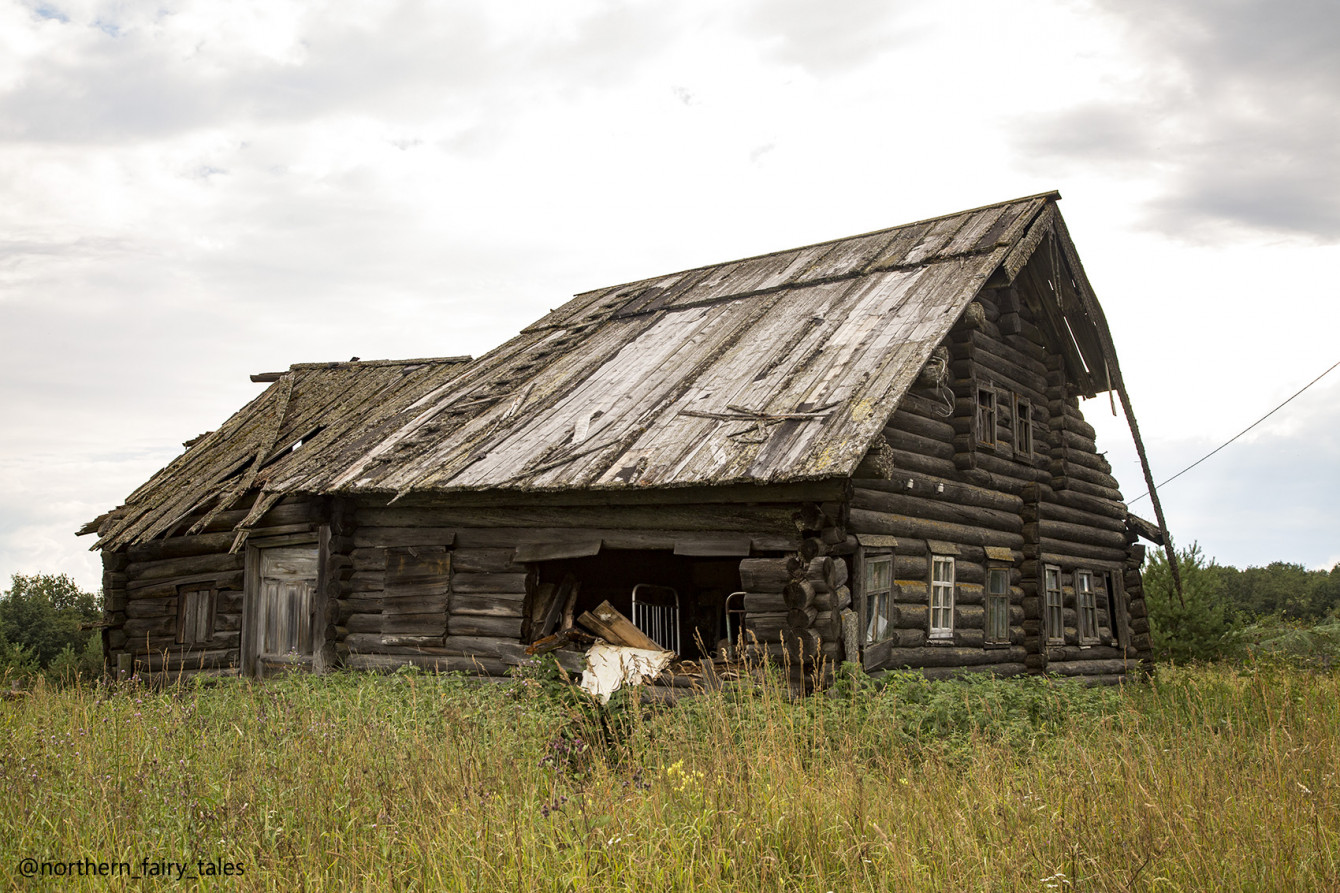
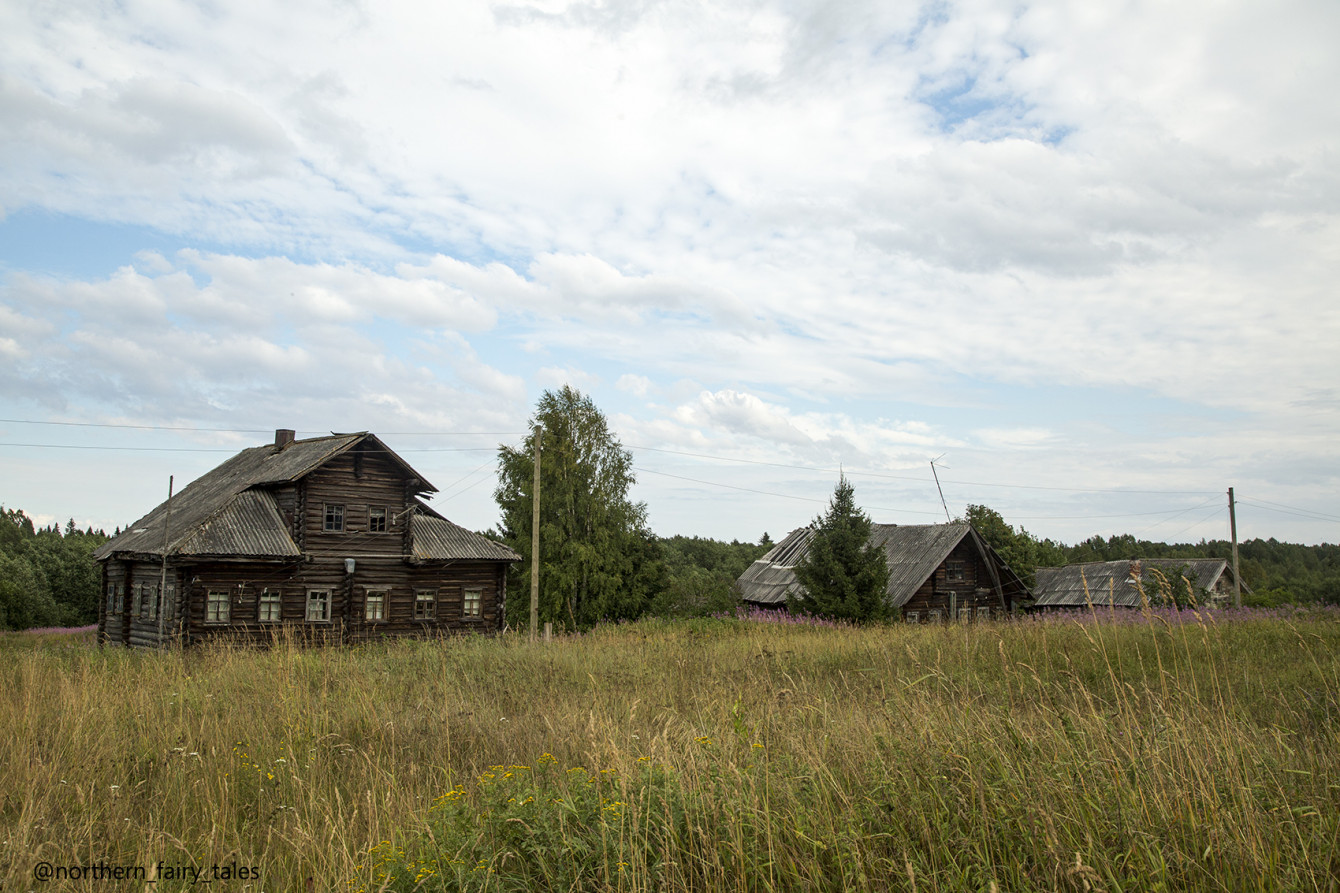
Source: E. Eleonskaya, Toward the Study of Witchcraft and Incantation in Russia. Photographs: the old northern village of Tipinitsy, Zaonezhye
Comments
There are no comments for this article yet. Be the first to comment!