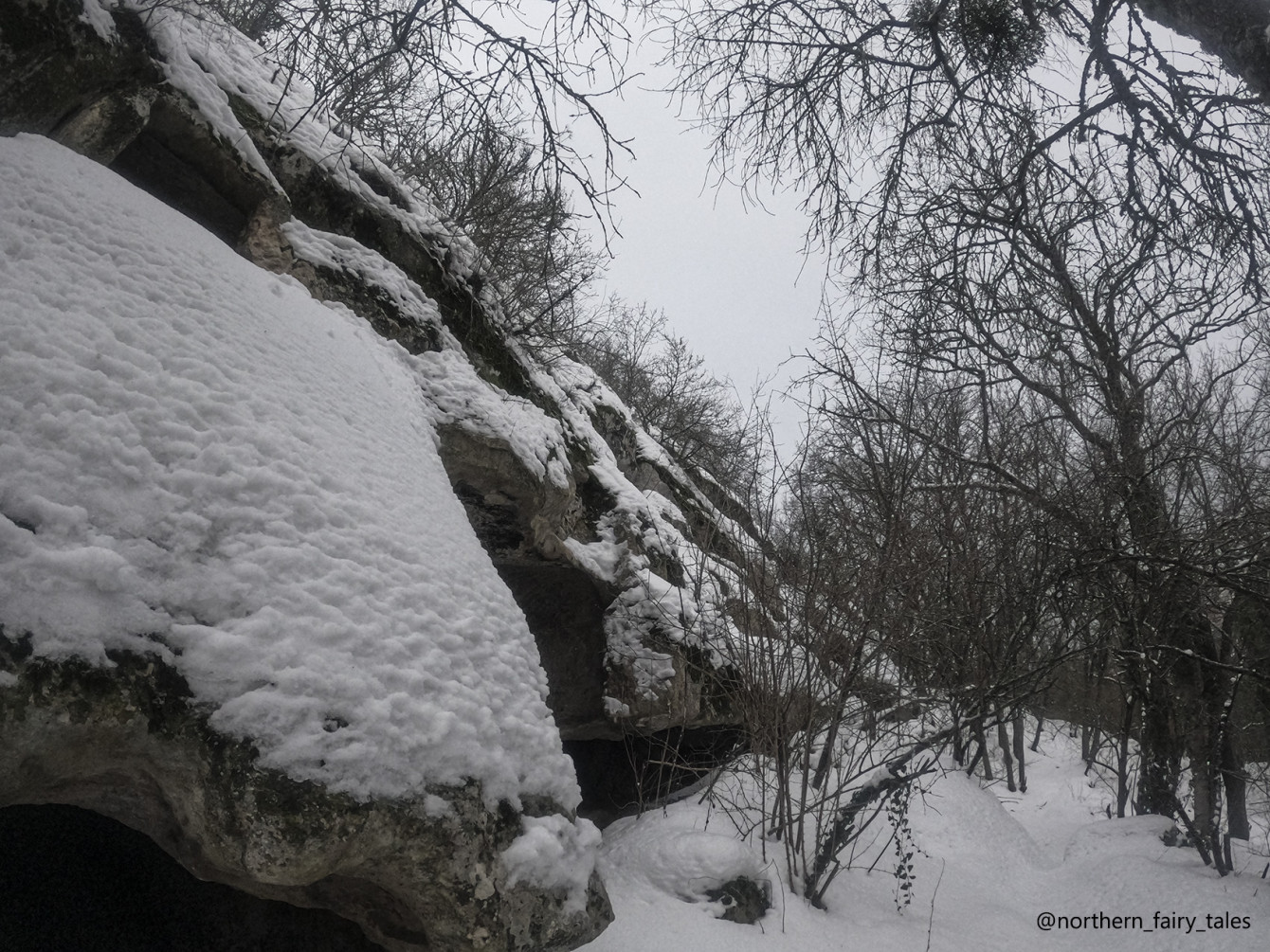
Winter, snow, mountain passes, peaks, a medieval hillfort… Do you think we like that? You don’t even have to ask.
This happened a few years ago, right before the start of those now well-known events across the post-imperial space. It was a clear, fine winter day—and it also happened to be the birthday of one member of our small crew. We felt like marking it with something properly adventurous.
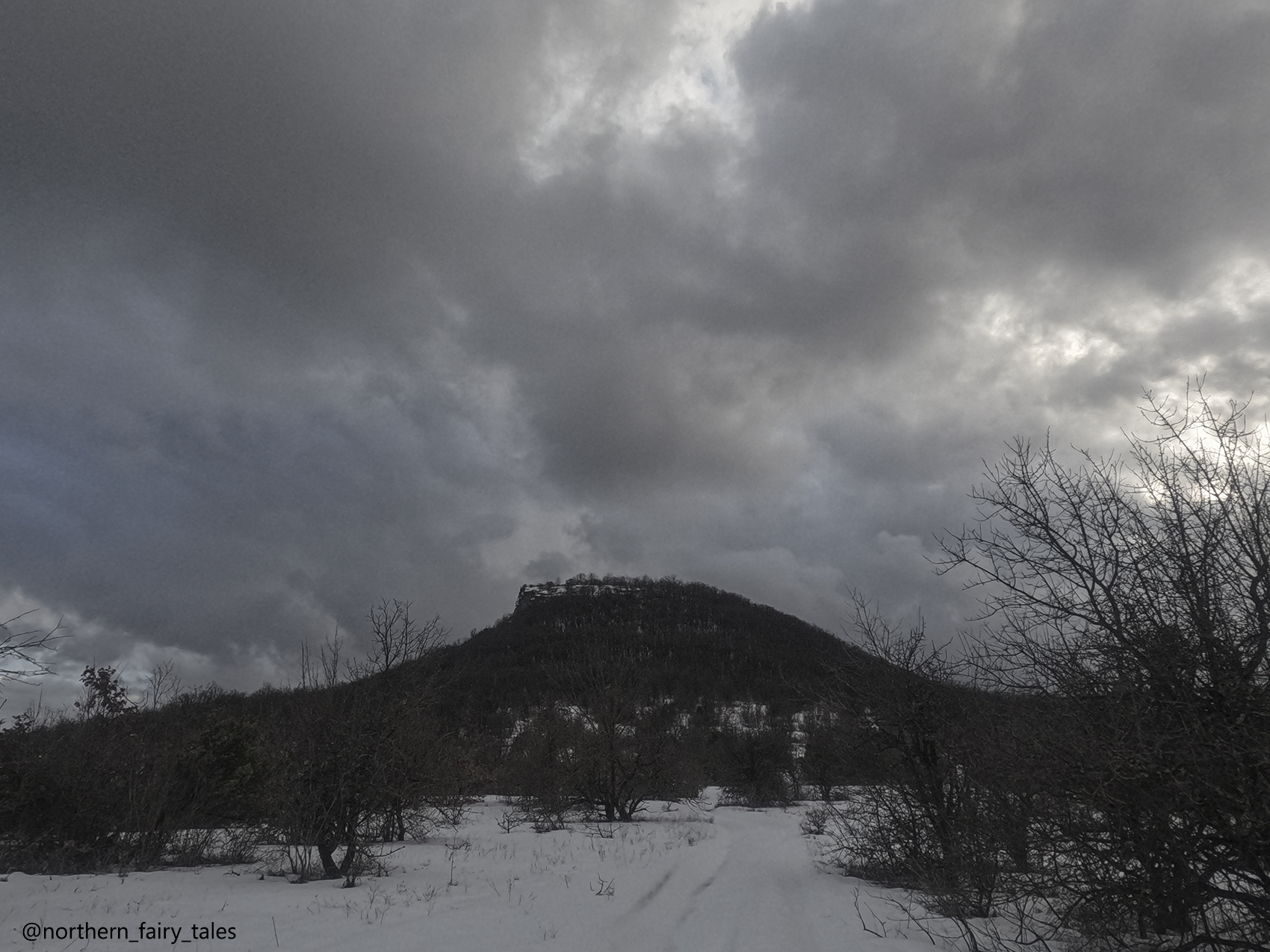
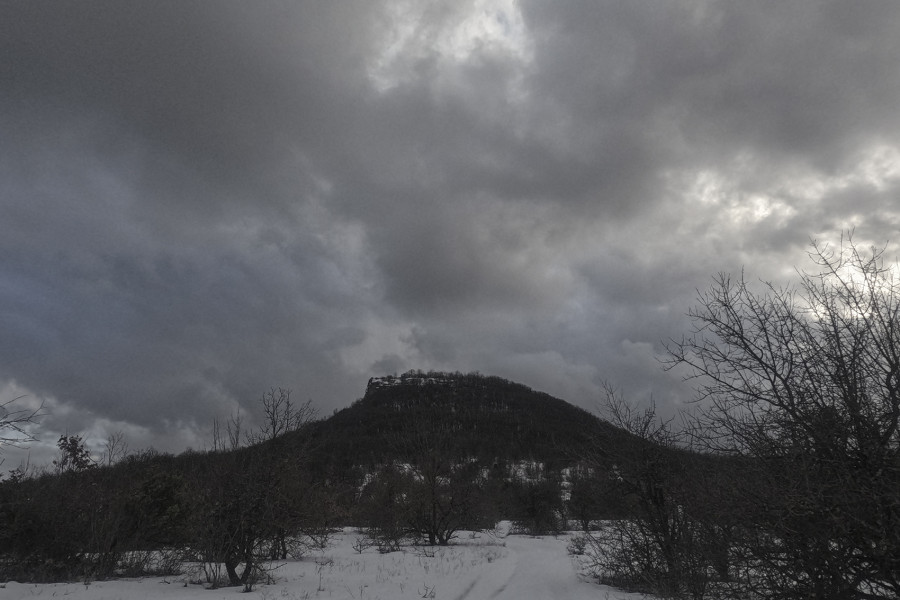
Said and done: a taxi dropped us on the outskirts of Bakhchisaray, and from there we set off on foot, decisively, toward Tepe-Kermen—an isolated rock and the hillfort that shares its name, which in Crimean Tatar means “Fortress on the Mountain.” It rises 544 meters above sea level.
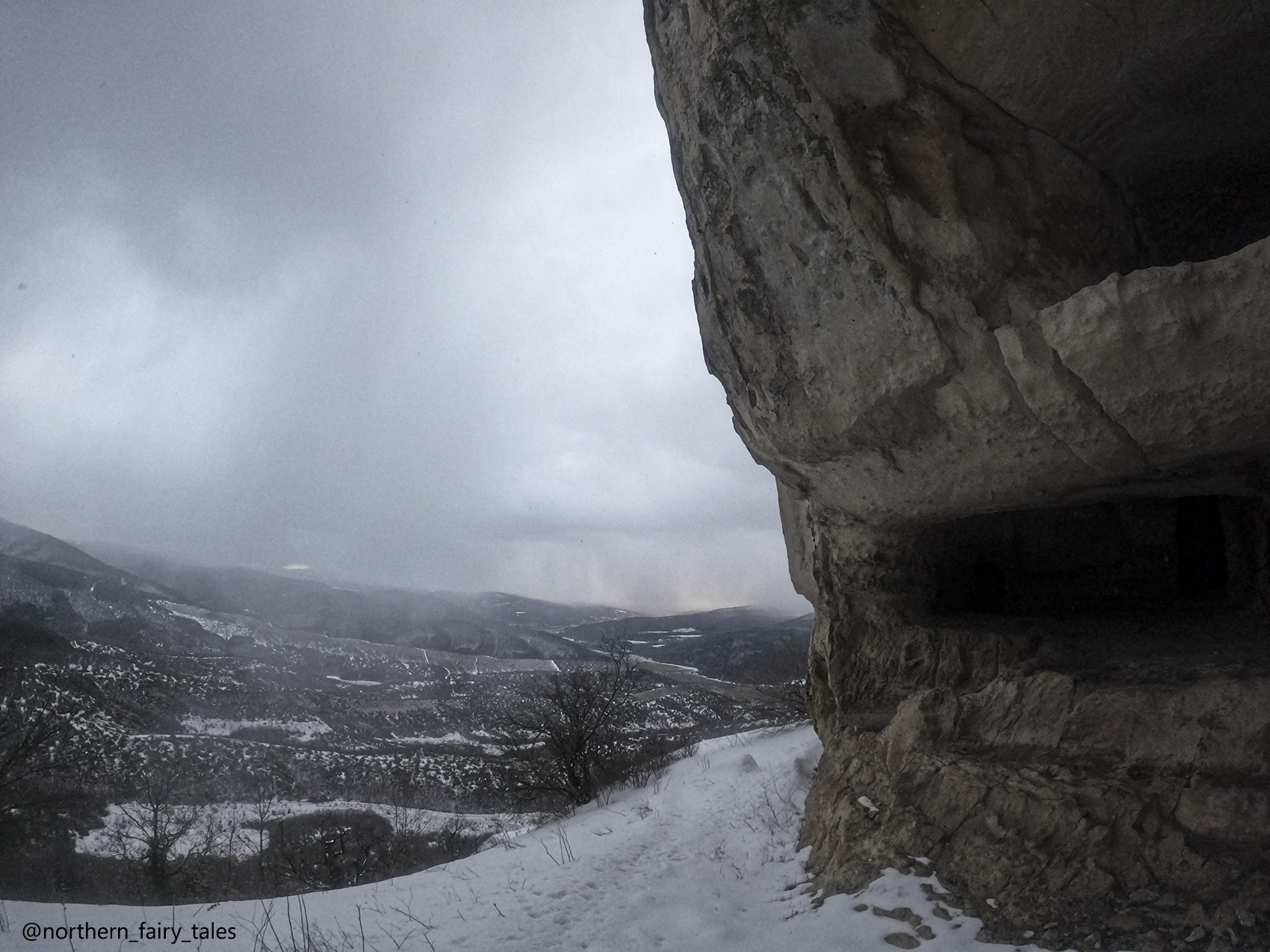
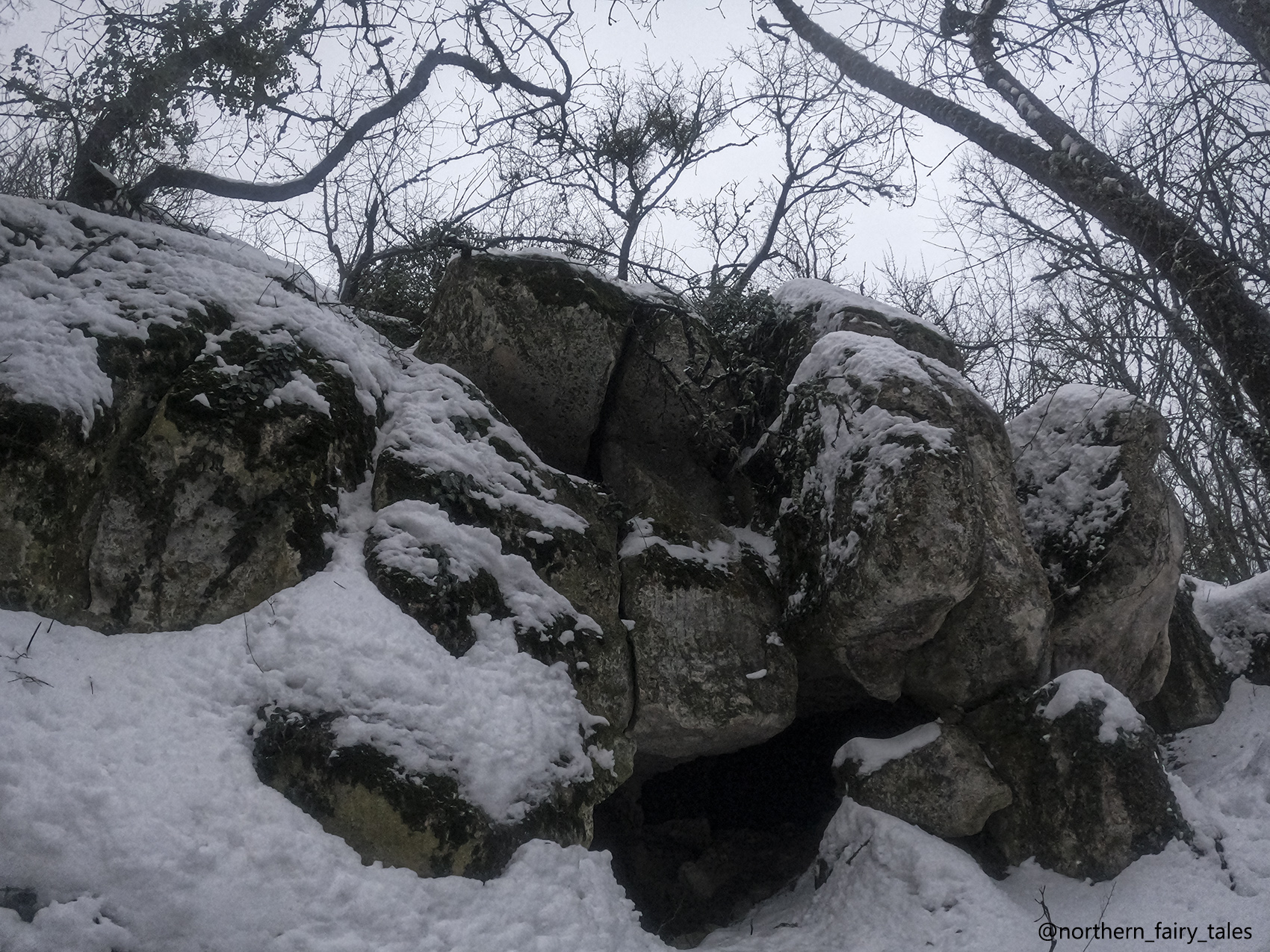
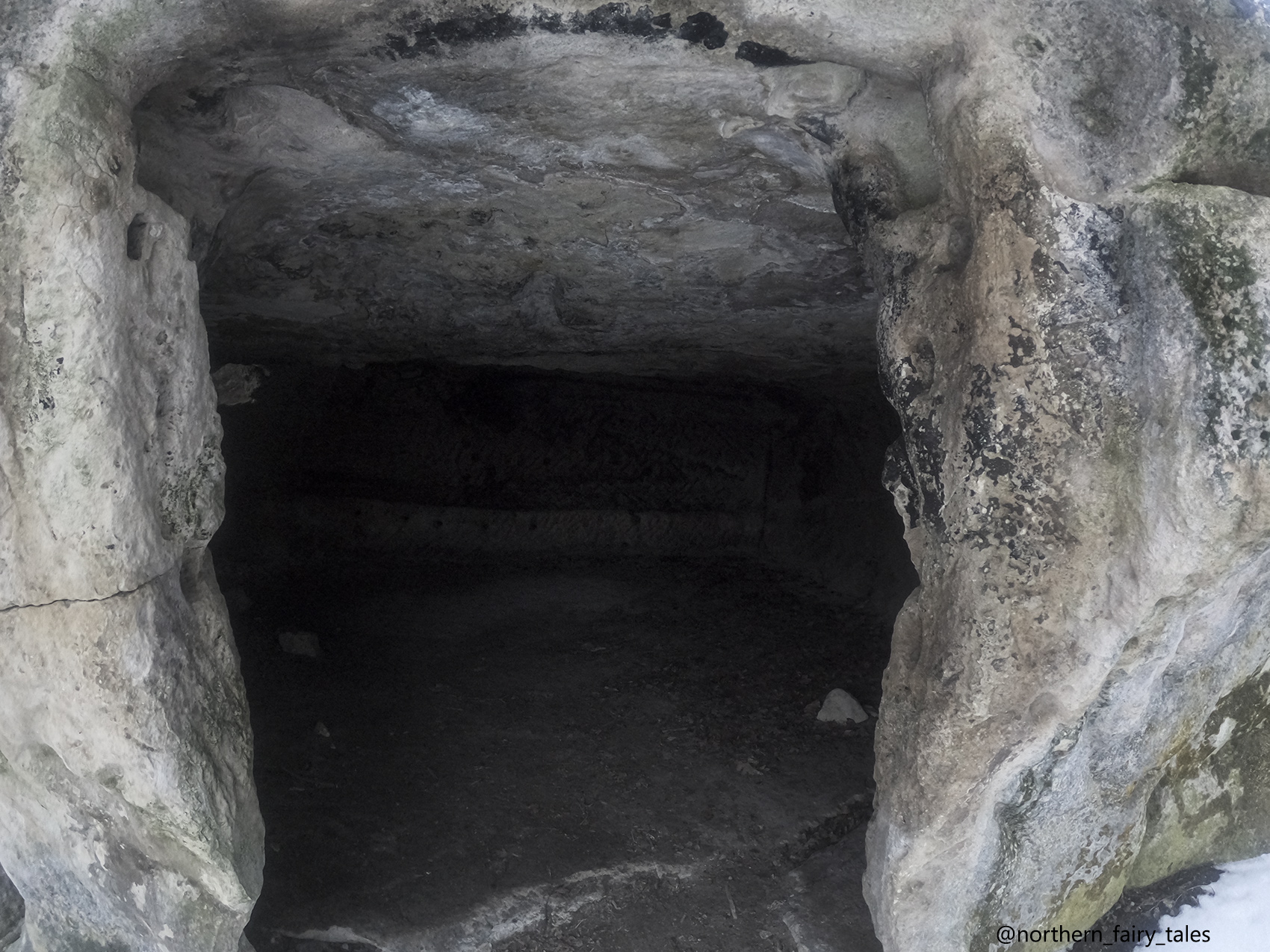
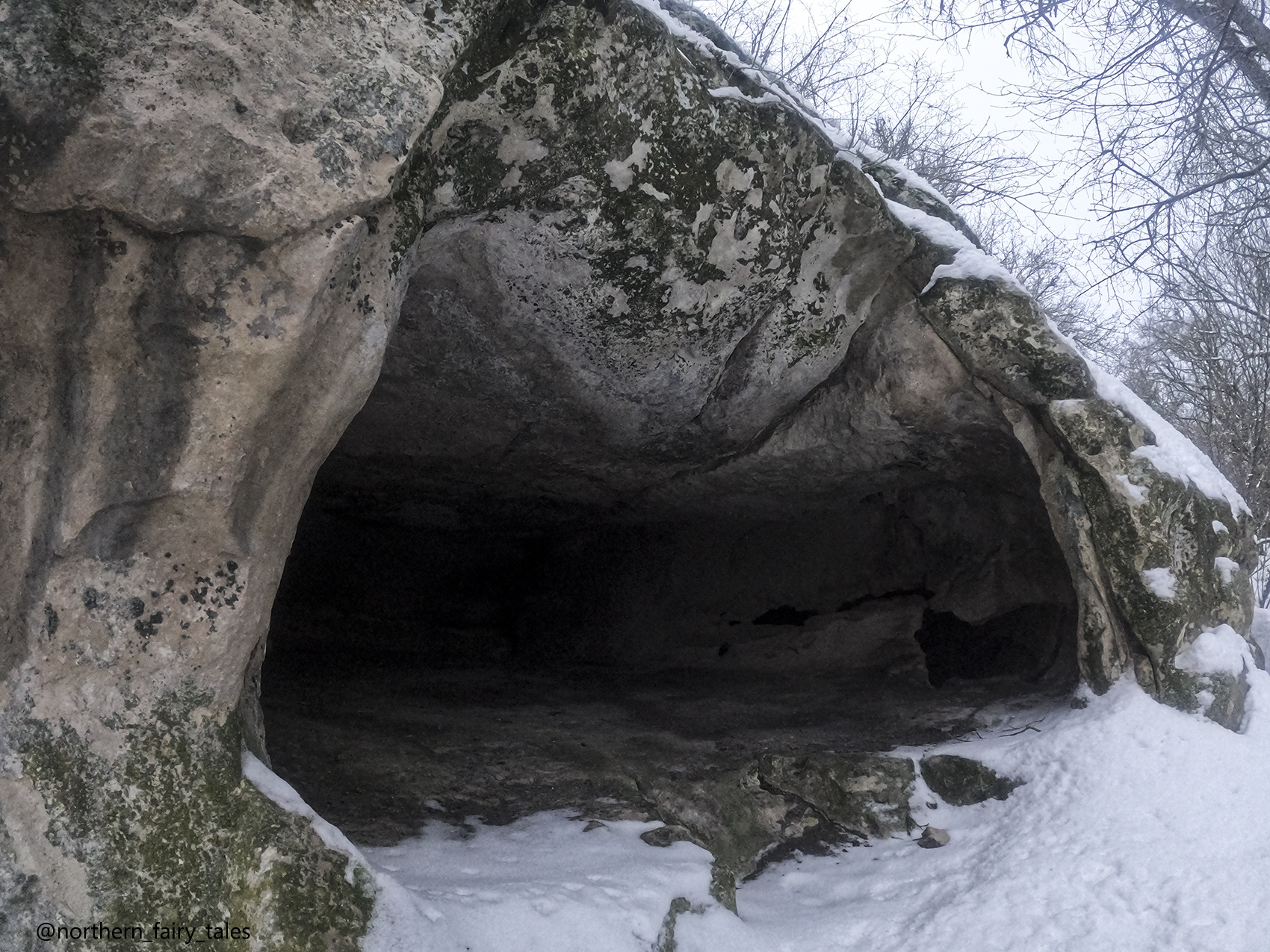
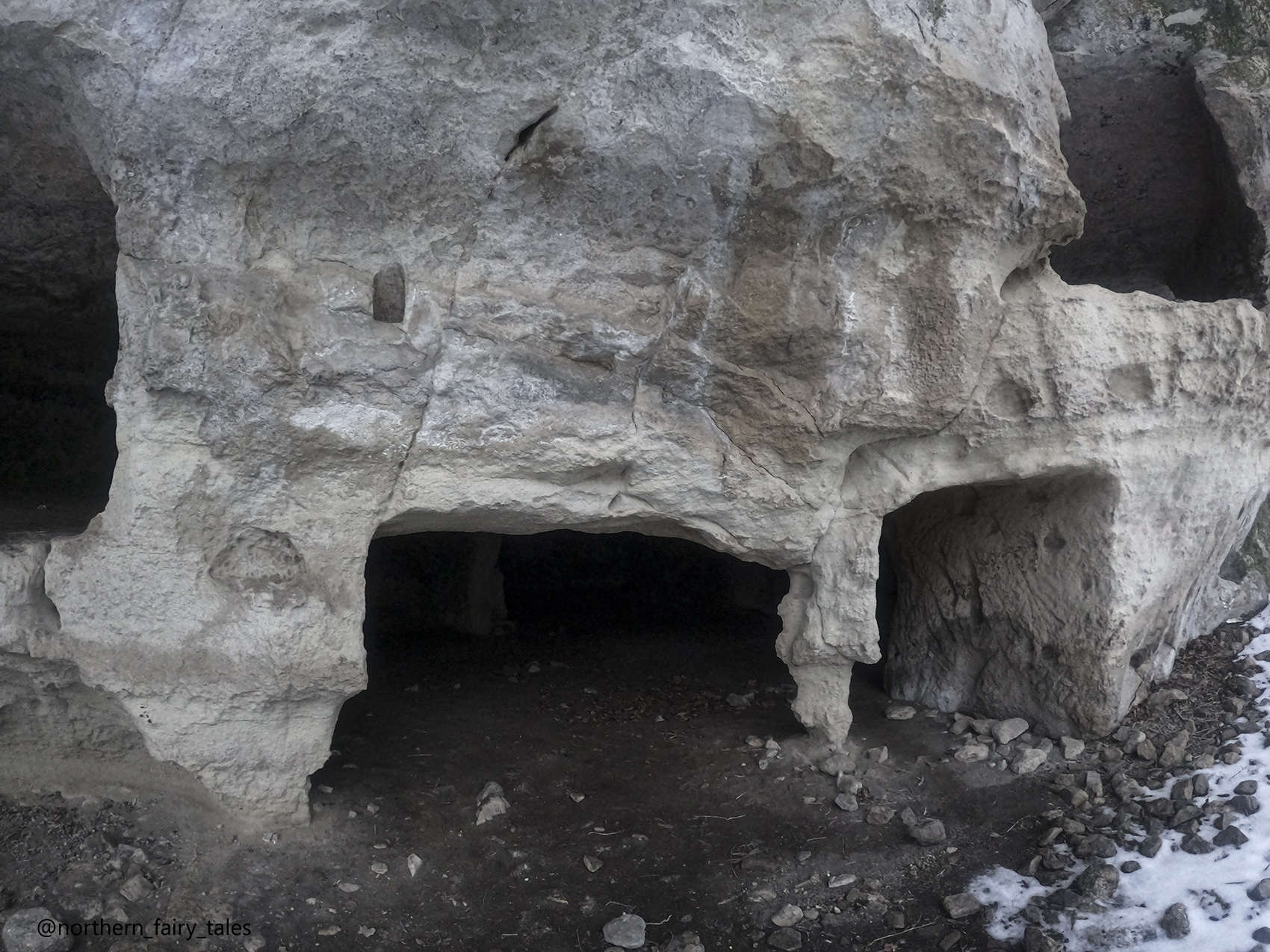
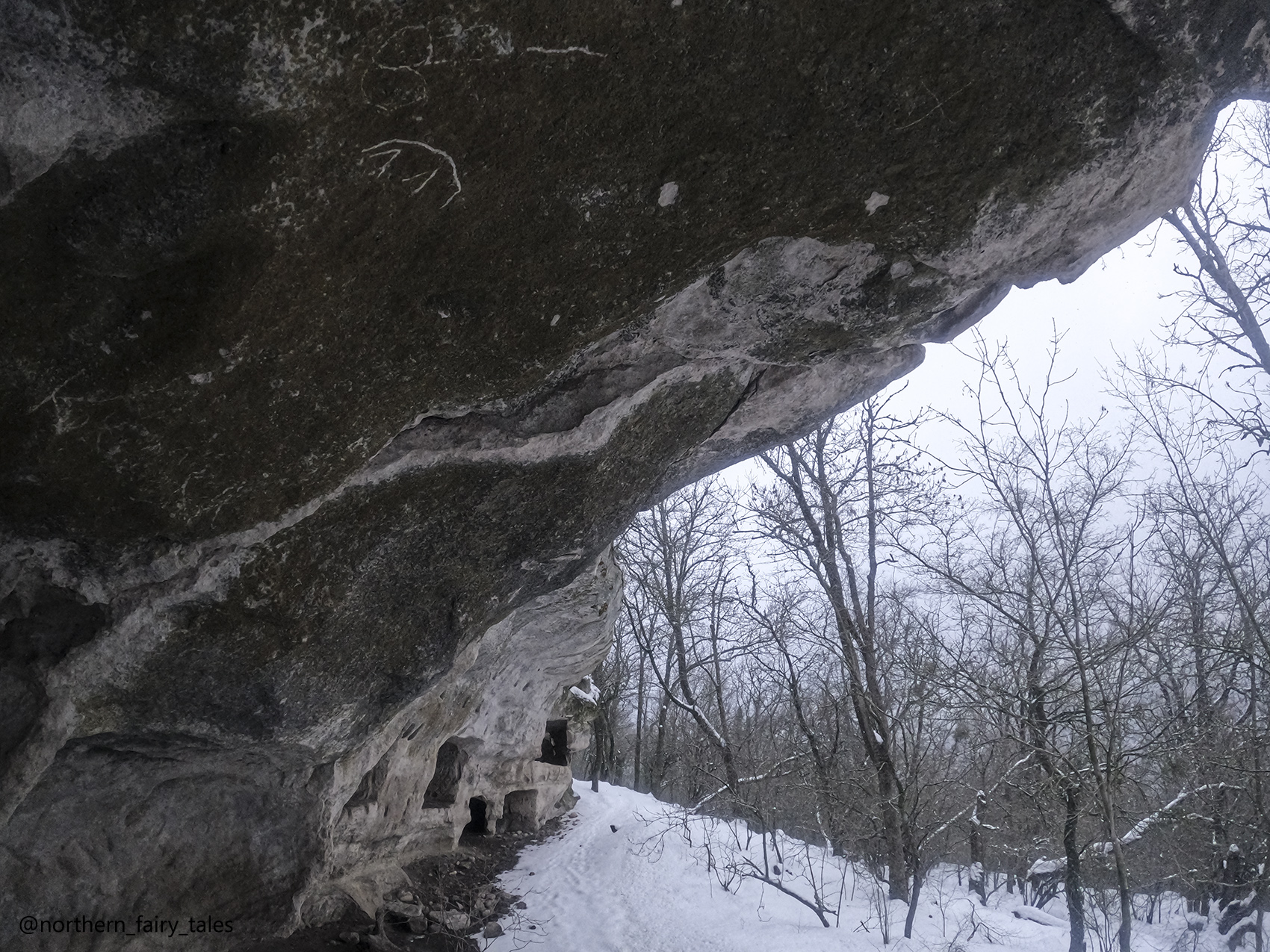
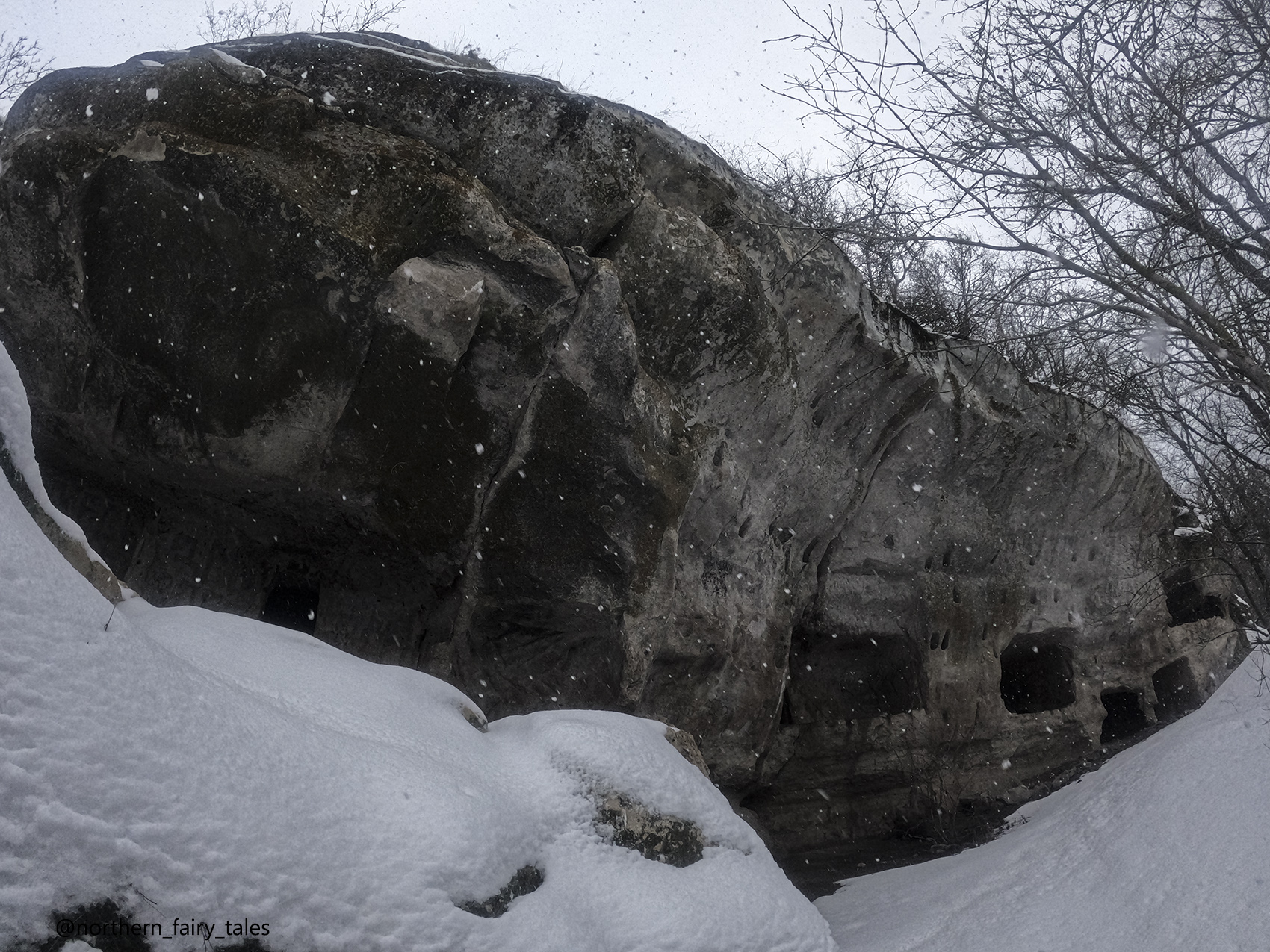
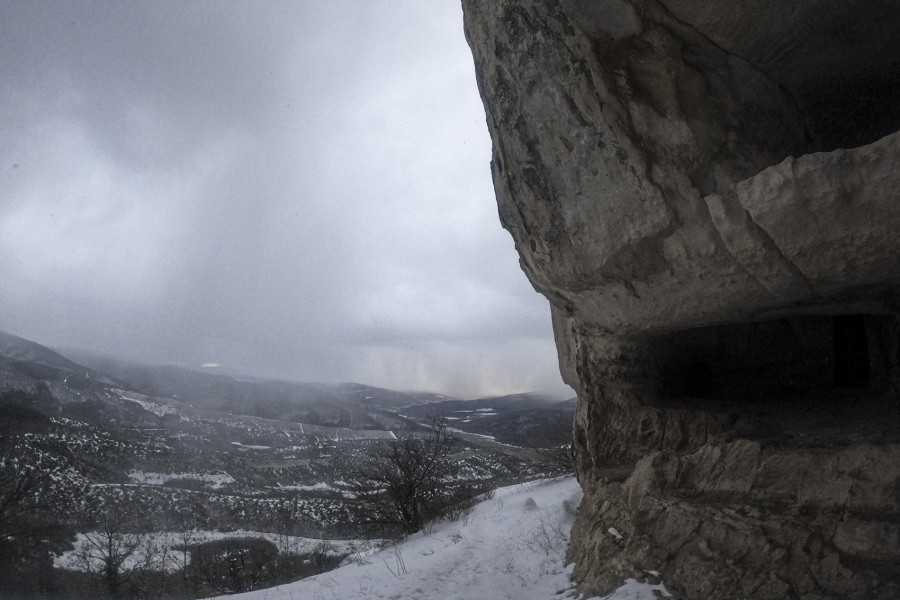
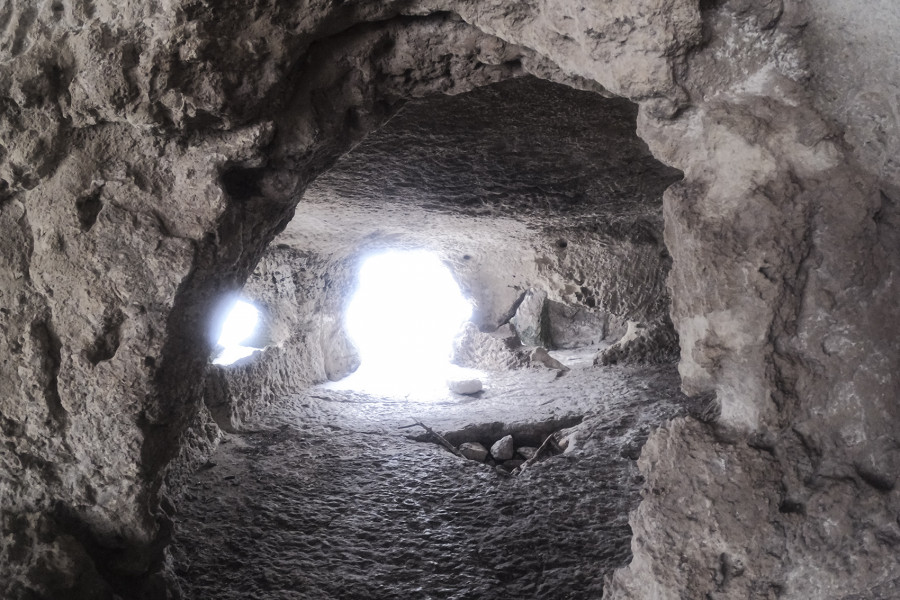
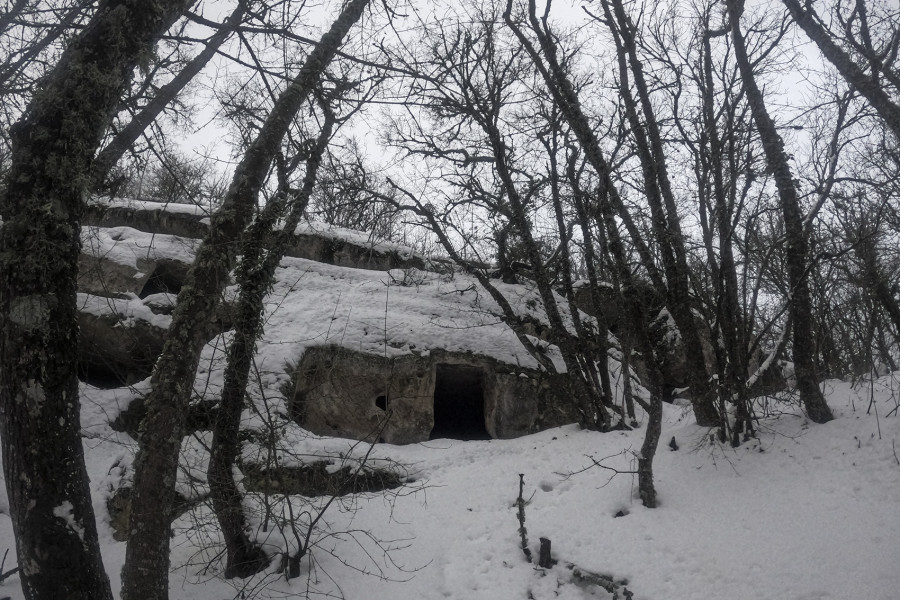
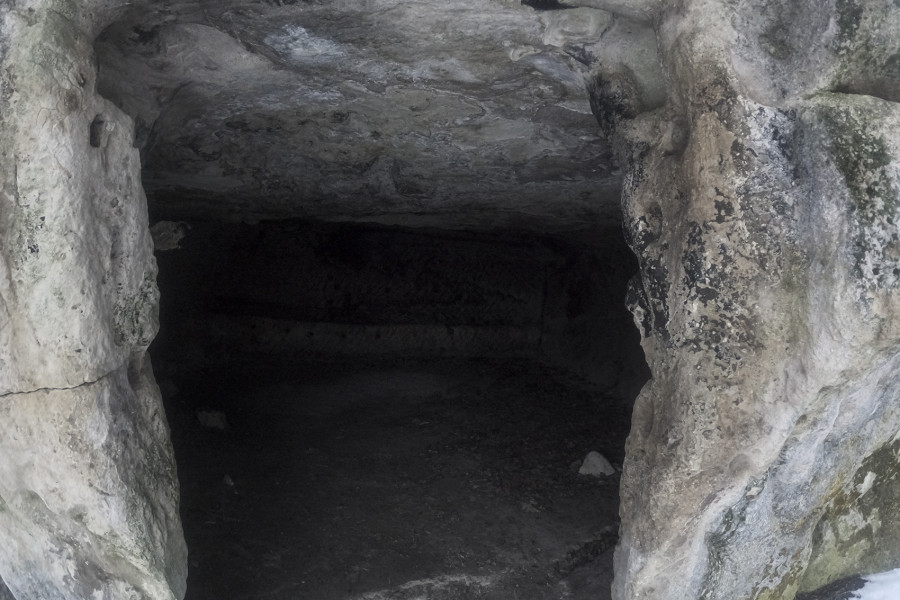
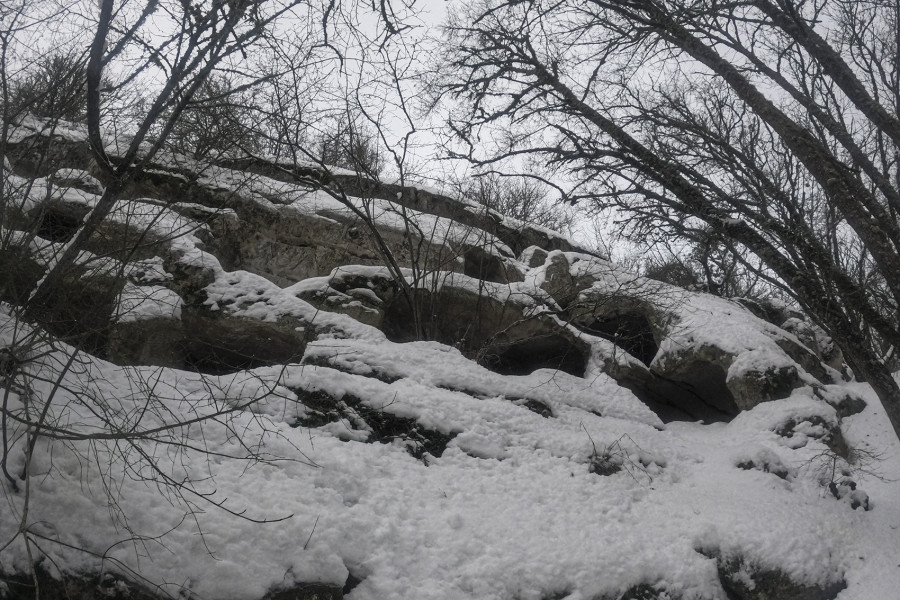
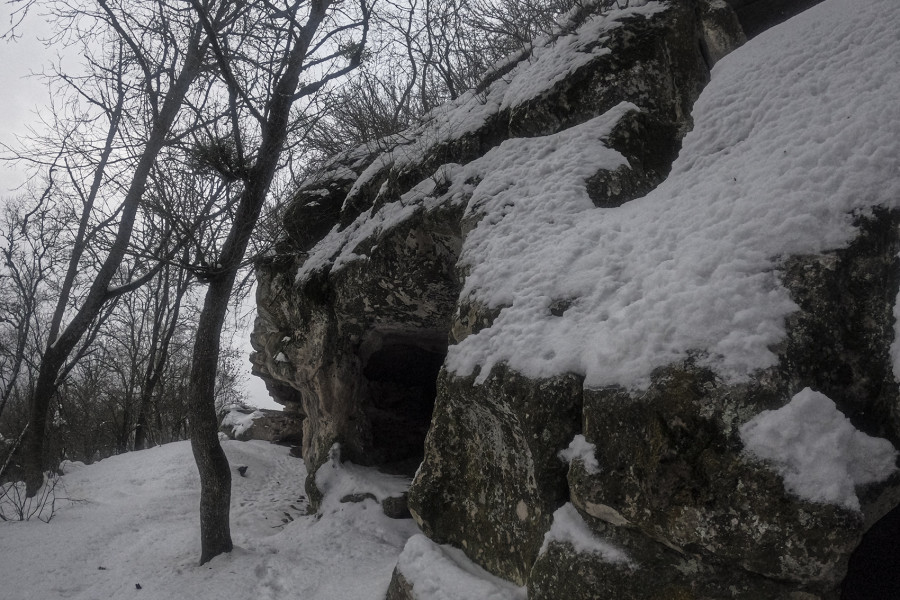
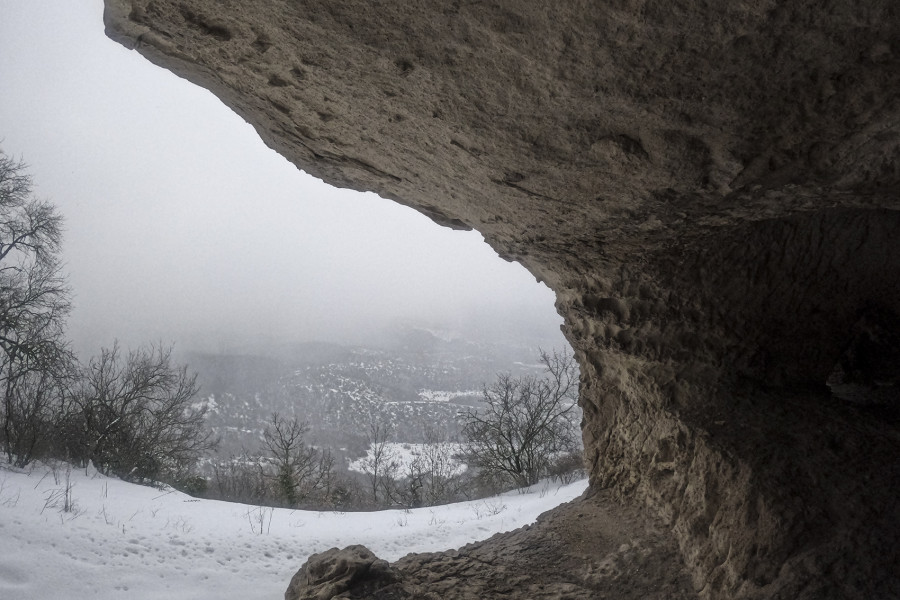
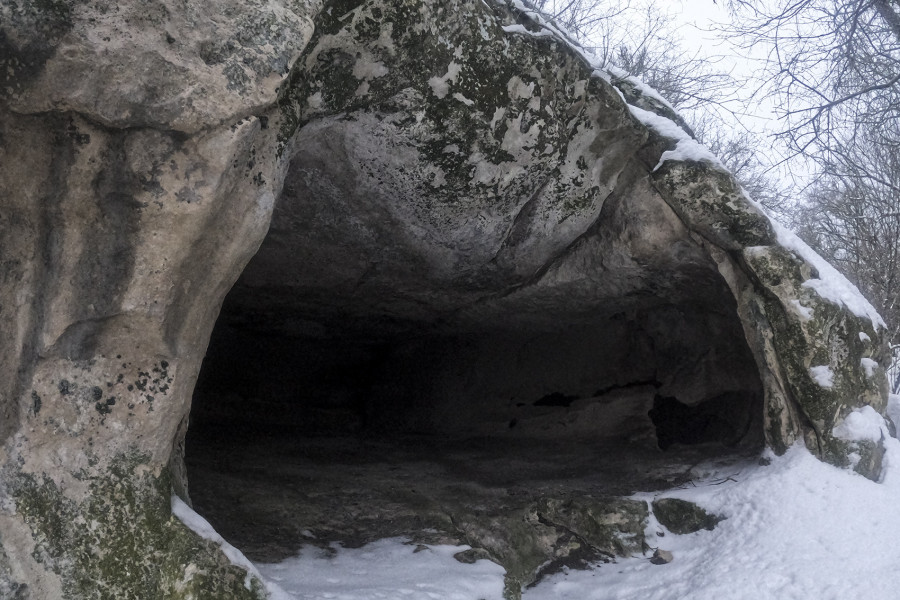
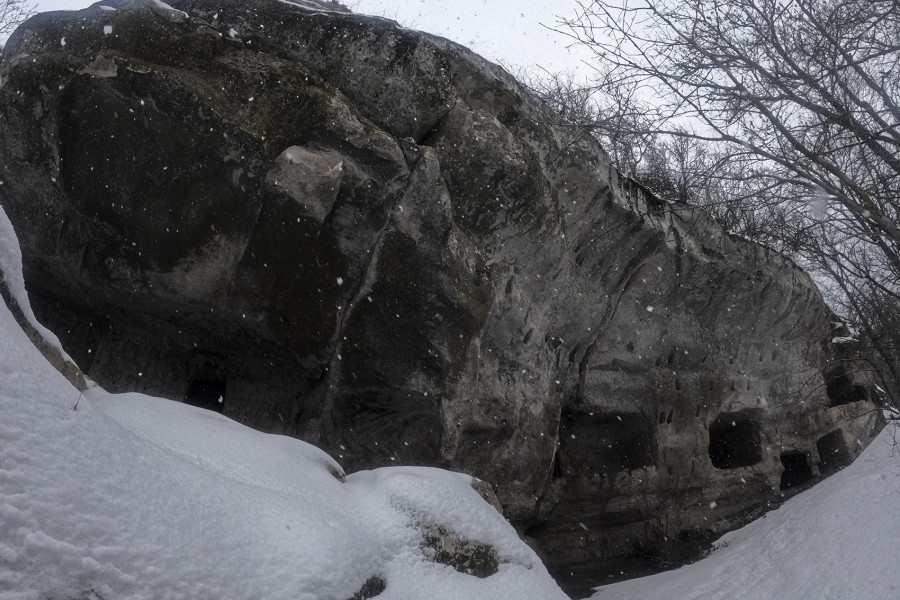
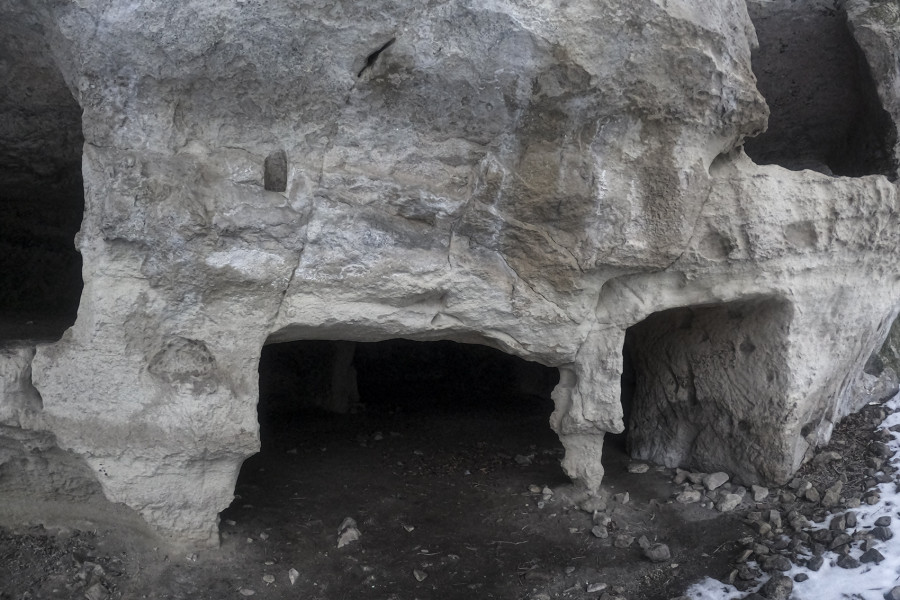
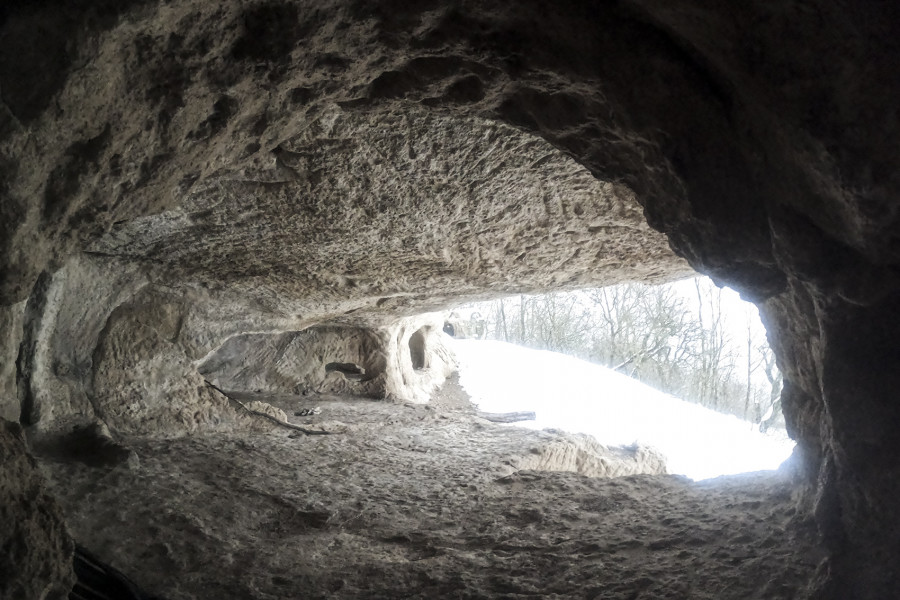
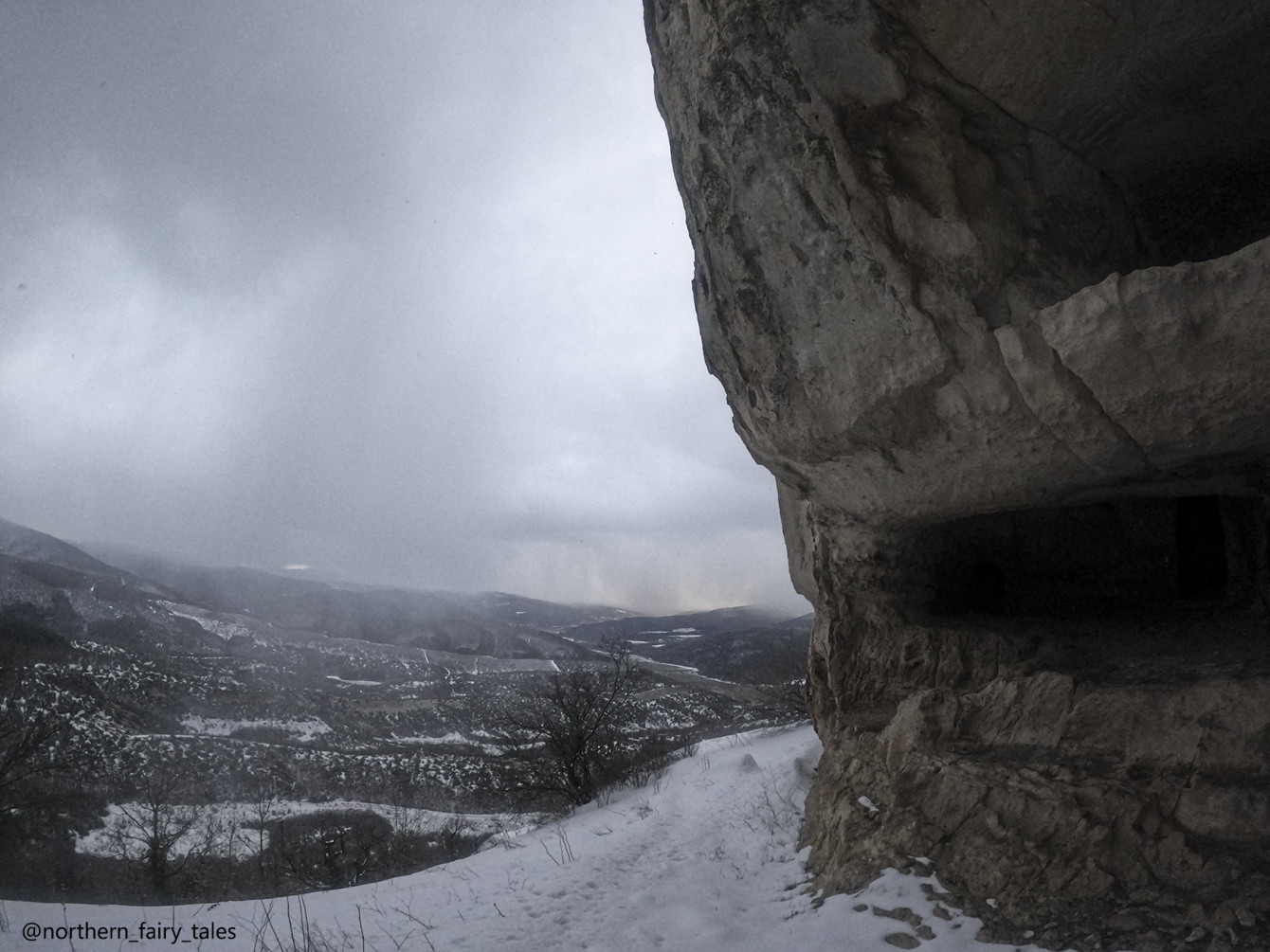
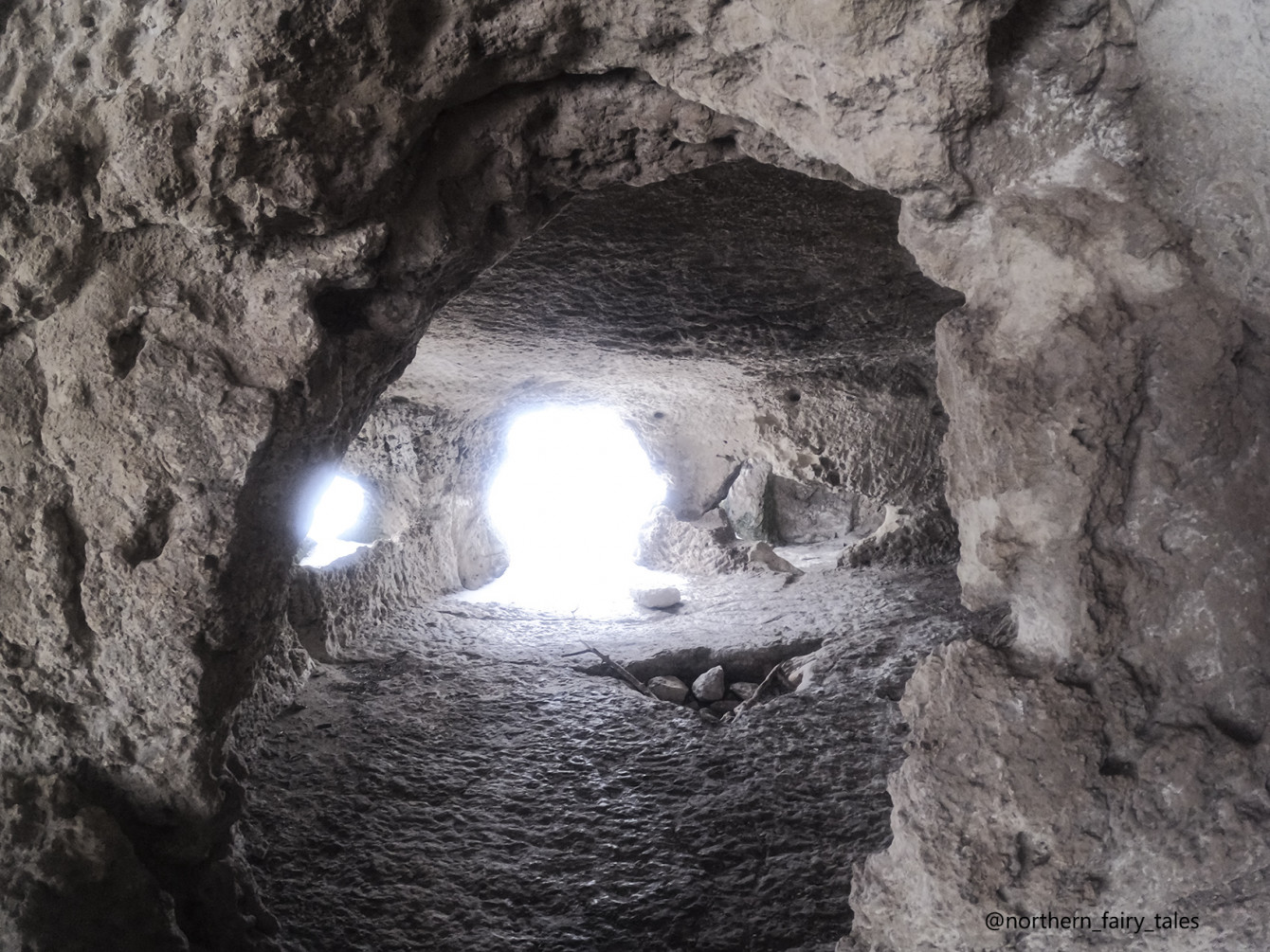
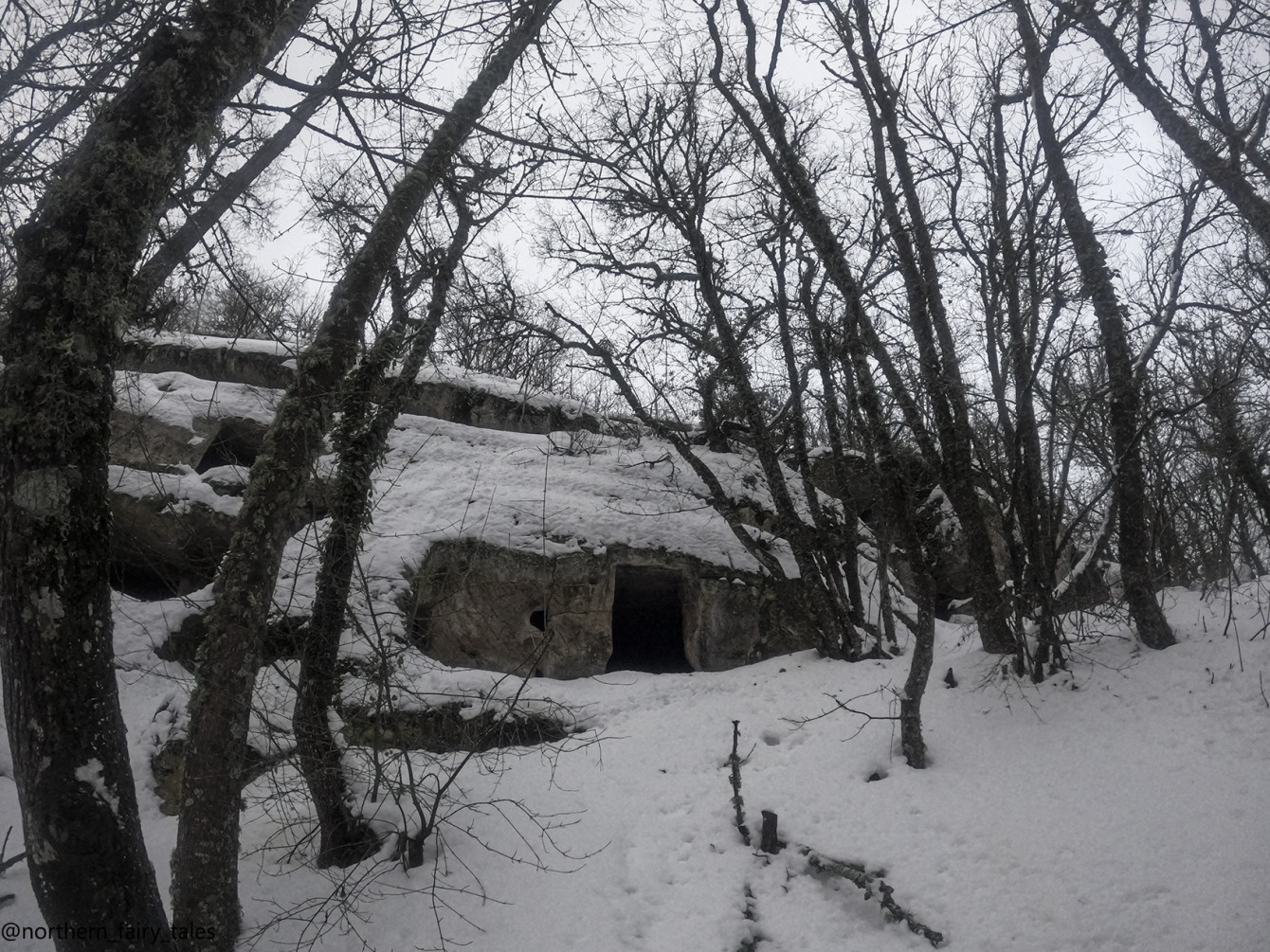
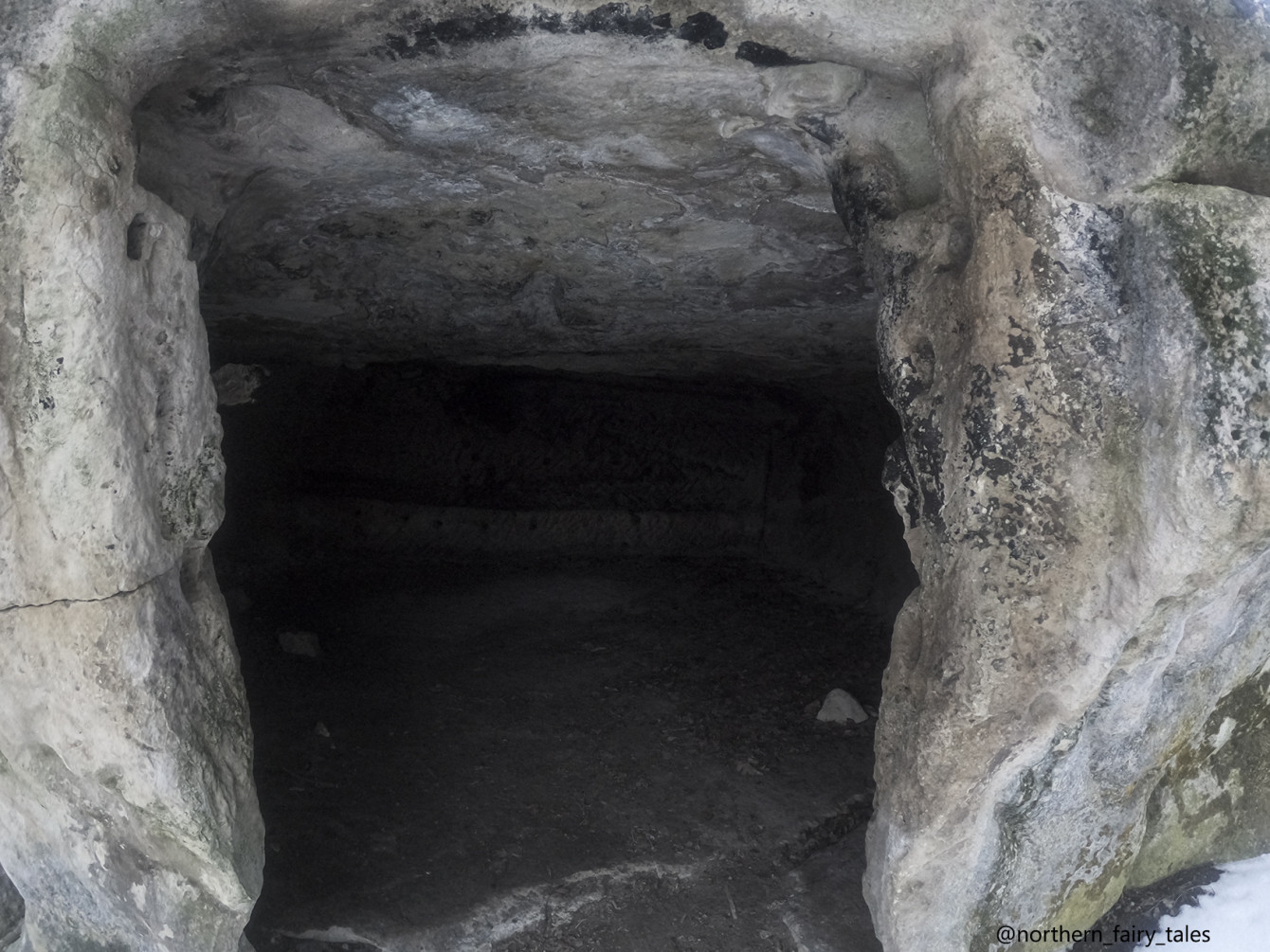
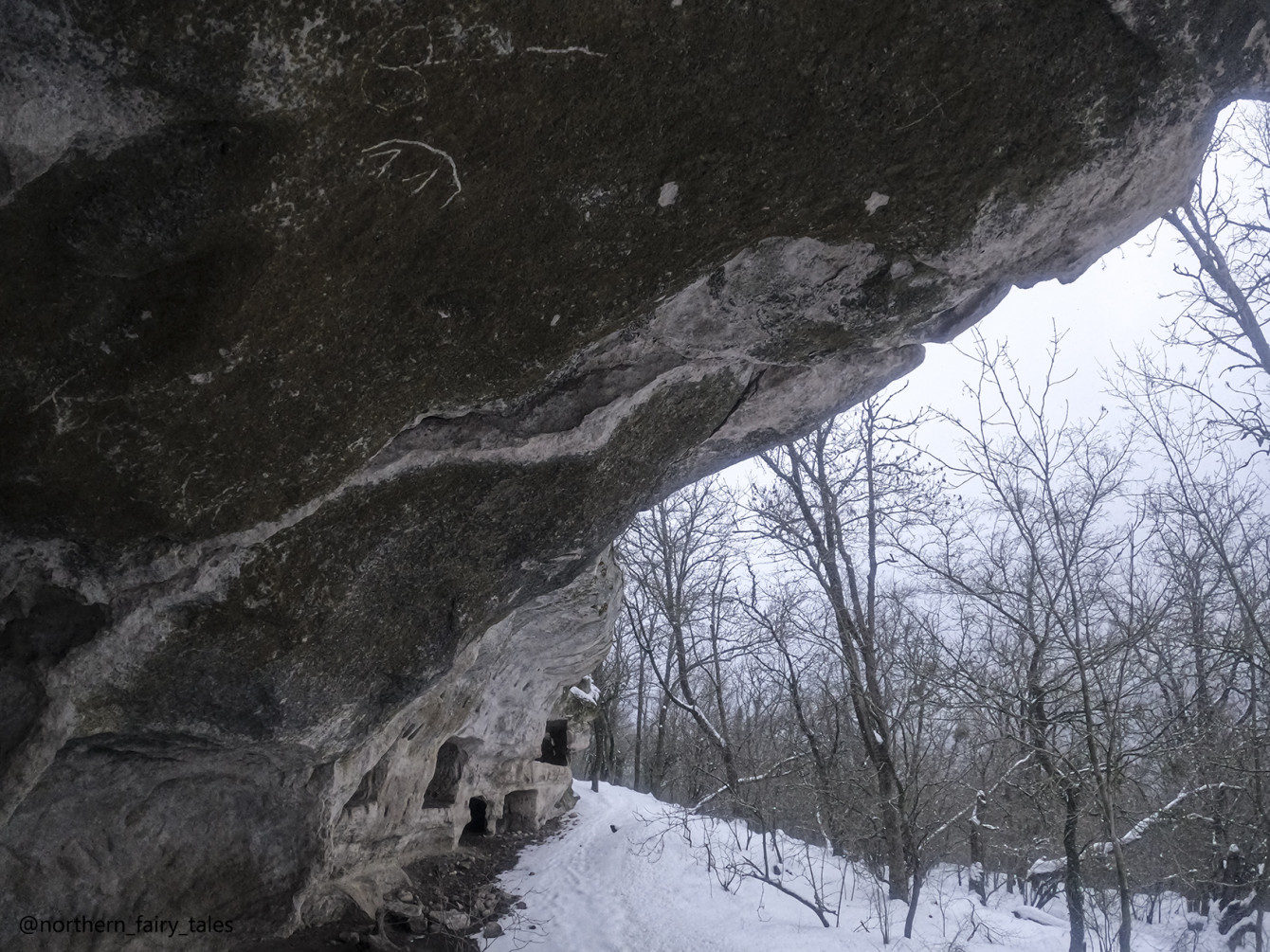
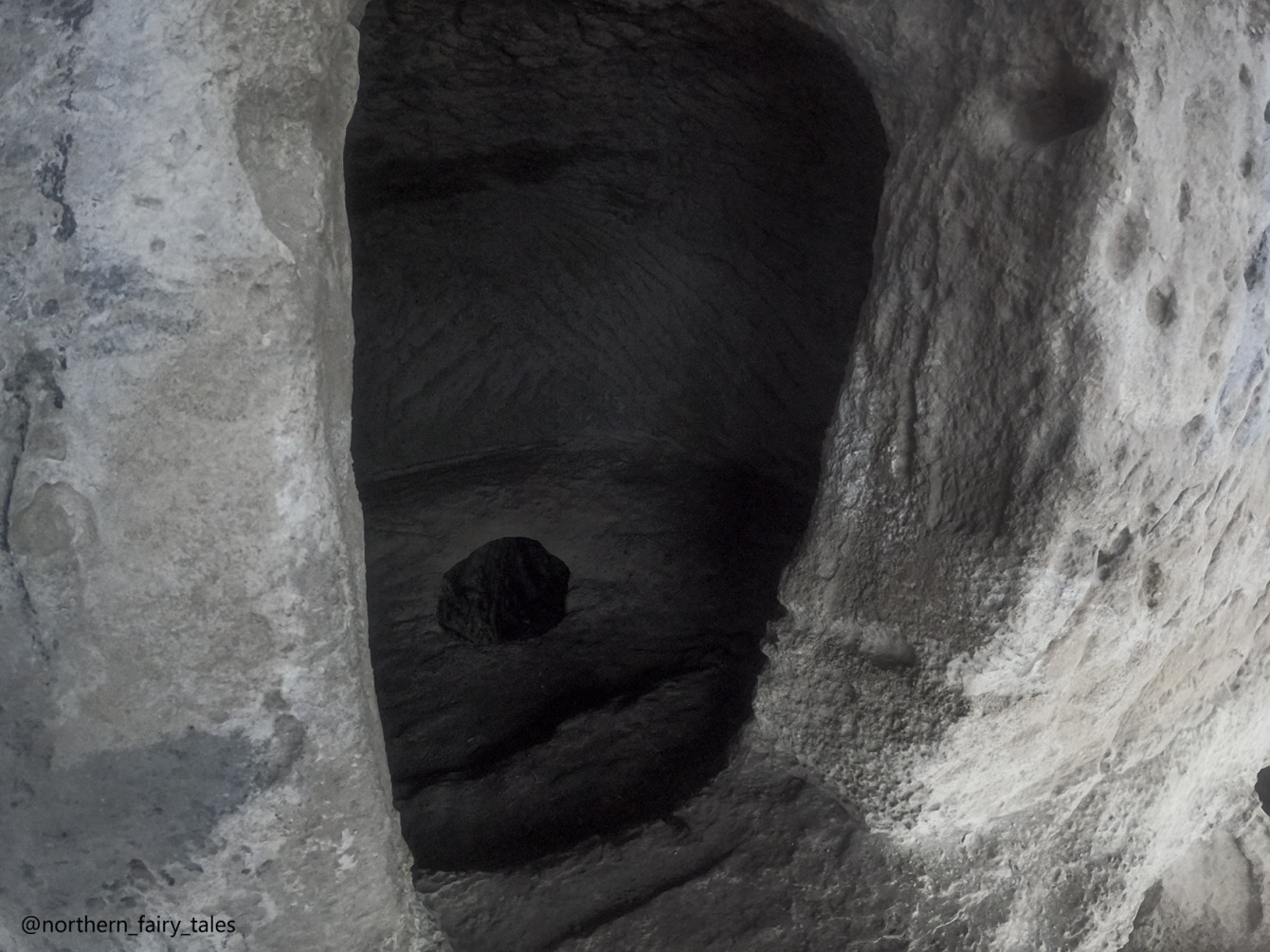
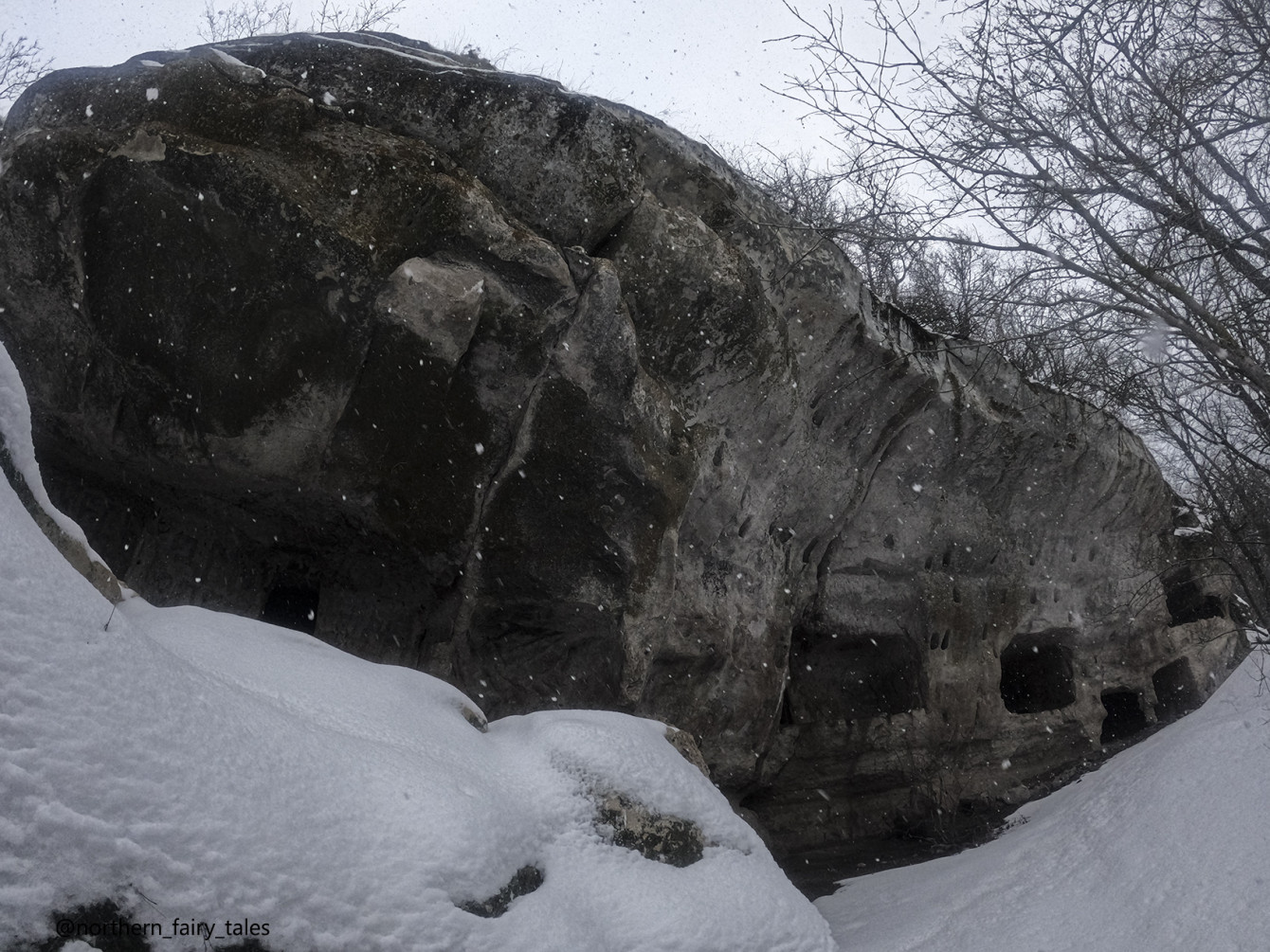
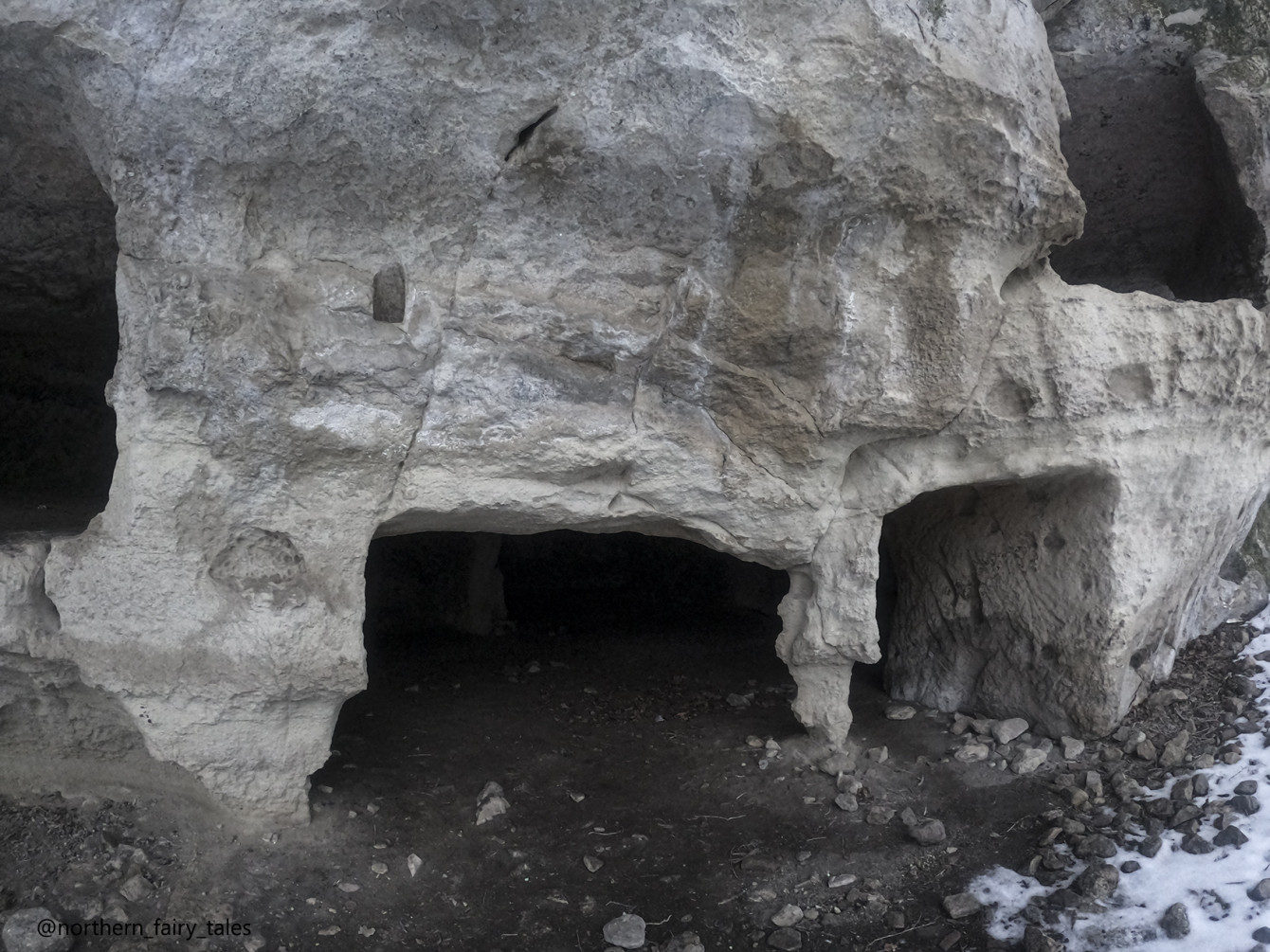
This ancient fortress-settlement emerged in the early Middle Ages—around the 5th or 6th century—built by the Byzantines and destroyed at the very end of the 13th century by the Golden Horde. Even now it still towers over the surrounding land. And there is a lot up there: hundreds of man-made caves, a church with a baptistery, ancient tombs and burial chambers. Crimea is full of all sorts of fortresses and hillforts, but Tepe-Kermen is fairly isolated—and, most importantly, (so far?) spared any administrative oversight or attempts at “improvement.” Exactly the kind of wildness we have a weakness for.
All told, we were looking at just under 15 kilometers—practically nothing. But it turned out to be anything but an easy, pleasant walk, thanks to our own carelessness, slackness, and the way that deceptive southern winter warmth can lull you into complacency.
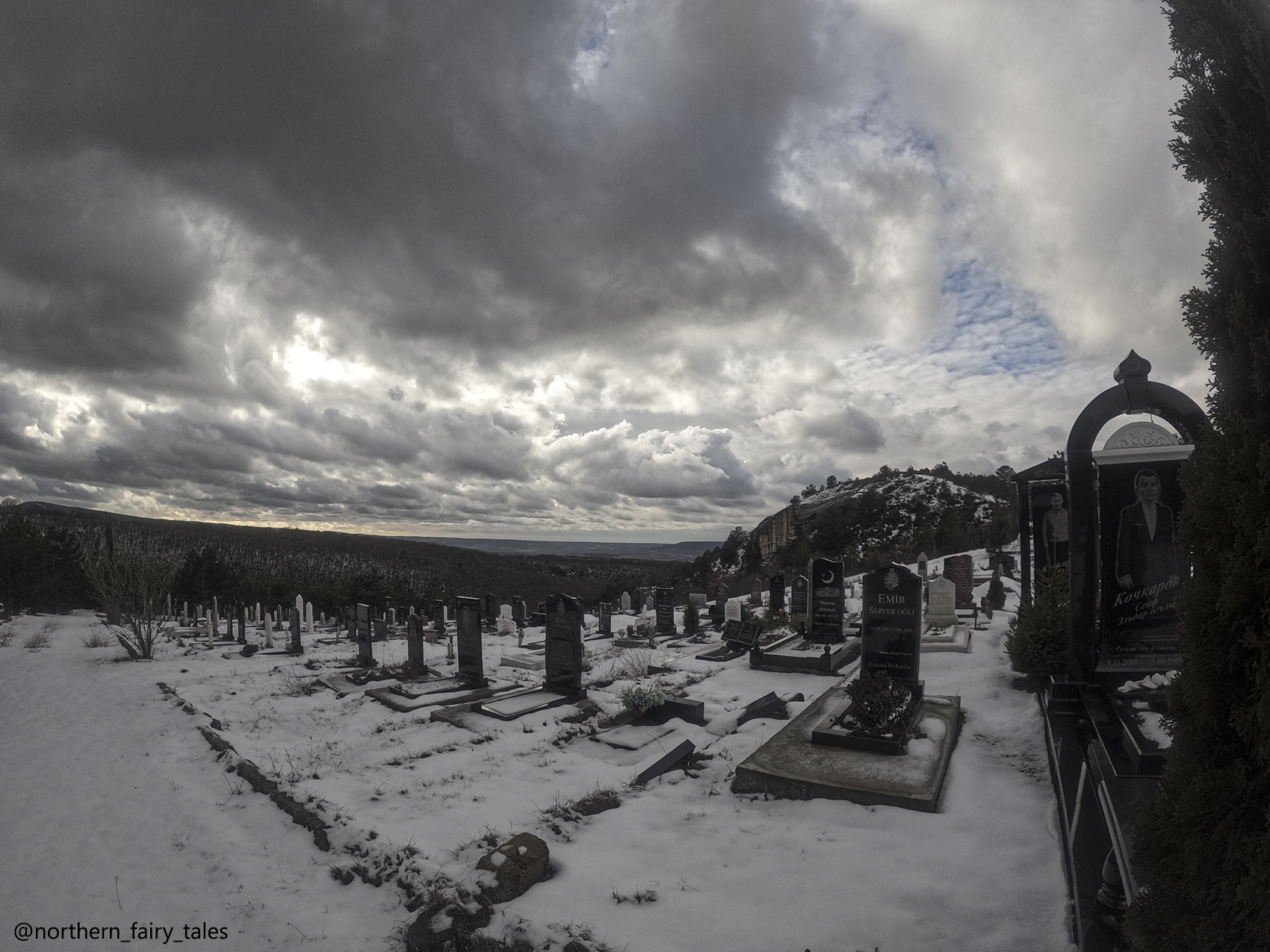
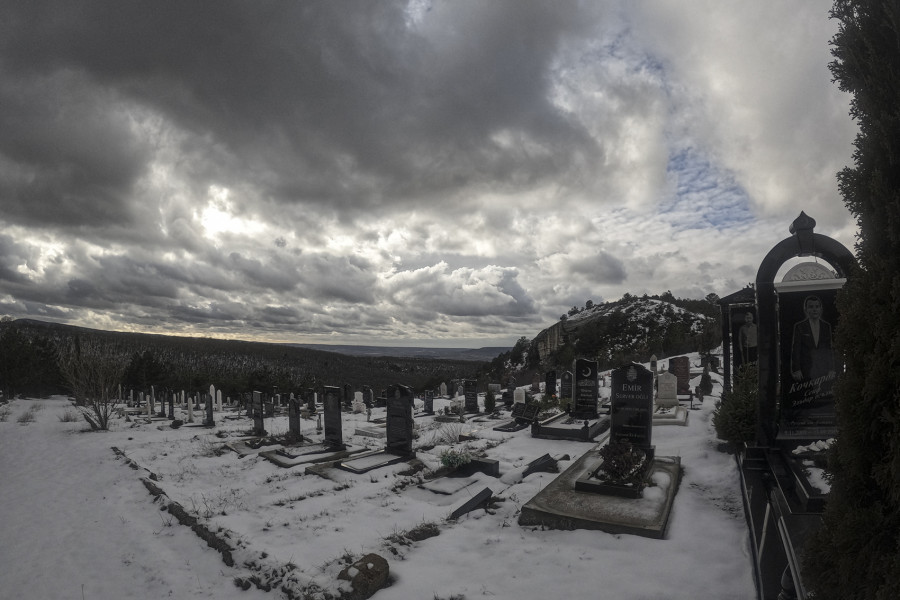
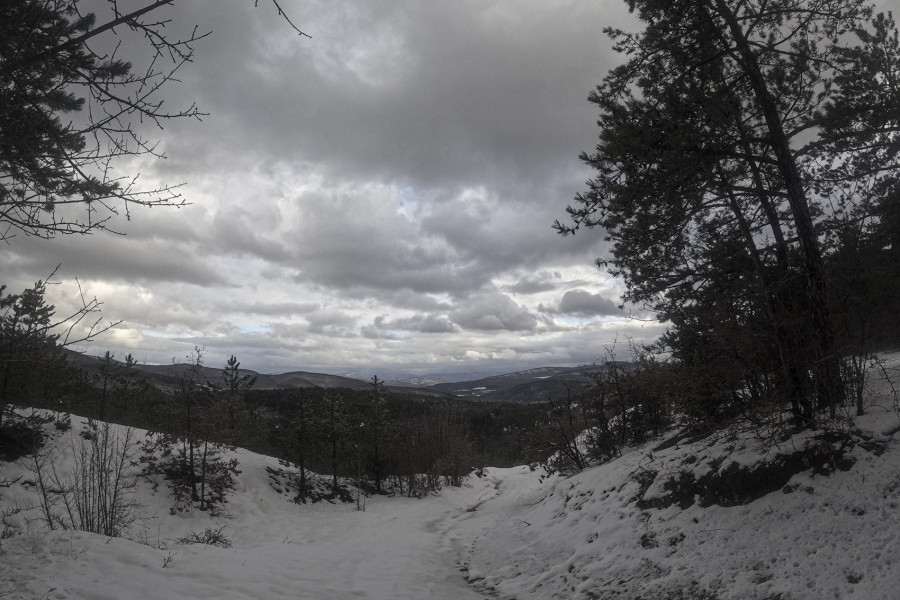
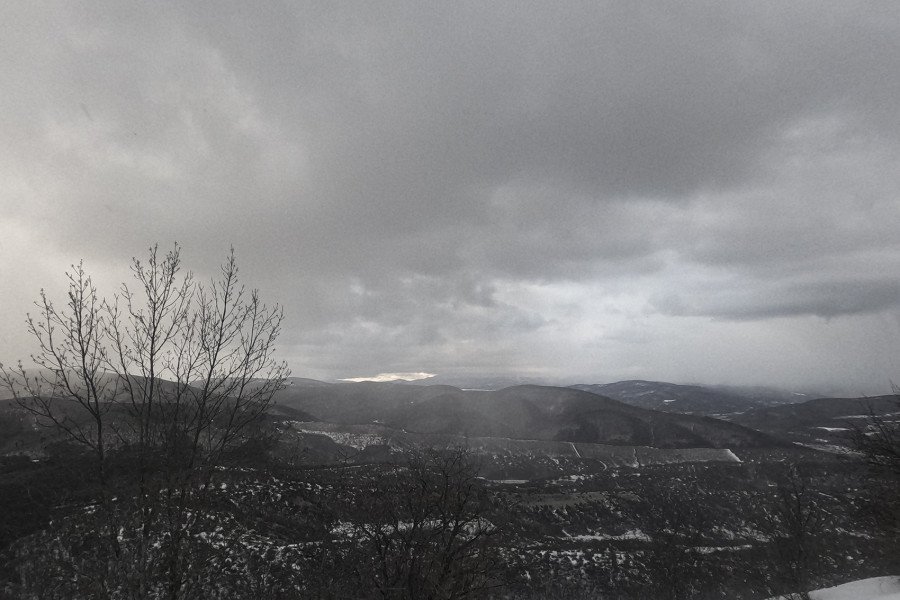
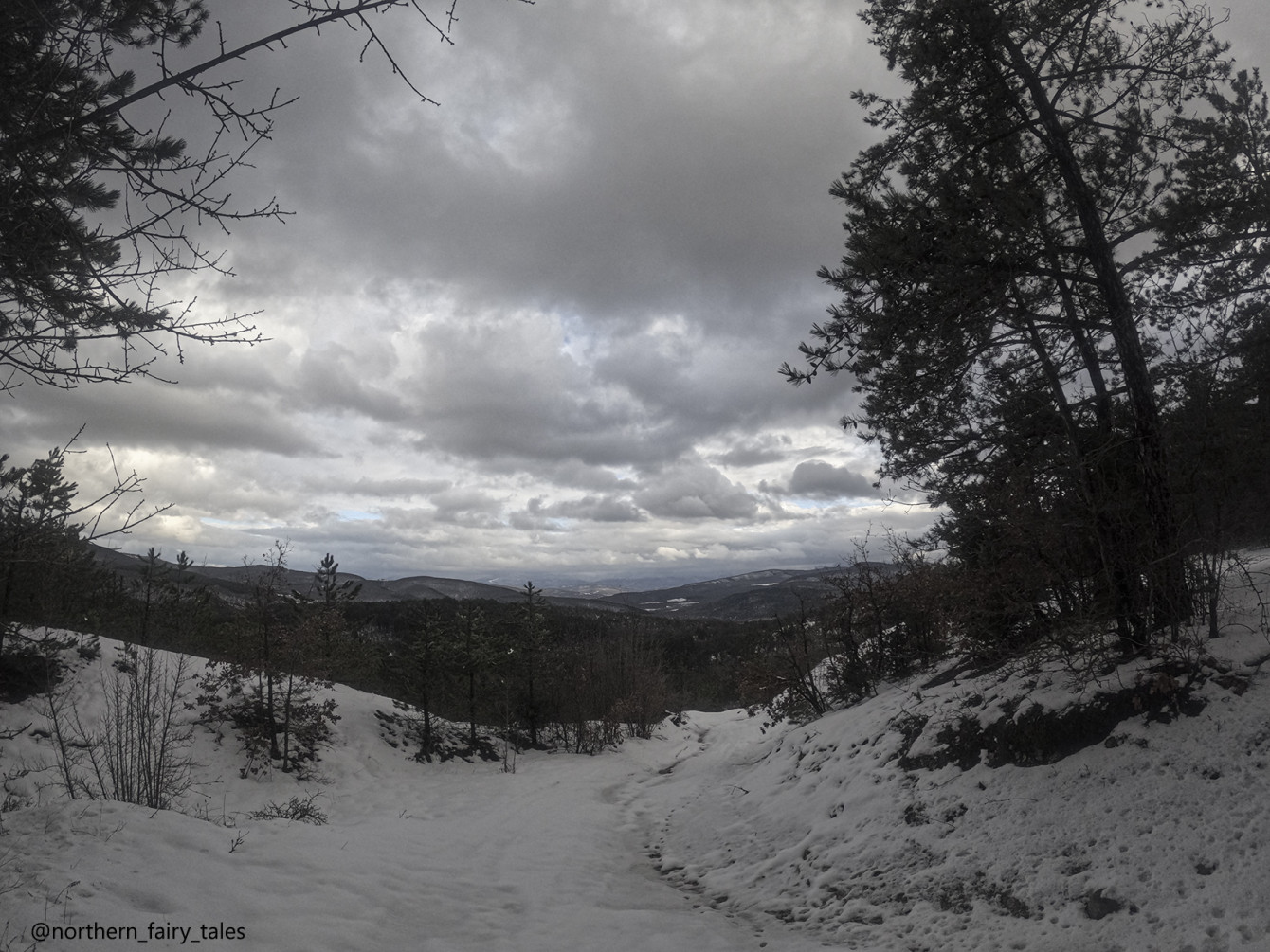
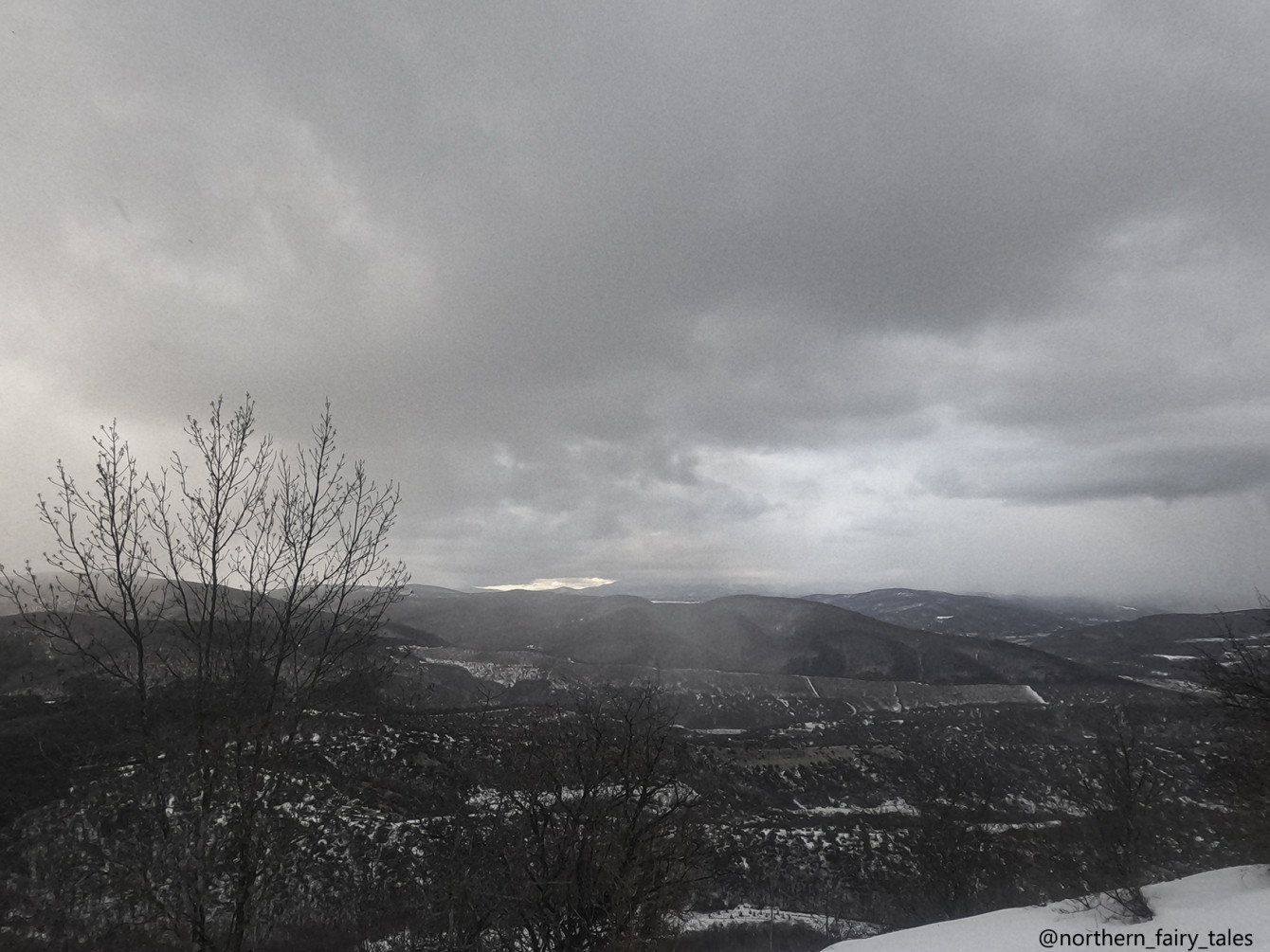
At first the going was easy enough, and we enjoyed the views opening up around us. The Muslim cemetery near the start of the route left a particularly strong impression. But the higher we climbed, the deeper the snow became—far more than we’d counted on. It slowed us down, and worse, after just a few kilometers it had soaked straight through our fairly light shoes. In places the snow came up to our knees.
So we kept moving—up, down, up again—our boots squelching, completely alone. Drifts gave way to muddy descents, and it looked as though the last people to pass this way had been here back in solid autumn. Now and then we only saw wild boar tracks.
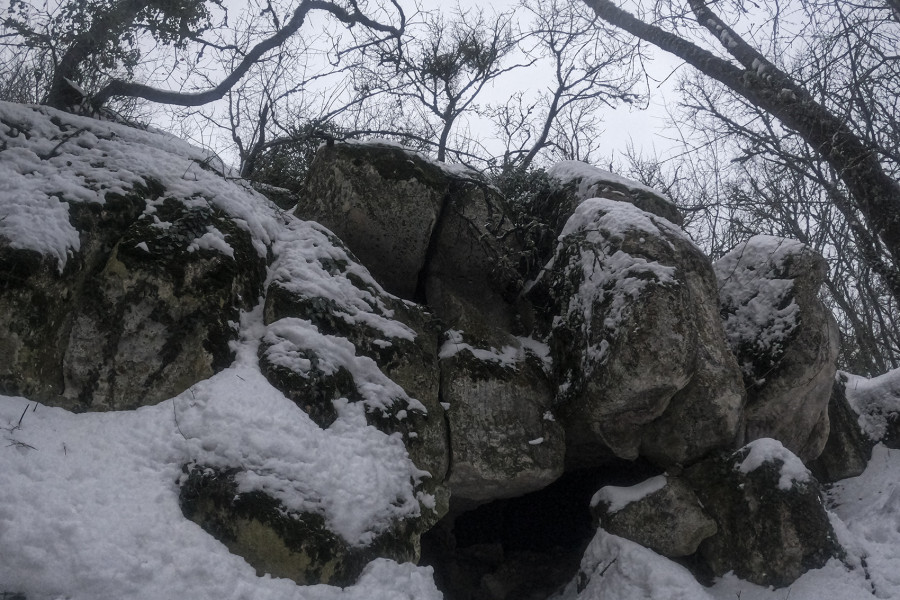
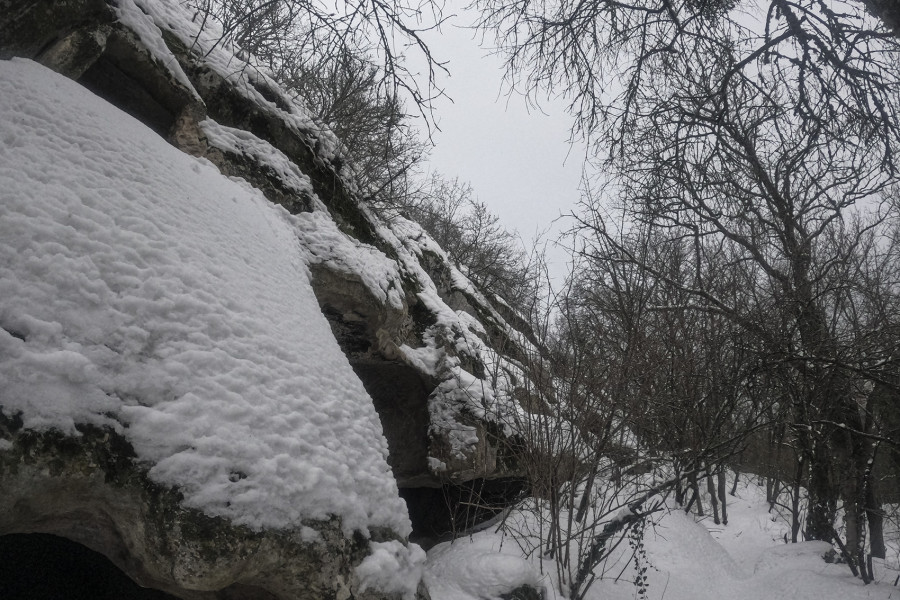
And then, after a few hours along this engrossing route, the mountain finally appeared before us—Tepe-Kermen itself. Here came the most brutal stage: scrambling up icy paths to the top. Which is exactly what we set about doing. A pleasant mountain breeze, together with the wet snow that had started to fall, did an excellent job of “encouraging” us. Those last few hundred meters—almost constant climbing, grabbing at branches and tree trunks so as not to go tumbling down—ate up the final hour before dusk.
And then we were inside the hillfort.
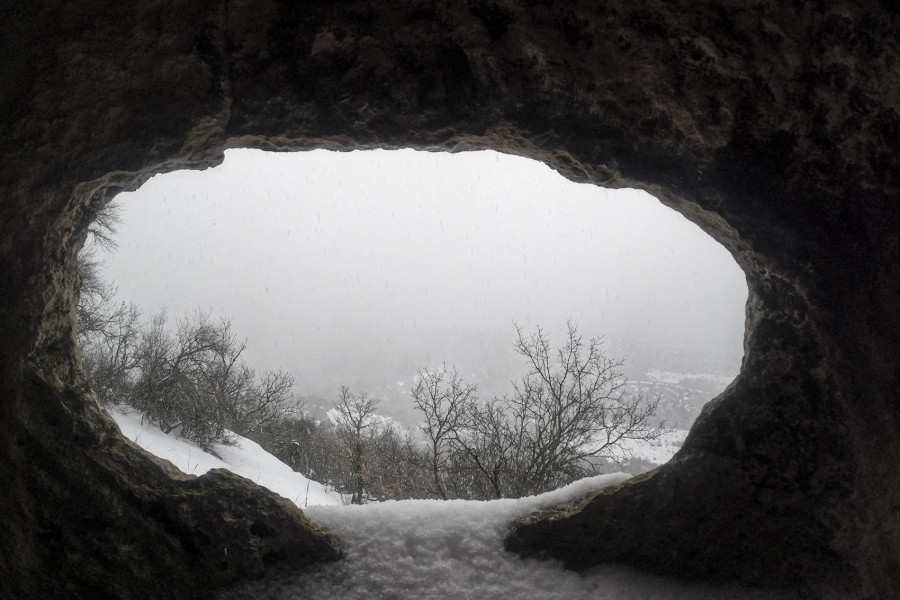
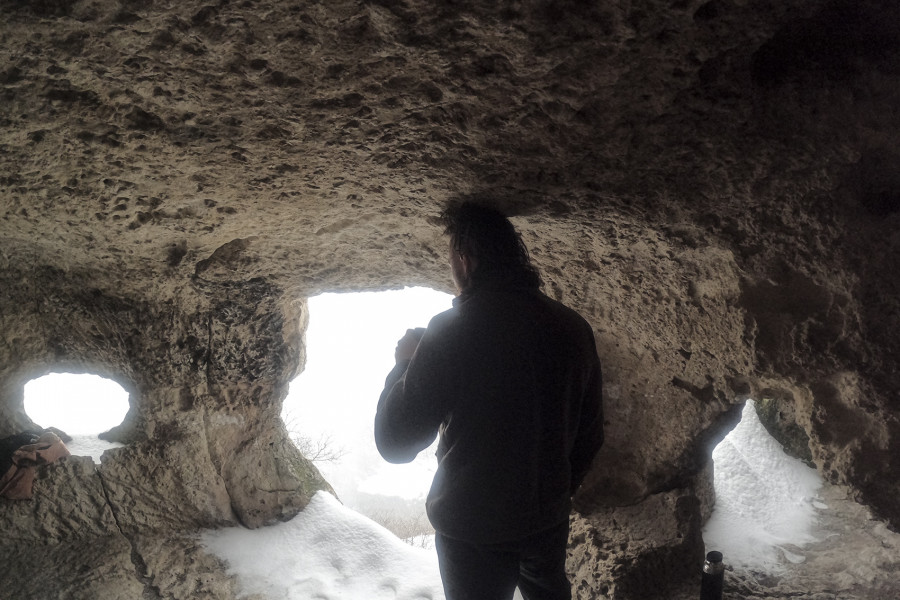
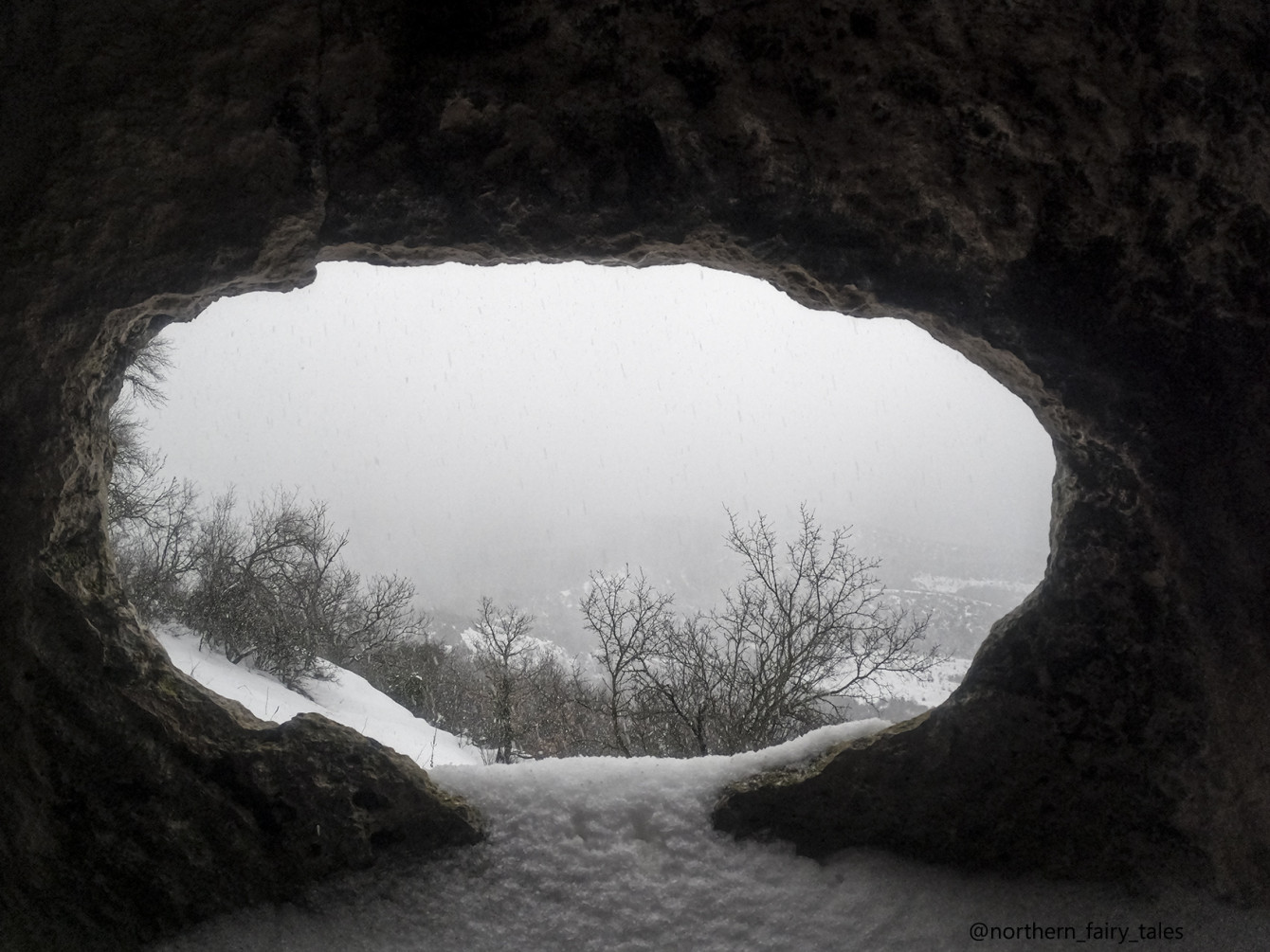
Big flakes of snow. A quick, restless dash through the caves. A thermos of tea emptied. Attempts to photograph something—anything. Of course, as so often happens, we didn’t manage to cover even half of what was there. Not enough time, not enough strength, and in that season and weather, climbing into certain places would have been asking for trouble. Naturally we didn’t see the legendary cliff-cut church, the baptistery, the ancient cemetery. A thought flickered: stay the night in this beautiful place. But with no gear whatsoever, with soaked shoes and trousers, that would have been pure idiocy.
So after hanging around for an hour, reluctantly, we began to creep down the slope at dusk, heading for a more passable mountain-forest road. And that’s when a funny thing happened: we heard voices.
It sounded as if some tourist group was approaching the mountain. A man—an instructor, perhaps—was giving commands in a confident voice; his charges replied in uneven chorus. We were genuinely surprised, and we moved toward the sound… but it vanished. And after that there was nothing. Only the wind.
Having seen not a single human track on the way up, it would have been strange to believe that some fools had decided to come here at night. Still—hearing that sort of odd trick isn’t new to us.
Pleased by this little incident, we found a second wind and made our way down—up—down again in complete darkness toward the highway, toward the village of Mashino. A couple of hours later, tired and happy, we jumped into a battered old jalopy that carried us to the bus station.
Without a doubt, it was a wonderful and memorable birthday. As they say: exactly what the doctor ordered.
Comments
There are no comments for this article yet. Be the first to comment!