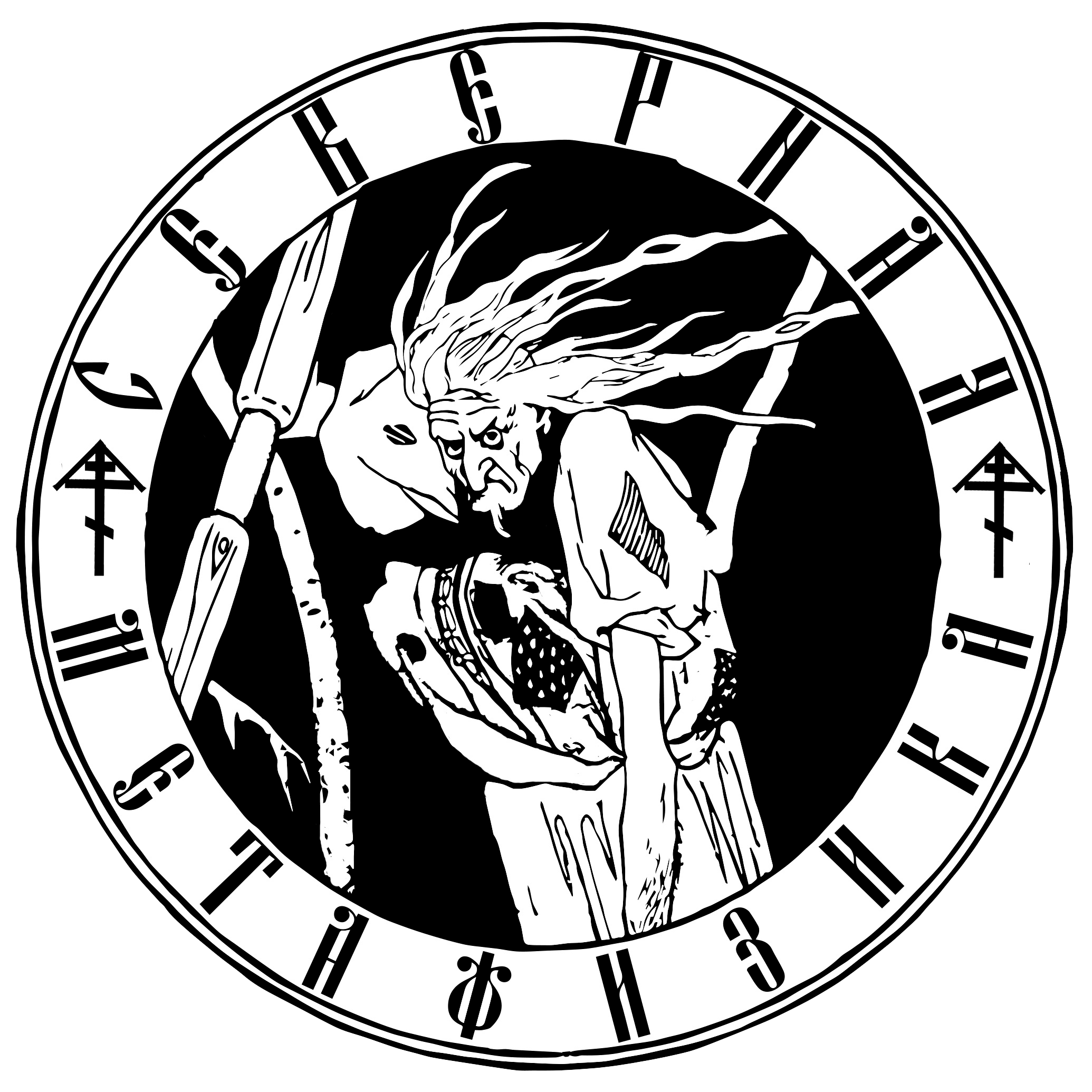








In olden times, in late autumn—at the beginning of November, when the days grow colder and shorter—the Karelians celebrated Kegrin päivä, a now-forgotten feast connected with the coming of the god Kegri—the Krampus of the northern forests. According to belief, he came out of the woods as a creature overgrown with black шерсть, carrying a large bag in which he stuffed disobedient children to take them away.
Little information has survived about Kegri and his feast. Some считают that it was connected with the cult of dead ancestors and with an ancient pagan New Year—the time when the harvest had been gathered and winter began. In pre-Christian times, the feast was observed on November 2; after Christianization, it shifted to Dmitry Saturday, one of the “parents’ days,” falling on the first Saturday of November.

On that day, mummers went from village to village—wearing masks made of cardboard and rags or with faces smeared with soot, carrying wicker baskets, dressed in turned-inside-out coats, with pokers, oven hooks, and clubs. They entered houses and frightened not only children but also young maidens, threatening to put them into their basket. To prevent that, the mummers were appeased: they were fed porridge with pork fat and pancakes—ritual foods associated with commemoration.
It was also possible to fight off Kegri:
“Kegripaiat—the days of Kegri; Kegri will come out of the forest; children had to spin skeins of wool, as many as possible. Women—or even old men—dress up. They frightened children: Kegri will come, and you’ll have nothing to strike him with. That’s why they spun skeins—so you’d have something to hit Kegri with. The door was специально left unlocked; the ball of yarn nearby.”
The choice of such an apotropaion is far from accidental. Thread is one of the most archetypal products created by human civilization, alongside tamed fire and the wheel. In a crisis situation like this, thread embodies the mystical force of the human community and becomes a barrier on the path of demons from the other world.
Children were very afraid of this god’s coming:
“Kegri was constantly present in the mind as fear; If you don’t sleep—Kegri will come and give you a beating. He will scold. A not-kind creature.”

That is, perhaps, all we know about Kegri today. Most likely, long ago this feast was surrounded by a richer mythology, symbolism, and a system of rituals—but mumming and ritual frightening on a day dedicated to the dead is all that remains of what we now know about Kegrin päivä, the “Scare-Day,” as the Tver Karelians called it.

This publication is archival and was dedicated to the late-autumn days of the dead.
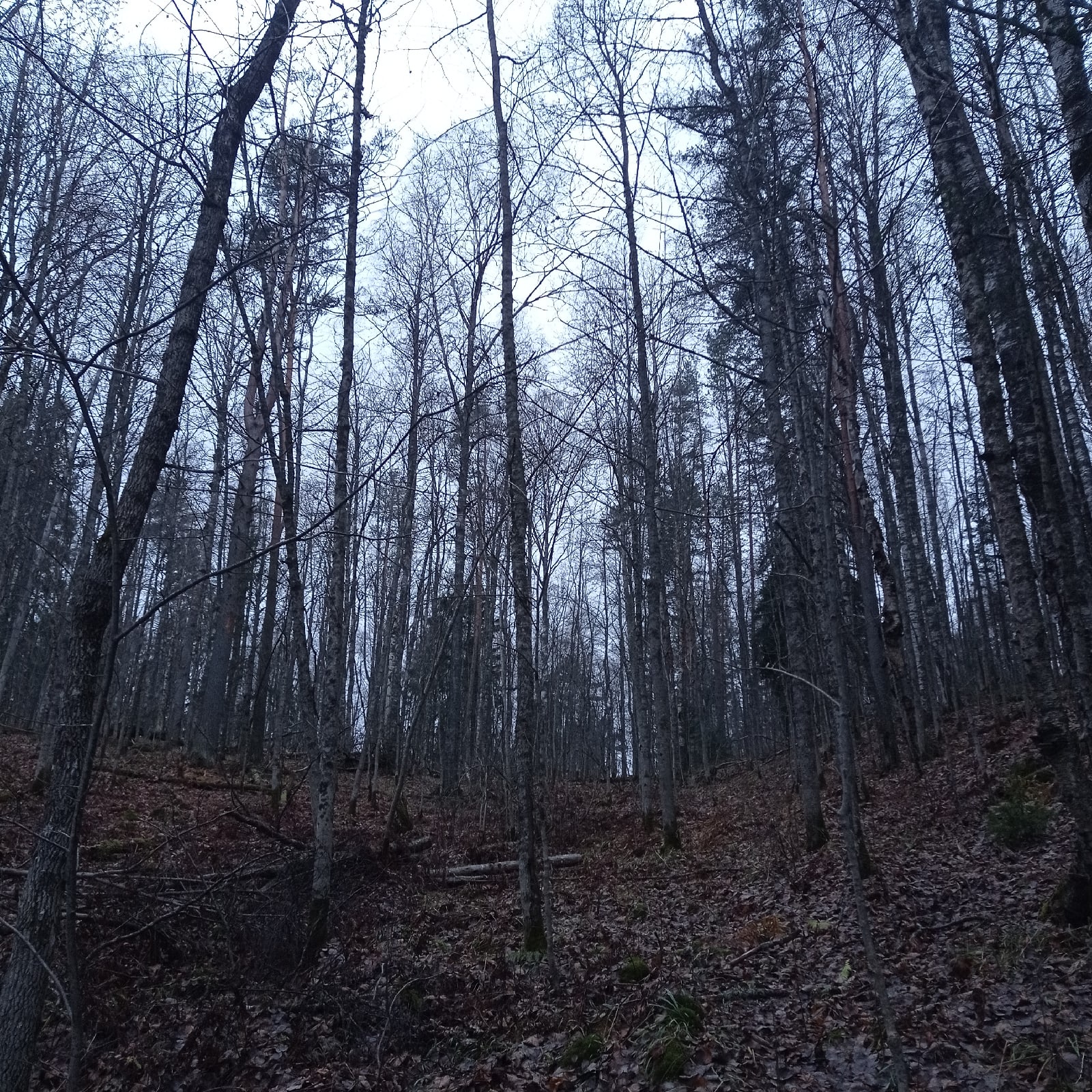
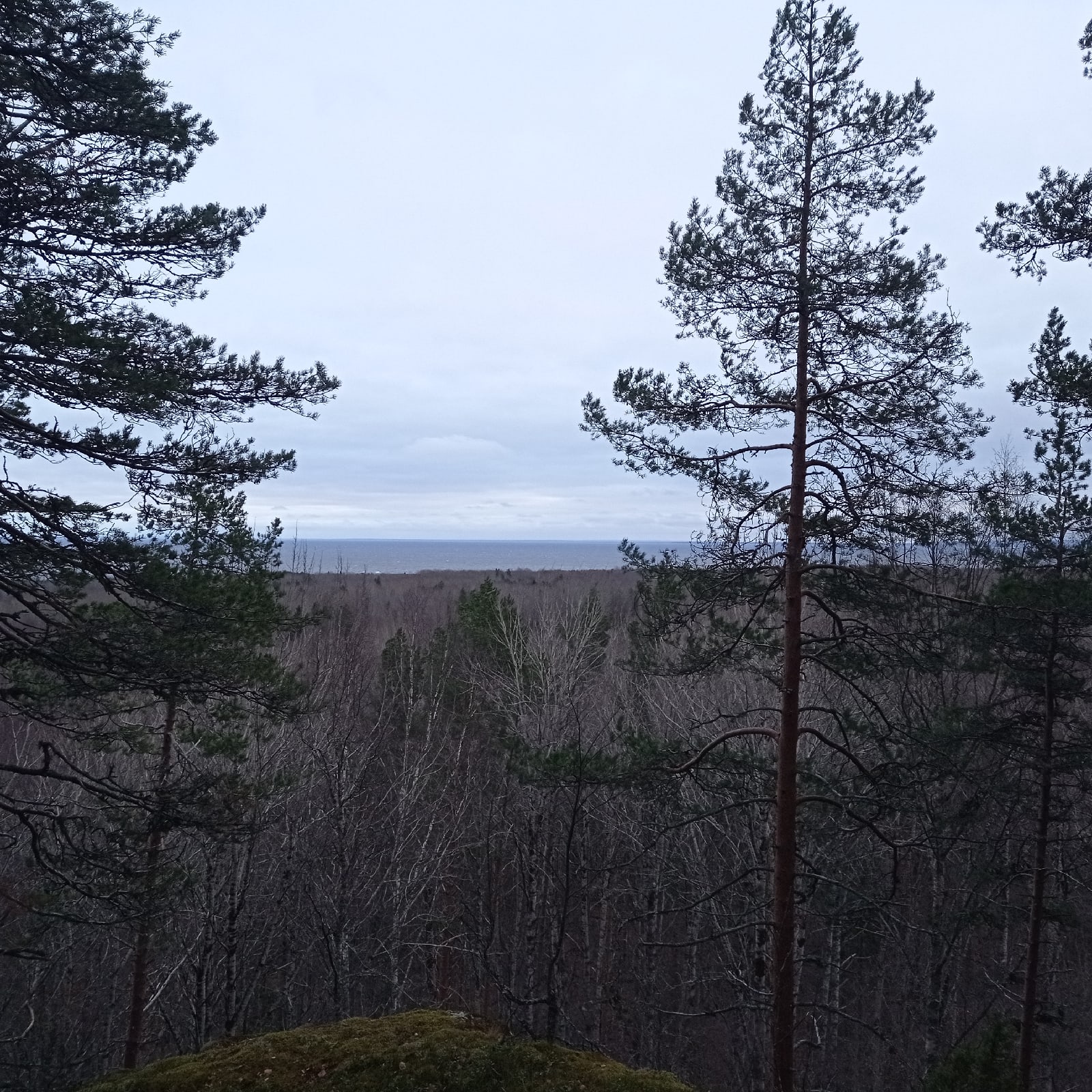
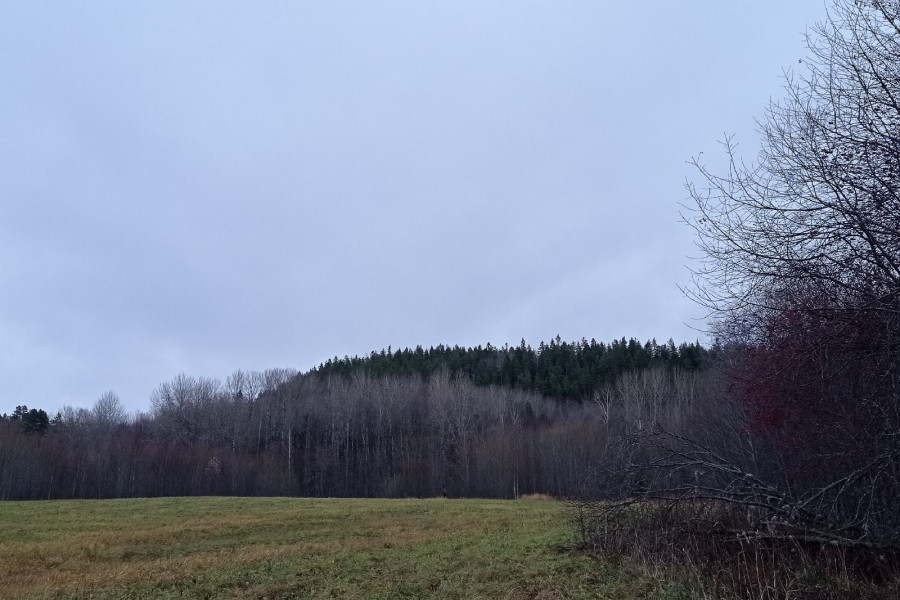
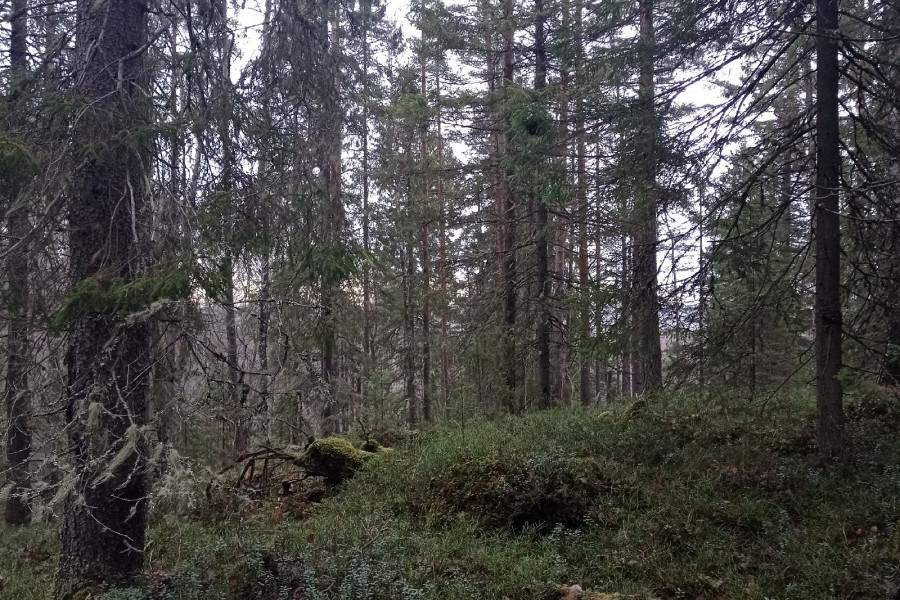
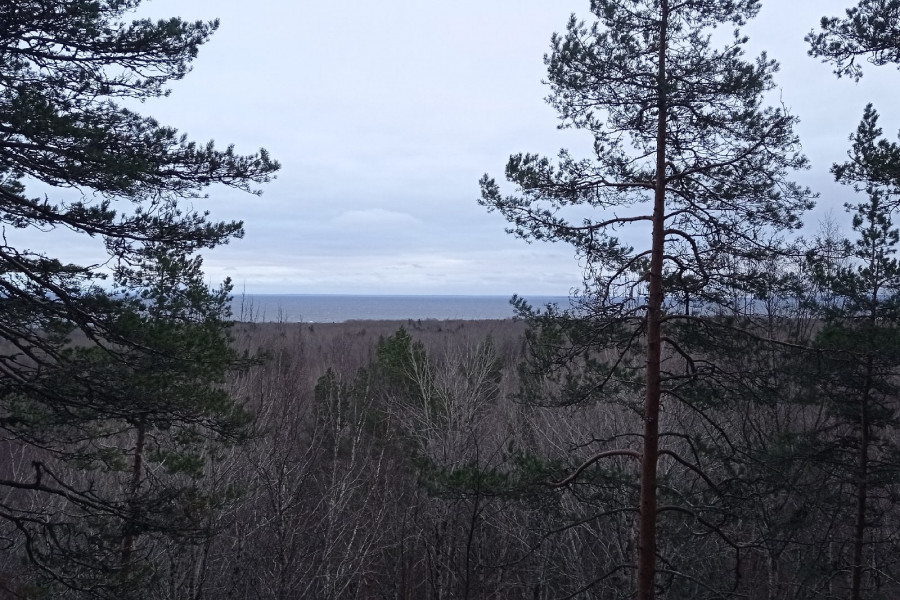
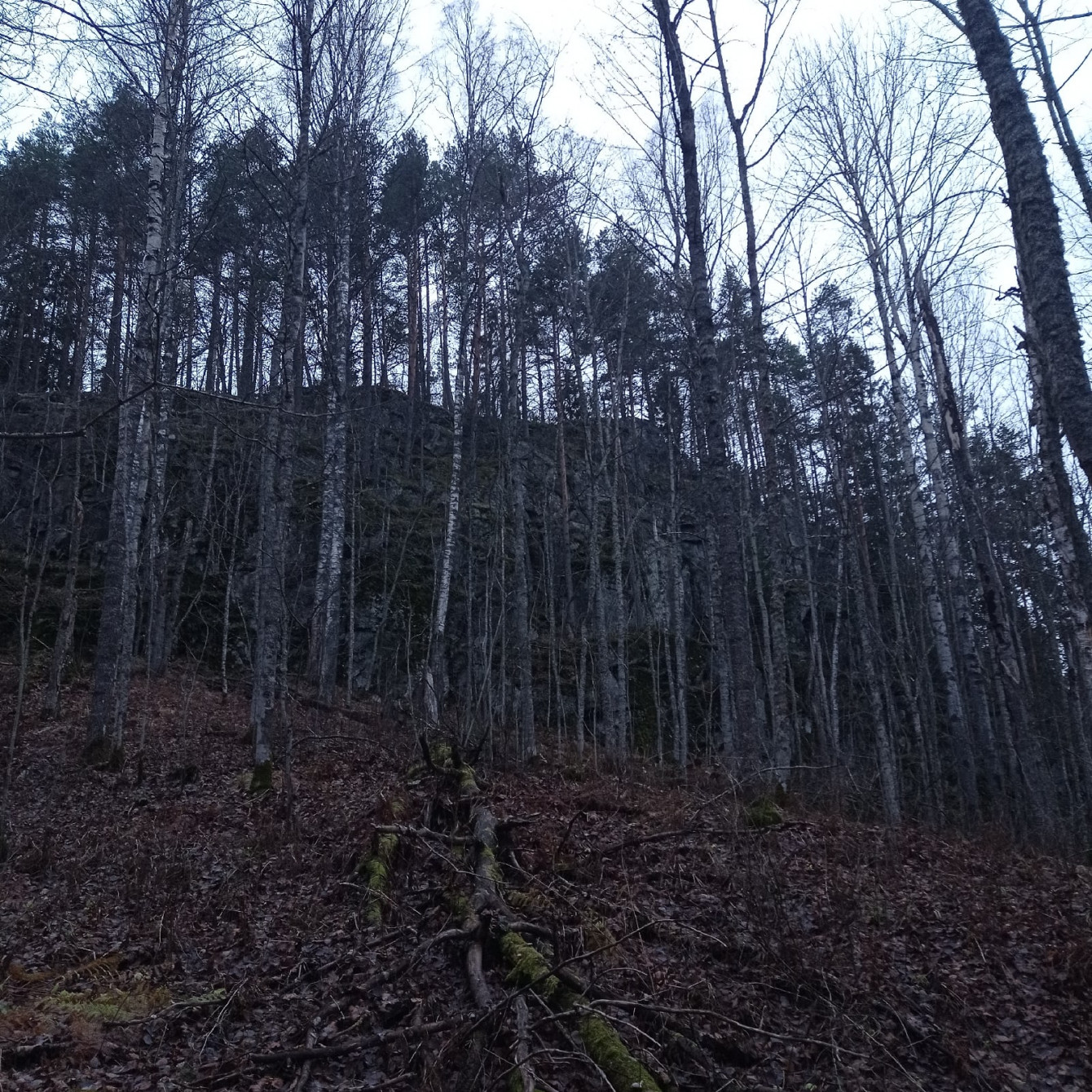
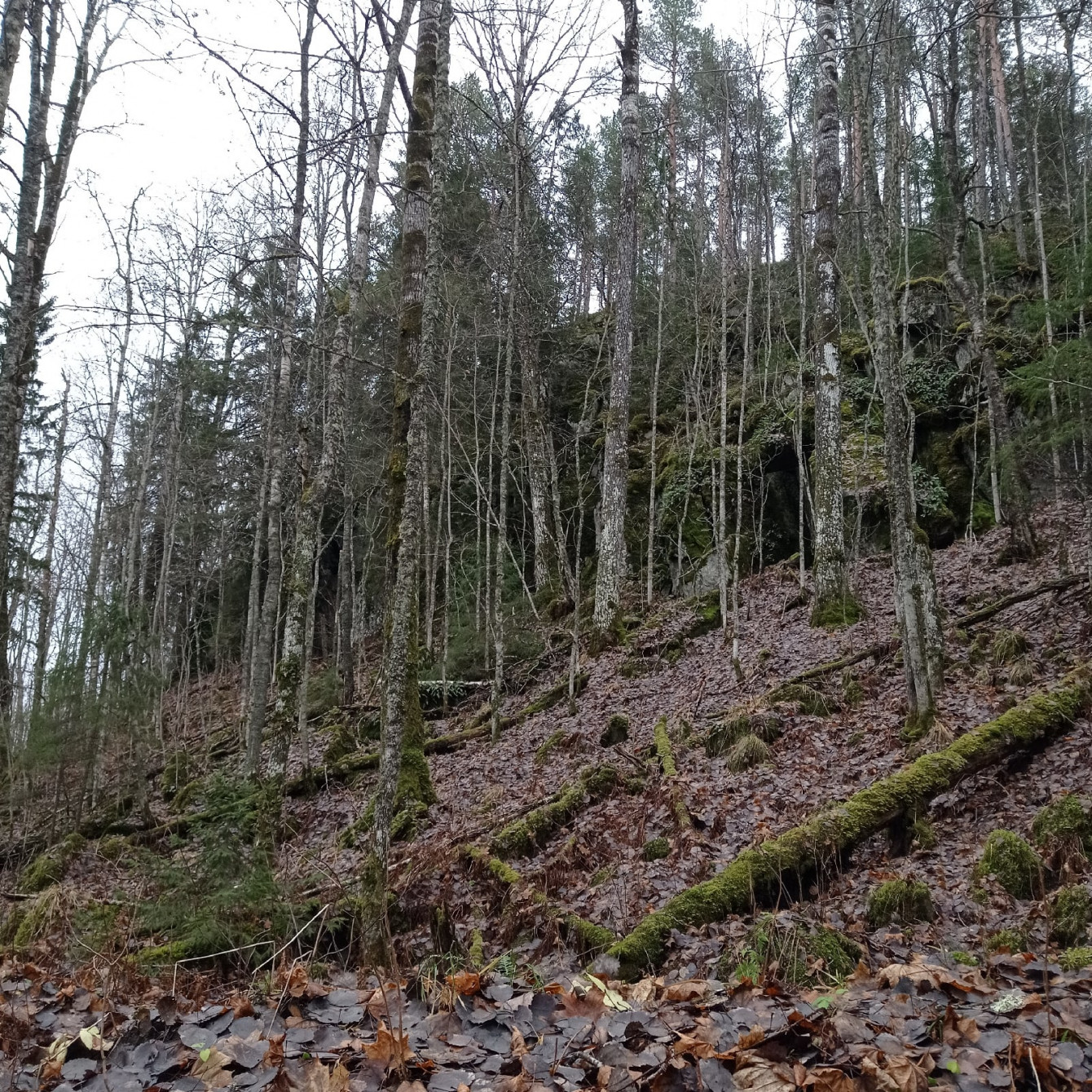
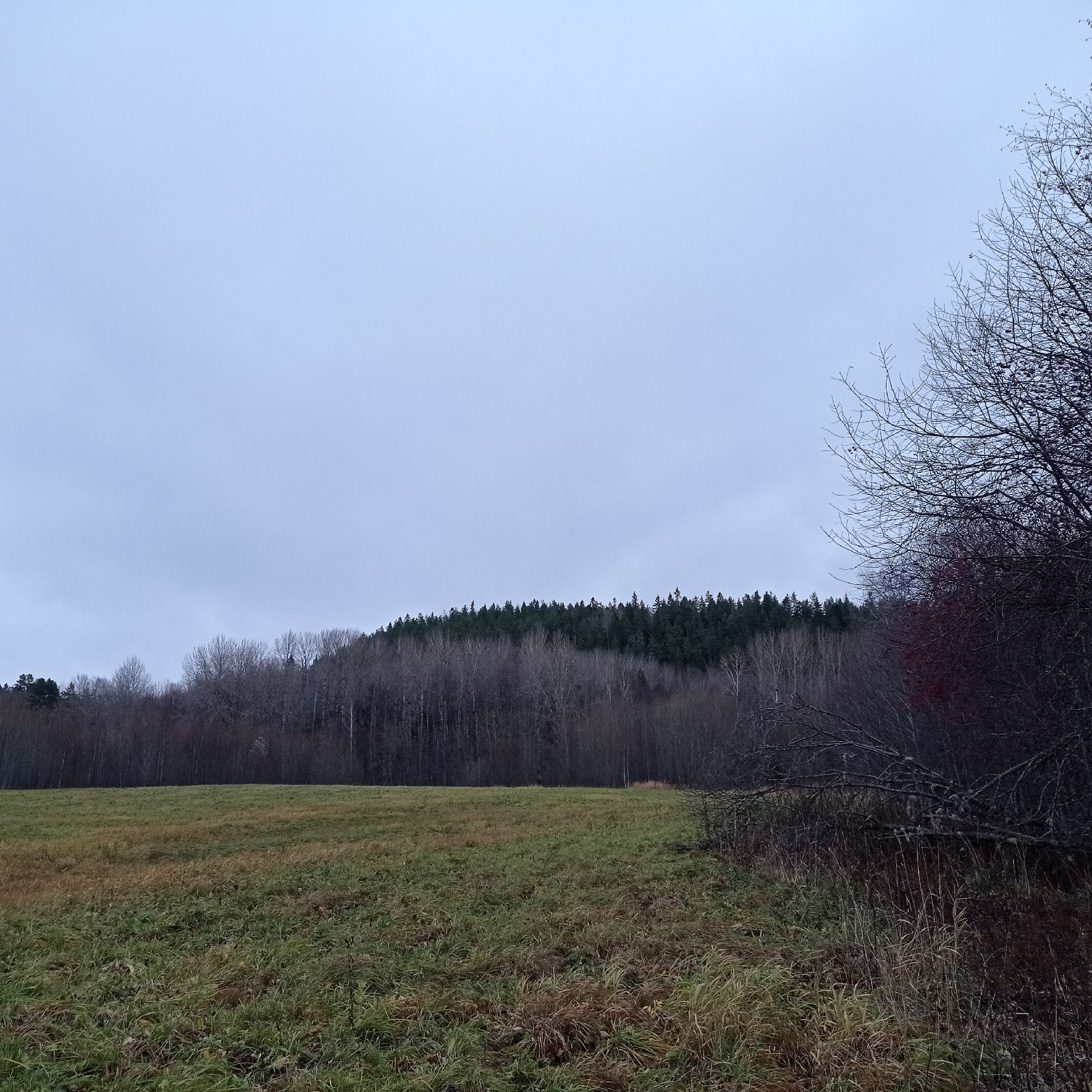
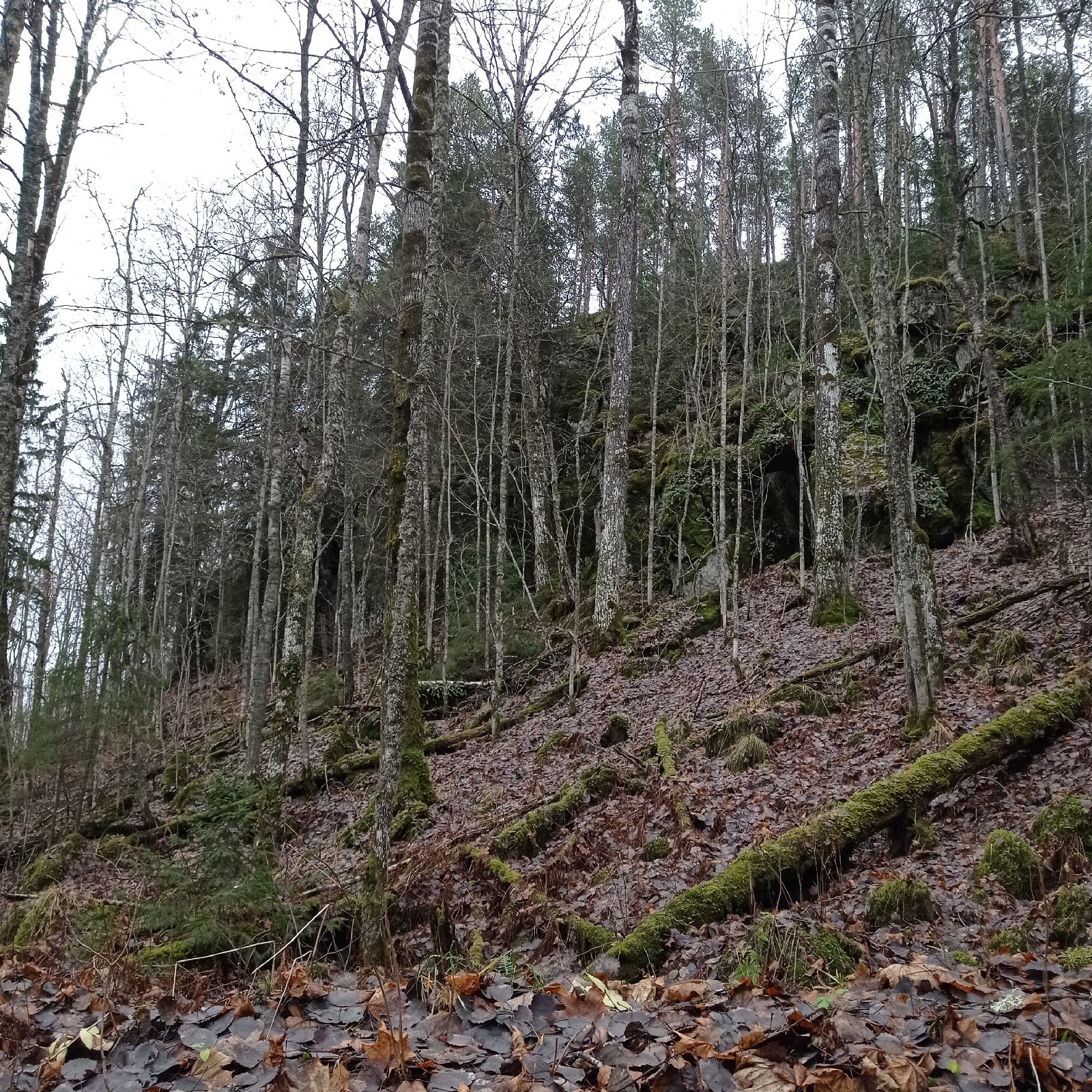
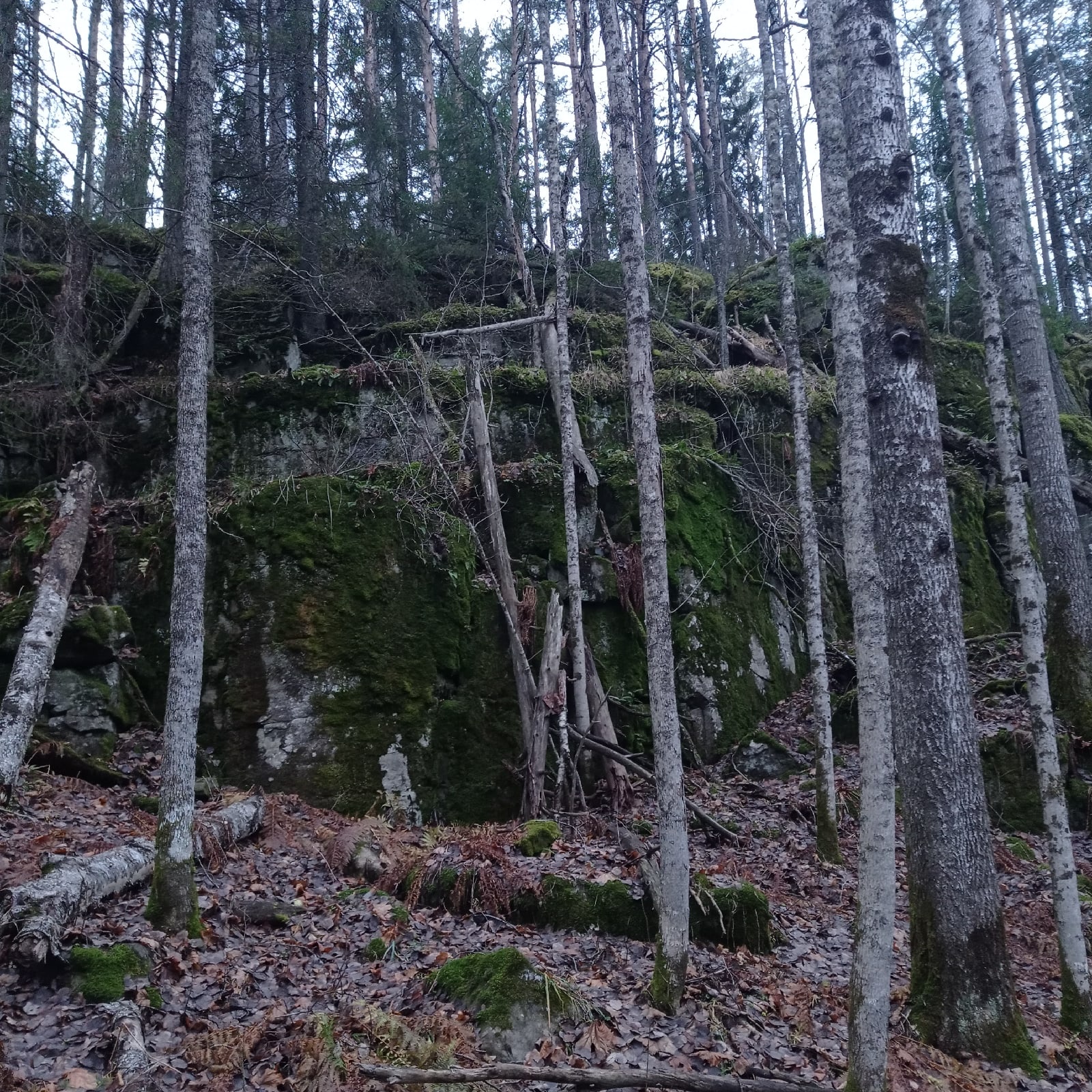
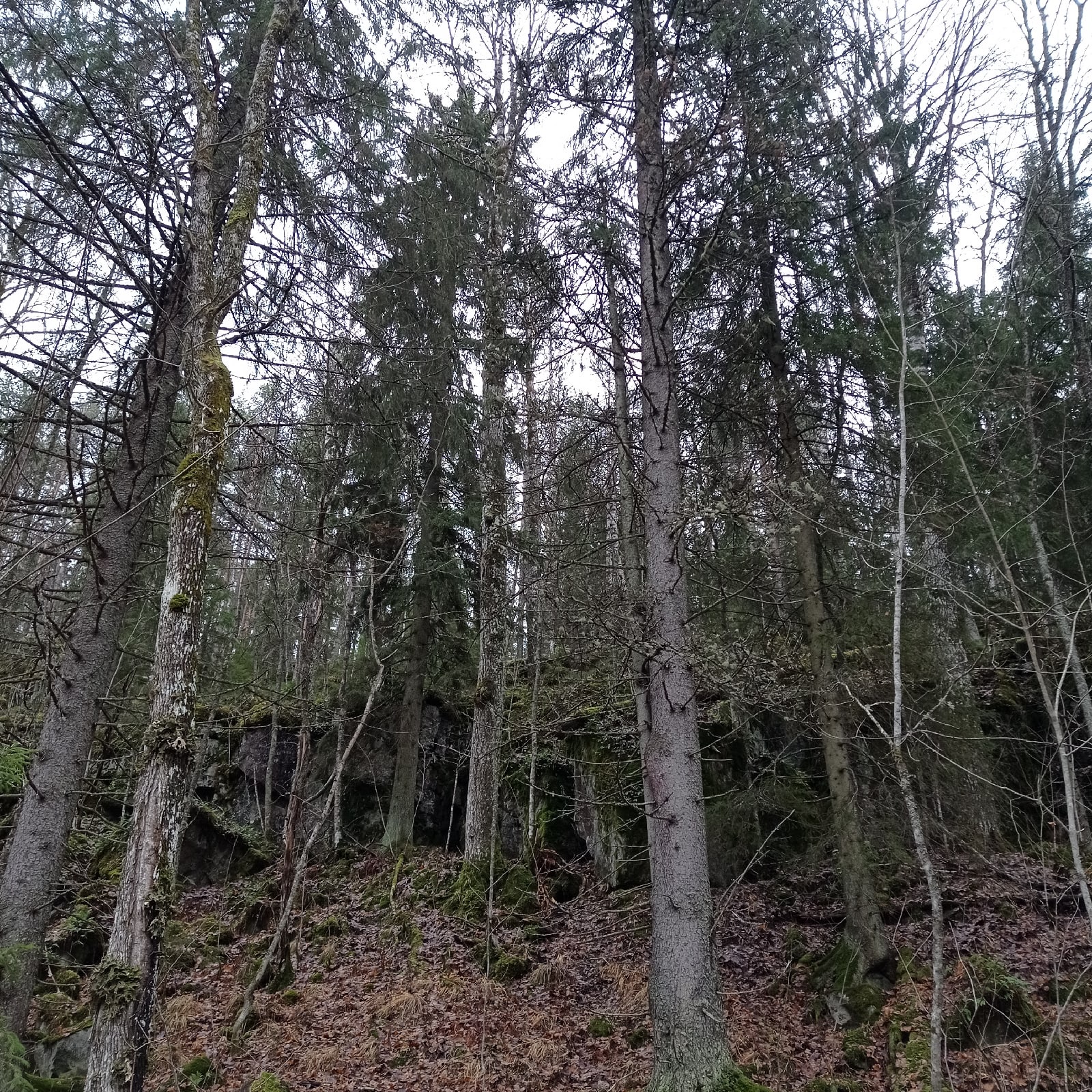
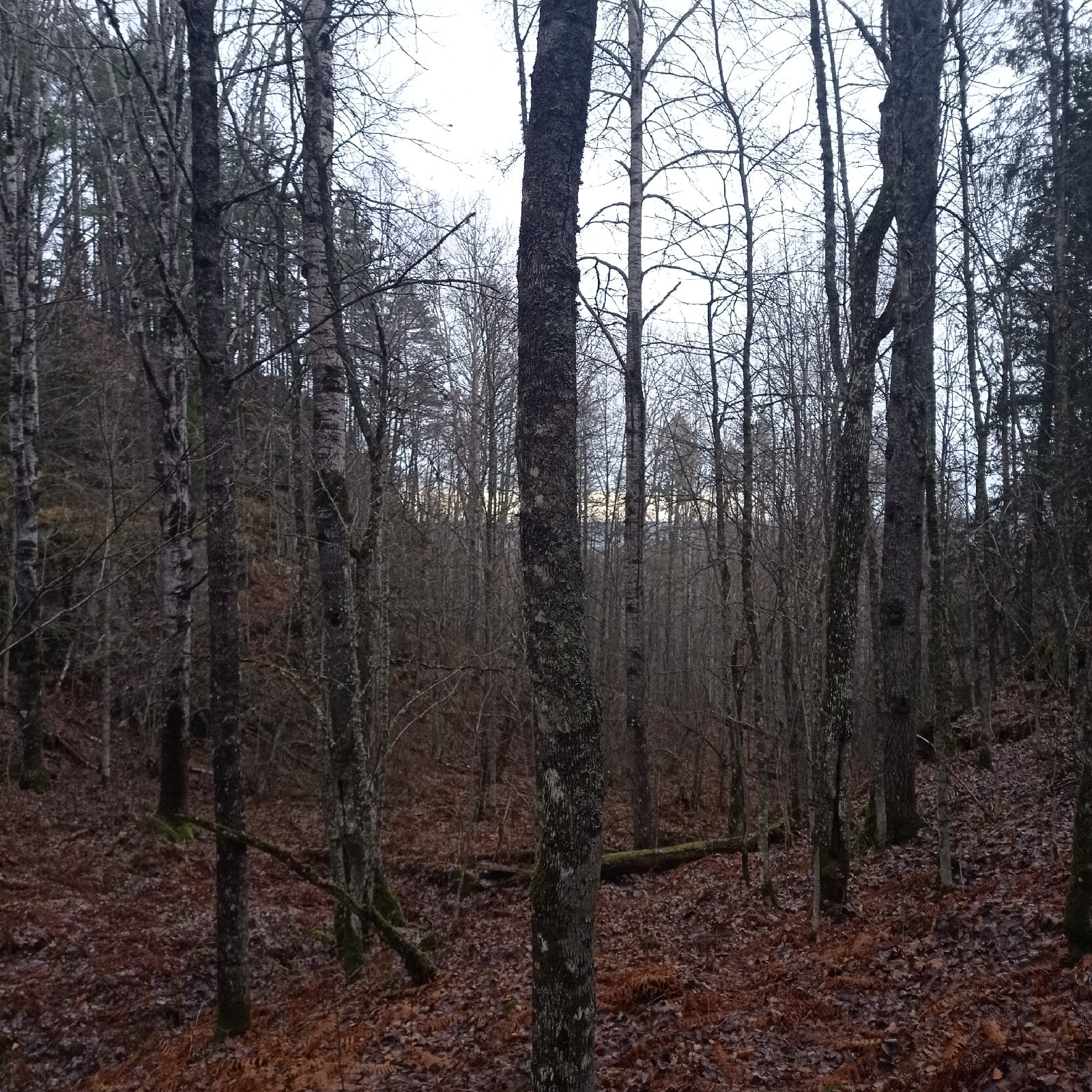
Photographs: the South Karelian hill of Sela (Shcheleyki) in early November.