If you want to visit a real northern desert—go to Kuzomen. It is a very unusual village, founded in the second half of the 16th century as a fishing tonya (tónya — a fishermen’s hut used for temporary living during the fishing season), standing quite literally at the edge of the world on the Kola Peninsula, tightly squeezed between Gandvik—the White Sea—, the taiga forest river Varzuga (beyond which there are no roads, although life still exists there), and the Desert.
The Kuzomen sands are, of course, not a huge desert—more like a curiosity, under 2,000 hectares—but they can still impress even a seasoned traveler. They came into being because of the activities of the local people—the Pomors—who relentlessly cut down the forest for their needs, because of major forest fires, and because of the endless work of the White Sea wind.
If you read online that Kuzomen’s sand is the northernmost desert in the world—don’t believe it: we have similar phenomena even farther north. But the sand here is everywhere—on your lips, on village streets, in place of roads.
Speaking of roads: if you don’t have something close to a 4×4, be prepared to part with your vehicle about five kilometers from the village, at the boundary between forest and sand. You’ll have to cover the remaining distance on foot, or by catching a ride in something that can handle the terrain—because the sand and its deep ruts will stop an ordinary car cold; a regular vehicle will simply bog down here. In winter, however, there is no alternative: snow covers the sand, and only snowmobiles can cut across the snowy expanse. This off-road challenge is exactly why many extreme-travel enthusiasts come here. The most daring, in prepared vehicles, buggies, or quad bikes, cross on a small private ferry with a tug-boat and then drive over the sand at low tide toward even more remote exotica.
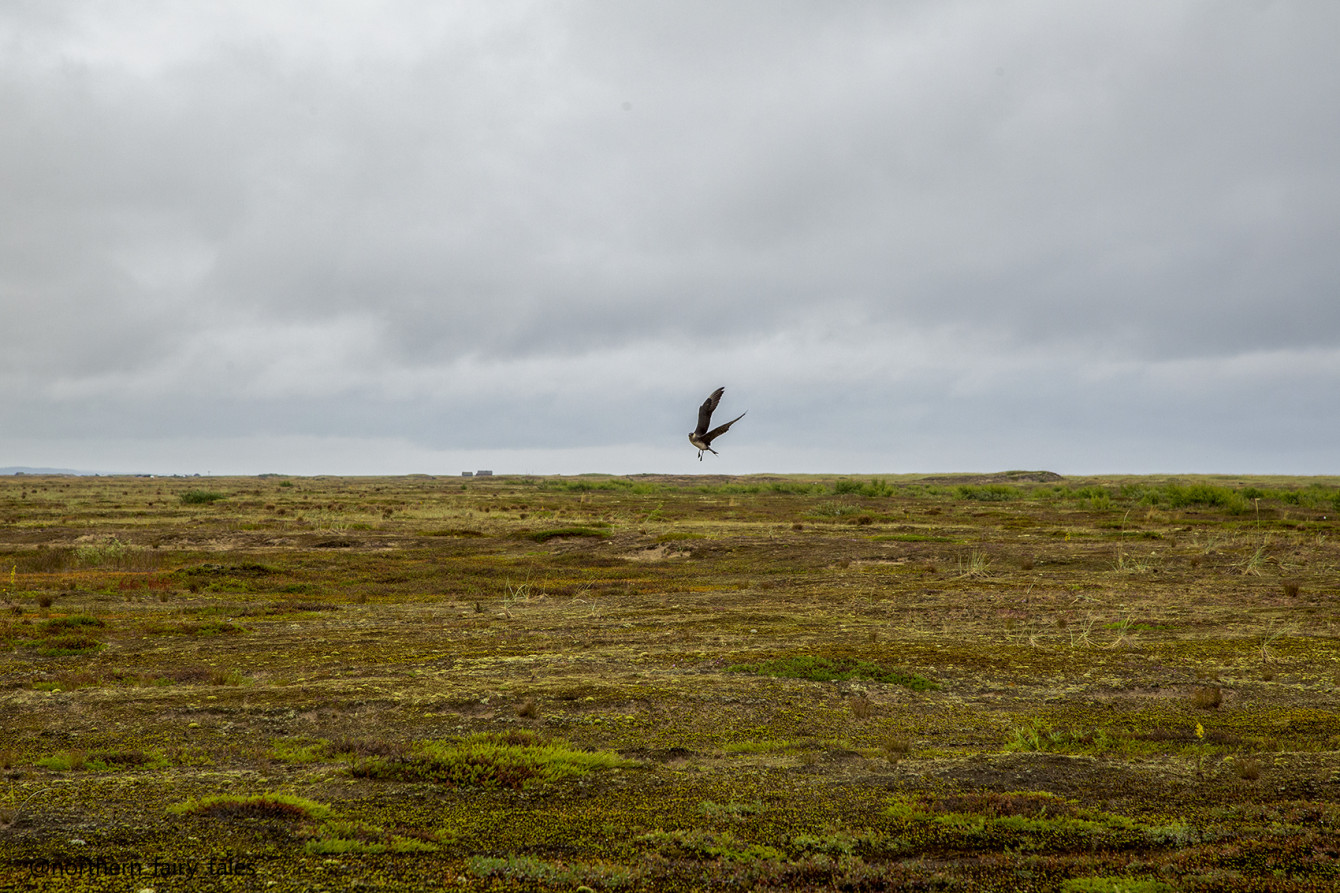
Besides people, there are wild horses here, and the local “pirates”—skuas and gulls—which dived straight at us with almost apocalyptic sounds, evidently defending nests set in the coastal “tundra.” When we threatened them with a stick, they calmed down a little and circled farther away, still screaming wildly.
In Kuzomen we found unusual landscapes, excellent desert beaches where we tasted this northern Russian sea for the first time, an old village of fishermen and seafarers—though heavily distorted by modern influences—an extremely unusual cemetery, and a few more curiosities. And we’ll definitely tell you about that too!
Comments
There are no comments for this article yet. Be the first to comment!