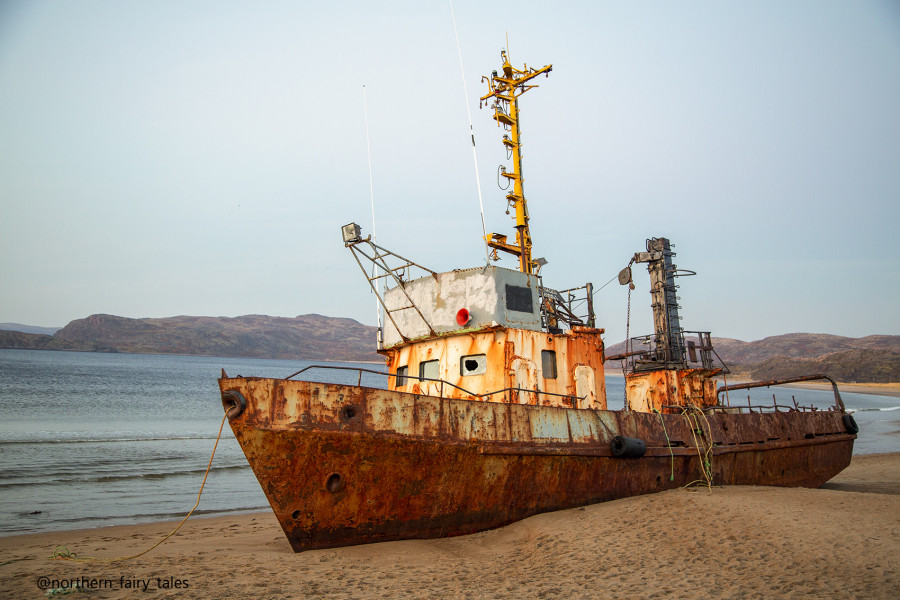
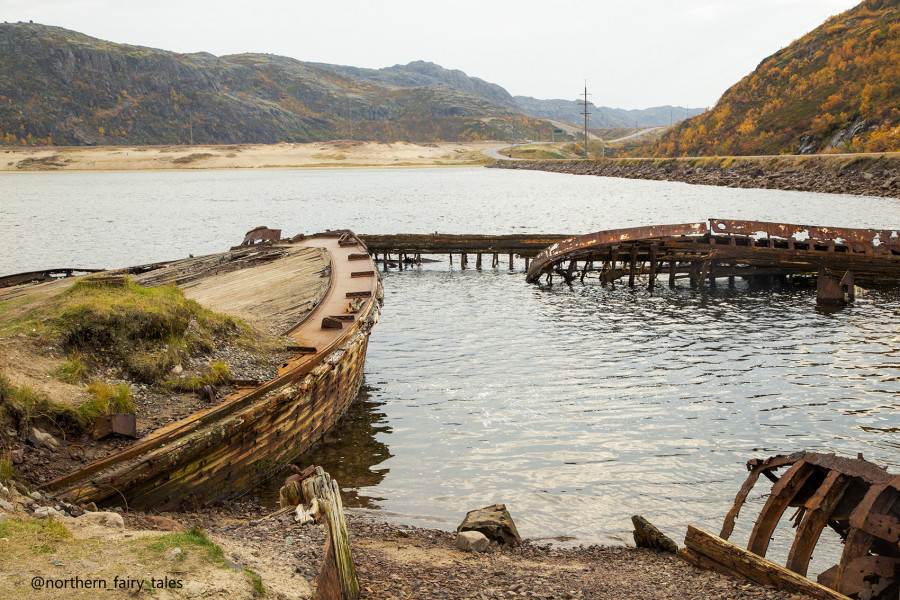
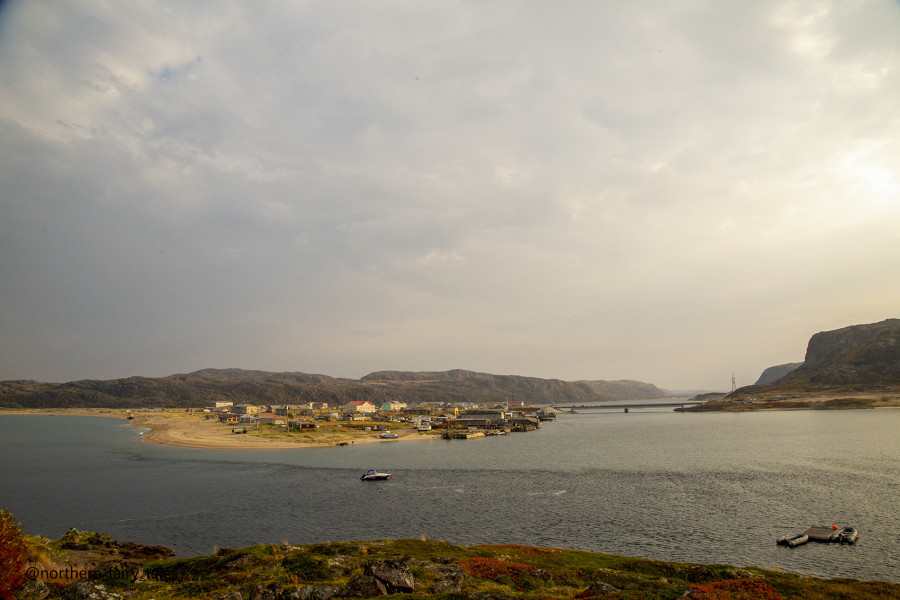
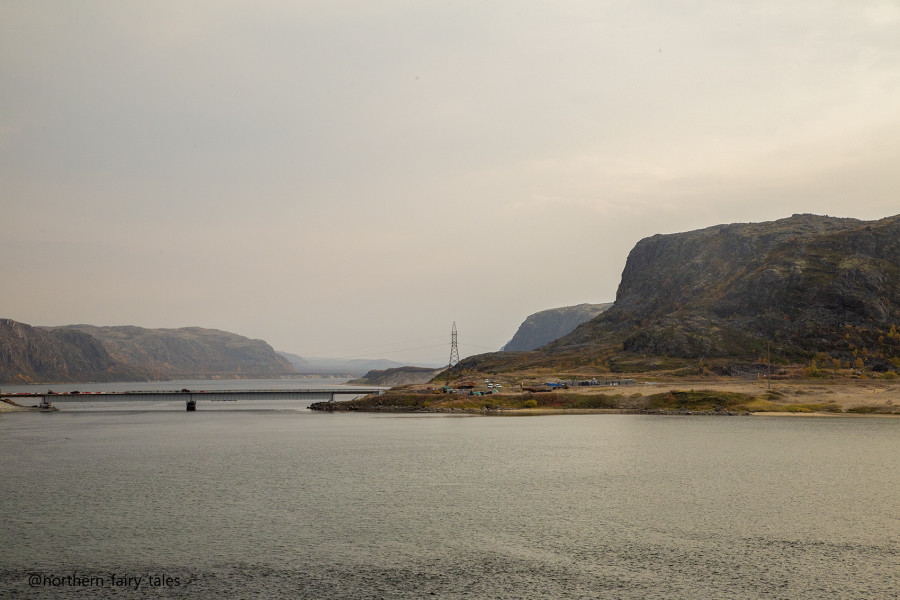
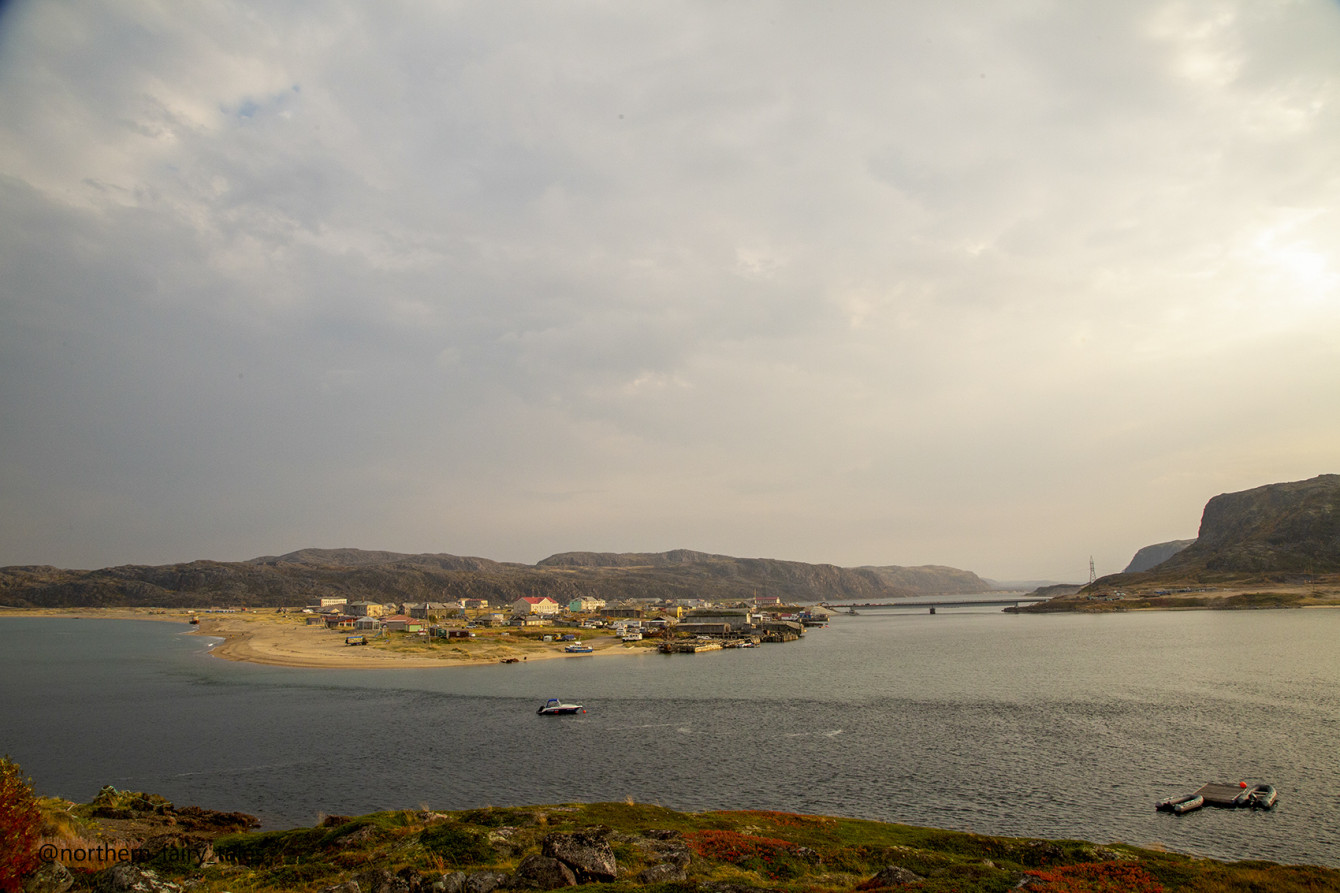
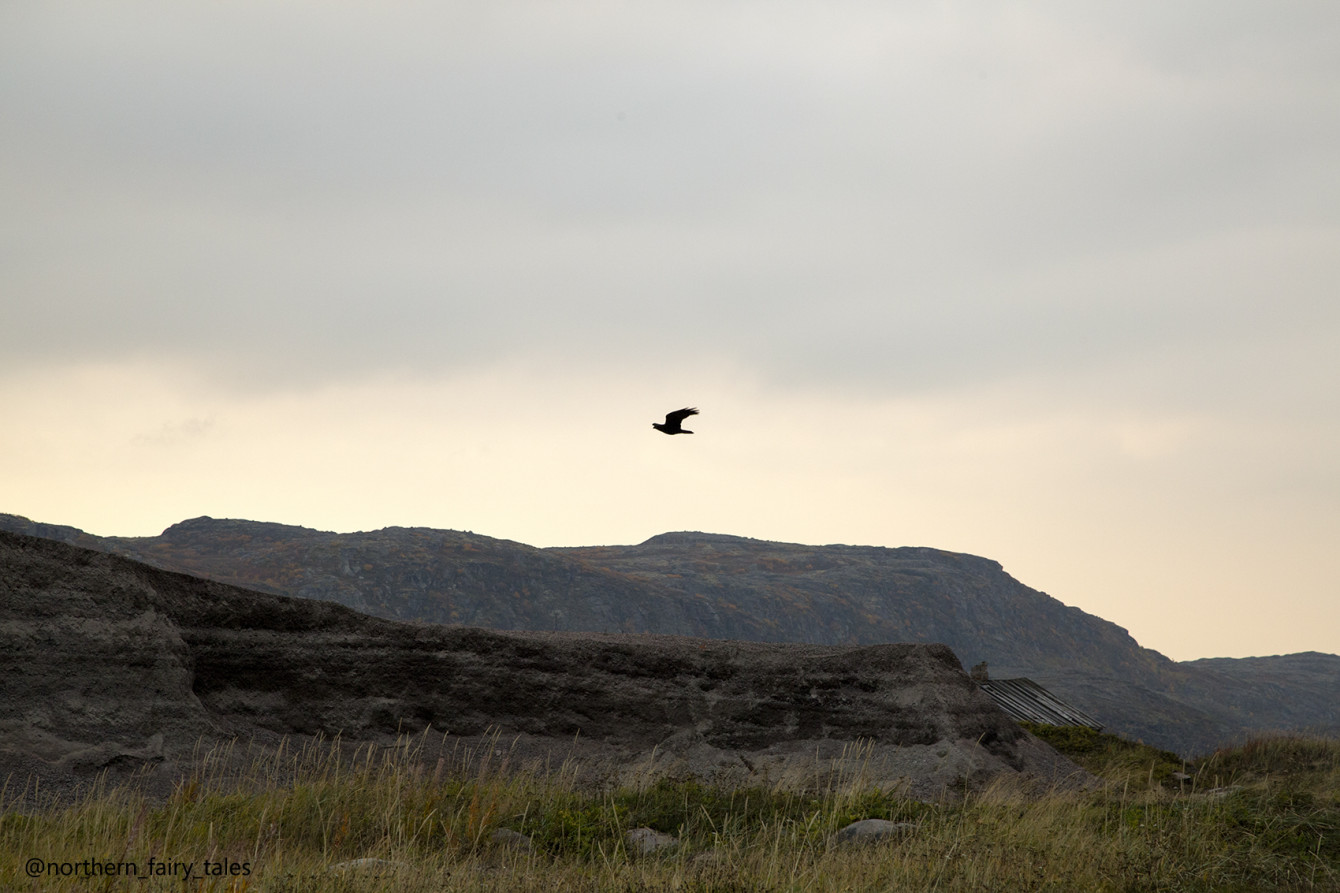
A little more from the Kola Peninsula — Teriberka (with the stress on the second “i”), a legendary village in the north of the Peninsula. We have already published photographs of the local secondary school in a horror style here, as well as the local cemetery here.
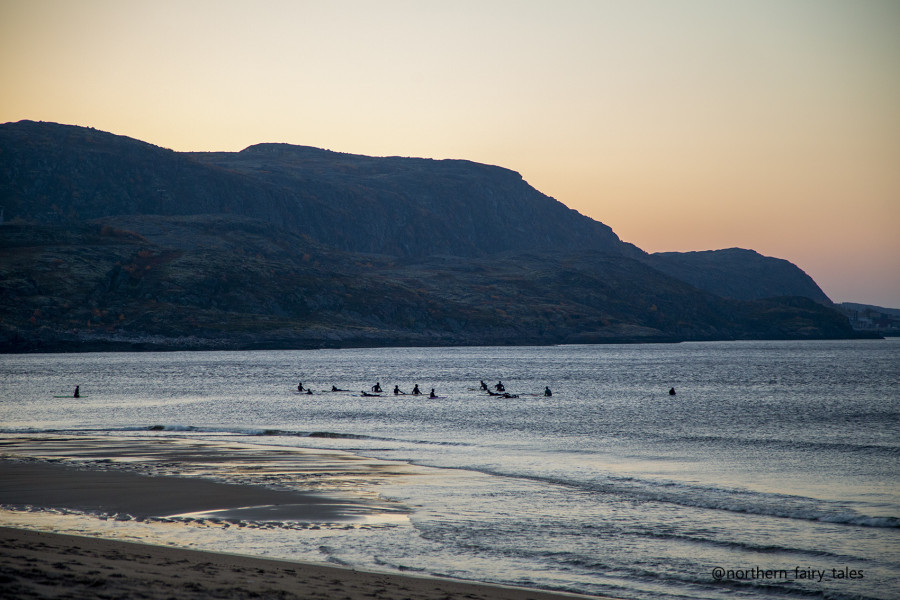
Today, Teriberka is quite a phenomenal example of cultural and geographical schizophrenia, produced by its history, its pre-Soviet and Soviet heritage, the film Leviathan, and the minimal but real possibility of tourism on the Barents Sea.
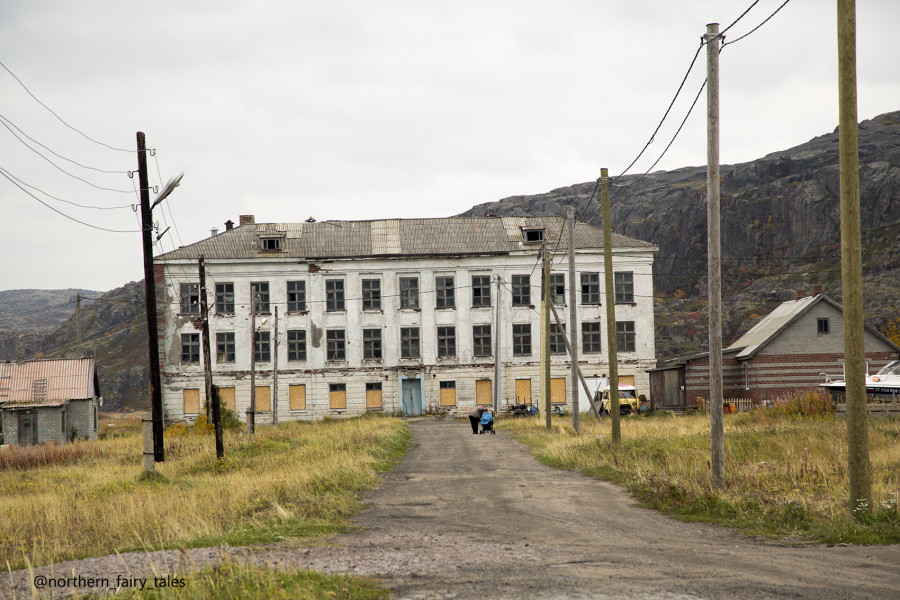
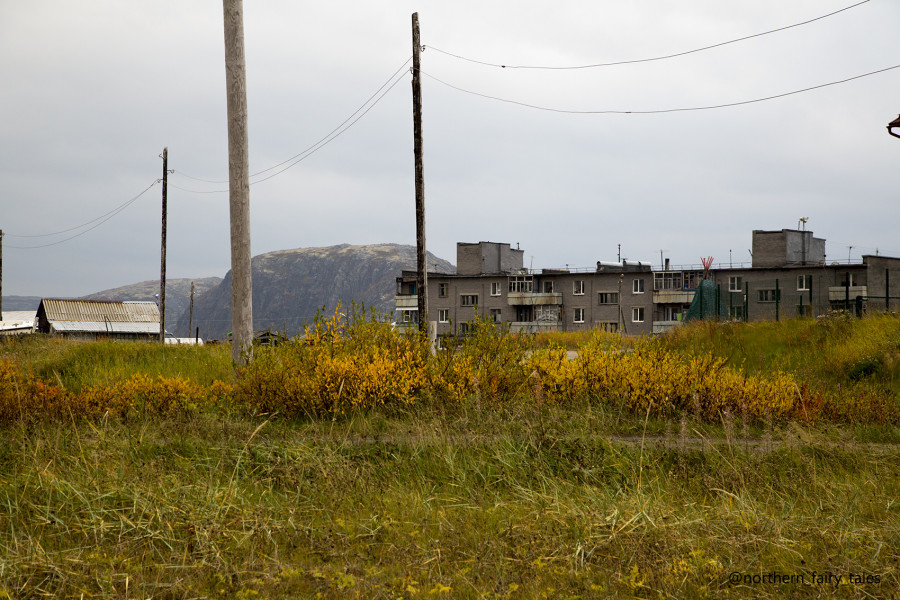
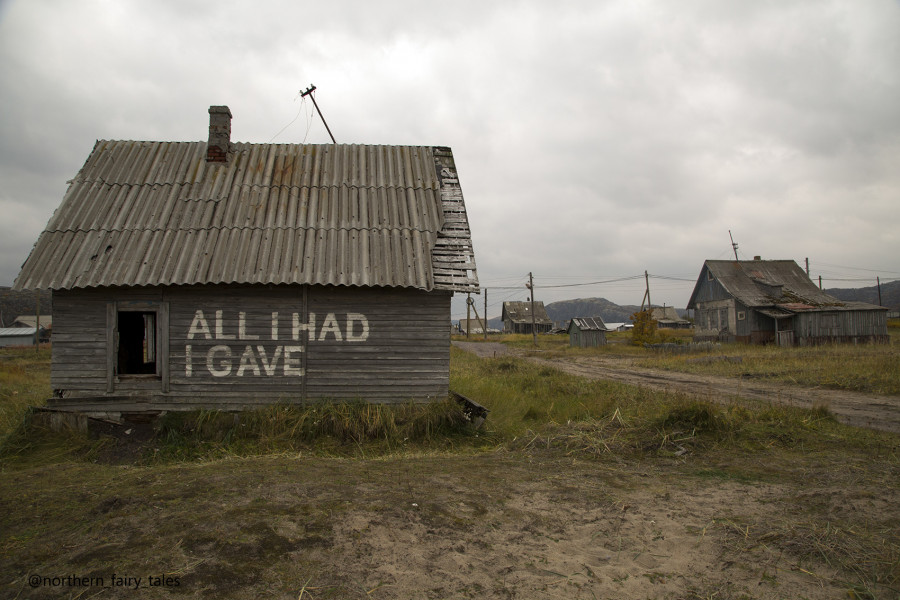
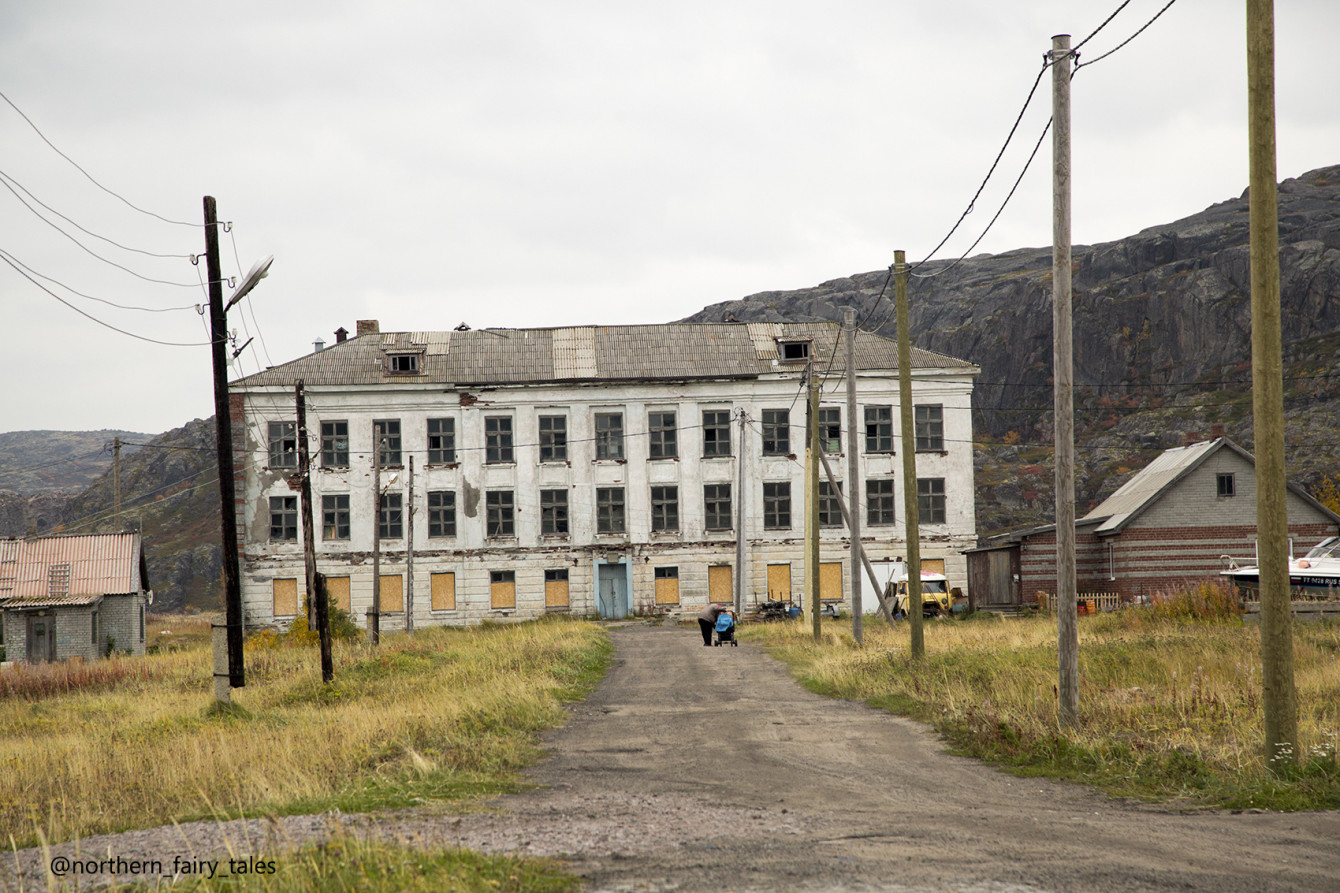
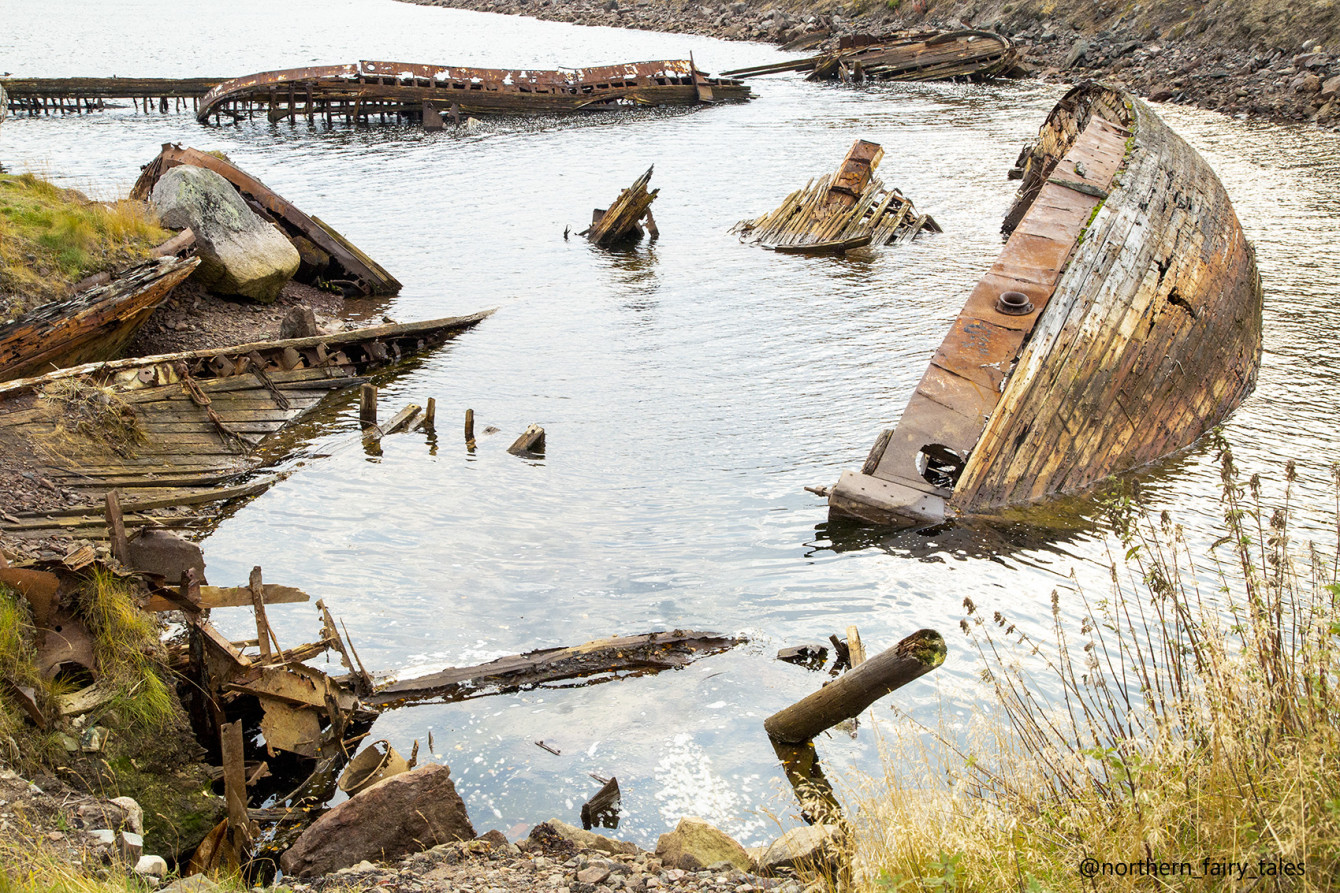
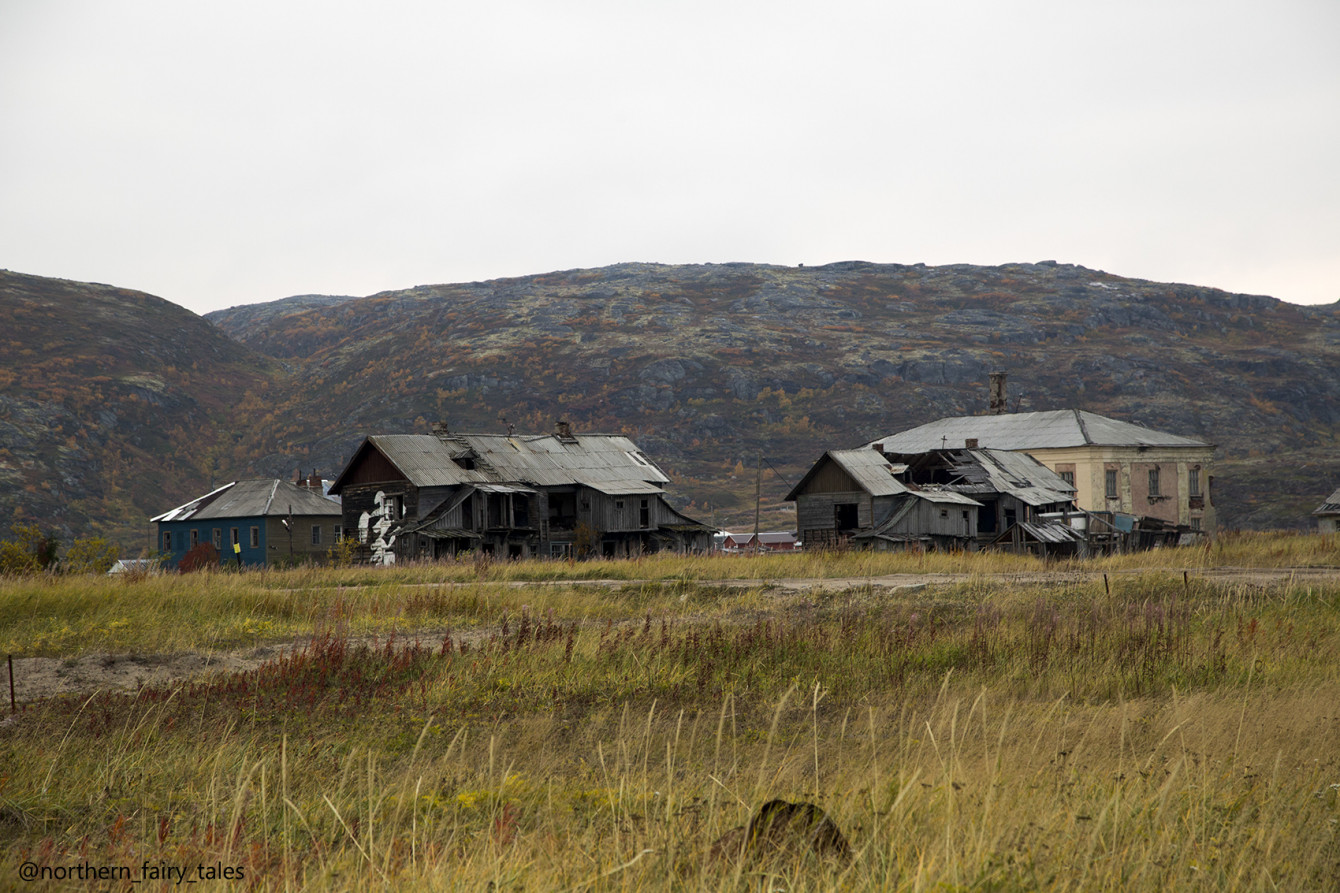
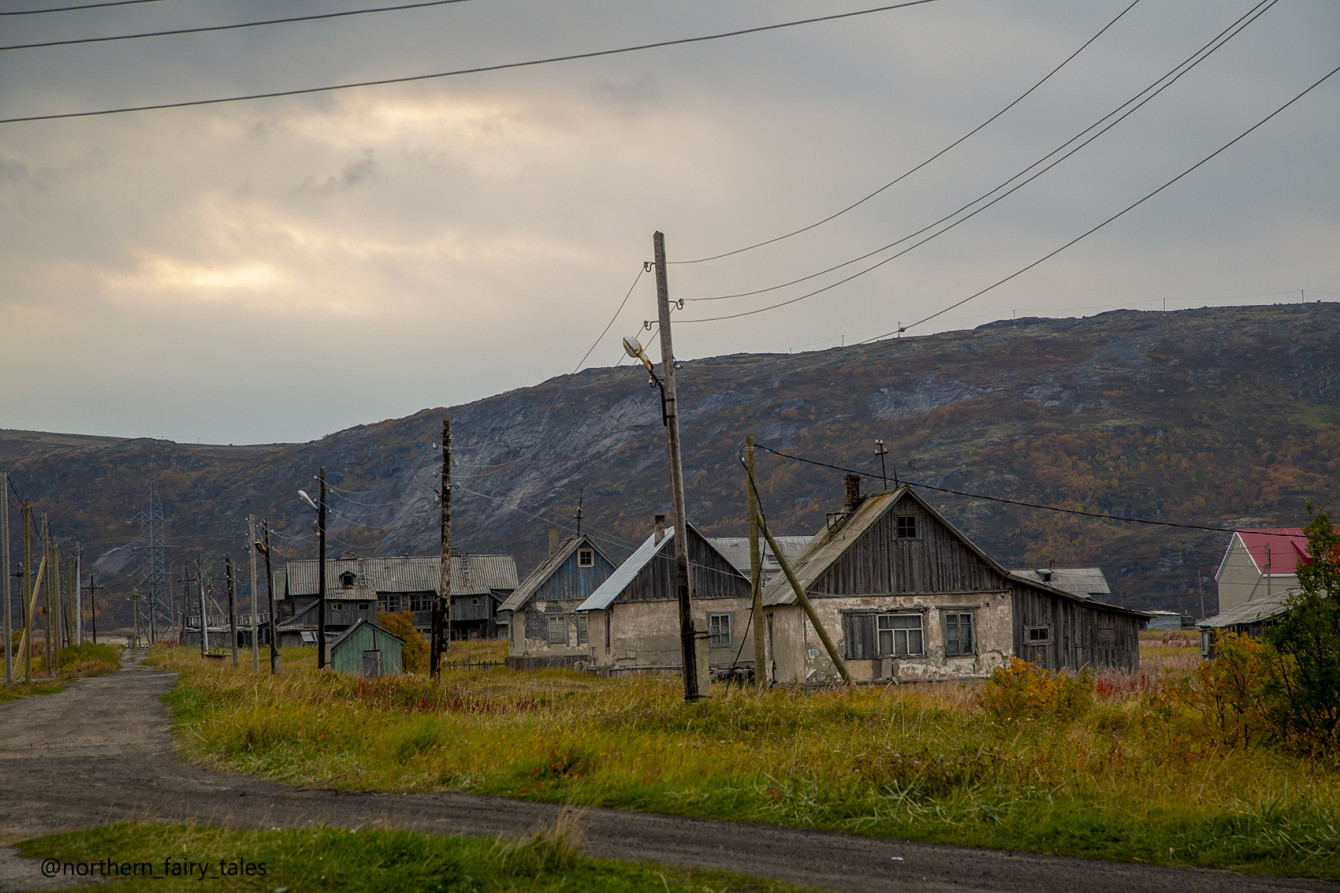
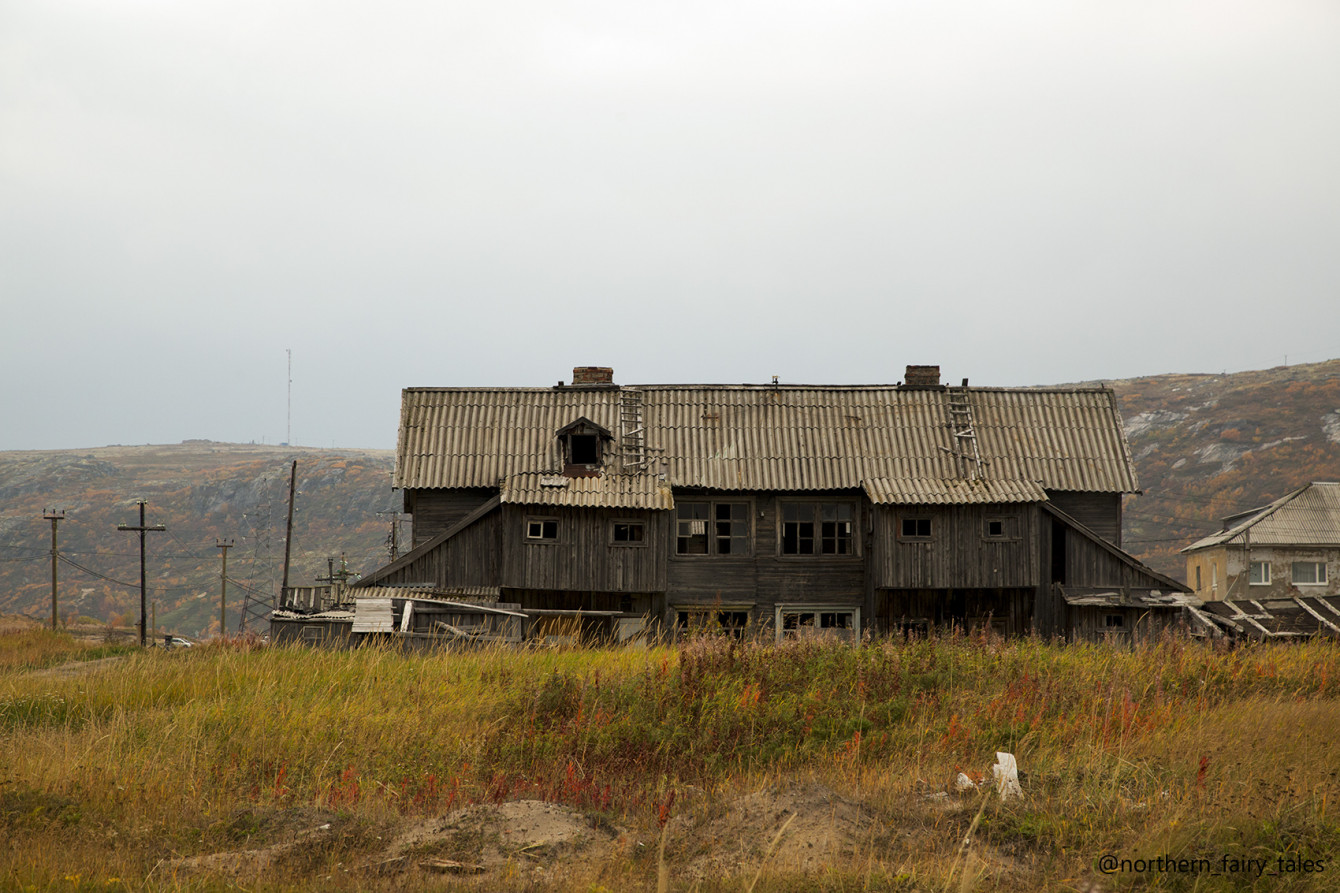
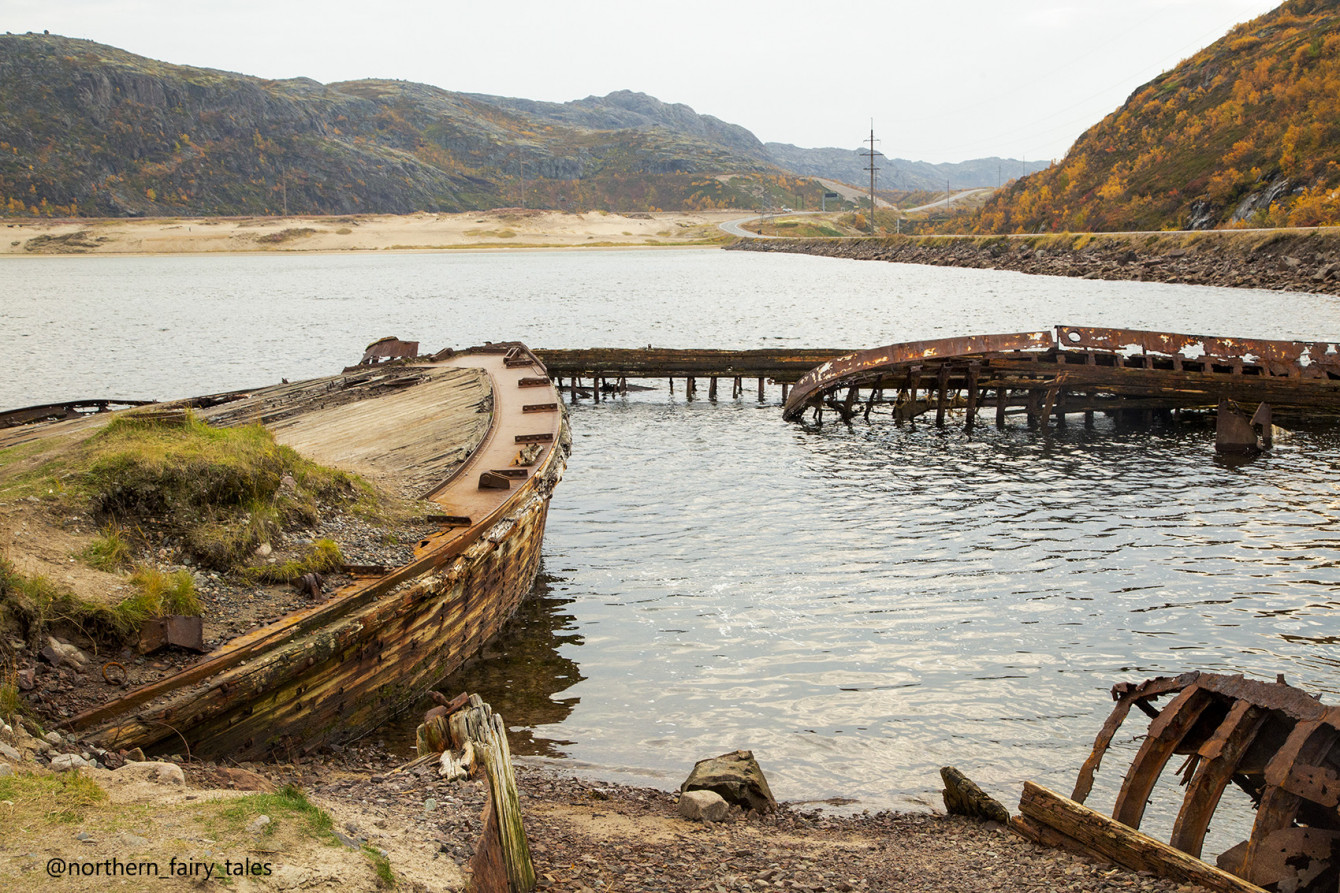
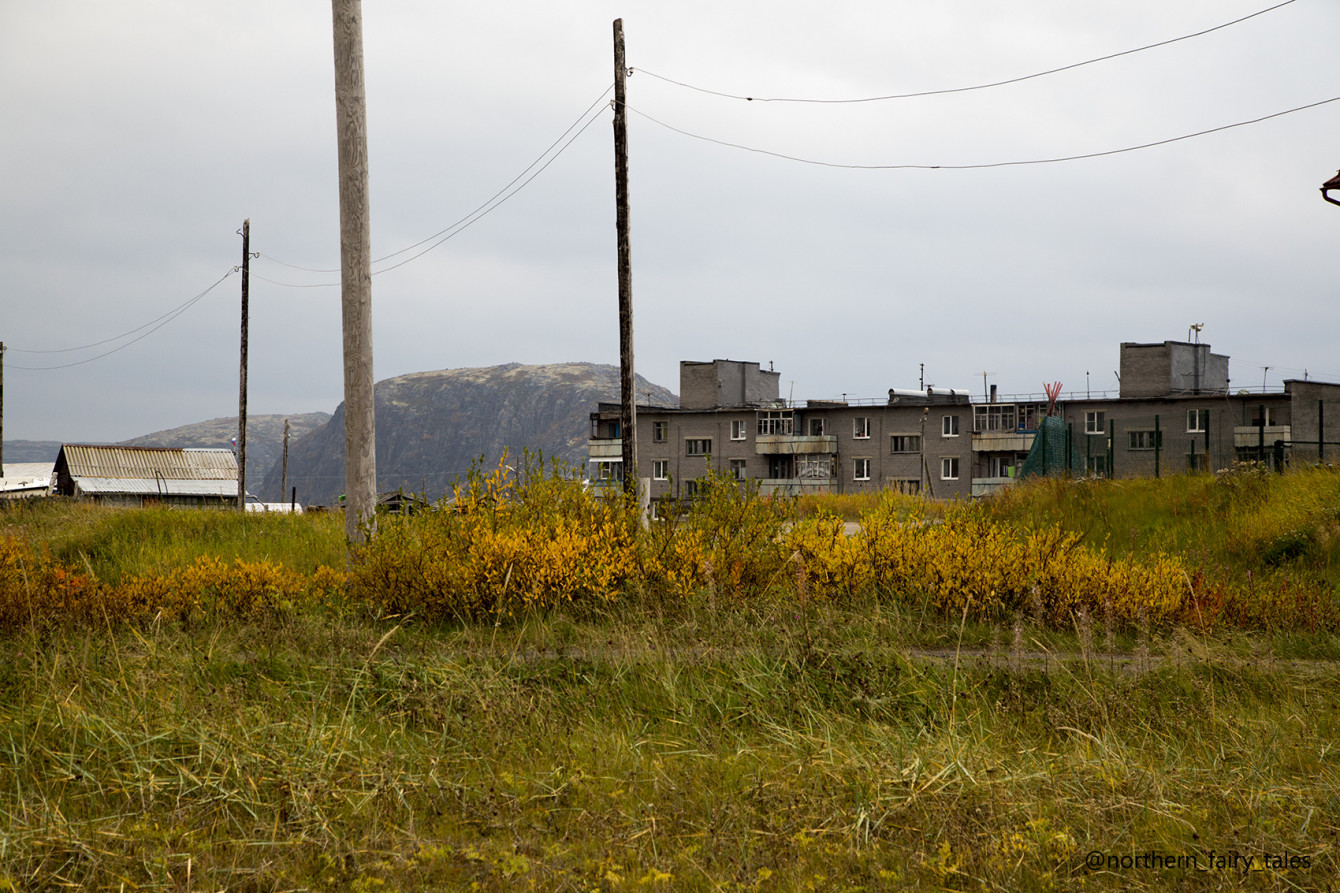
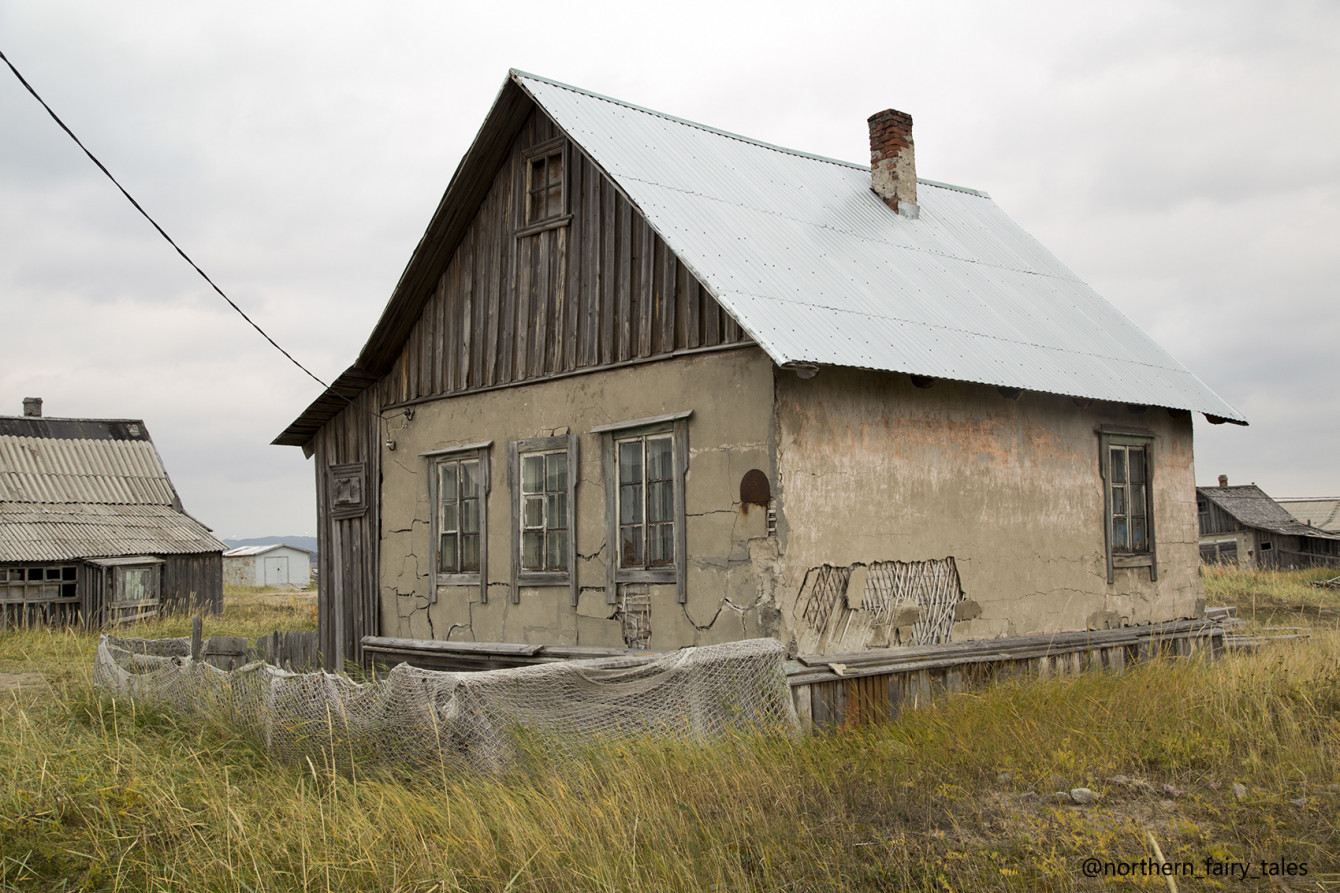
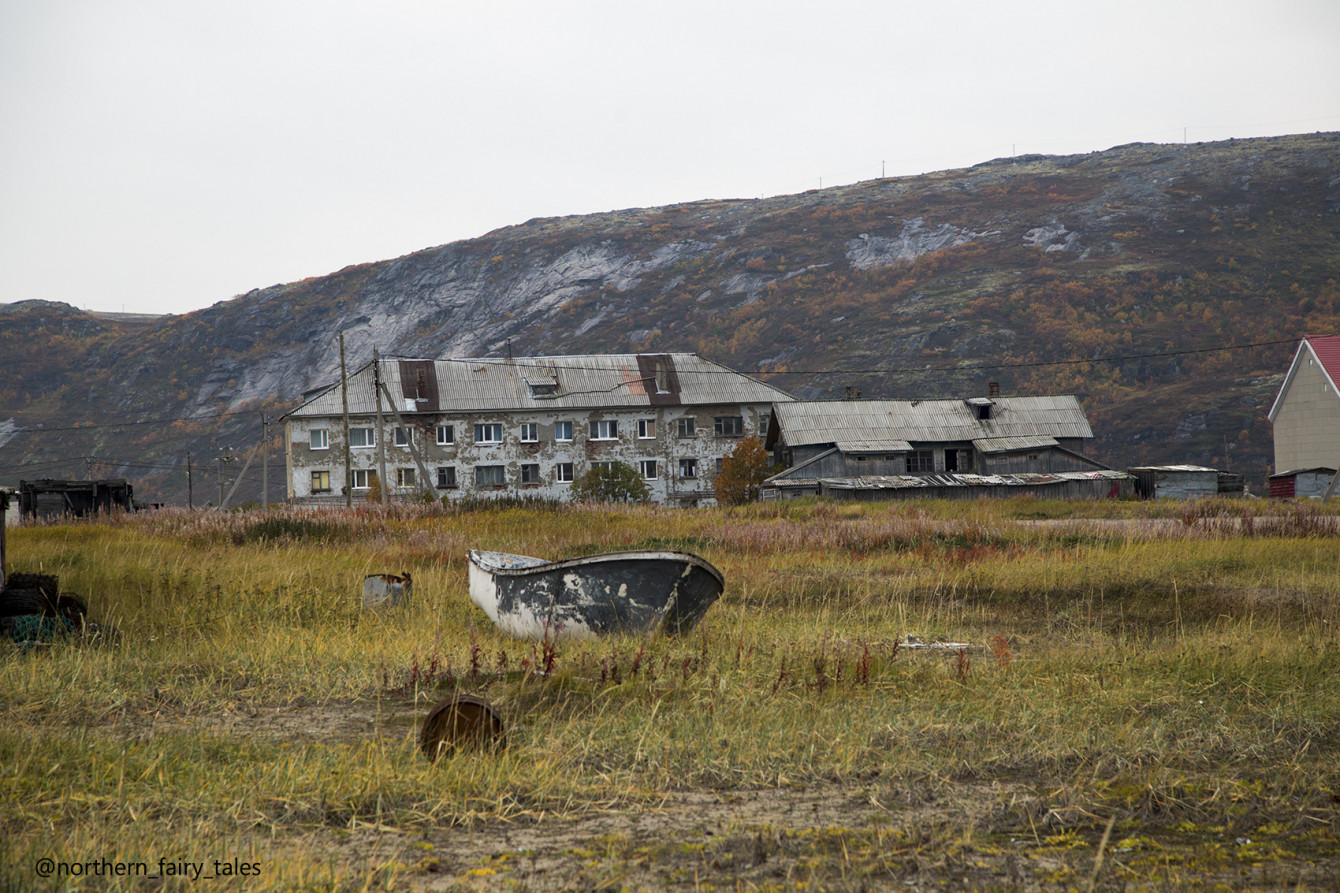
It is known as a Pomor settlement, where people were engaged in fishing and whaling as early as the 16th century. Over its 500 years, Teriberka has repeatedly experienced rises and declines. By the beginning of the 20th century, more than 1,500 people already lived here. Through the efforts of the Bolsheviks, a collective farm with a powerful production base was created here. By the early 1960s, the settlement of Lodeynoye had been built and merged with the village; it now consists of several atmospheric, slum-like three- to five-story apartment blocks. There was also a ship repair yard, a printing house, fish processing, a reindeer farm, and more.
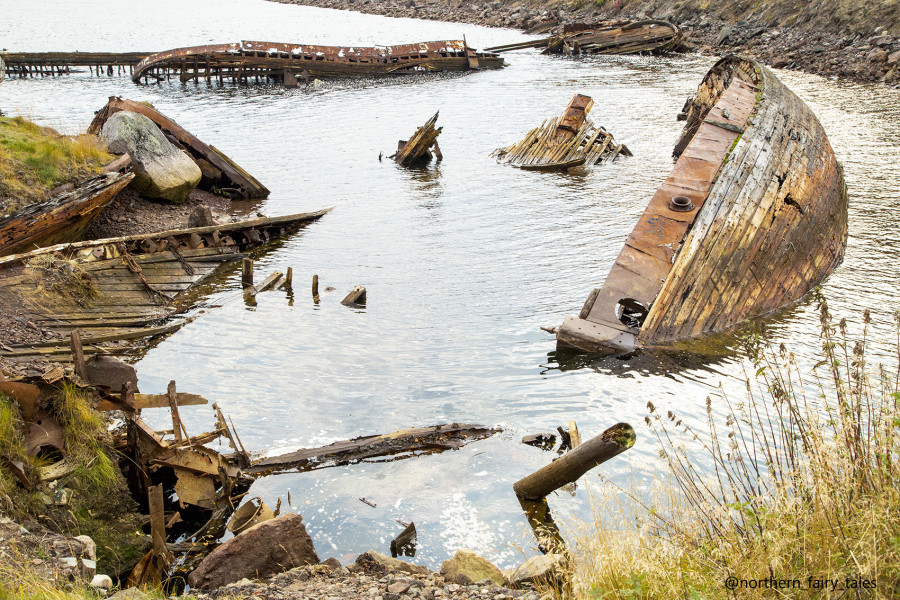
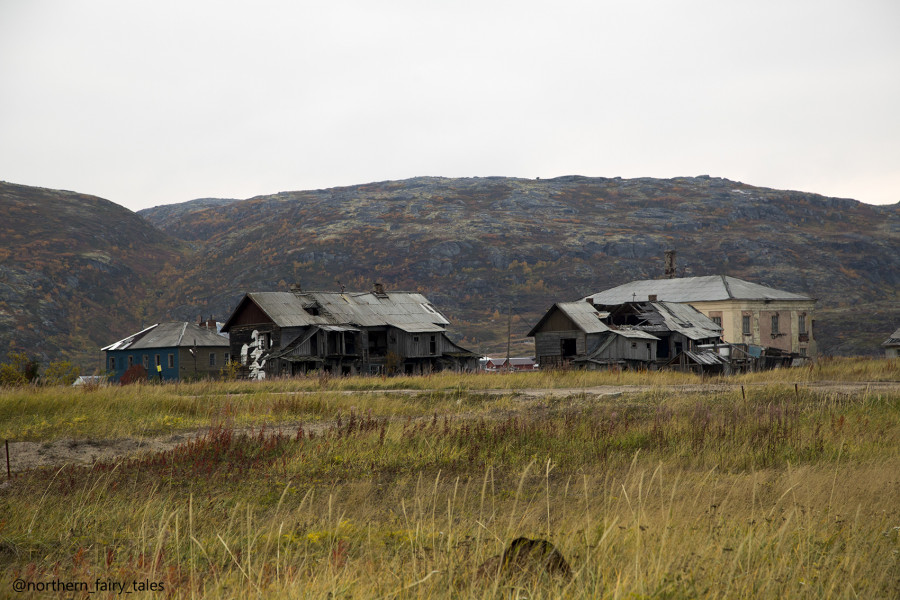
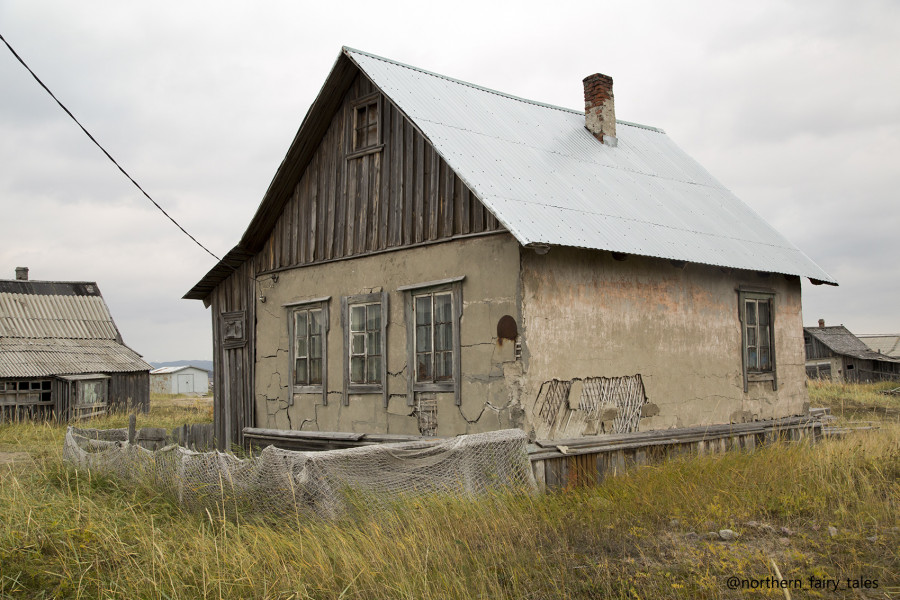
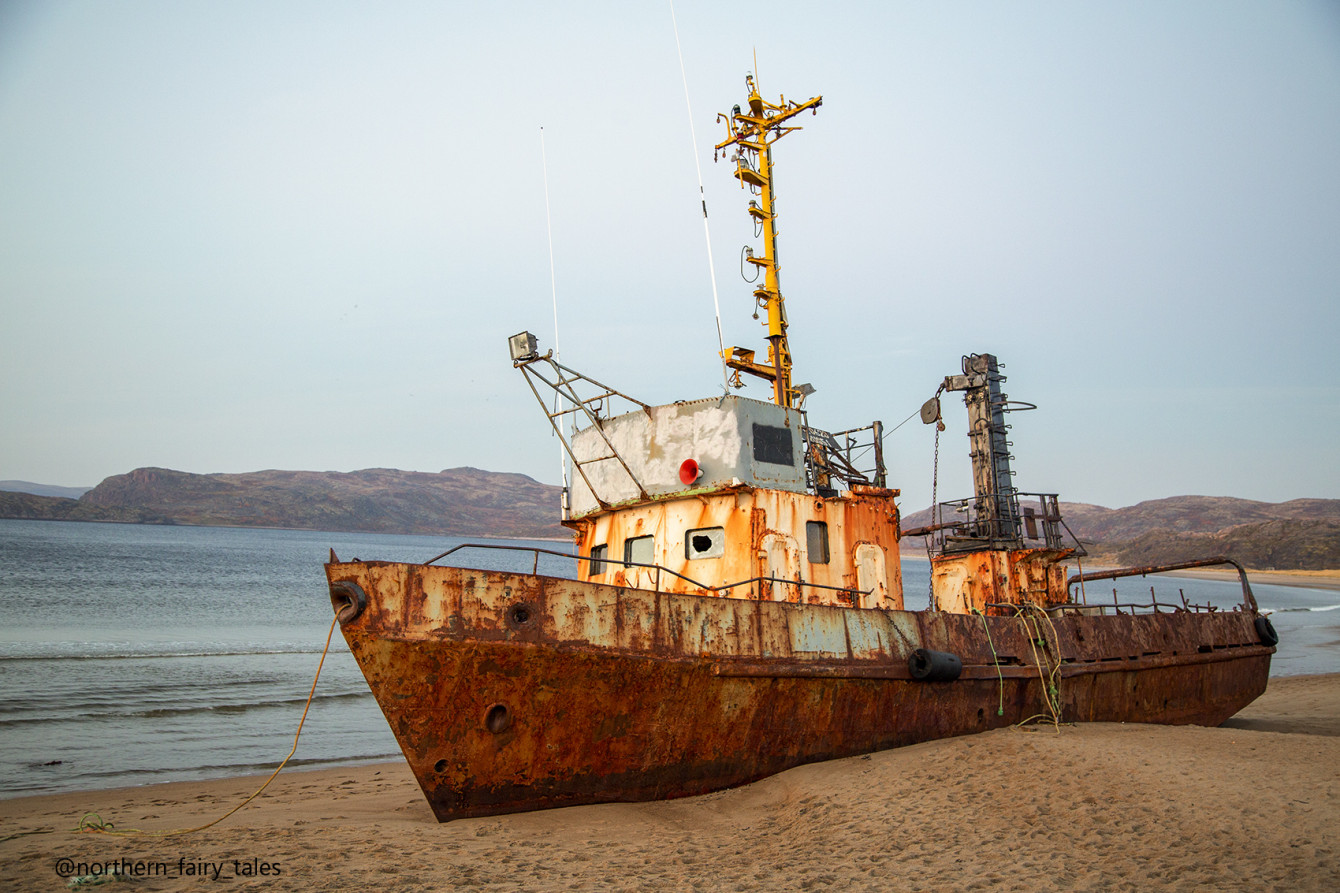
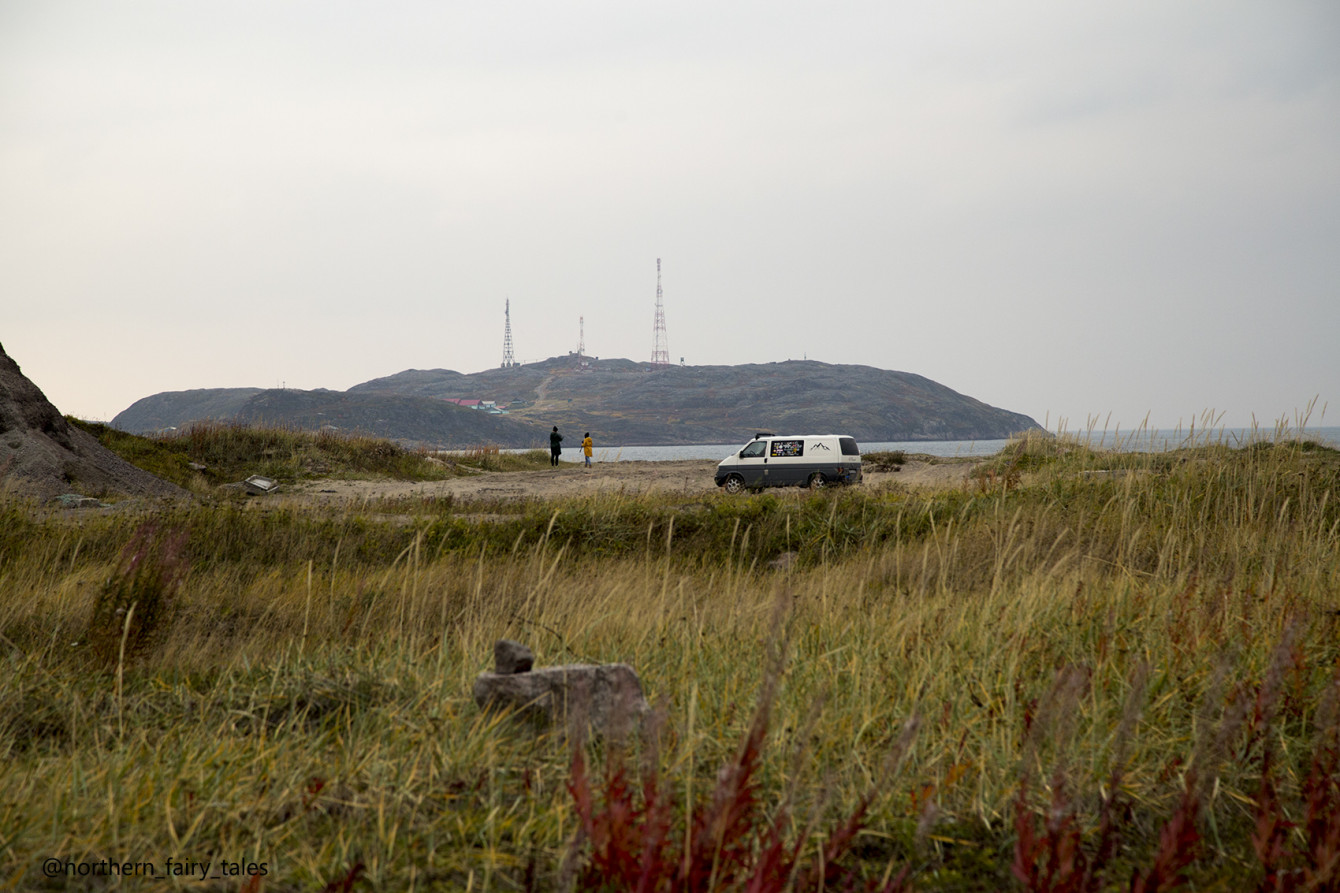
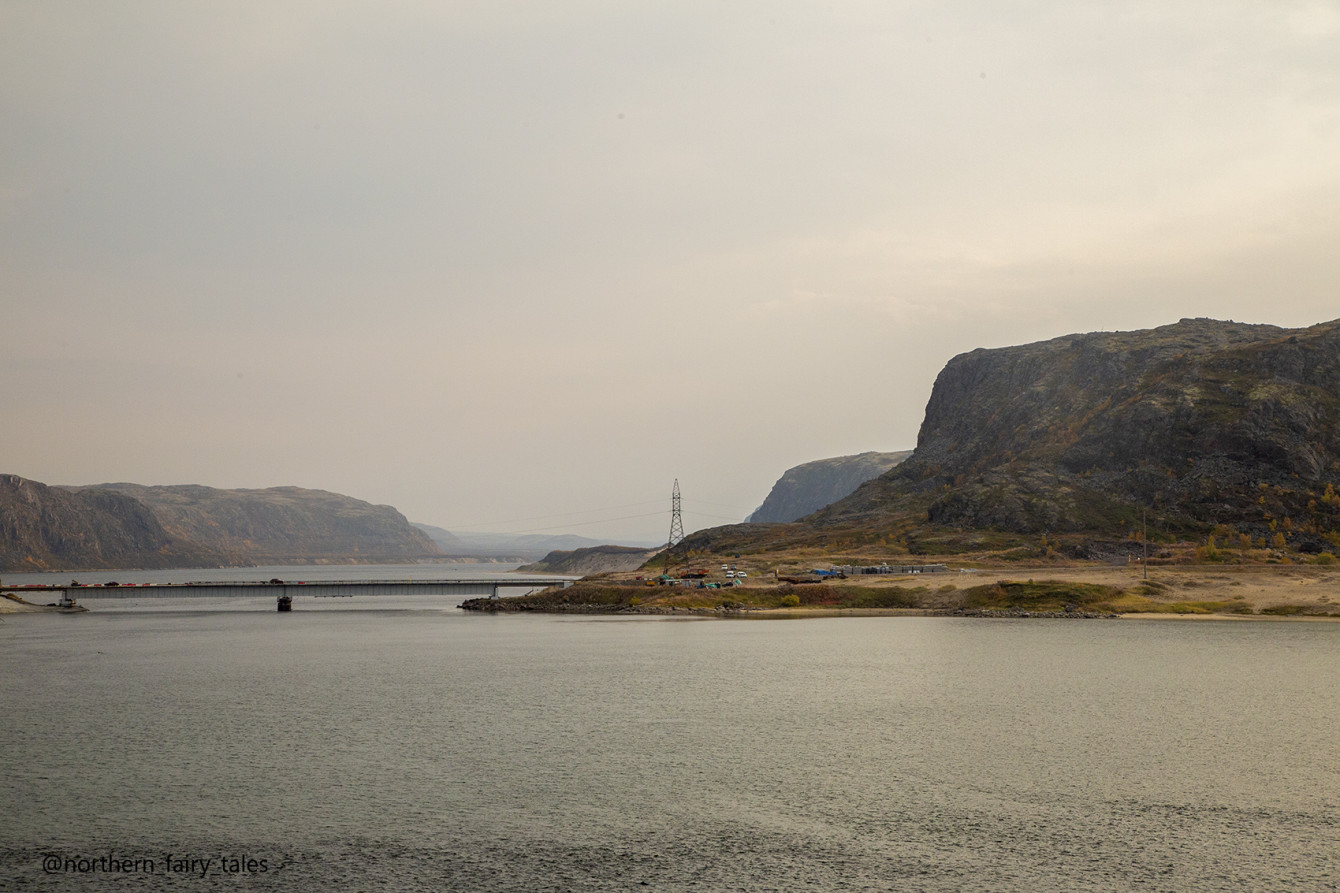
Then the swing moved in the other direction, and by the beginning of the 1990s this had become a model northern dying backwater — no jobs and no roads, a disappearing population, the complete collapse of infrastructure, and no prospects. Only the filming of the widely known and controversial movie marked the beginning of a completely new period: an asphalt highway (still being completed at the time of our trip), an endless stream of tourists, and the striking contrast between modern hotels and glamping sites and the dying Soviet and pre-Soviet architecture set against the piercing landscapes of the Arctic Ocean and the mountain tundra. Amazing twists of fate, a very unusual syncretism, the like of which we had not seen before.
We stayed there for two or three days, walked around a little, and took photographs. In order not to disrupt the style of our blog, in this report we publish only those photographs that can emphasize the atmosphere of decline against the background of harsh northern nature. Enjoy :)
Comments
There are no comments for this article yet. Be the first to comment!