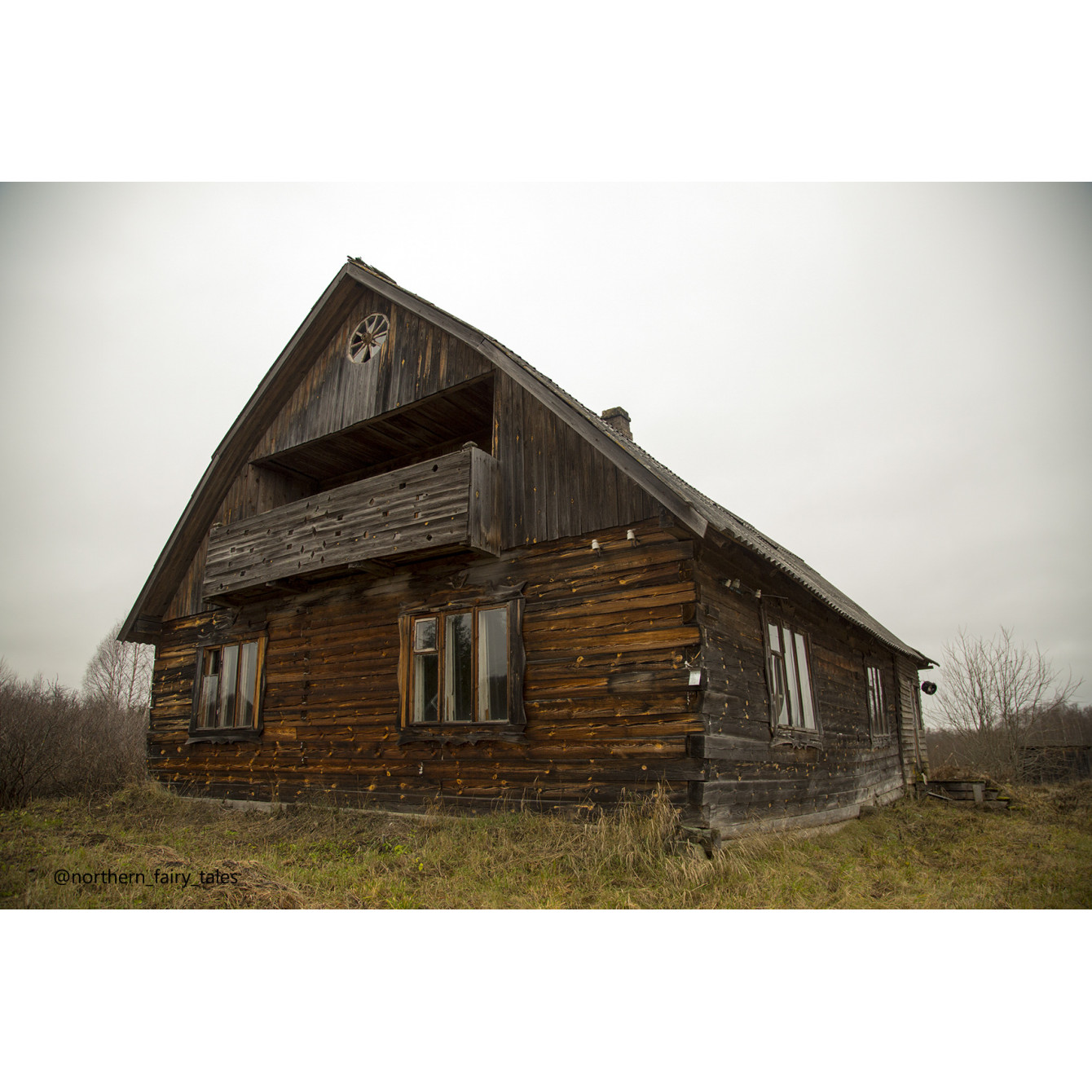
In the traditional worldview of the Russian peasant, the surrounding space was clearly divided into the sacred and the profane. While the latter is not the focus here, even sacred spaces were differentiated—they could be either holy or dangerous. Yet this boundary was never absolute: what was sacred could, under certain circumstances, become perilous, and vice versa. One of the most feared locations, due to its unique communicative qualities, was the abandoned house.
According to folk belief, the house spirit (domovoy) would either leave such a place or transform into a demon, revealing its sinister nature. This idea is reflected in an old Russian saying: “From an empty house come either an owl, a screech owl, or Satan himself.” The people believed that devils most often inhabited abandoned, uninhabited homes, especially those marked by tragedy—suicides, murders—and that the spirits lurking there could terrify passersby. The 19th-century ethnographer P.S. Yefimenko wrote that there were houses so feared that people would not dare walk past them after dark.
Modern researcher N. Terebikhin observed: “A dead (empty, abandoned) house is perceived as a locus of the chthonic anti-world... Empty houses were associated with ‘unclean forces’ and the restless dead. In some cases, an abandoned house was considered an even more dangerous place than a cemetery—the official realm of death.”
Encounters with folk demons in these spaces could be either spontaneous or intentional. Numerous folktales recount the former—such as the story of Vasily Kvasov, who mistakenly wandered into his abandoned house after a night of drinking, fell asleep, and awoke to see a monstrous creature with red eyes, horns, and a pig's snout staring at him through the window. Terrified, he fled the house and demolished it the next day, but strange noises—footsteps over the ruins—continued for a year.
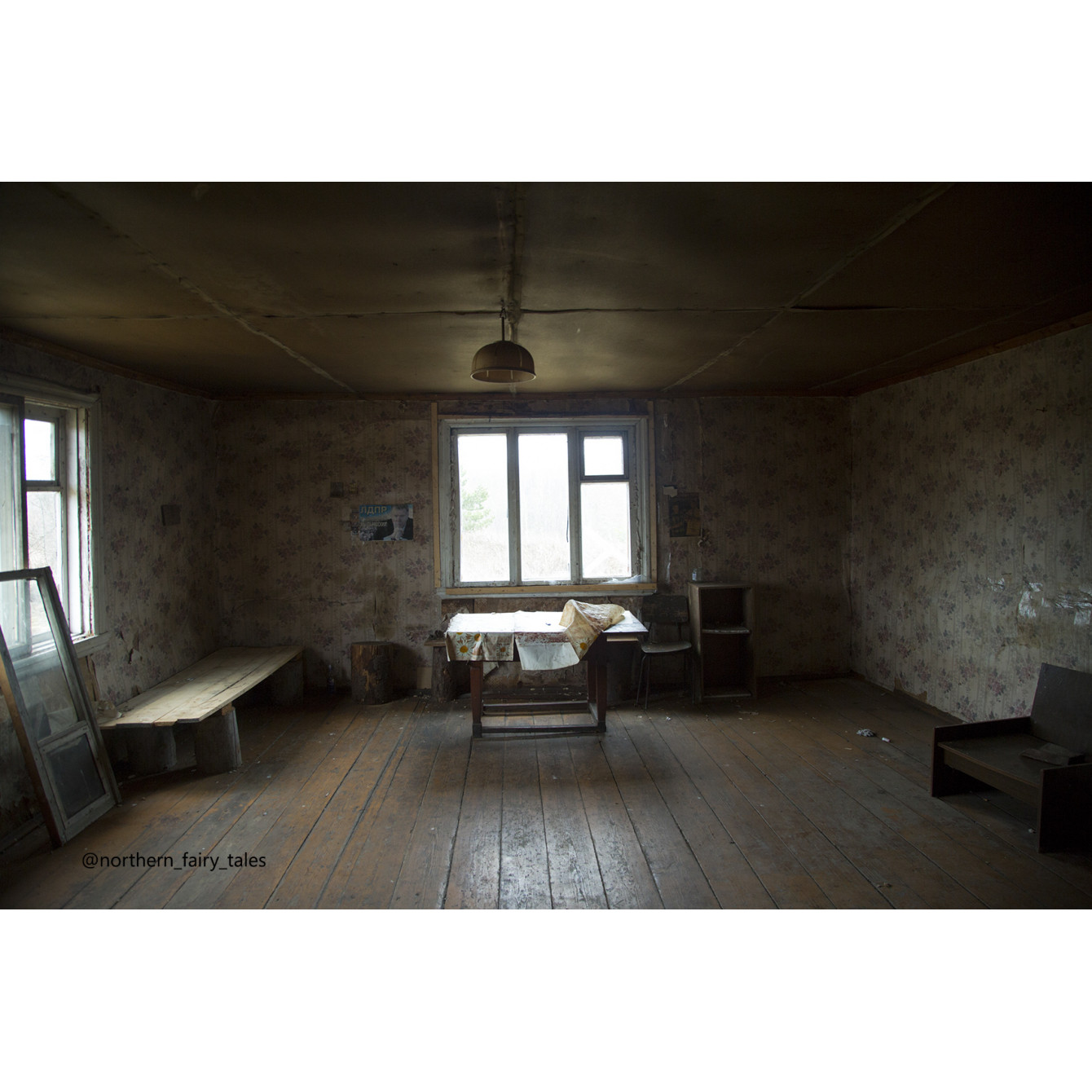
Intentional encounters were also part of the folk tradition, including deliberate contact with restless spirits or the use of abandoned houses for divination. One tragic tale tells of two inseparable friends—one of whom died young. The surviving girl began secretly visiting an empty house where she claimed to meet her dead friend, who taught her to dance. When asked about these visits, she replied, “She has little hooves.” The girl soon sickened and died.
Folk divinations—often practiced during major calendar festivals like Christmas or Easter—frequently took place near or inside abandoned buildings. A Karelian ethnographer, K.K. Loginov, recorded a dangerous rite from Vodlozero: on Easter week, daring youths would sweep an abandoned house, hide under the table, and call upon their future betrothed to appear. Terrified by the sound of approaching footsteps, they almost always fled before the vision could manifest.
Thus, the abandoned house stands as one of the most accessible yet powerful sites for encounters with the supernatural—an ideal place for today’s seeker of the hidden, armed with ethnographic knowledge, to attempt to penetrate the forgotten world of folk demonology.
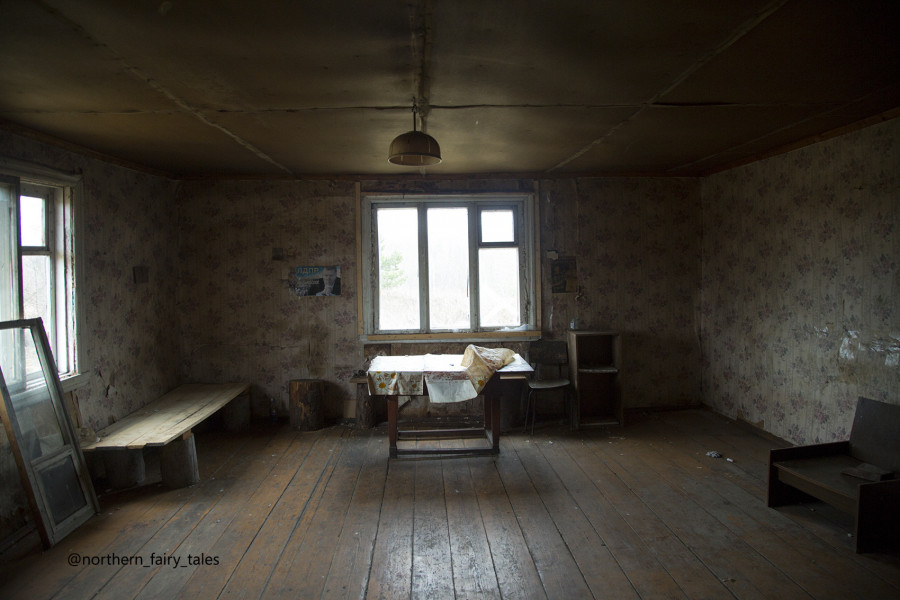
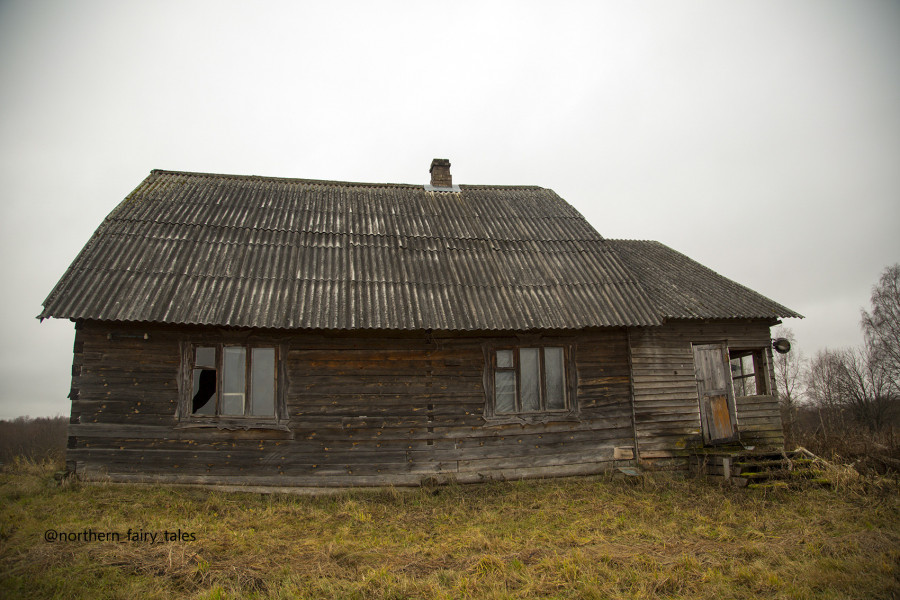
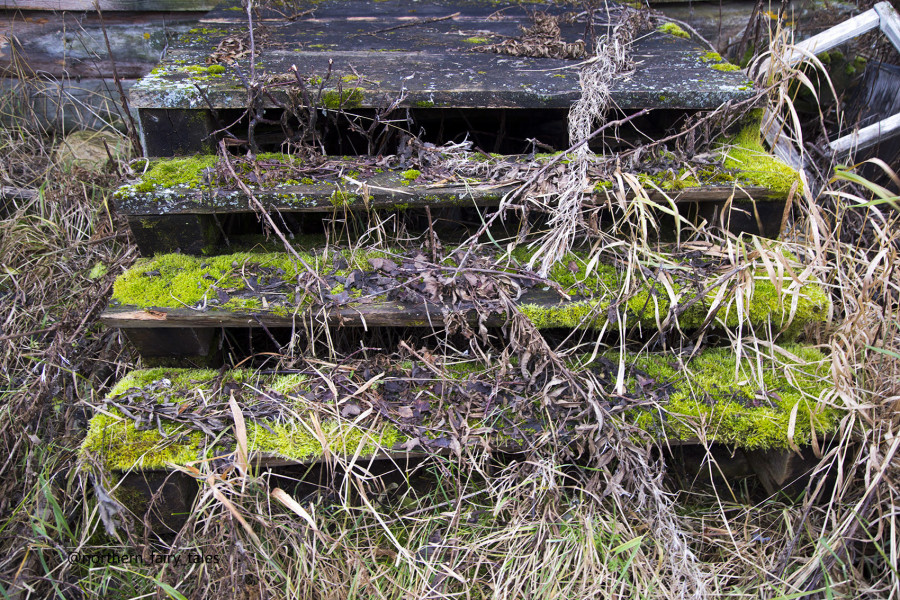
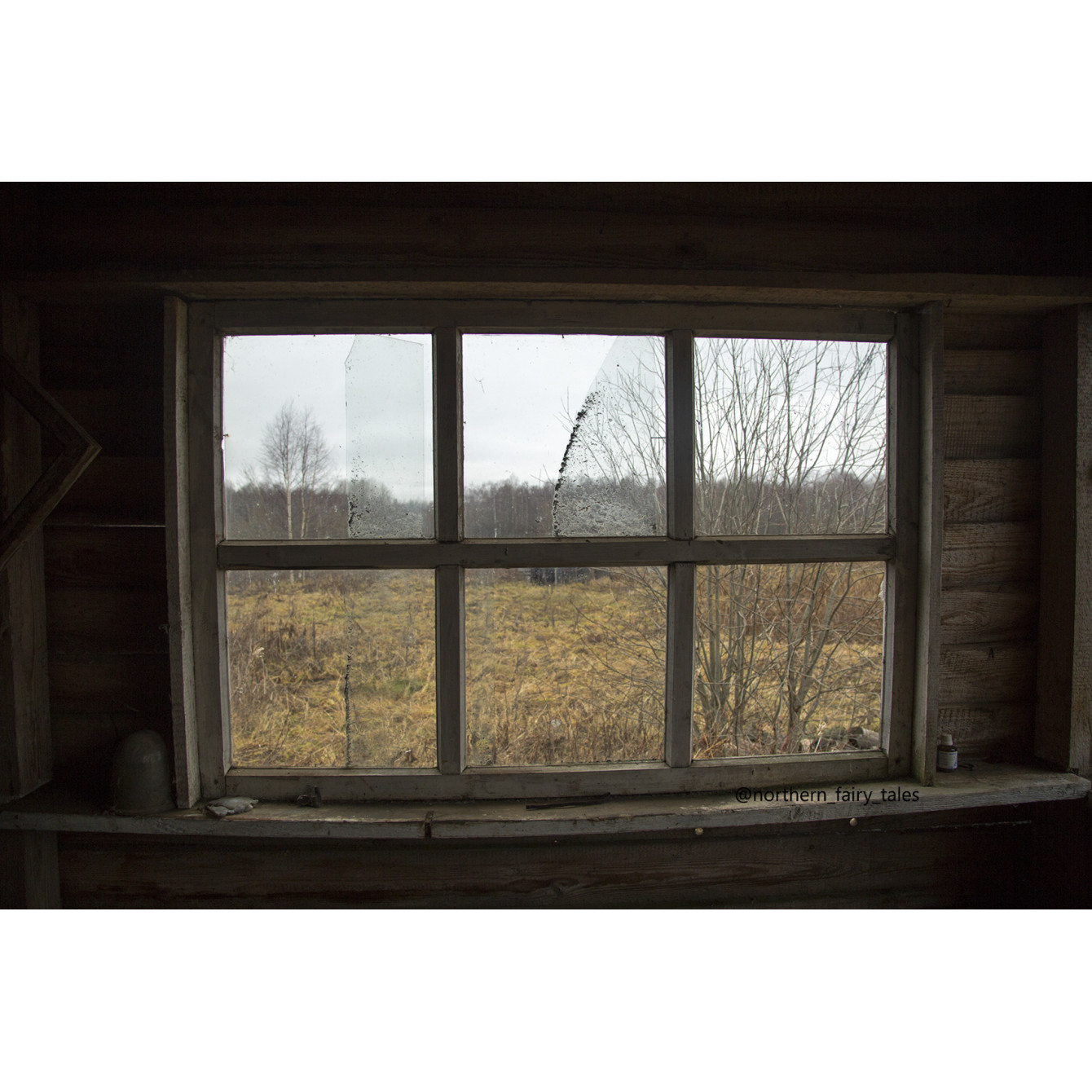
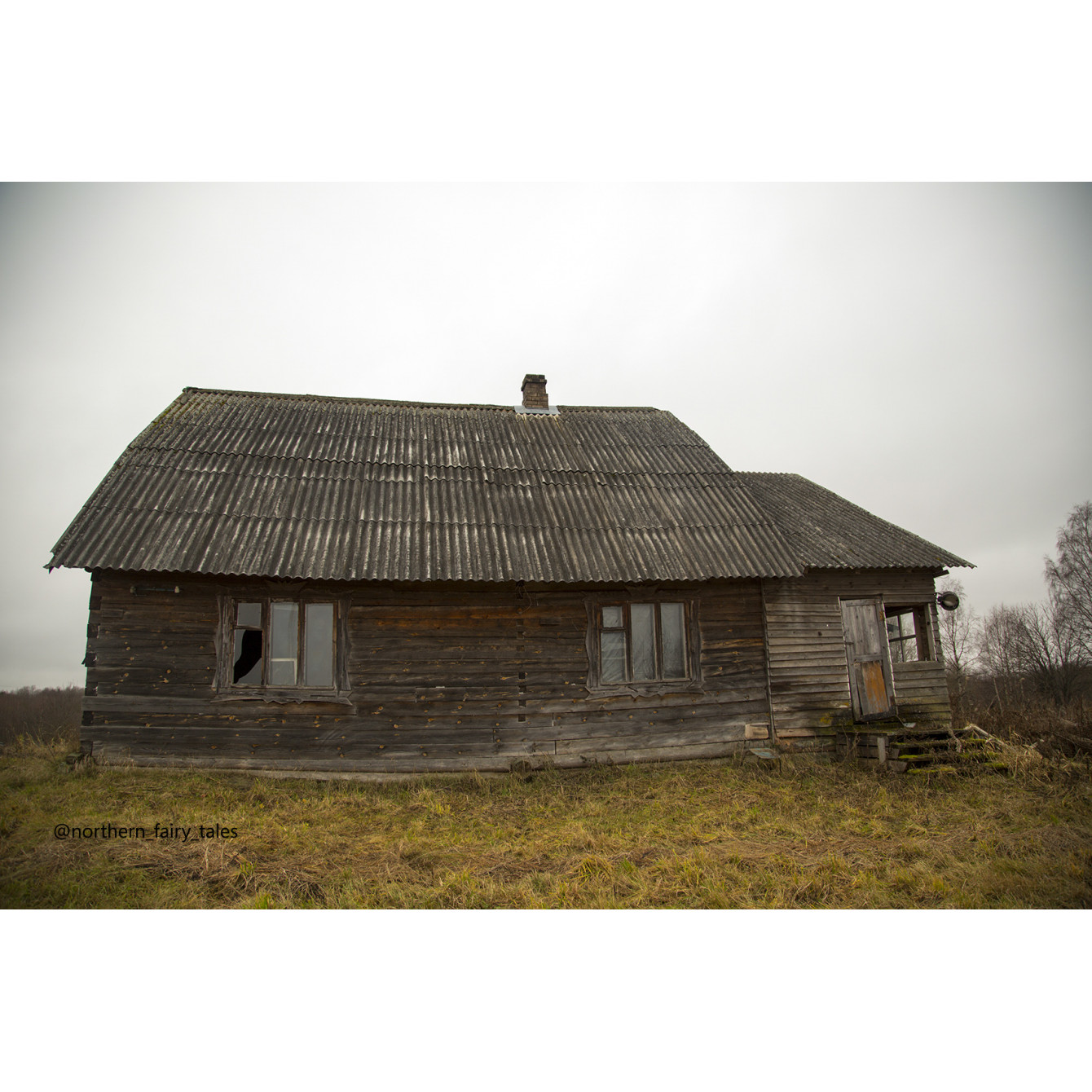
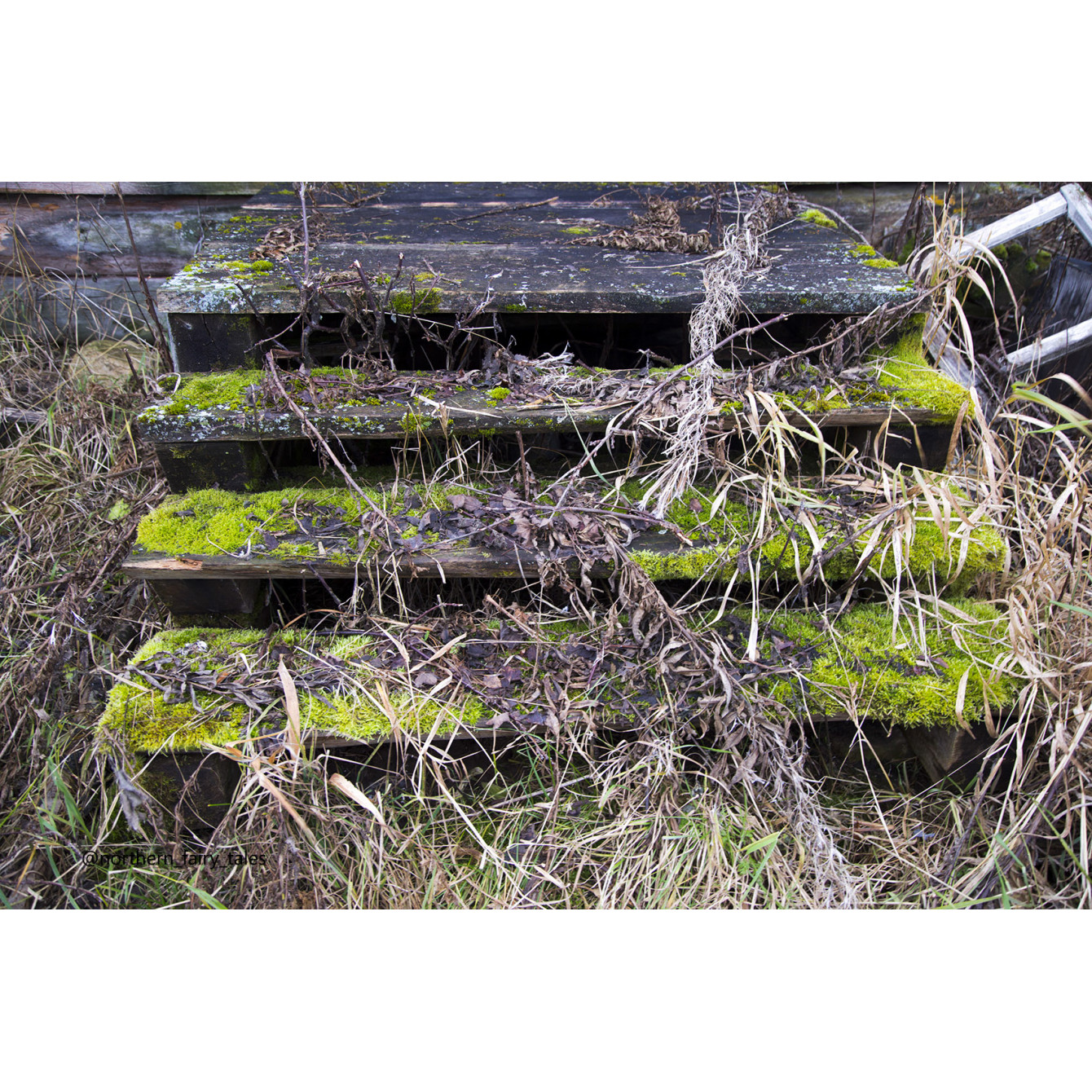
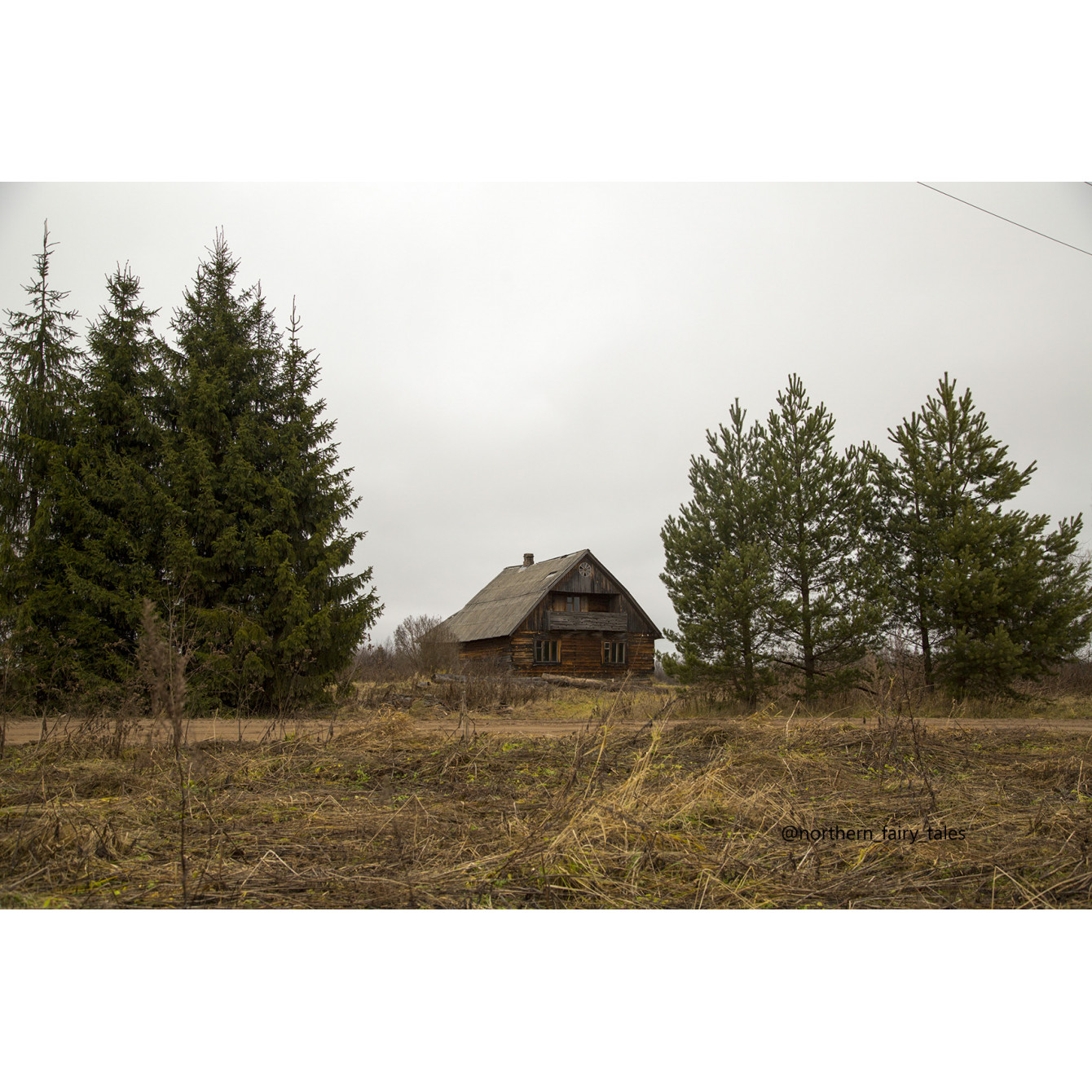
These photographs were taken in one such house in the Vologda region.
Comments
There are no comments for this article yet. Be the first to comment!