From Vepsian Folklore: How to See the Dead
search
  • From Vepsian Folklore: How to See the Dead
  • From Vepsian Folklore: How to See the Dead
  • From Vepsian Folklore: How to See the Dead
  • From Vepsian Folklore: How to See the Dead
  • From Vepsian Folklore: How to See the Dead
  • From Vepsian Folklore: How to See the Dead
  • From Vepsian Folklore: How to See the Dead
  • From Vepsian Folklore: How to See the Dead
  • From Vepsian Folklore: How to See the Dead
  • From Vepsian Folklore: How to See the Dead
From Vepsian Folklore: How to See the Dead

From Vepsian Folklore: How to See the Dead

On the 40th day after death, when the traditional remembrance feast—sorochiny—is held, a separate place is set at the table for the departed: a chair, food, and a spoon. A small child who has not yet begun to speak is placed on the stove and asked to look through a sieve or a harness ring—objects commonly used in folk magic to connect with the Otherworld—toward the seat of the deceased.

Such a child, still spiritually connected to the world of ancestors and believed to possess prophetic abilities, is expected to give signs indicating whether or not the spirit of the departed is present at the remembrance table.

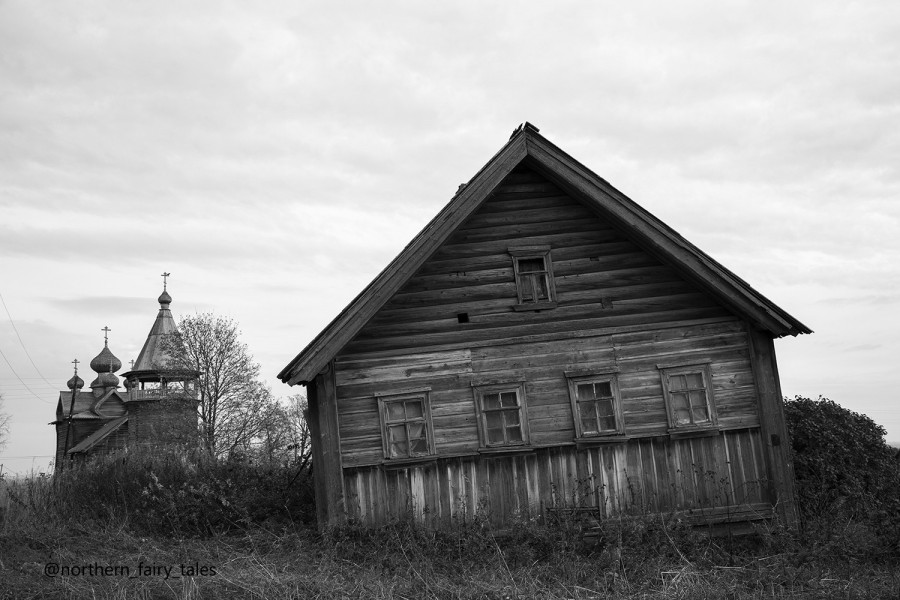
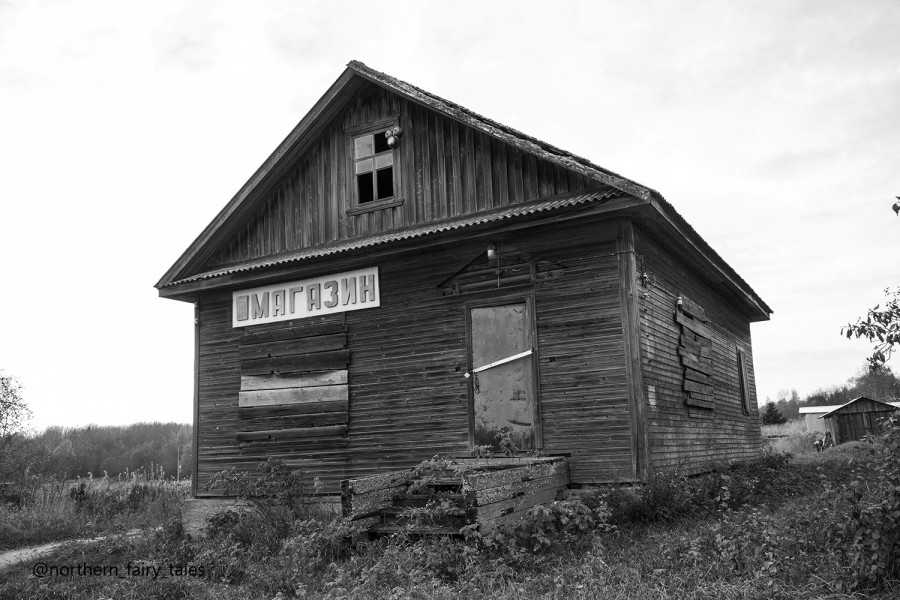
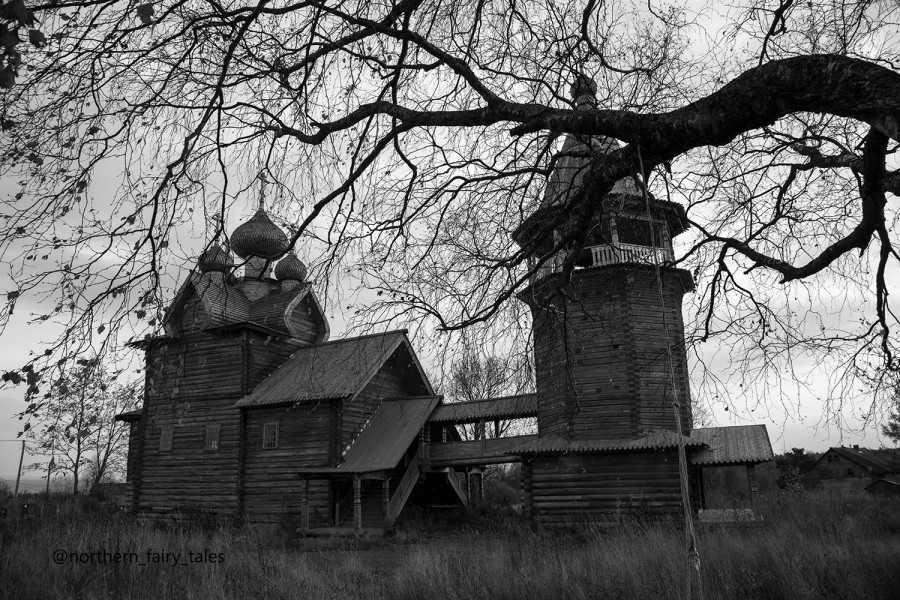
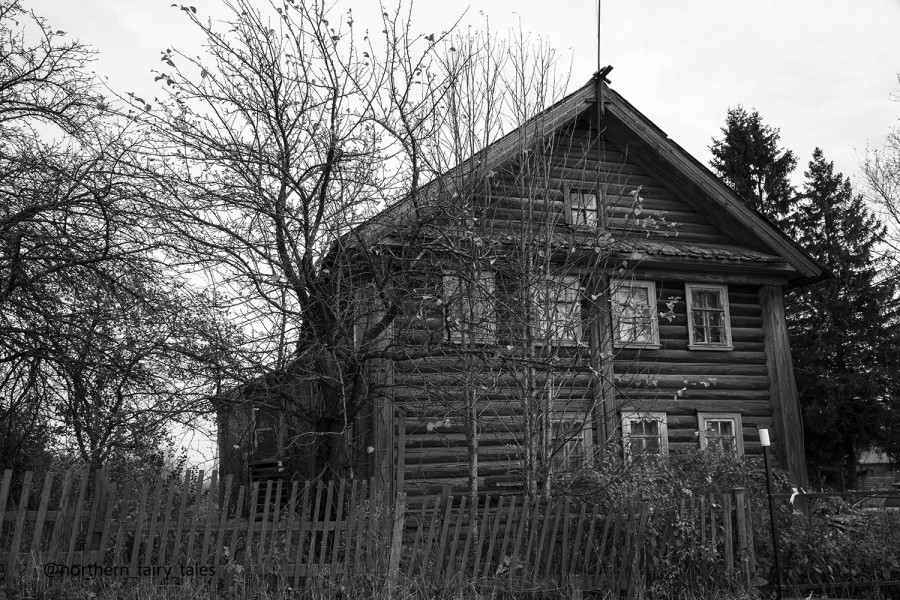
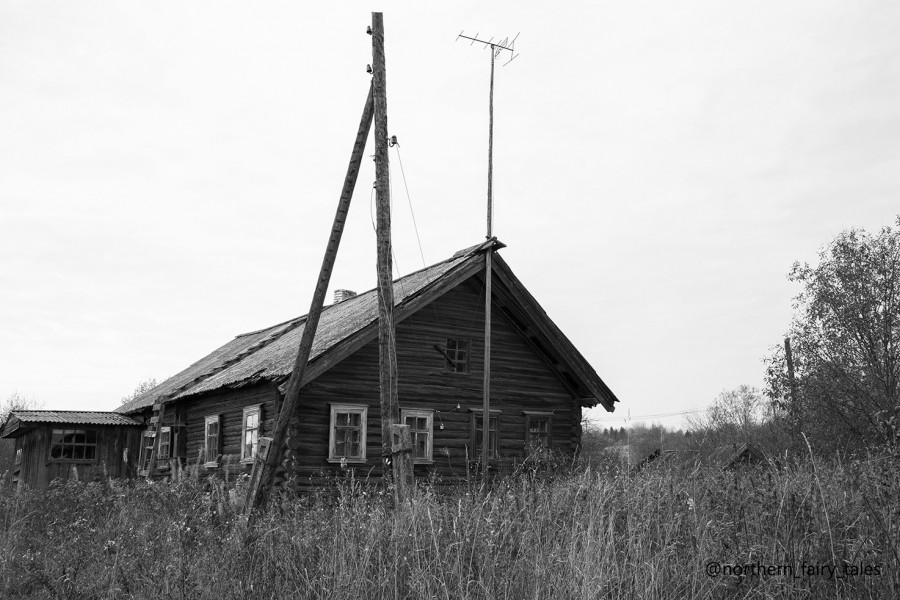
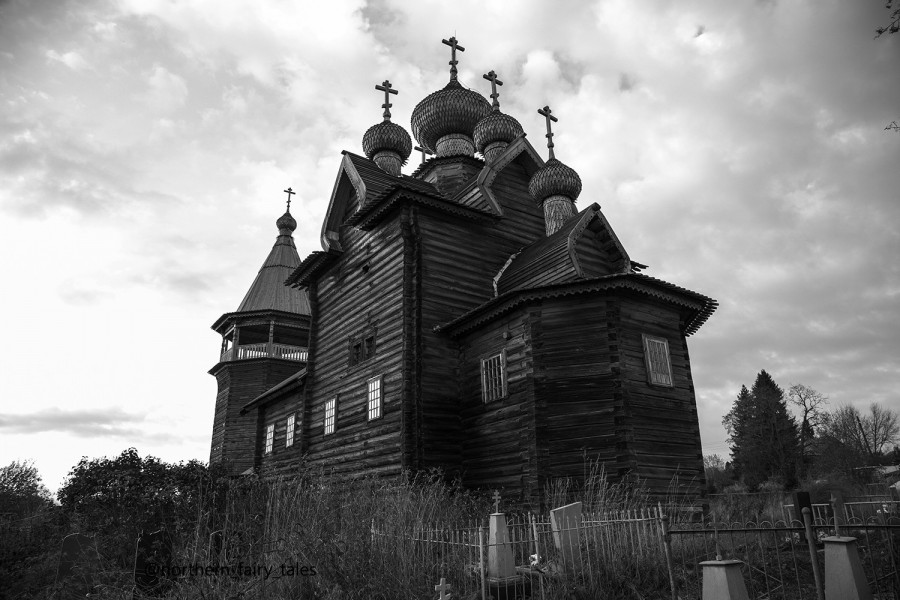
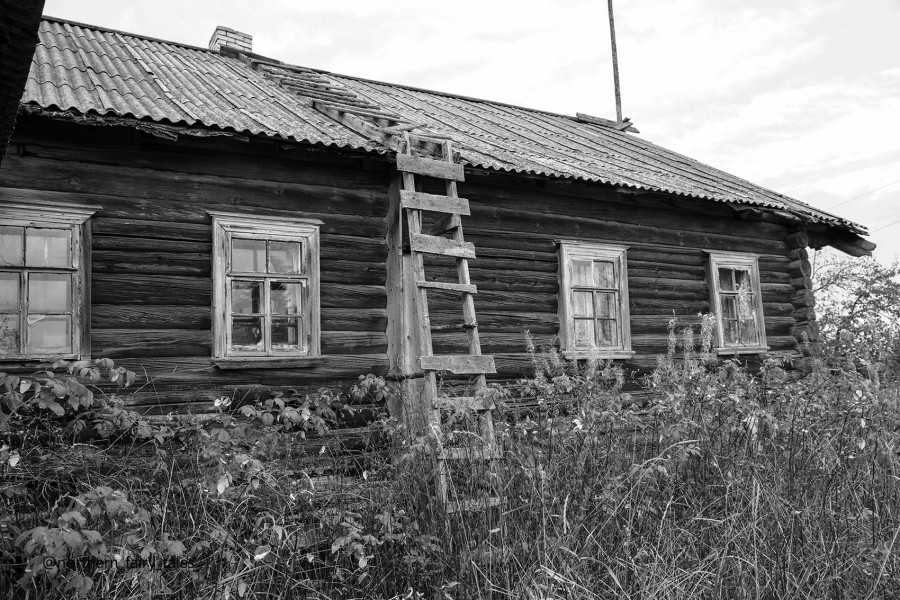
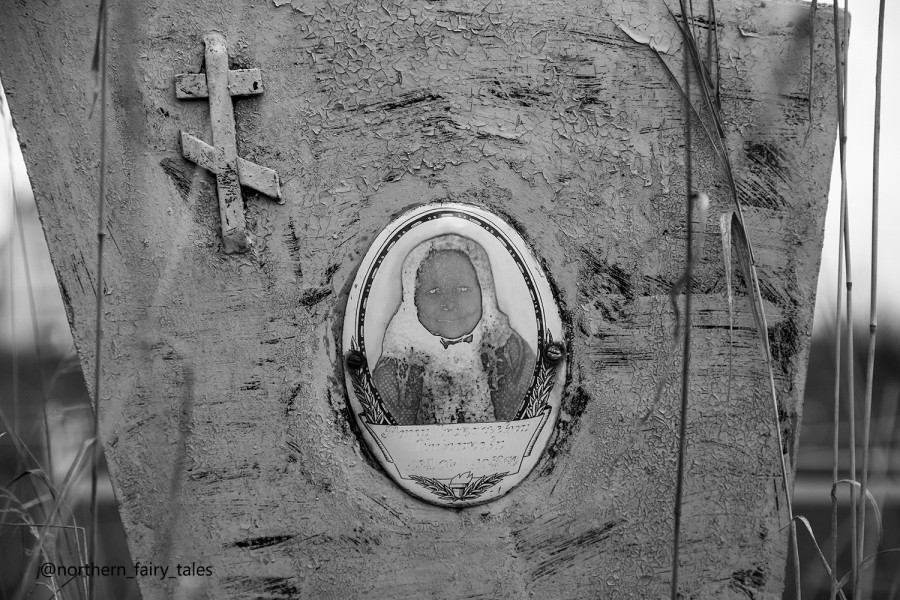
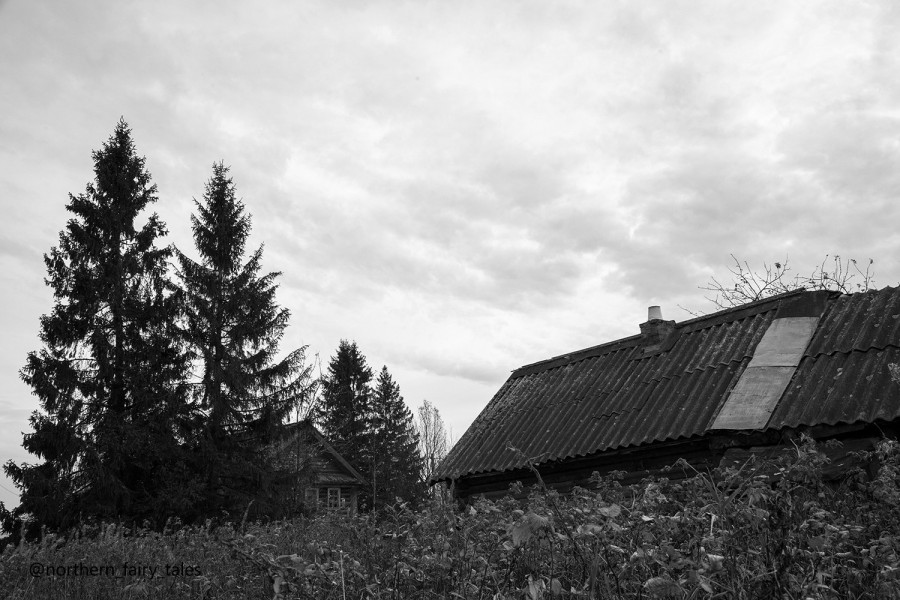
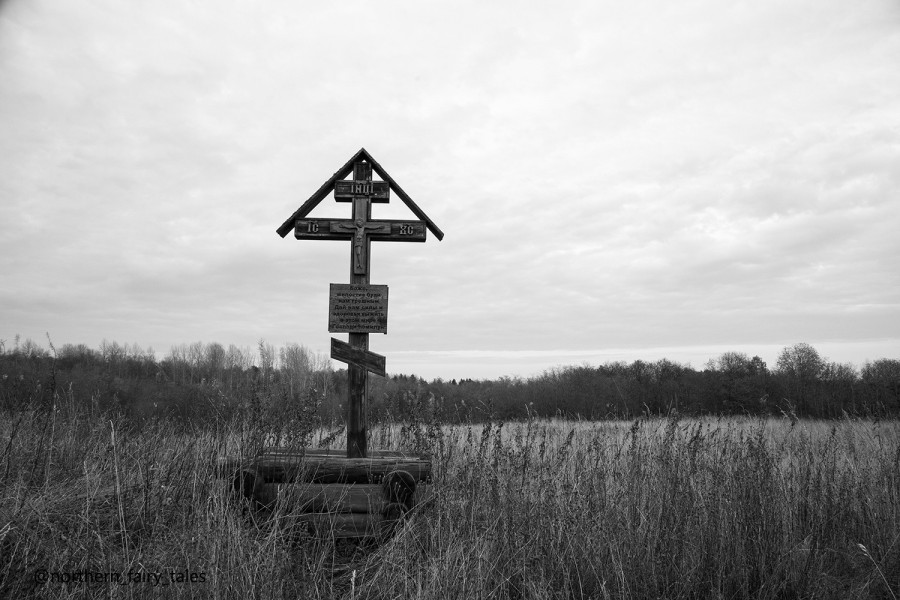
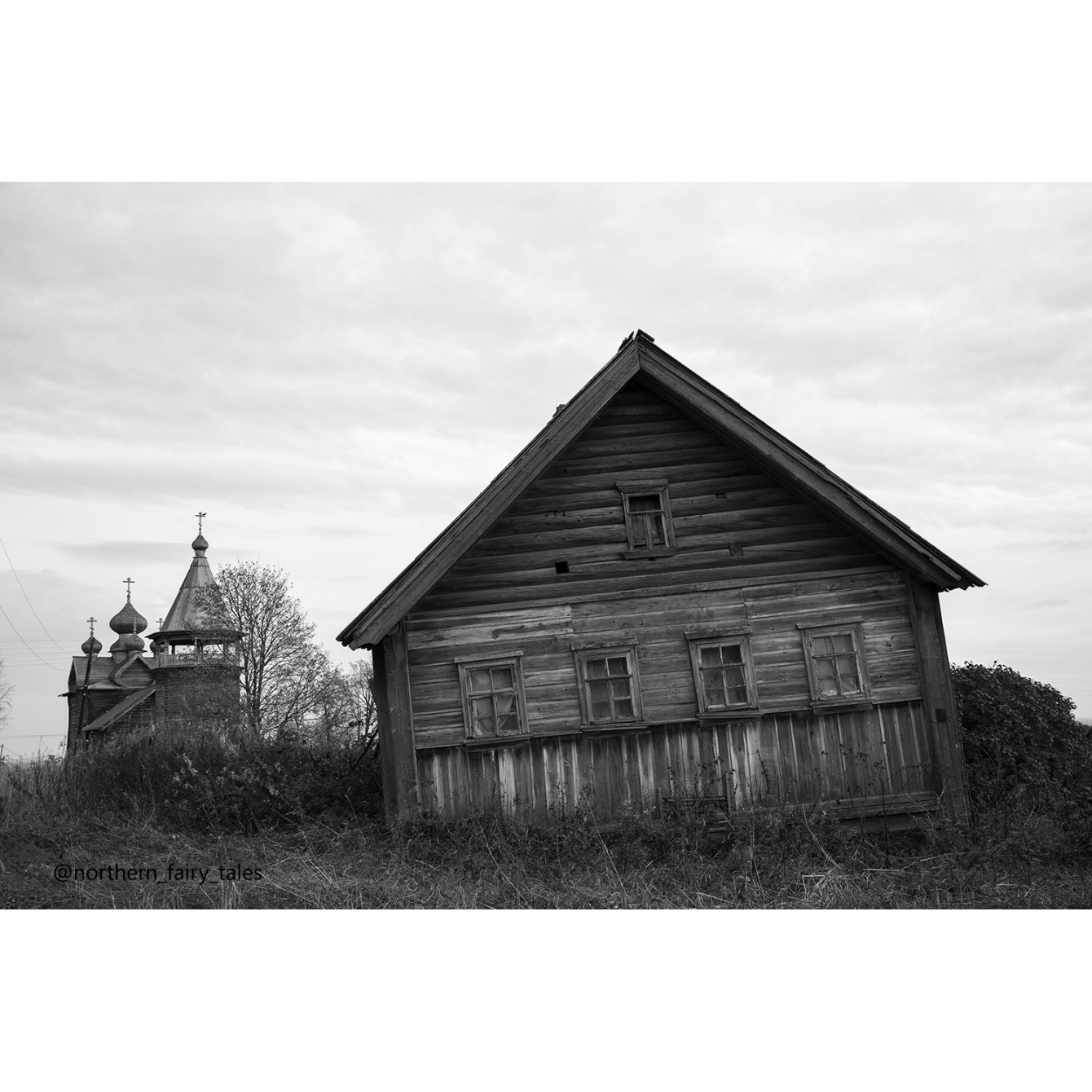
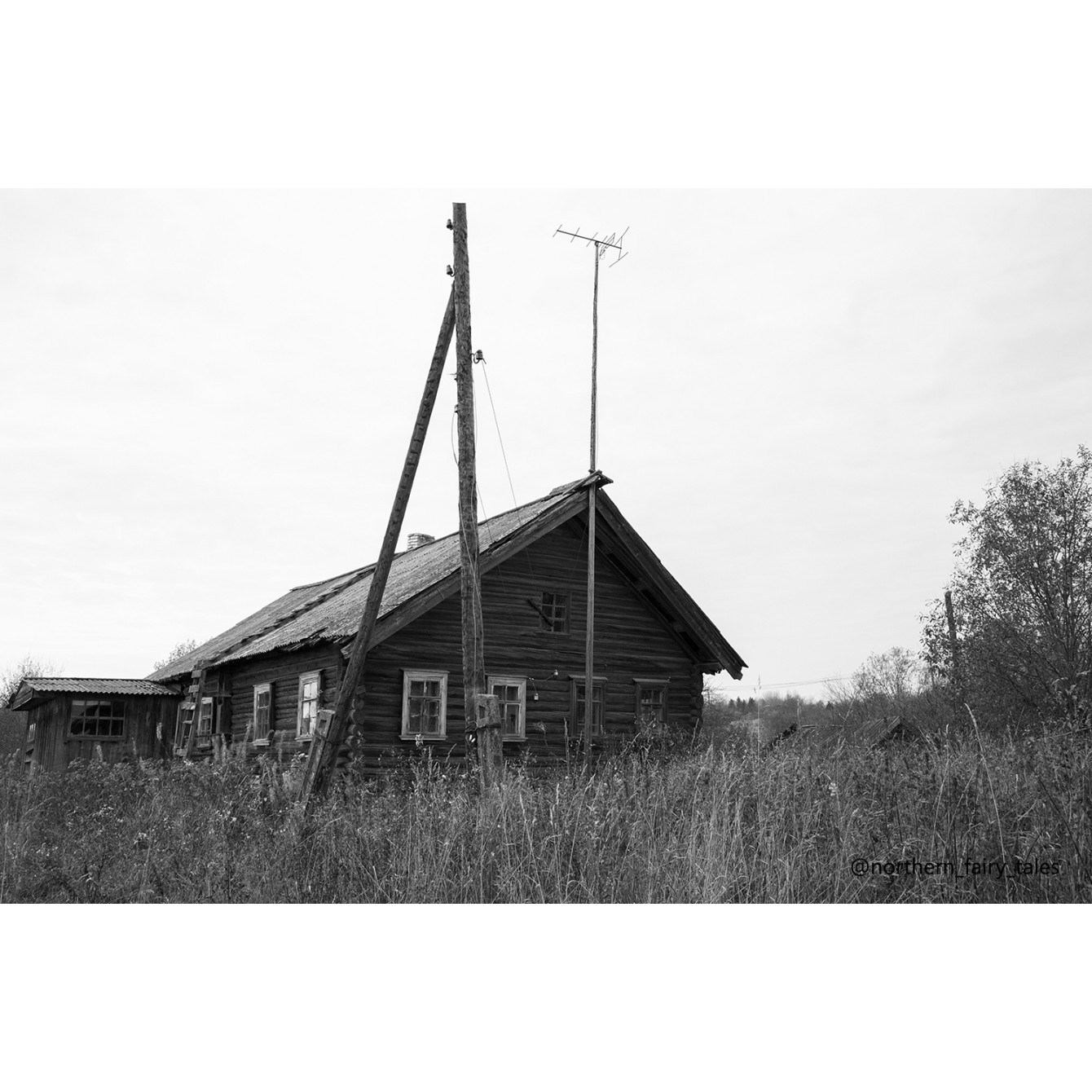
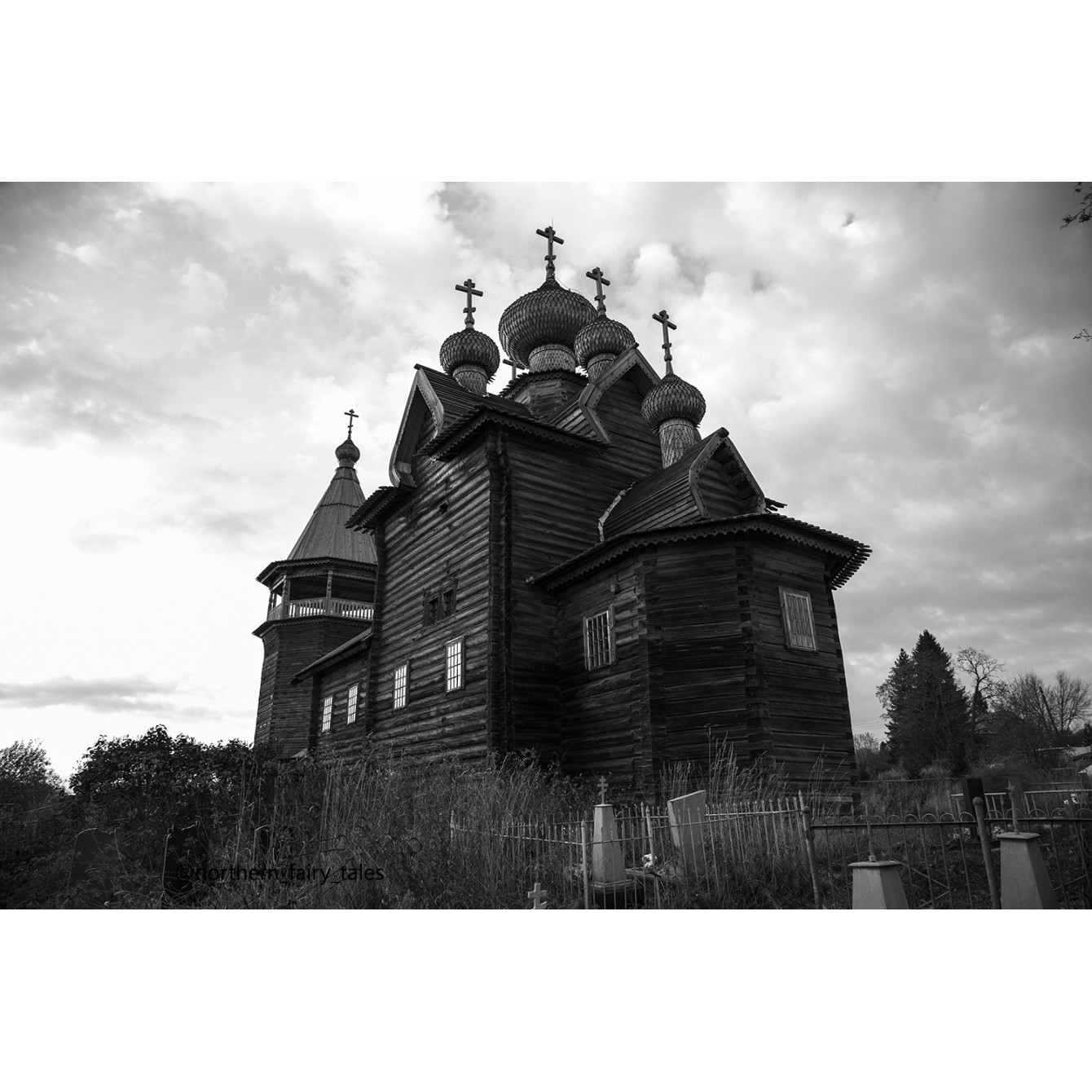
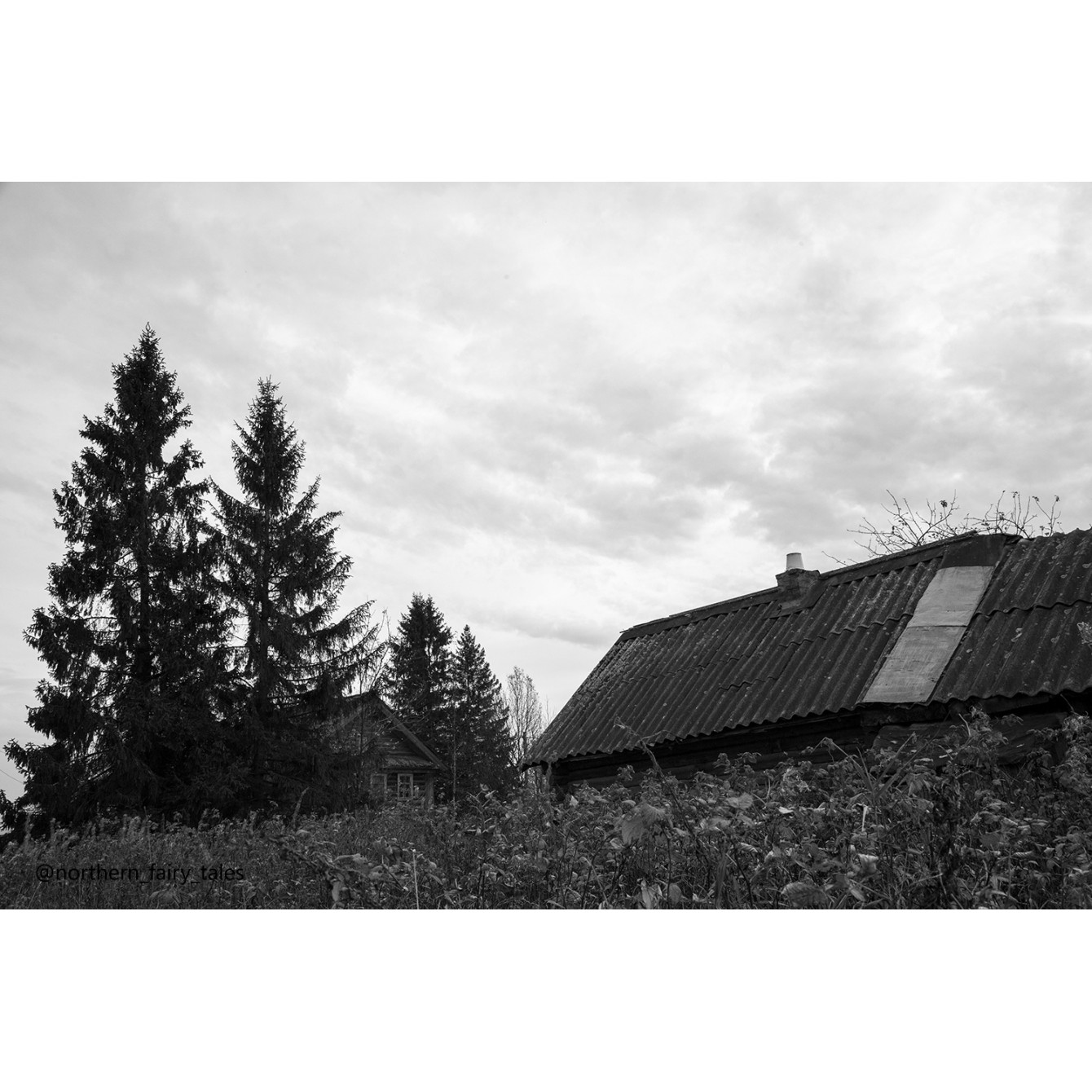
The photos depict the historic northern Vepsian village of Shcheleyki, with its cemetery church dedicated to St. Demetrius the Myrrh-Gusher.

Comments

There are no comments for this article yet. Be the first to comment!
Write a comment