Inversion in Russian Folk Magic: Turning the Sacred Into the Profane
The Latin term inversion (from inversio, “turning upside down; reversal”) aptly conveys the concept—negation or turning meaning on its head, a symbolic “black magic” technique aimed at causing harm or casting curses. These practices were widespread in traditional belief systems and available to any member of society, not just ritual specialists. The core principle was simple: “do things backwards.”
A classic inversion spell involved reciting the Lord’s Prayer in reverse order—a subversive act meant to disrupt and defile. Other methods included creating a harmful magic circle by walking, crawling, or riding around a victim’s home or property in reverse. One such ritual described a midnight curse on a beehive: the malefactor, dressed all in black, circled the hive three times against the sun’s path while reciting “God shall rise again” backwards. Often, objects tied to the dead—a handful of grave soil or the rope used to bind a corpse’s legs—would be held during the working to amplify its potency. The practitioner might even dress their coat inside-out or swap their right boot onto the left foot.
Another morbid method was to place a candle upside down in a church and utter, “As this candle melts, so may you fade away.” These inversion acts didn’t just harm people—they also desecrated Christian symbols during occult initiations.
For instance, noted Russian ethnographer S. Maksimov describes a ritual where a neophyte, after hearing curses, was instructed to turn his shirt inside out, wear the left lapta on the right foot, remove his cross and place it under his shoe, declaring: "I give myself into the hands of the devils," then somersault twice backwards. Afterward, he was told to hang the cross on a windy wall; demons would come. The neophyte’s incantation mimicked a descent into inhumanity—a rejection of Christian existence, a crossing over into darkness. Executioners even removed the crosses from bodies during torture.
Ethnographer Pryzhov recounts a peasant who held a cross under his boot sole for two weeks, reciting: "I renounce God and the life-giving cross; I give myself into the hands of devils." At the end of the ritual, demons appeared to him and demanded work.
We believe similar inversion practices were central to early Soviet ritual. The Bolsheviks were, in a sense, masters of dark mysticism. They made skillful use of symbolic techniques that eerily echoed ancient inversion rites — like the temple of the dead god, the unburied corpse enshrined at the heart of the nation, and the eternal flame rising from beneath the ground, a subterranean fire evoking chthonic sacrifice. These were not simply ideological gestures — they were metaphysical statements, turning sacred symbols inside out.
Their treatment of sacred buildings mirrored this inversion: churches, mosques, synagogues, and temples were repurposed as warehouses, grain stores, planetariums, meeting halls. This pragmatic need for infrastructure clearly disrespected the sacred, yet its symbolic implications were crushing. In traditional worldview, flipping sacred symbols upside down represents a violent shift from the divine to the profane.
Legend of one Old Believer church being converted into a venereal disease clinic shows the summit of Bolshevik inversion: the most sacred space, once devoted to spiritual healing, became associated with lust and infection—one of the original Christian concepts of sin. A place of holiness repurposed into a domain of demonic disease.
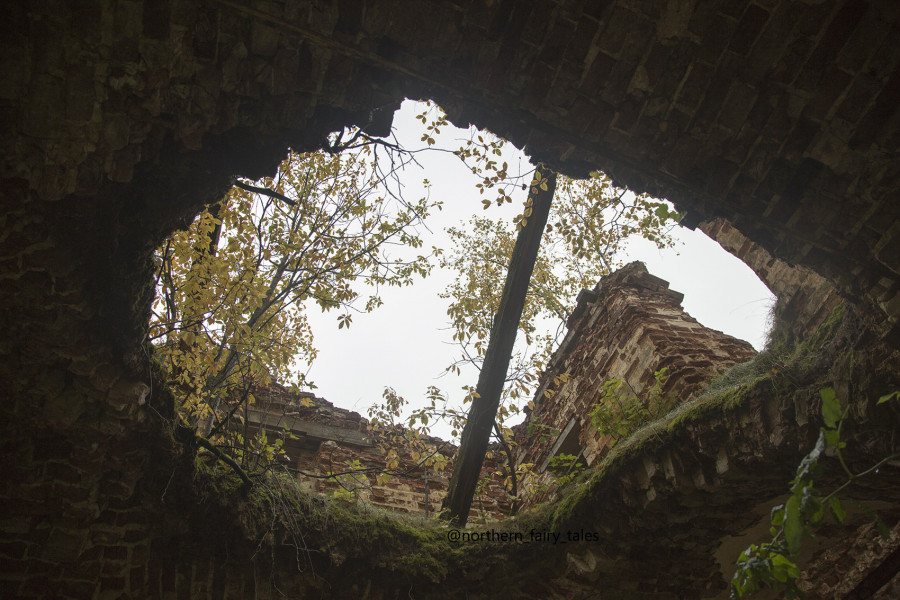
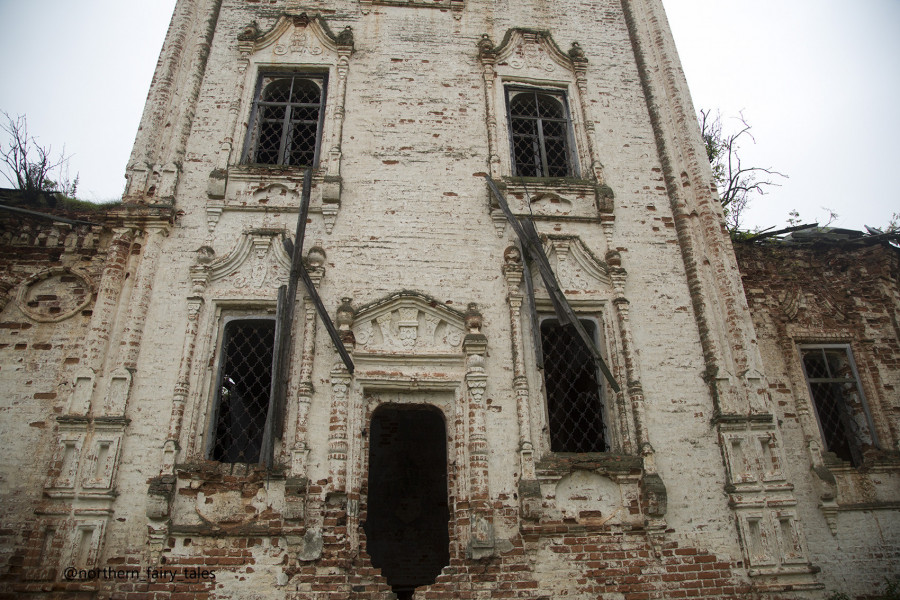
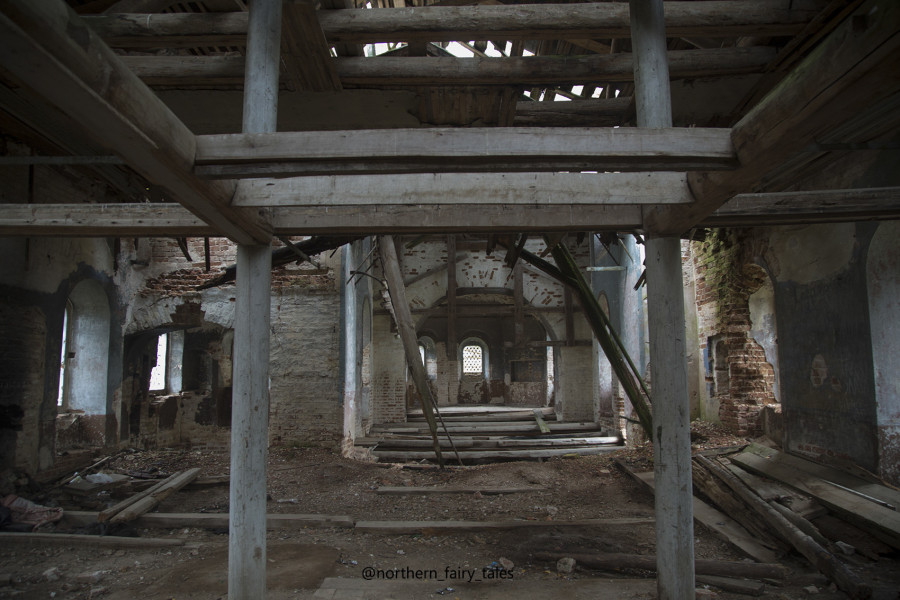
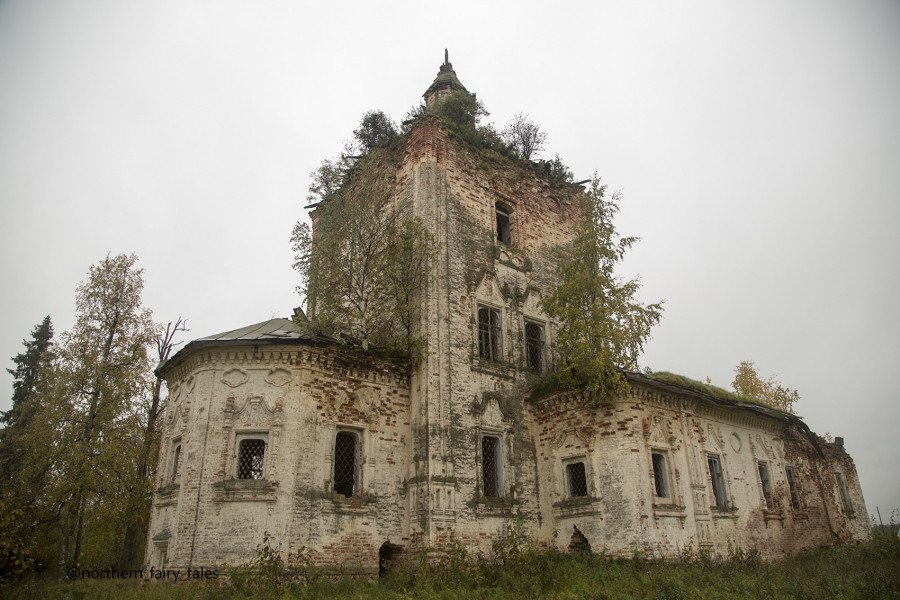
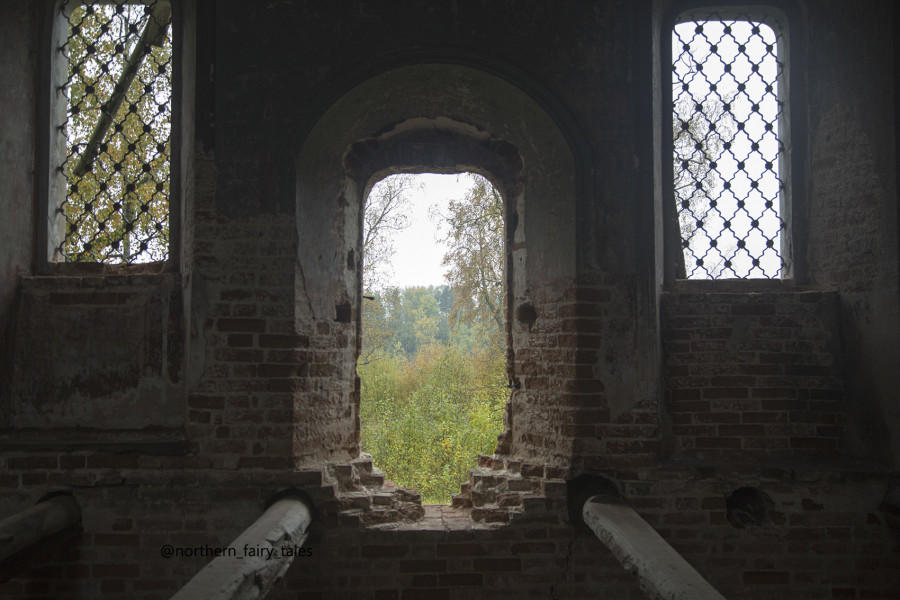
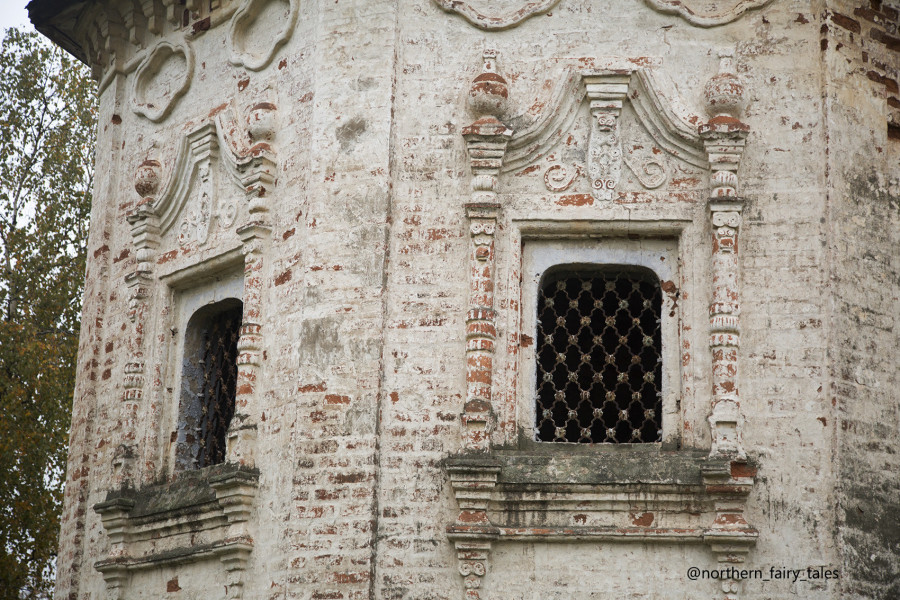
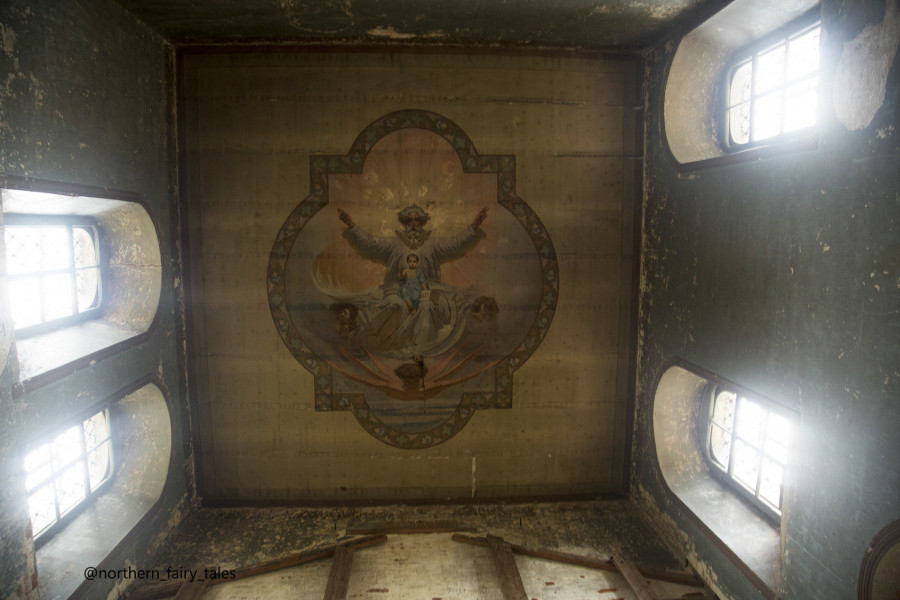
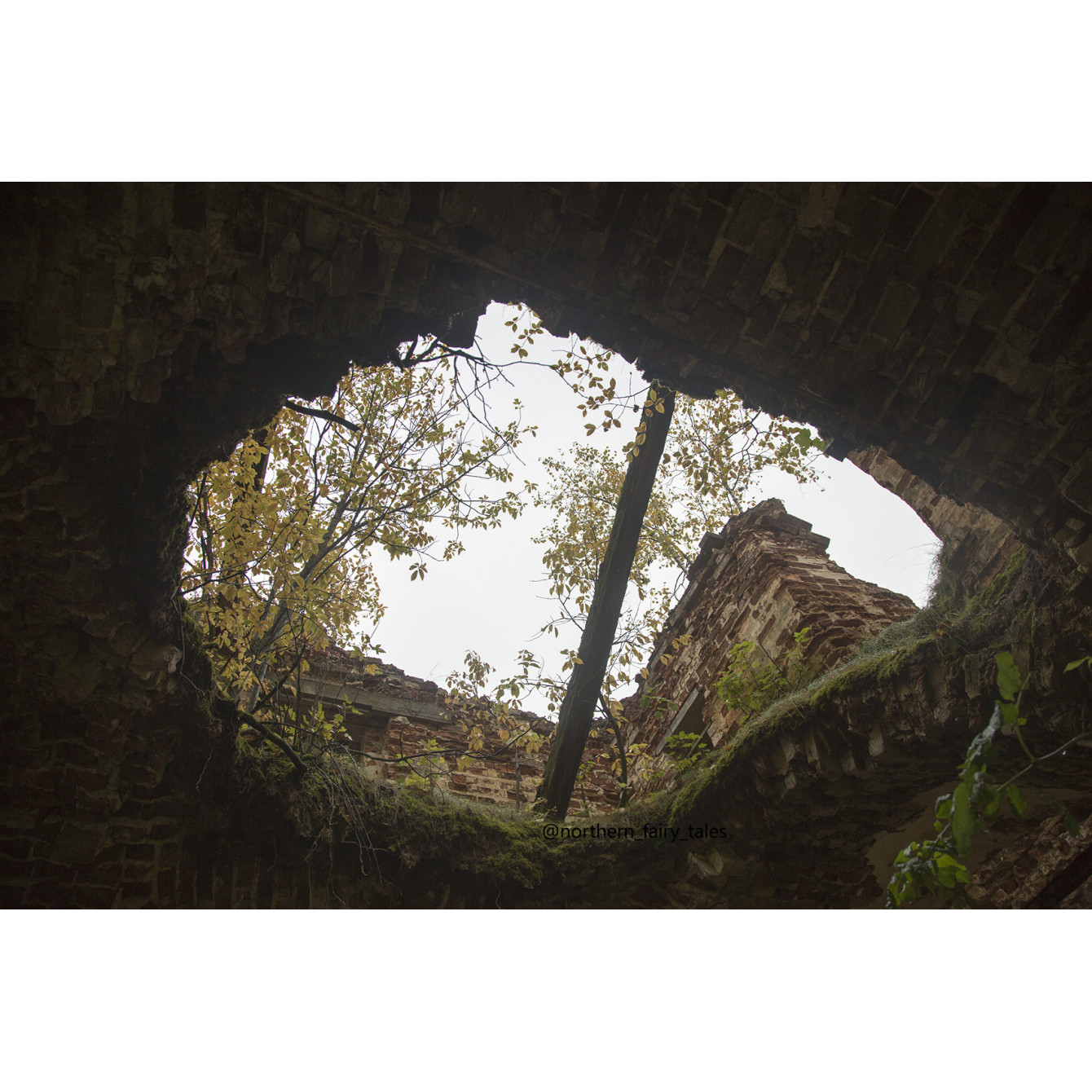
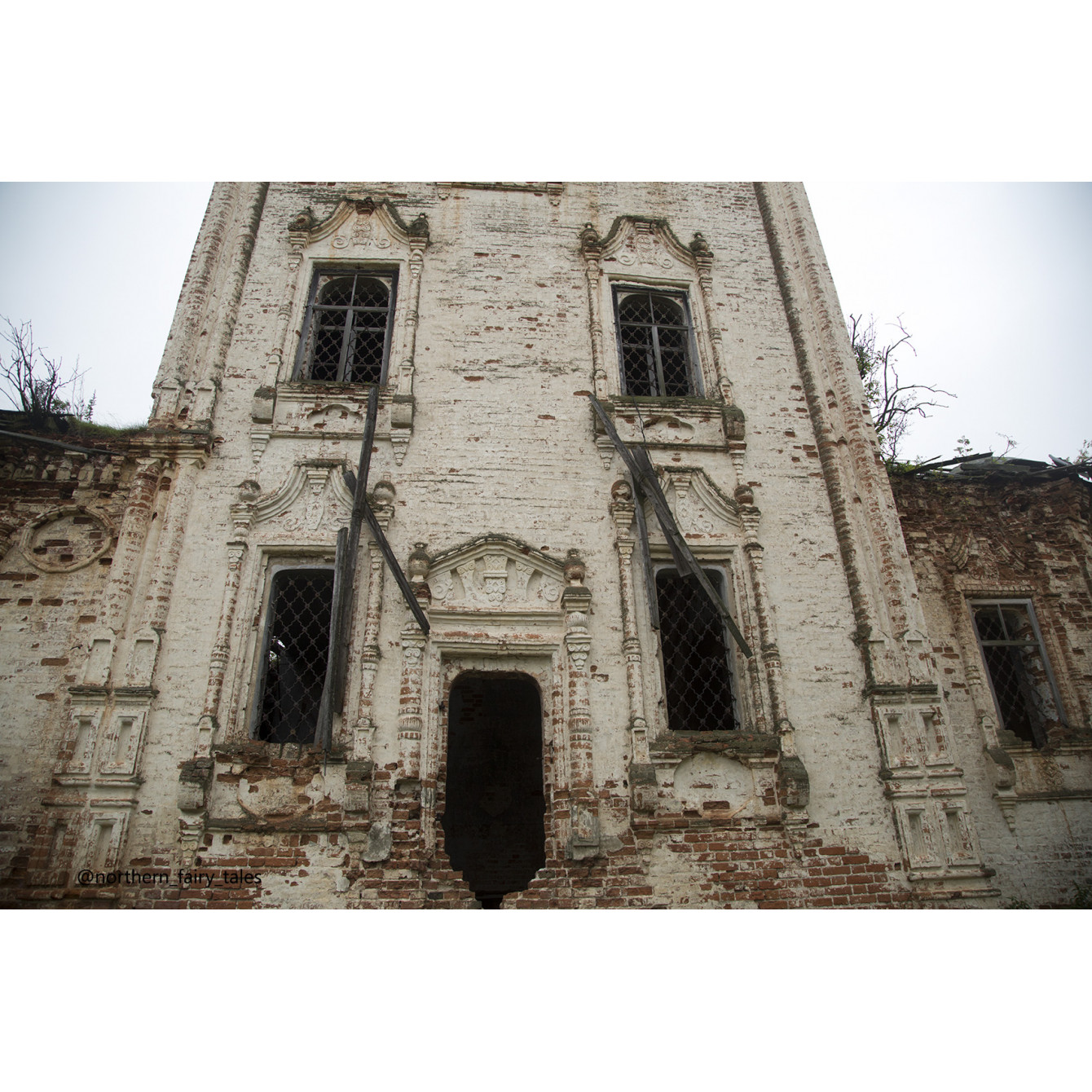
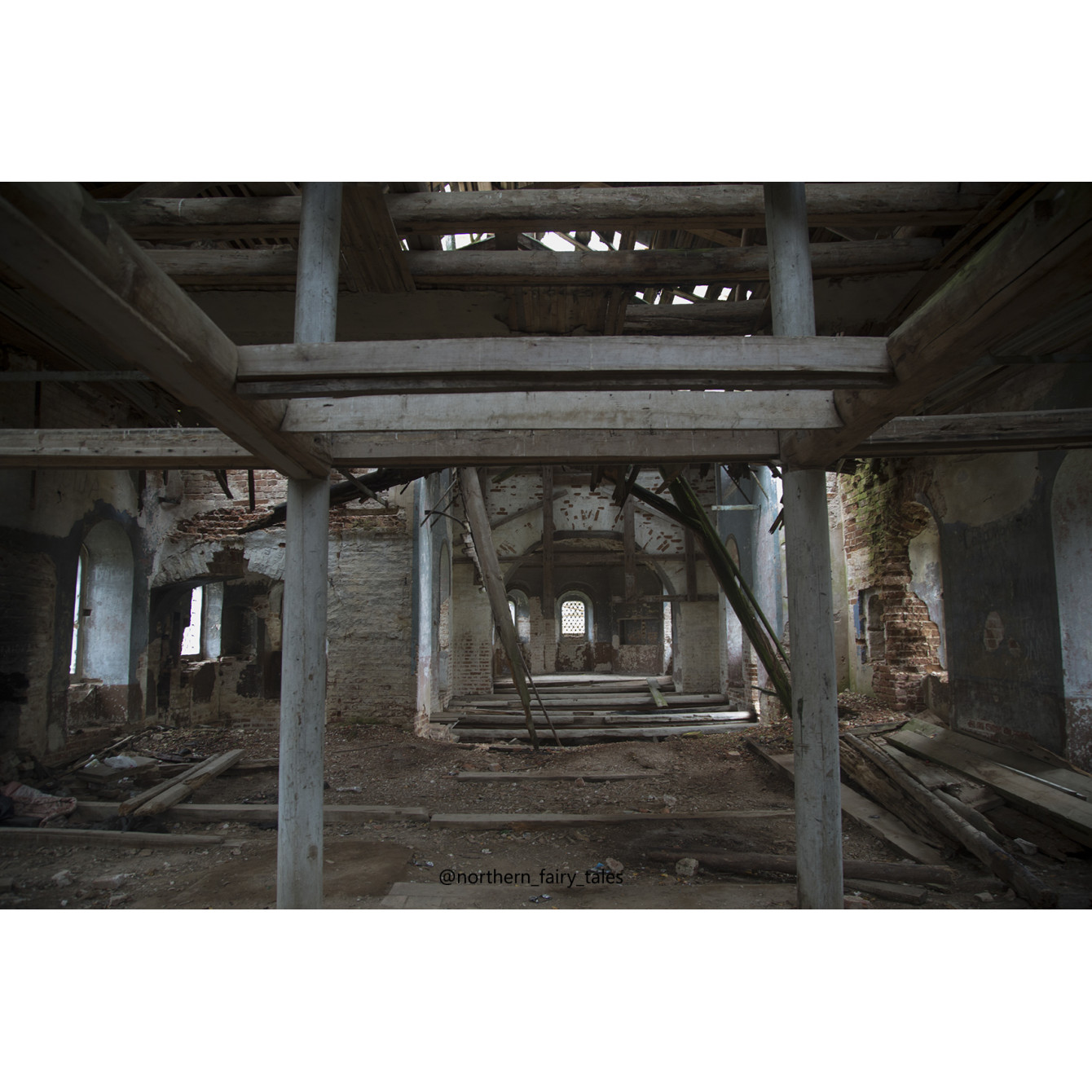
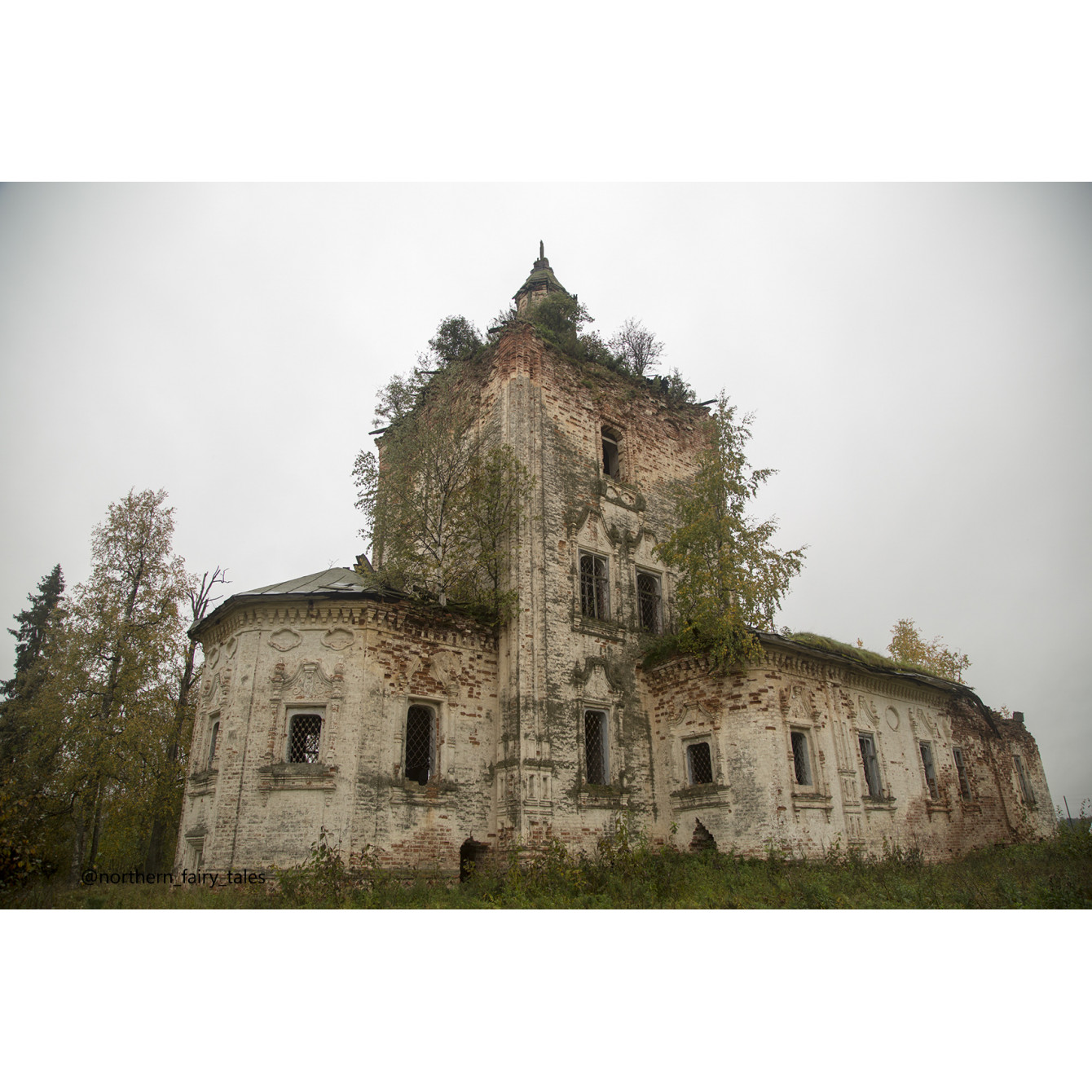
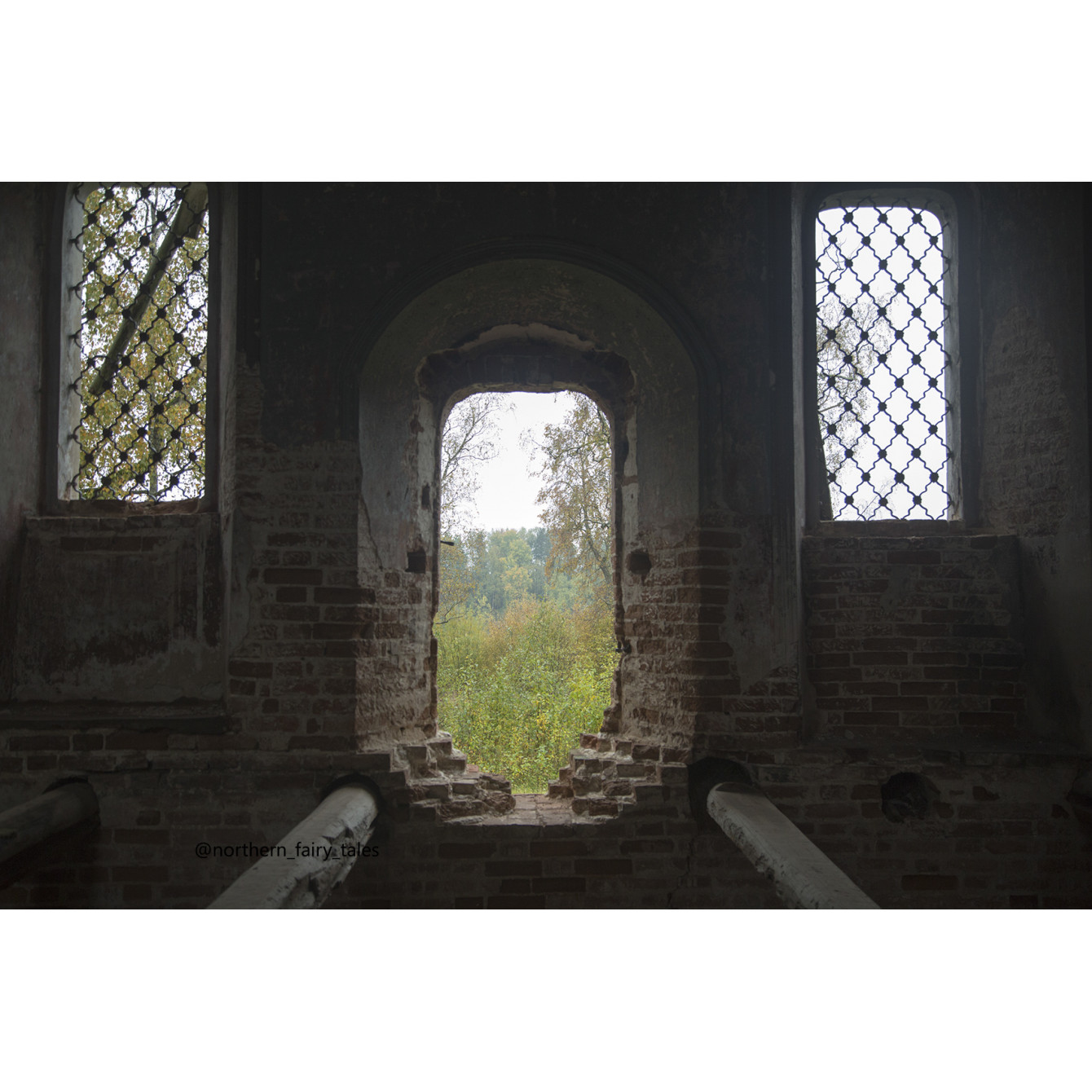
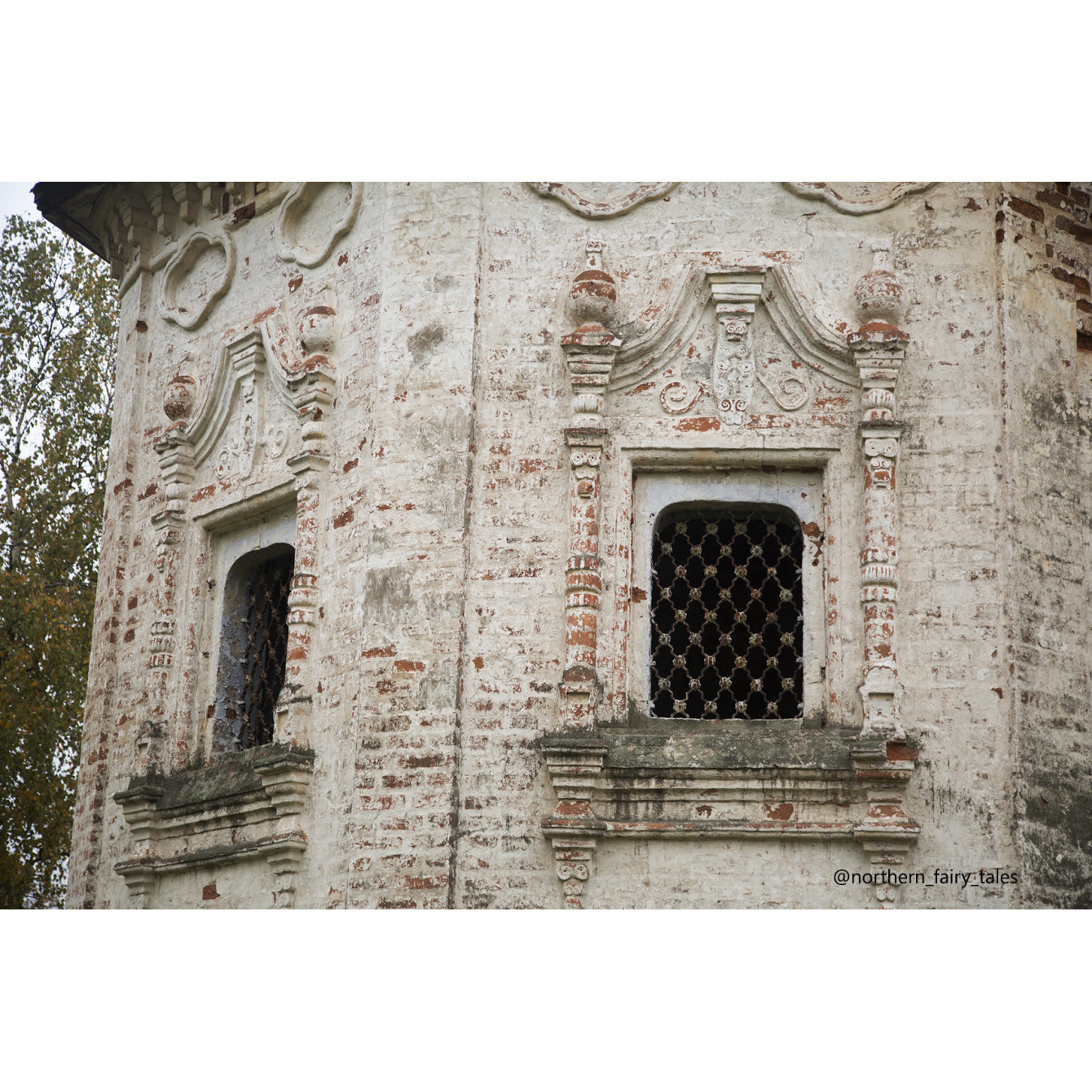
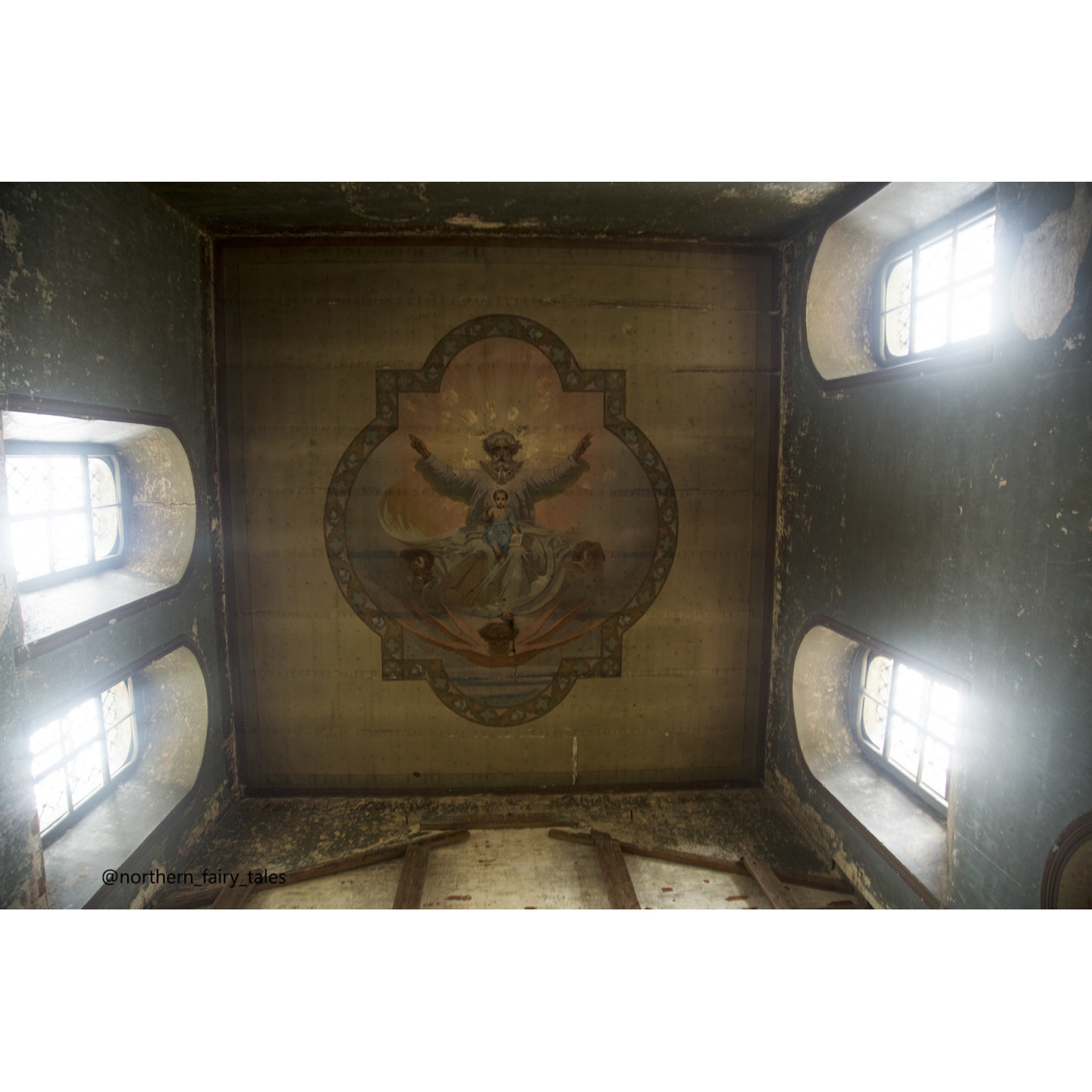
In the photographs: the ruined Church of the Vladimir Icon of the Mother of God in the village of Zaruchyevskaya, Arkhangelsk Governorate—a former grain warehouse under Communist control, now abandoned and roofless.
Comments
There are no comments for this article yet. Be the first to comment!