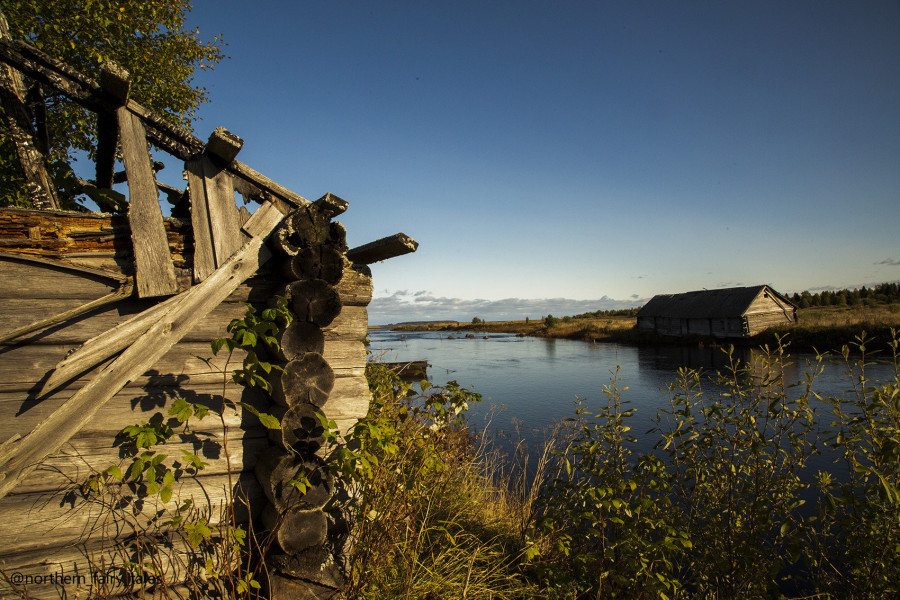
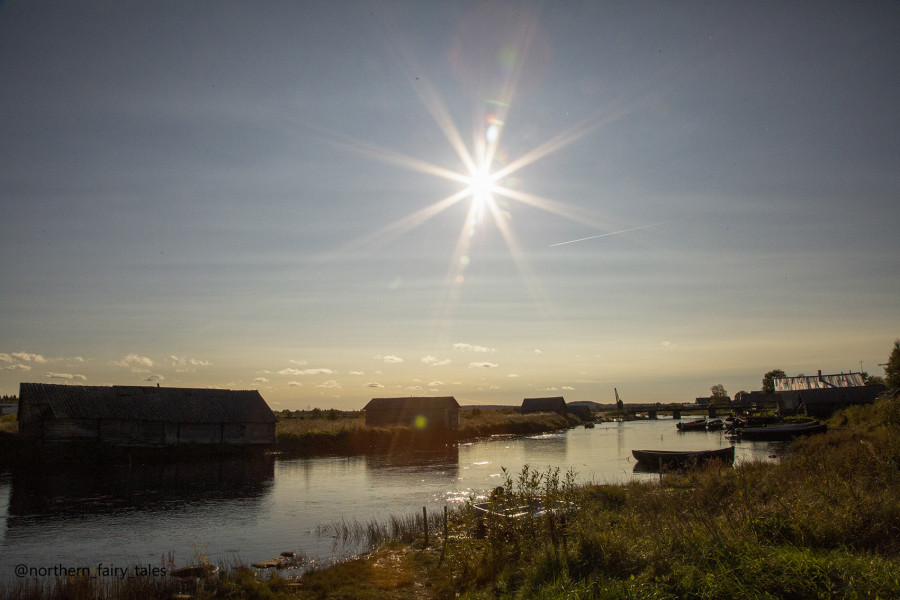
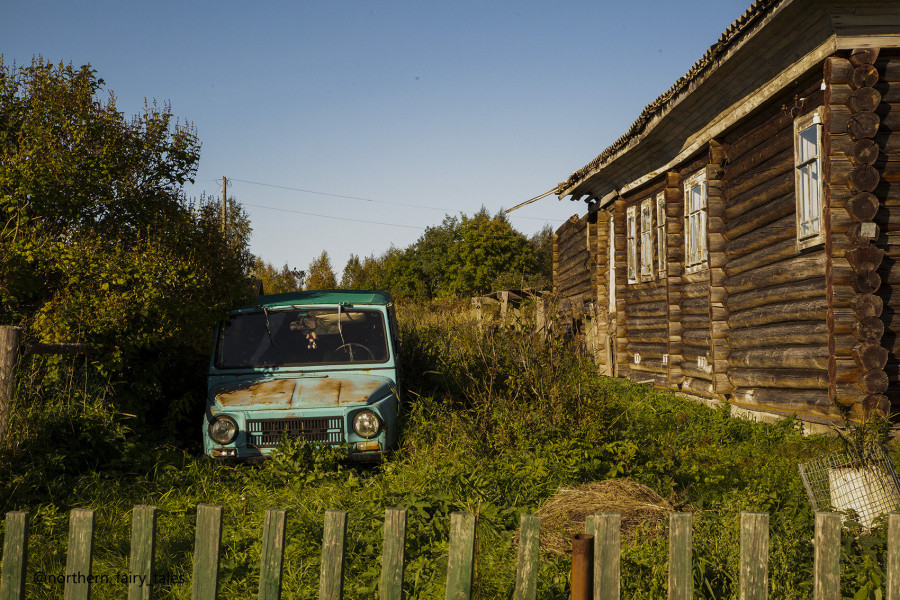
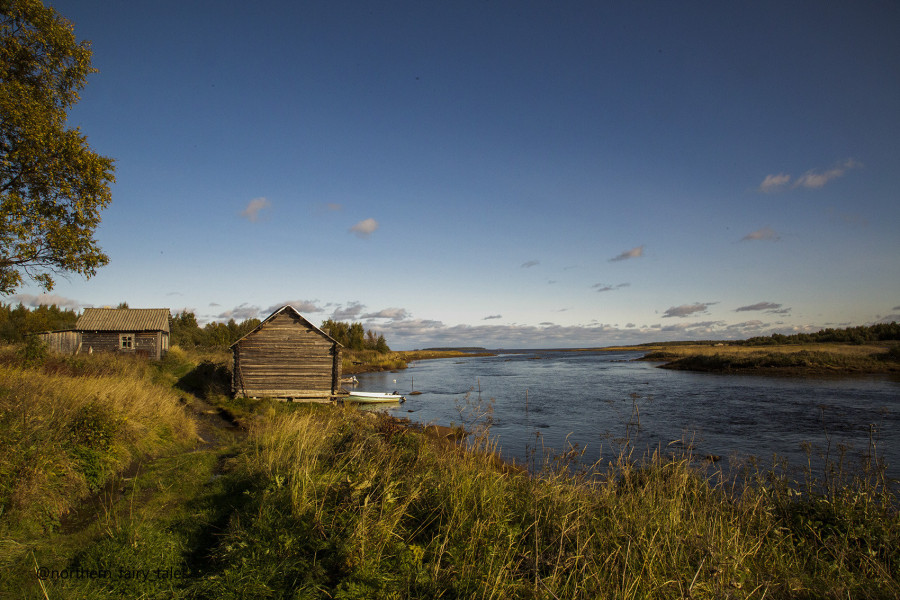

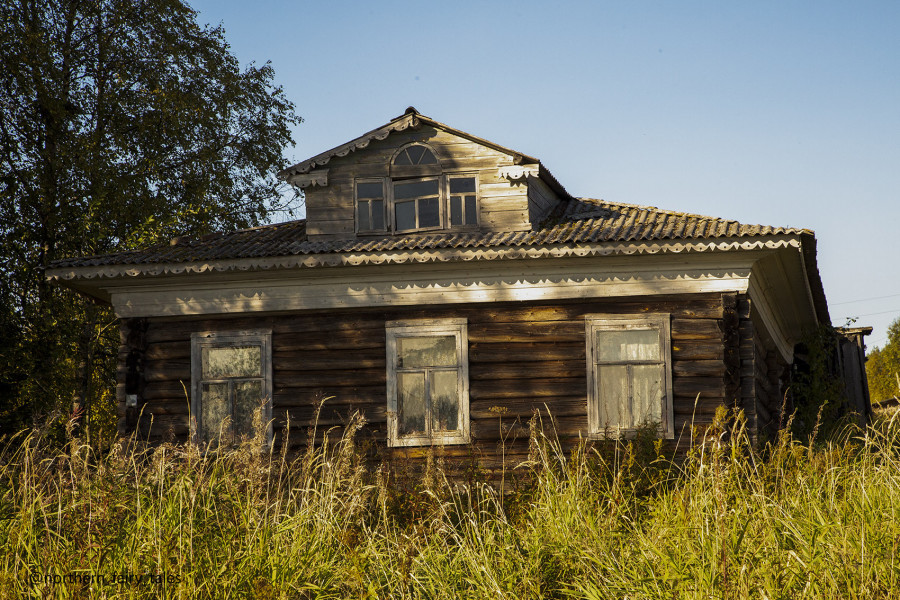
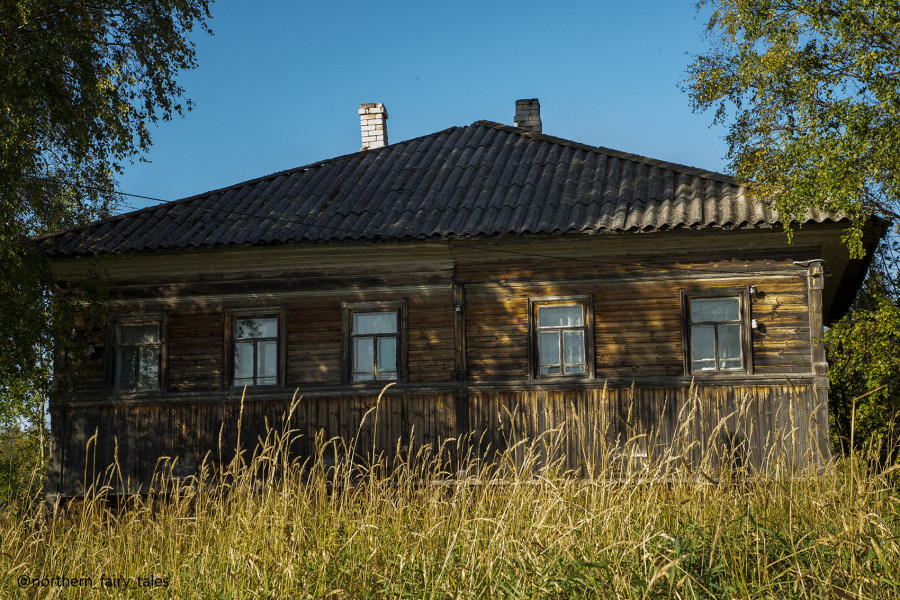
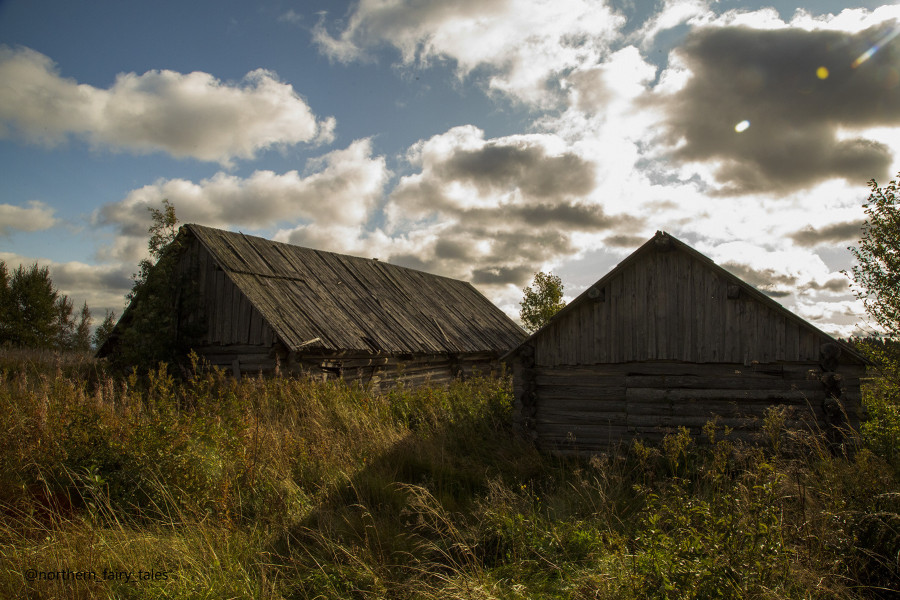



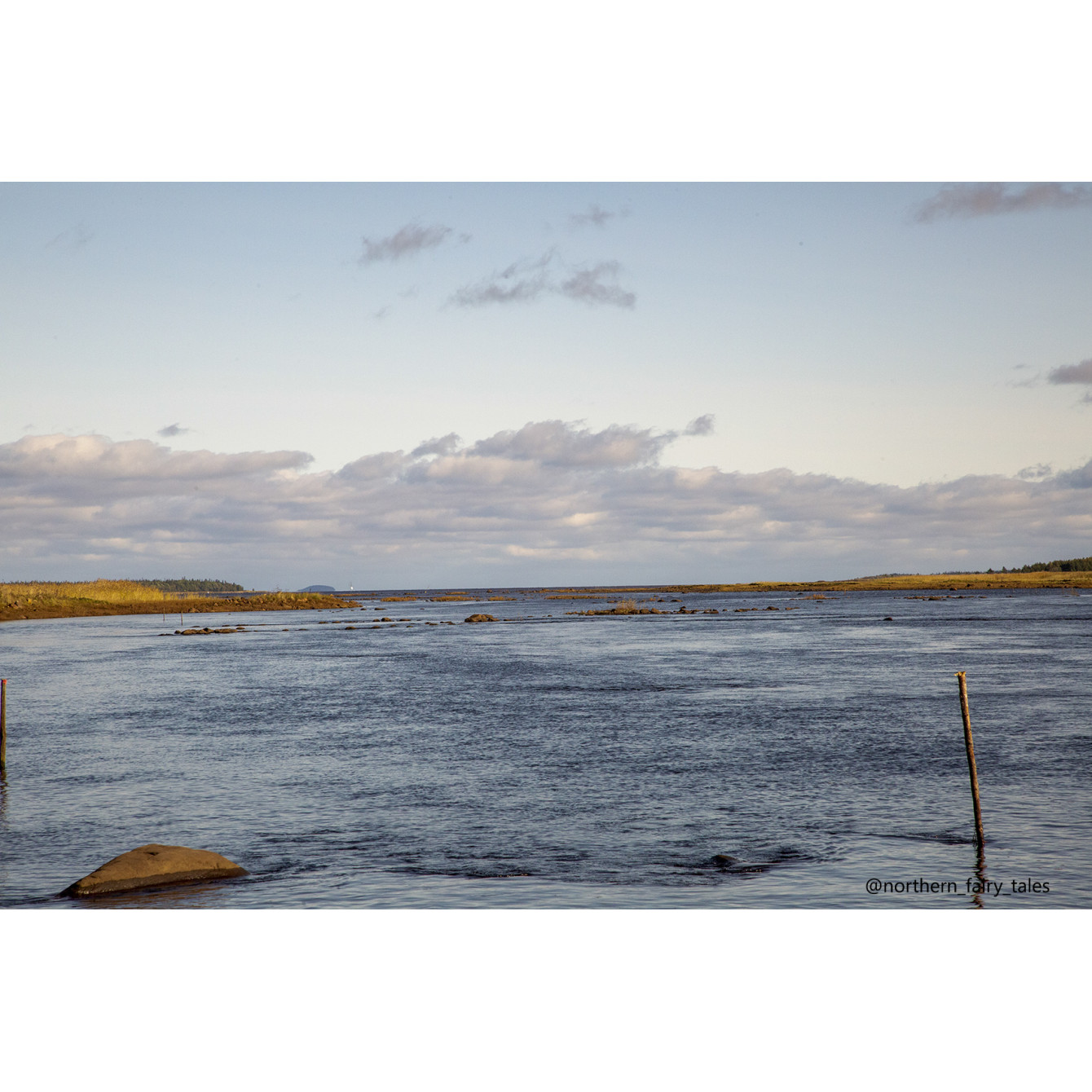

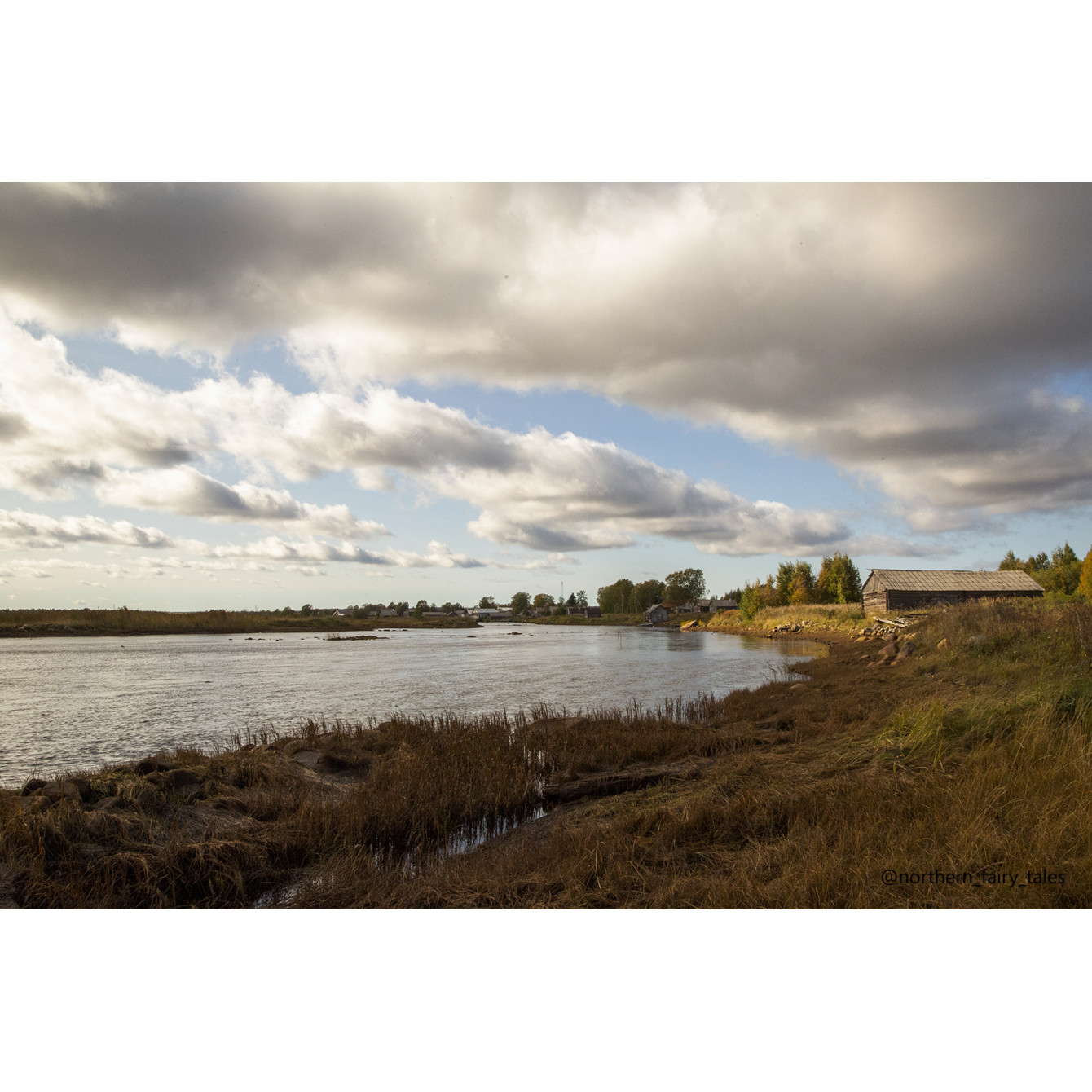
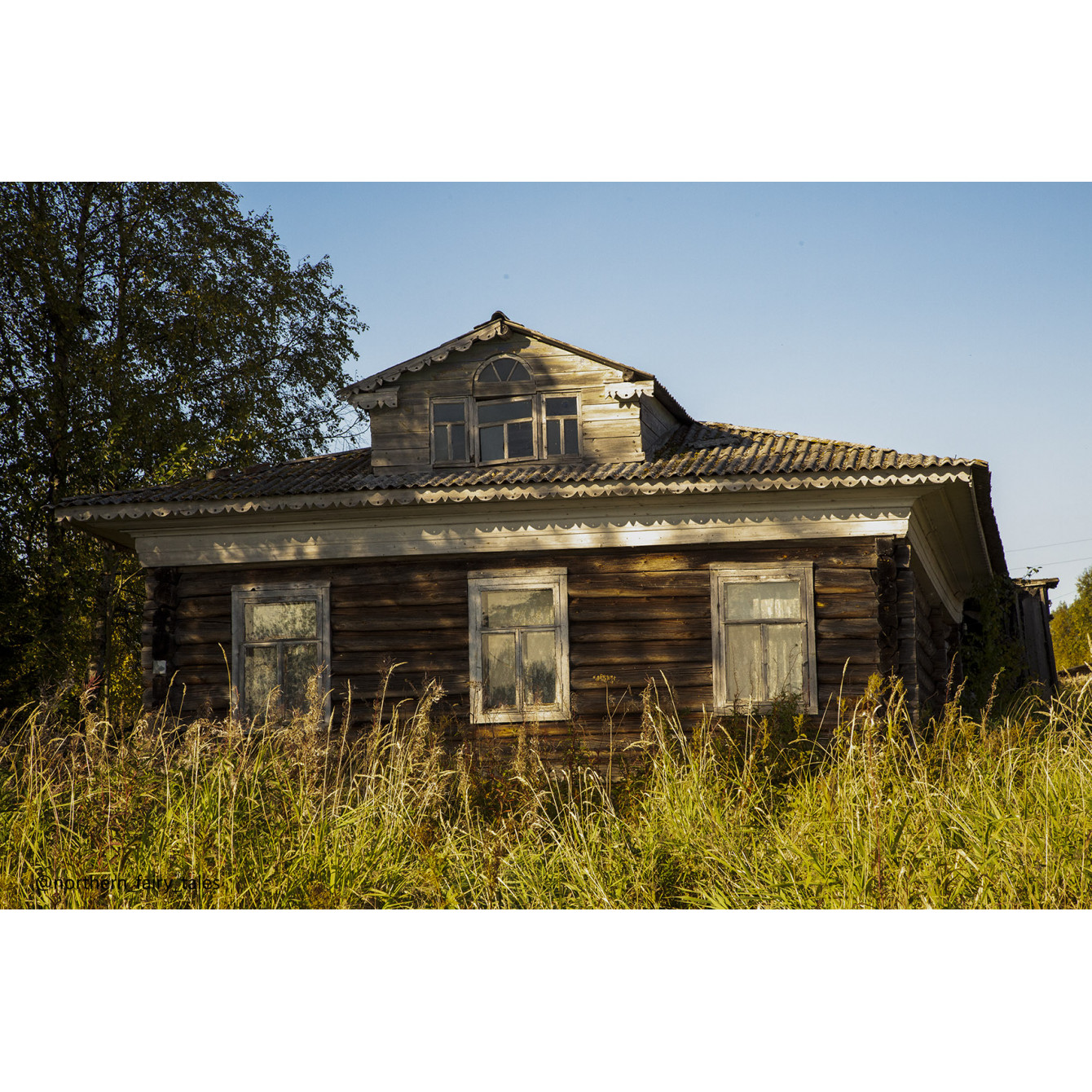

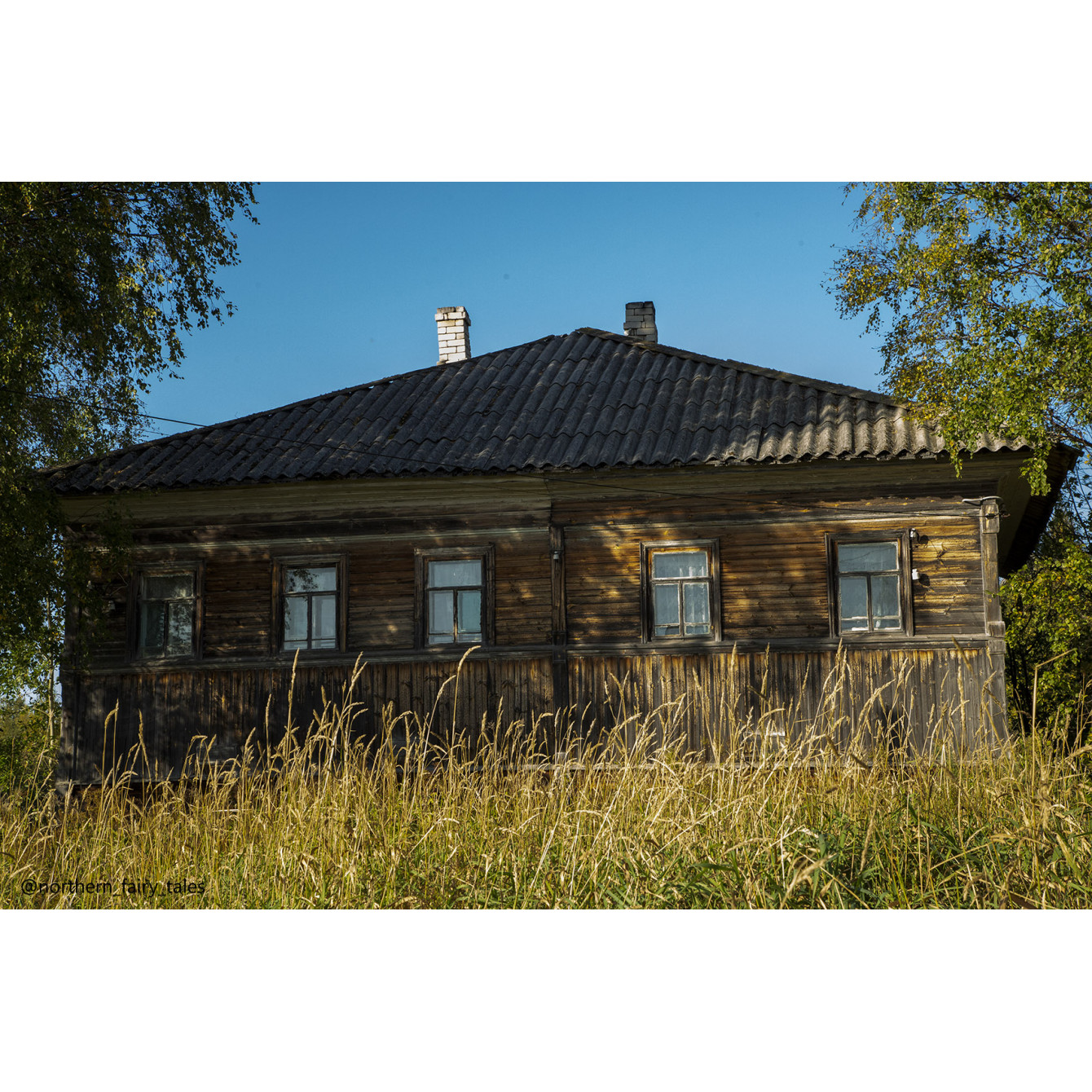
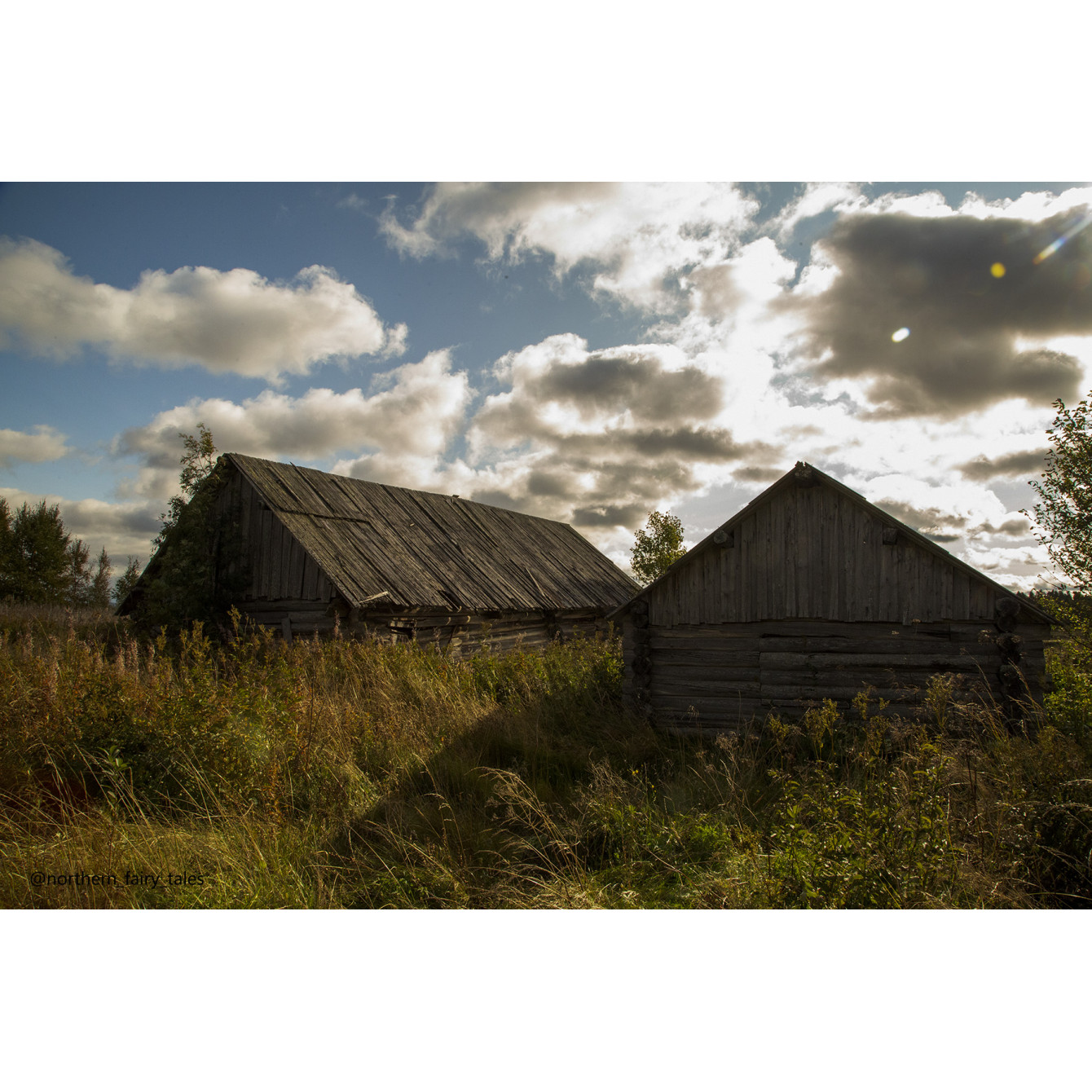
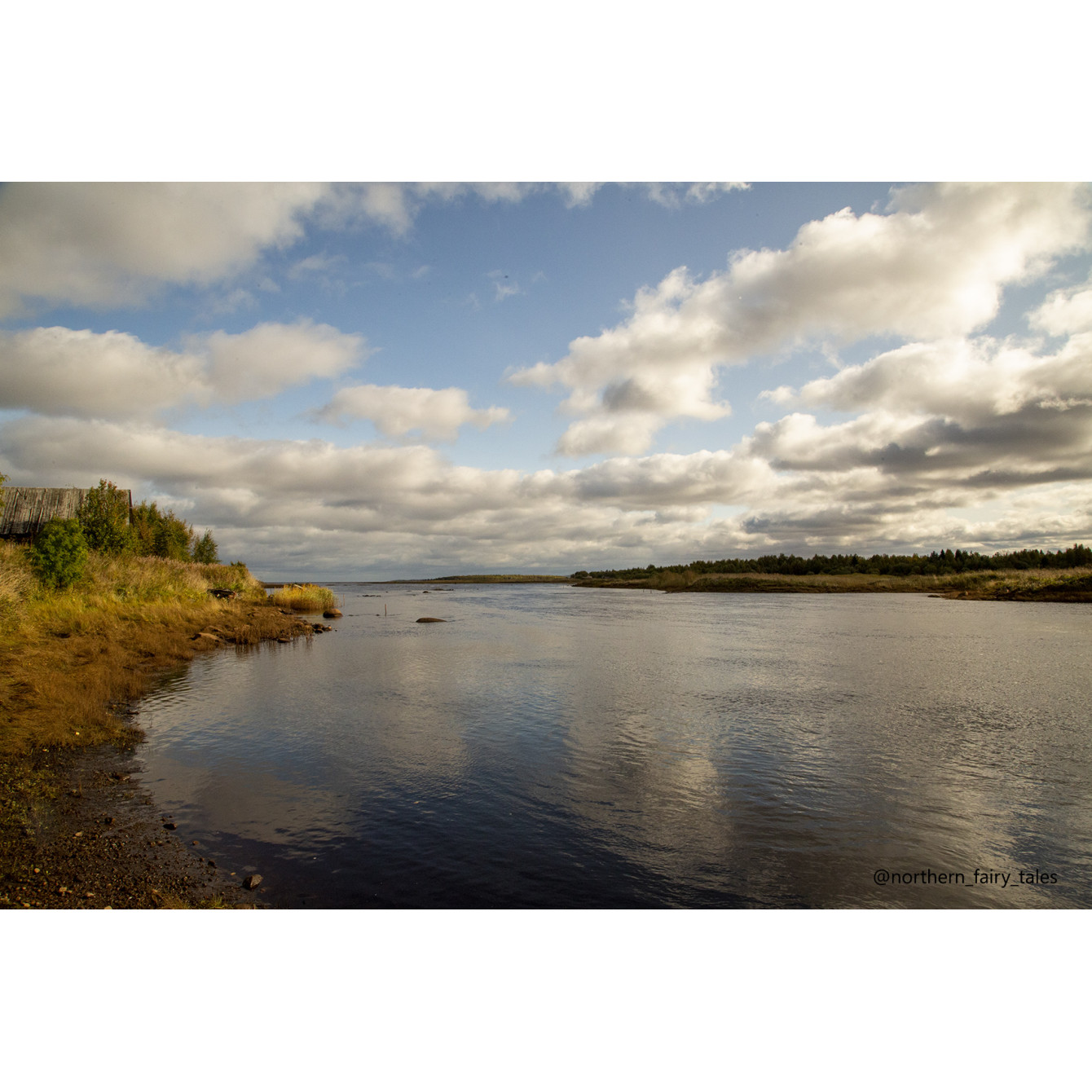
On one church website you may find a brief, serene account of the little-known northern saints Ioann and Loggin of Yarenga — a story suggesting that everything is clear and simple, and that any further curiosity may rest. Yet if we lift the veil of modern, smoothed-over online hagiography and turn instead to ancient ecclesiastical tales and scholarly studies of northern saints from the 19th and 20th centuries, a far more intricate and revealing narrative emerges — one that illuminates the very essence of folk mysticism.

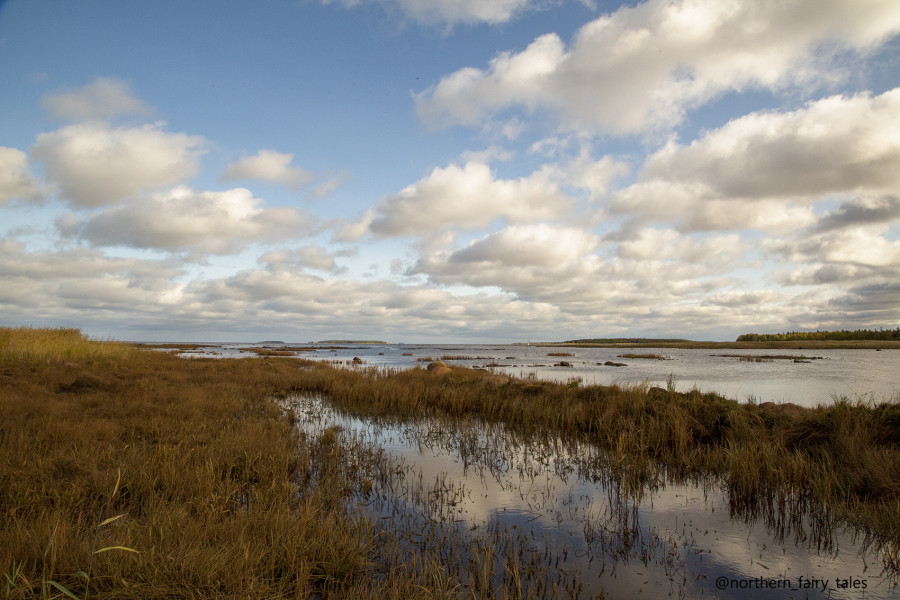
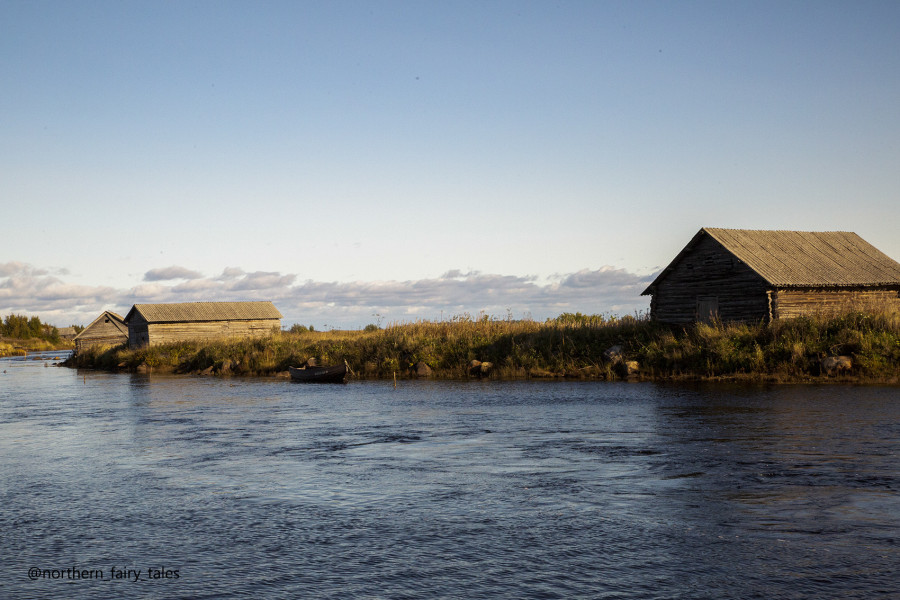
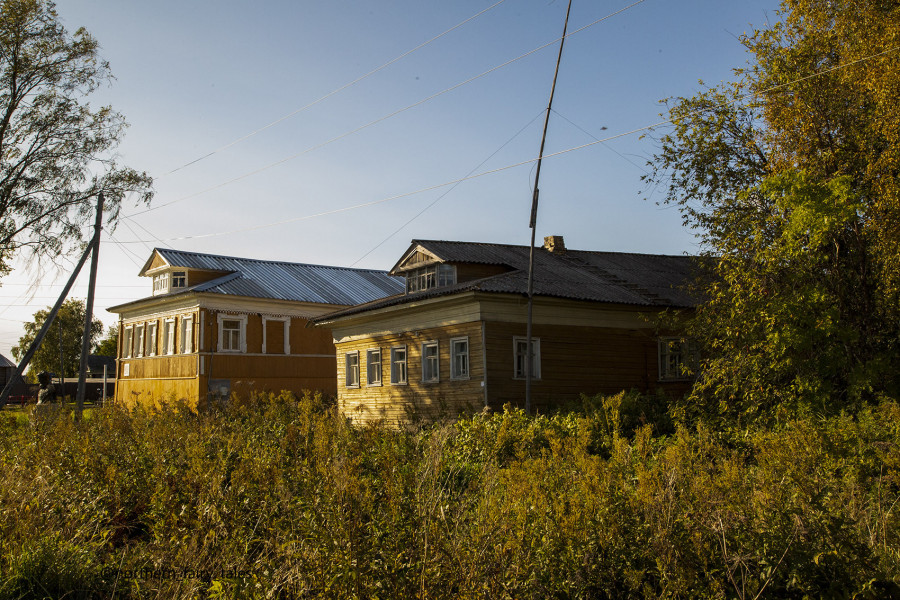
According to the commonly repeated version, the venerable Ioann and Loggin lived in the 16th century as monks of the Solovetsky Transfiguration Monastery during the abbacy of Saint Philip, later Metropolitan of Moscow. Under his guidance they practiced strict fasting and prayer, obediently fulfilling monastic duties and growing spiritually. In 1561 they were sent on monastery business to the land of Tver, but on their return their boat was caught in a storm on the White Sea. The vessel was wrecked, and the monks drowned. Some time later their bodies were discovered incorrupt in the estuary of the Sosnovka River, about 120 versts from the monastery, and placed in a chapel dedicated to Saint Nicholas in the village of Yarenga. Miracles soon followed, and a monastery eventually arose at the site.

However, this graceful narrative, derived from the later Solovetsky Chronicle of the 17th century, collapses under closer scrutiny. In the late 19th century, the researcher I. Yakhontov wrote: “As for the place of their earthly life, their way of living, and the manner of their death, no reliable details have been preserved. Only one thing is certain — Ioann and Loggin drowned in the sea.”

Indeed, at some point in the early 16th century, the inhabitants of Yarenga came upon the body of an unknown man: “They see a certain man lying dead on the edge of the ice, clad only in a shirt.”
They buried the stranger according to local custom, sheltering the grave with a wooden frame — a strubets, meant to protect the body from animals and birds.

The anonymous dead man lay in his seaside grave for at least twenty-five years. Then, in 1574, he “revealed” himself. A woman named Akilina, bedridden for a year and a half, saw in a vision a man who told her to go to the River Sarta, where a strubets stood over a buried body. He named himself as Ivan and instructed her to tell her spiritual father, Abbot Varlaam of the Nicholas church, to take up his relics and bring them to Yarenga. Akilina was healed upon visiting the grave. The abbot and villagers opened the strubets and found the body incorrupt. The relics were carried to the church, and during the very first service three more women were healed.

A similar story unfolded years later with another unknown drowned man — Loggin. His body was discovered earlier, though the details were not recorded. A fisherman, who had sat thoughtlessly on the grave to undress before bathing, was knocked down by an unseen force and fell unconscious.

That night the dead man appeared to him, named himself, and demanded that the priest of the nearby village of Una come and serve a prayer at his grave, promising healing in return. That same night Loggin appeared to the priest as well. The service was held, the fisherman recovered, and a wooden cross was placed over the grave. Later, Loggin appeared to a merchant, Yaakov Sokolyakov, suffering from leg pains, instructing him to bring the relics to Yarenga. The command was fulfilled, and healing followed.

From then on, the two saints began to reveal themselves regularly — sometimes separately, sometimes together. One tale recounts how John appeared to a local icon painter, describing his own likeness: “A face like the Baptist’s, a beard like a robber’s, a worn shirt, arms bent.” He warned the painter to hurry, “lest swift death overtake you.” The painter completed the icon but died the next day, before even finishing the final coating.

Both saints also appeared to the sick, demanding prayer. In 1620, a man named Ivan Pavlov from the village of Nyonoksa fell into a feverish delirium for nine weeks. He testified that a stranger appeared to him and asked why he was not praying. “To whom should I pray?” he asked, and the stranger replied: “Pray to John and Loggin, wonderworkers of Yarenga. I am John, traveling from Kholmogory to Yarenga.” Pavlov’s family saw no visitor, but after prayers to the saints he recovered.

Accounts also describe saints casting out demons. One such story concerns a farmer, Yakov Nosyrev, who went to the meadow and, suffering from heat, plunged into a lake — where an unclean spirit seized him. Raging and incoherent, he was carried home by neighbors. He later described seeing people “swaying like trees,” and among them a “terrifying being” threatening to devour him — until a radiant elder appeared and ordered him to pray to Ioann and Loggin. Full healing, however, required a pilgrimage to Yarenga, where he touched the grave of the saints.

Another notable case is that of a woman named Glykeria, possessed by a demon. She was forcibly brought to Yarenga. An eyewitness, Martynian, wrote that during prayers she shook violently, leapt upon those restraining her, spoke in strange voices, and spat at the people. She was locked by the saints’ relics overnight. Ultimately, she too was healed.

In 1622 the saints were credited with saving a Pomor sailing crew caught in a severe storm en route to Solovki. Appearing in a dream, John and Loggin told the sailors what must be done, asking only for prayers in return.

The Soviet-era scholar L. Dmitriev noted that Pomors held a reverent attitude toward those who drowned at sea; some of these drowned men eventually became objects of local veneration. In his view, the cult of the “stranger” Ioann may have existed informally before church recognition. Similar folk cults were often suppressed by the Church — but in some cases, like that of Ioann and Loggin, they were assimilated.

The foundation of their cult was not their life, but their unnatural, premature death, and the fact that their bodies washed ashore. Such dead — or rather, restless dead — were believed in many Russian traditions to retain power to act in the world of the living. Among the Udmurts, for example, there were the kutys’, “the catcher,” “the grabber” — people who died by misfortune and did not go to the afterworld of the ancestors but lingered among the living. Ethnographers such as D. Zelenin saw them primarily as malevolent beings, but the stories of Ioann and Loggin show that such figures could both harm and heal. Their power lay in their ability to appear, to demand respect, prayer, memory — and in return to grant miracles or punish disrespect.

The Church often distrusted such cults, for they did not fit neatly within canonical frameworks. The chief barrier to official recognition was the state of the corpse: incorruptibility was required. Though the saints were formally canonized in 1625, examinations of their relics under Patriarch Filaret and later under Patriarch Adrian produced discouraging conclusions:
“Ioann’s relics have decayed, and as for Loggin — scarcely anything remains, and whether those are indeed his relics is quite uncertain.”

Combined with the lack of any authentic biography, the patriarchal directive forbade transferring their remains to Kholmogory Cathedral. They were to remain in Yarenga, “in that place henceforth.”

Thus the cult of Ioann and Loggin of Yarenga remained a local northern tradition — a vivid example of how ancient folk beliefs, reverence for restless dead, and Christian canon interwove along the shores of the White Sea.
