
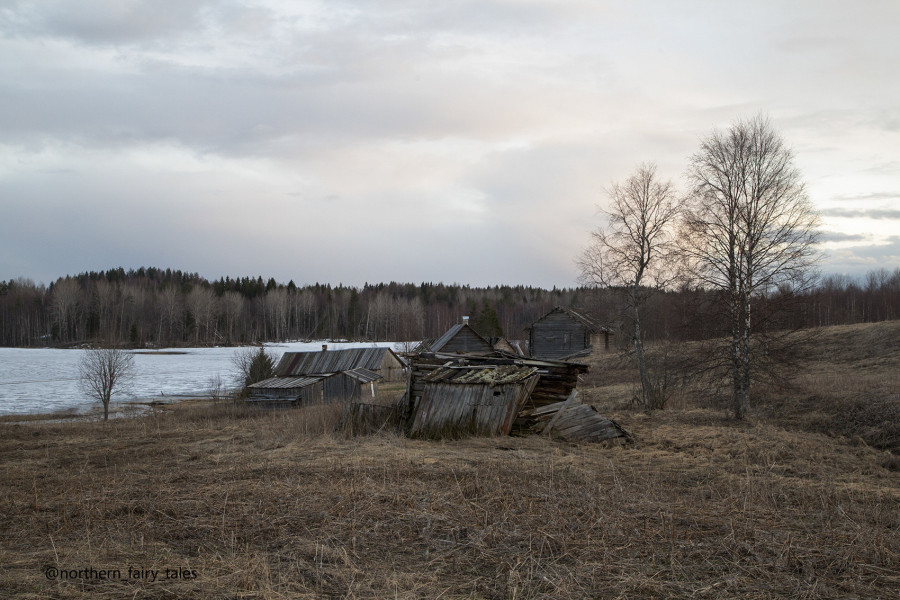
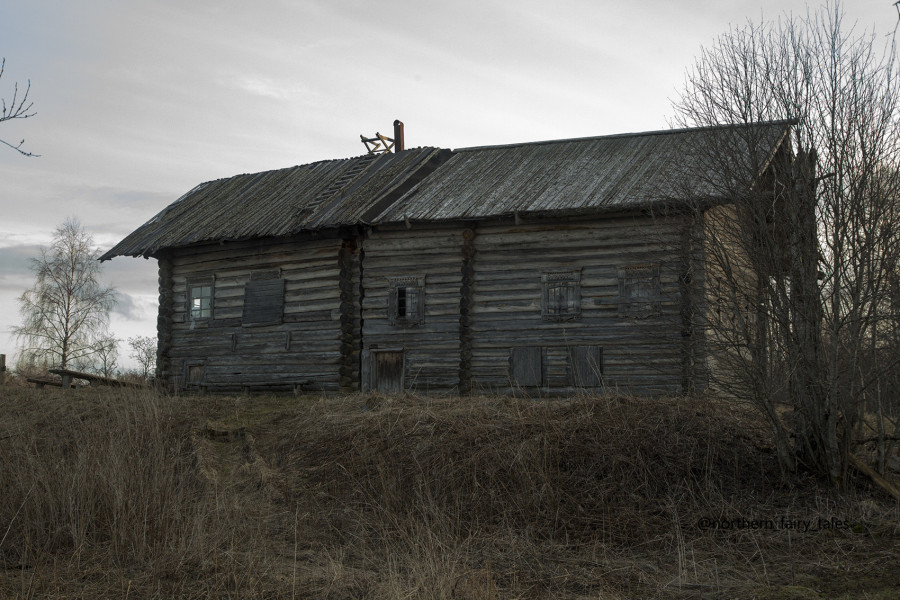
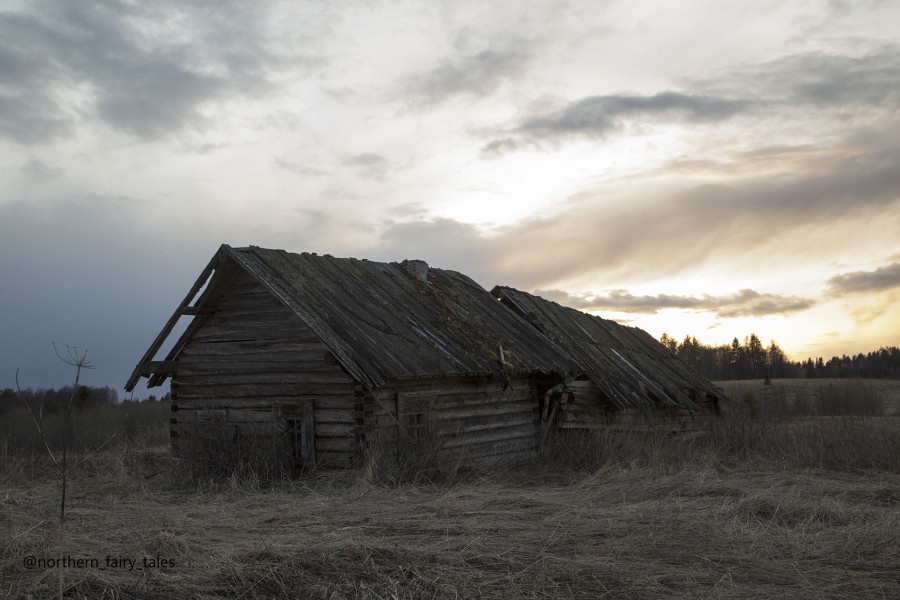
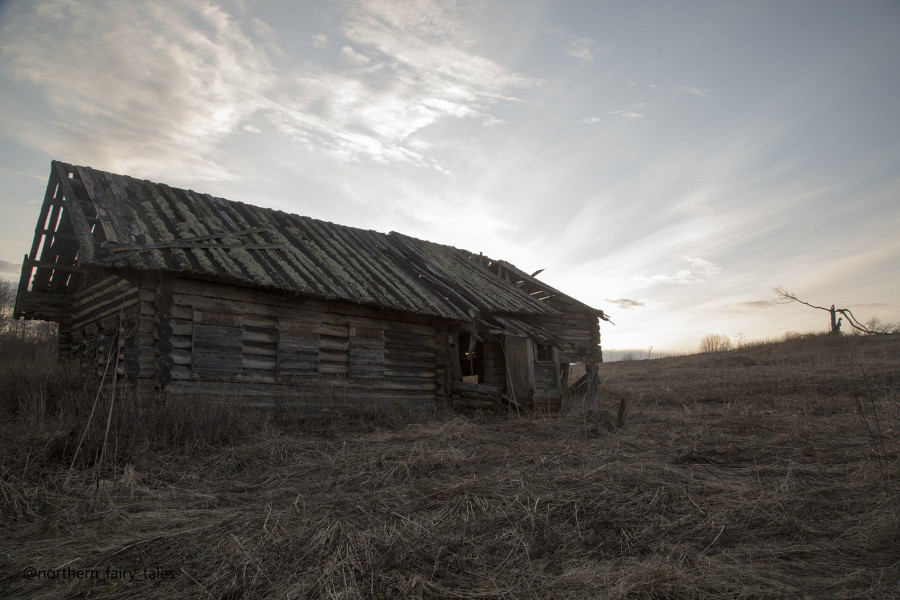

The urban collective consciousness—cultivated for generations within utilitarian city-hives—accepts its own existence as a non-negotiable given. It does not reflect, for it cannot fully comprehend the possibility of another form of being, a parallel universe of sorts. One such world is the world of the modern northern village. Industrialization and collectivization have left these vast territories almost depopulated, yet despite the tragedy of this process, for the one who seeks solitude it becomes a gift. Here there are very few people, and a great deal of wild nature.

Even in summer—the least suitable season for loneliness, when the countryside fills with vacationers, fishermen, families with children and retirees—it takes only a few dozen steps to slip away into a different realm, stranger even than the village itself: into the realm of the Russian North in its purest, most primordial form. Forests and swamps, stone ravines and river gullies, streams and abandoned logging roads, traces of many kinds of animals follow one after another. This stretches on for dozens or even hundreds of kilometers, and one may wander here as far as courage and strength permit.

It is in the village that one can discover the treasure of solitude, be alone with oneself, and upon returning to the city feel with startling clarity how suffocatingly close people press against one another there. At first, visiting the countryside sporadically, this is not always perceived, but once experienced, the taste of that treasure develops quickly. The illusion of privacy that city dwellers live under soon collapses — when lying down to sleep, the skin begins to sense the multitude of bodies behind the walls above, below, left and right, and one recalls the almost aristocratic seclusion of the village, where the nearest neighbor lives perhaps three hundred meters away beyond a patch of forest — and in the finest season, from October to March, one may go weeks without encountering another human being, with only rare interruptions in the form of trivial, secular holidays: New Year, February 23rd, March 8th.

This creates a feeling of distance, in stark contrast to the urban cycle — a daily samsara of social bondage, an endless interaction with the multitudes, an absolute co-dependence, like obedience to the routines and regulations of an apartment block: a choir of laboring bees, prisoners of the city, where your neighbor is your master and you are master to your neighbor; personal space reduced to a minimum.

Here there is also a positive absence of the state, allowing one to experience what is called external freedom. There are no omnipresent surveillance cameras, and the nearest representative of authority — a district policeman, for instance — may be tens of kilometers away. Certainly, the lack of social and administrative control, almost carceral in the urban environment, combined with abundant alcohol, can cloud the mind of an inexperienced city dweller who arrives here for a weekend, and may lead to deviant behavior — the remote village strips away many urban taboos and cancels prescriptions.
The city-dwellers, frightened of the Night, have expelled it from the metropolis — or rather, replaced it with a surrogate of Day, flooded with millions of lights from which one cannot hide. In the village, however, the Night is the most mystical of times. It comes in many forms: star-strewn skies; full-moon and cloudless nights when everything is washed in pale, deathlike light — like scenes from a horror film; and darker nights when little is visible at all. But once, after a violent storm in a moonless October that disabled the power substation, there came the apex: everything was plunged into velvet Darkness — total and complete, when outside nothing is visible at all.

Here Night grants countless mystical and inexplicable events — sounds from the forest; visions; flashes in the heavens; northern lights where green and crimson shadows dance across the sky; comets streaking overhead — things from which the modern urbanite, sealed within concrete-plastic jungles by a Guénonian wall, is utterly cut off, submerged entirely in the human, all too human.

Having experienced all this, one cannot remain the same — cliché though it may sound — and the much-discussed urban mysticism (and its many prophets) begins to seem merely comical. The modern sparsely populated village and the Nature surrounding it remain, as before, a frontier between worlds — the human and the Other — a place where one may return to oneself, encounter something unusual or incredible, or even peer over the edge of Creation.

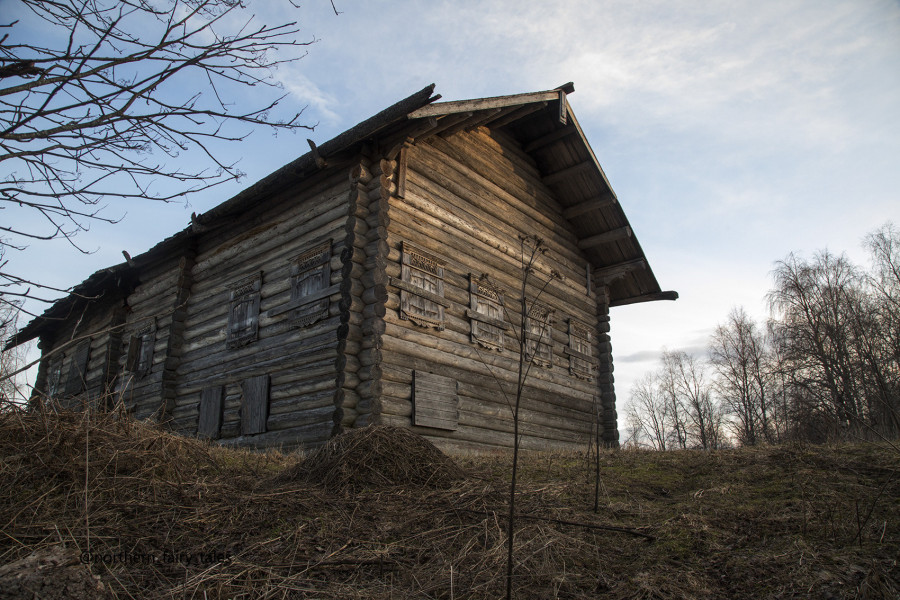
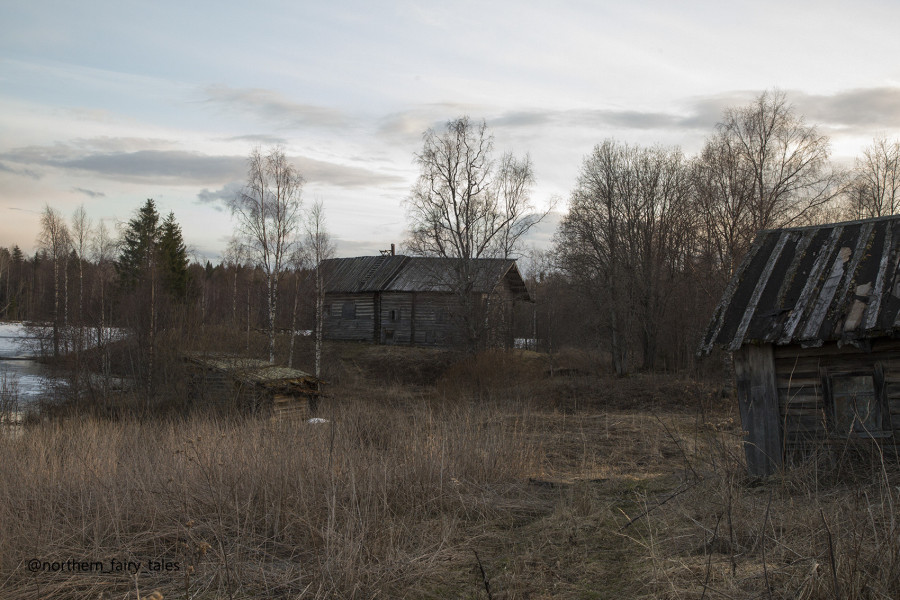
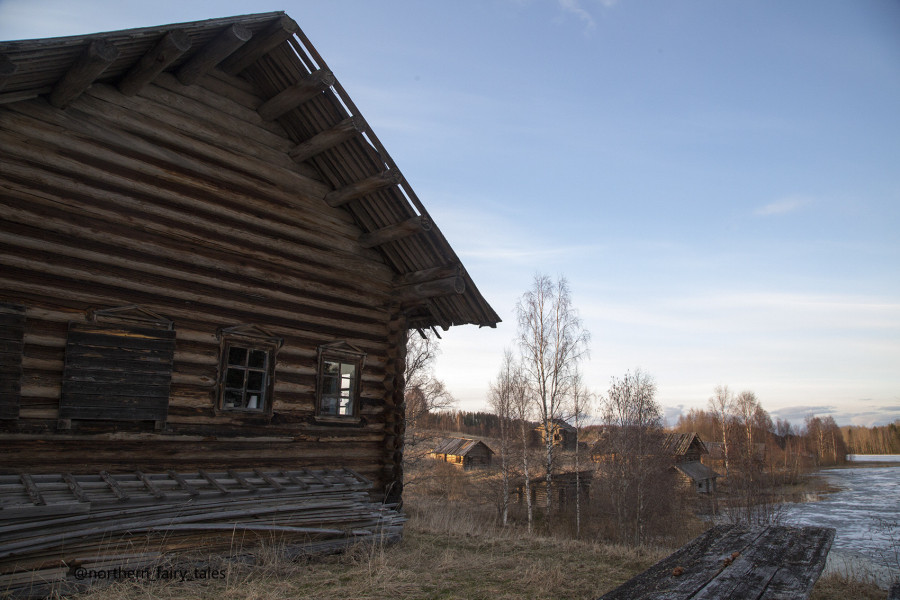
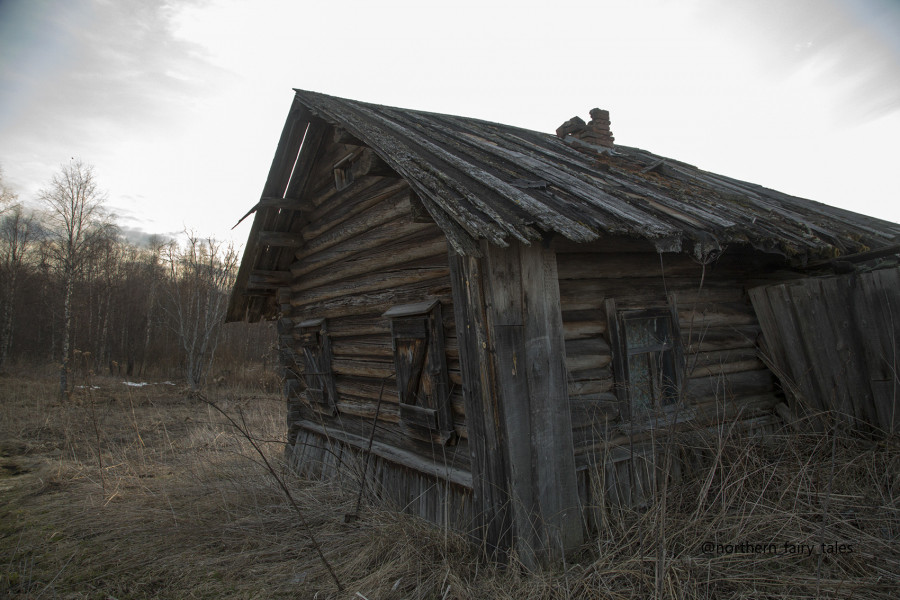
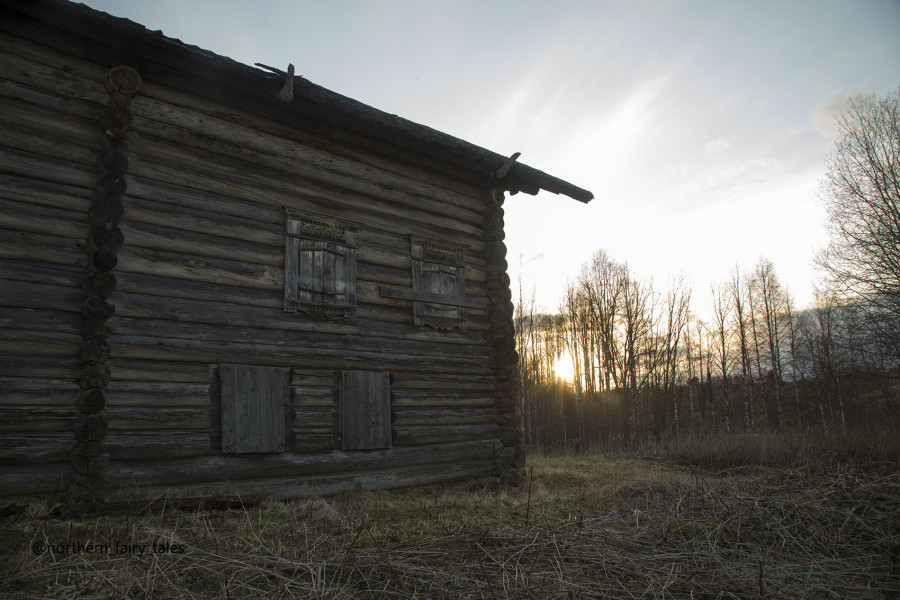
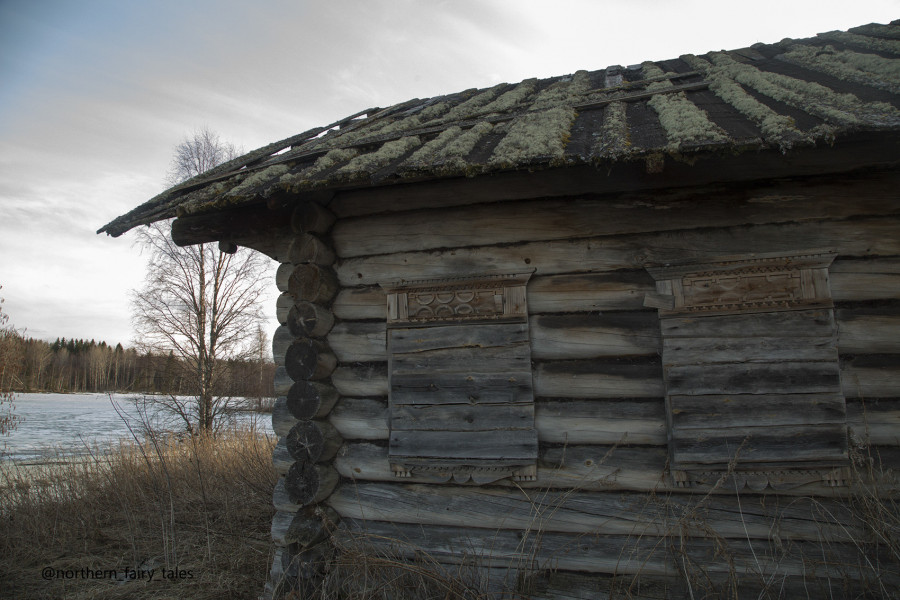
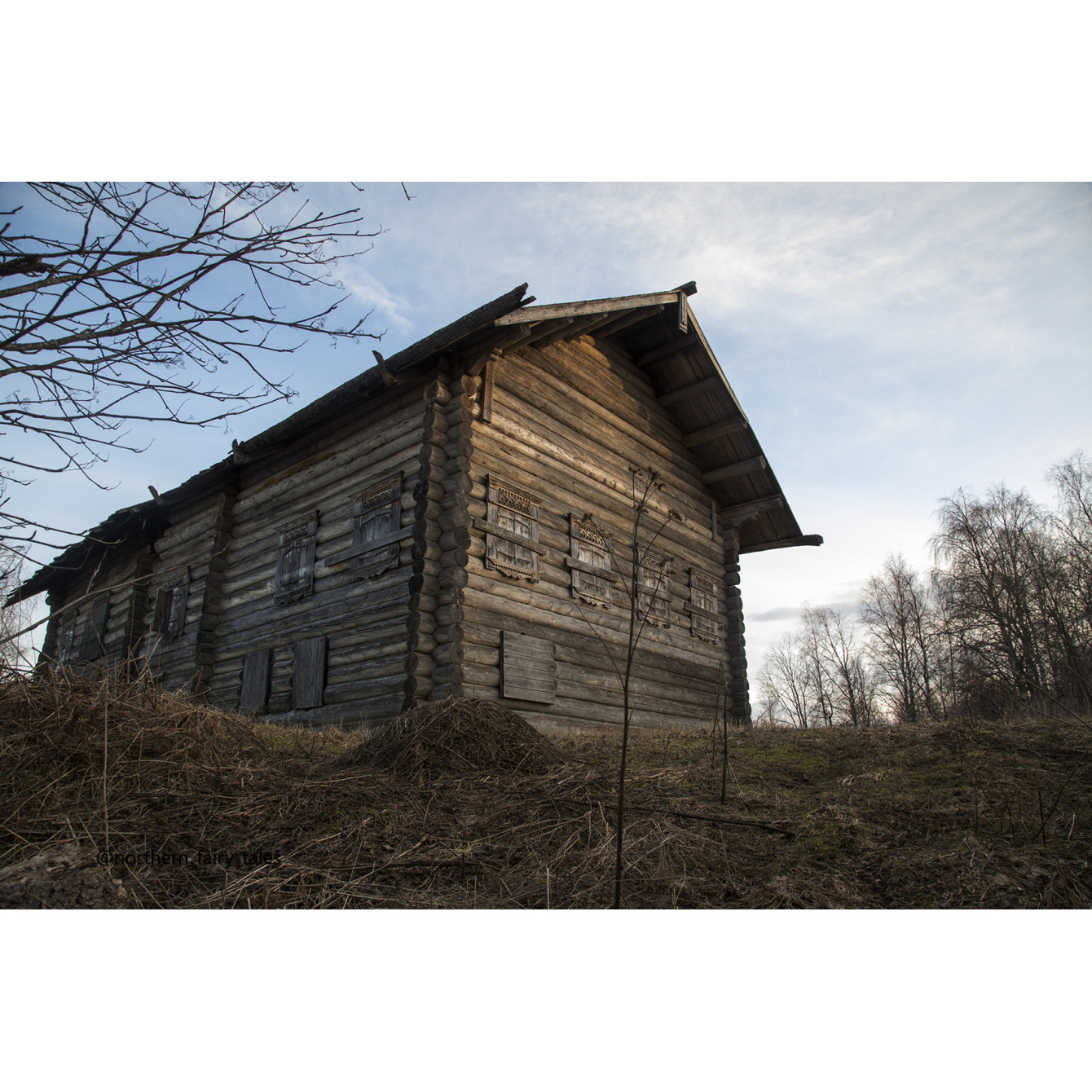
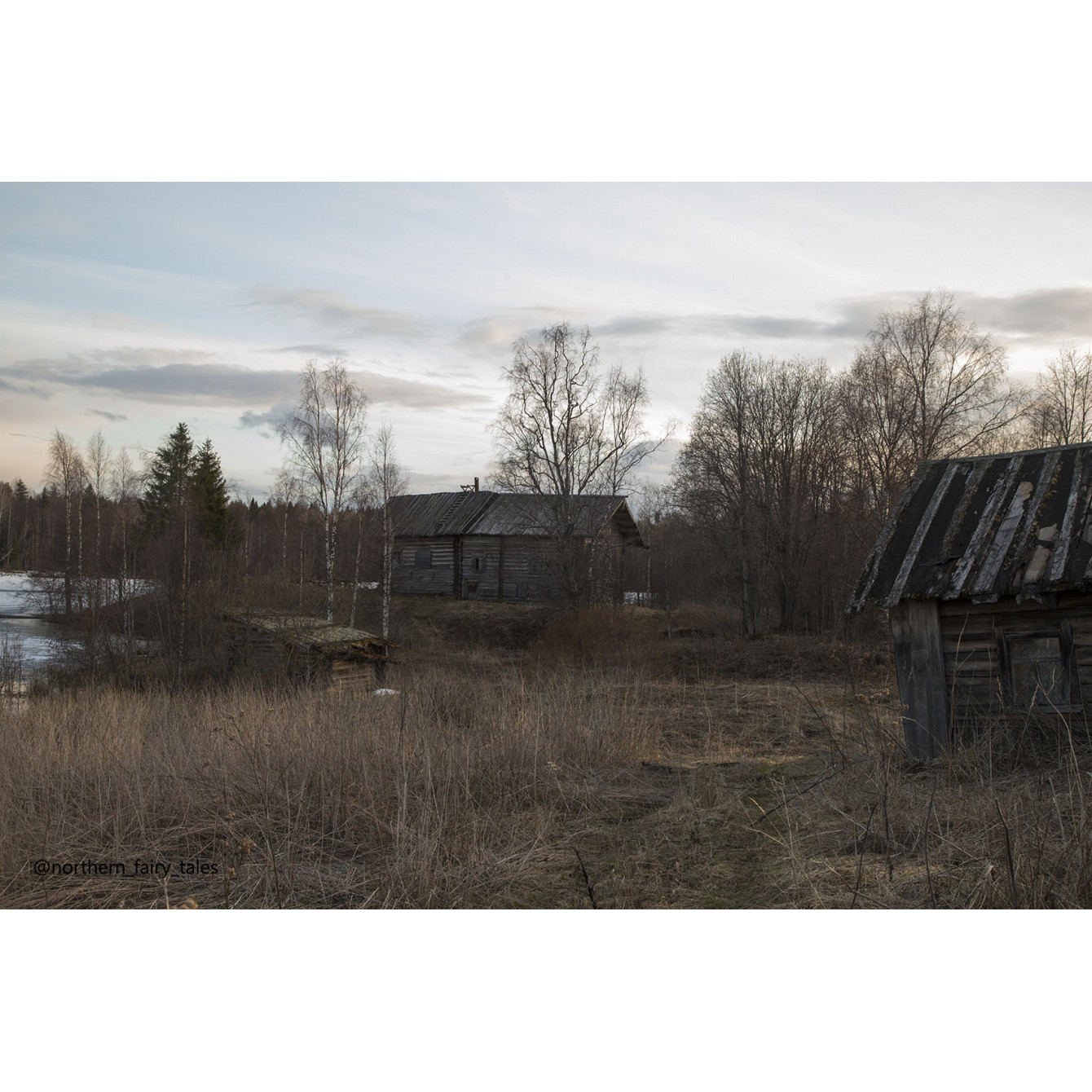
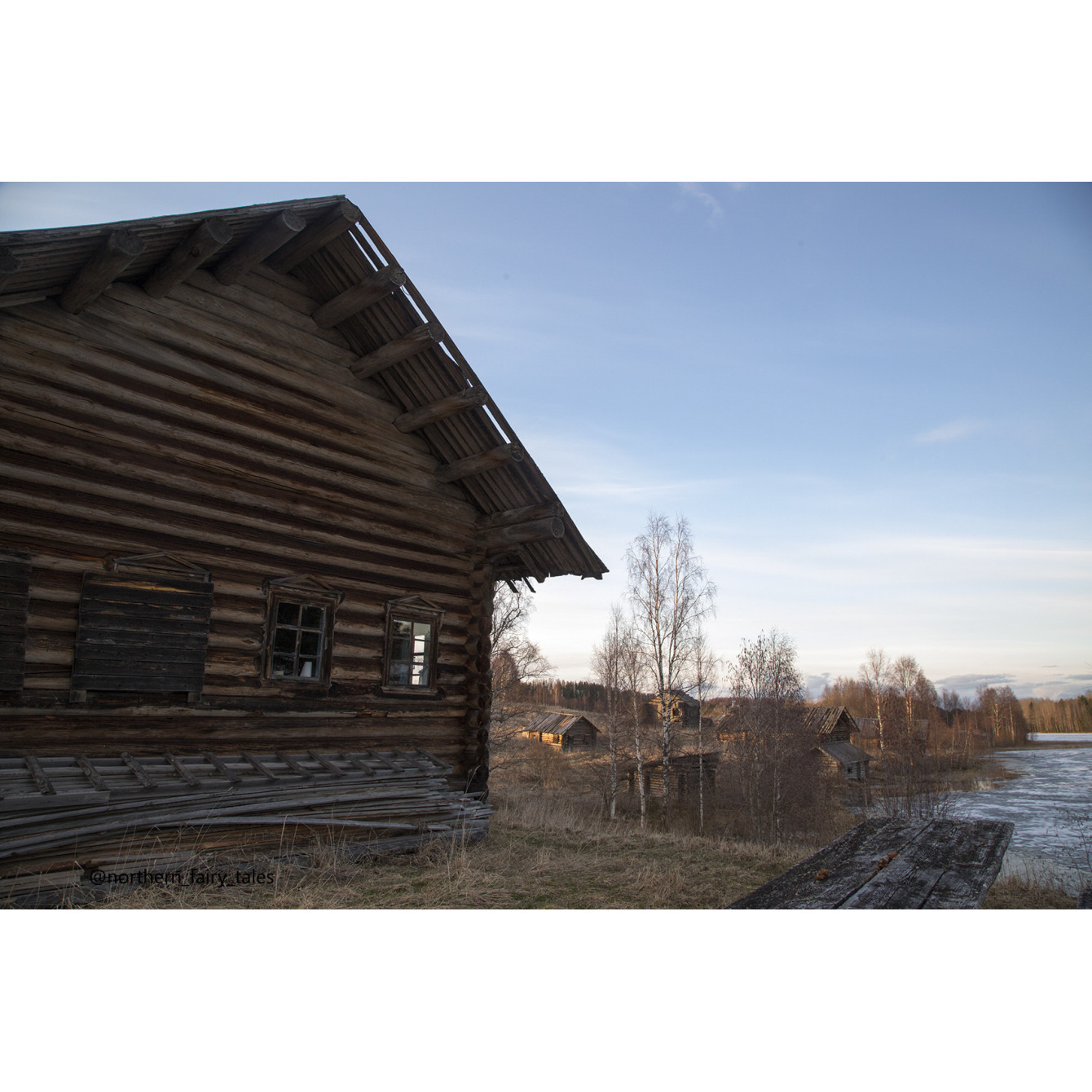
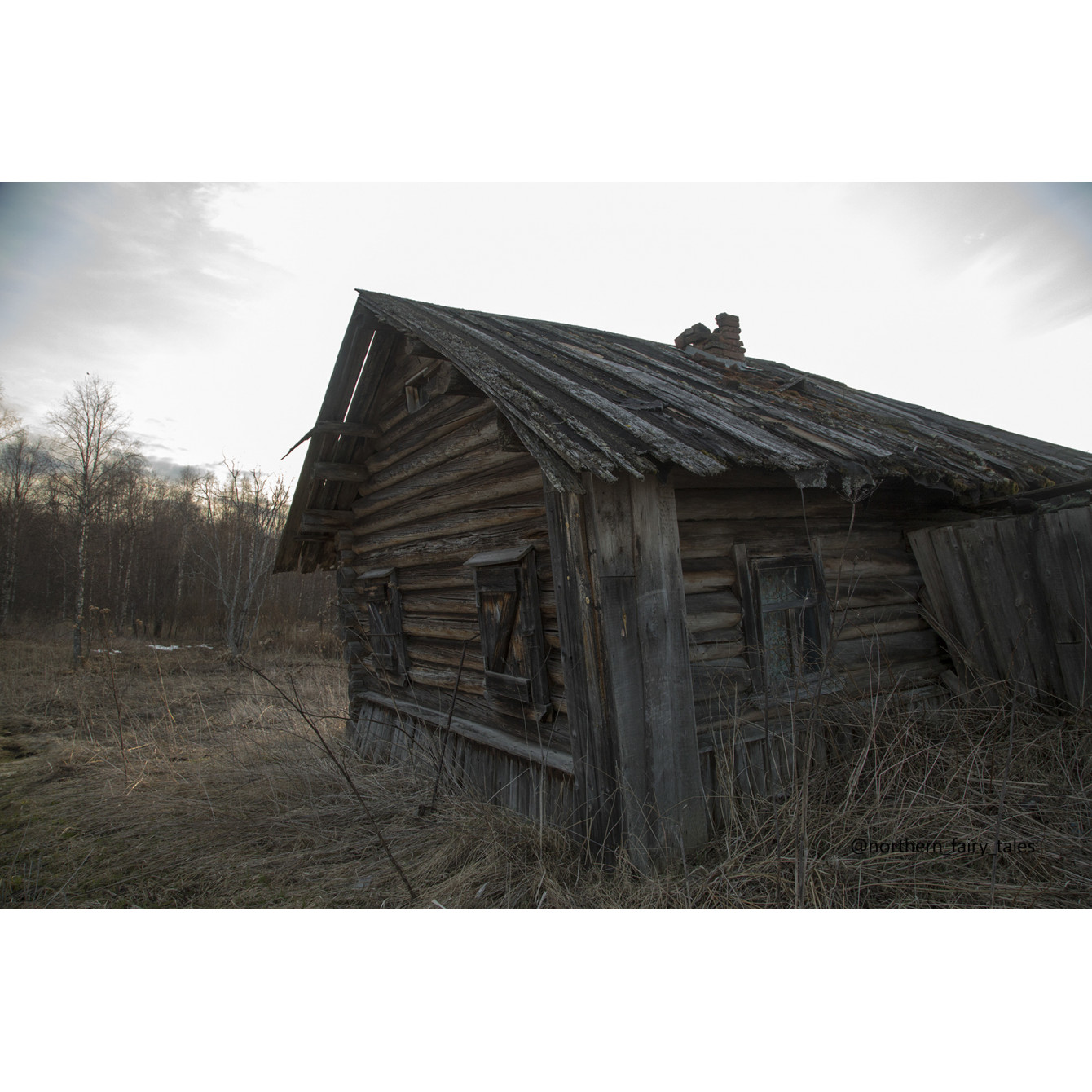
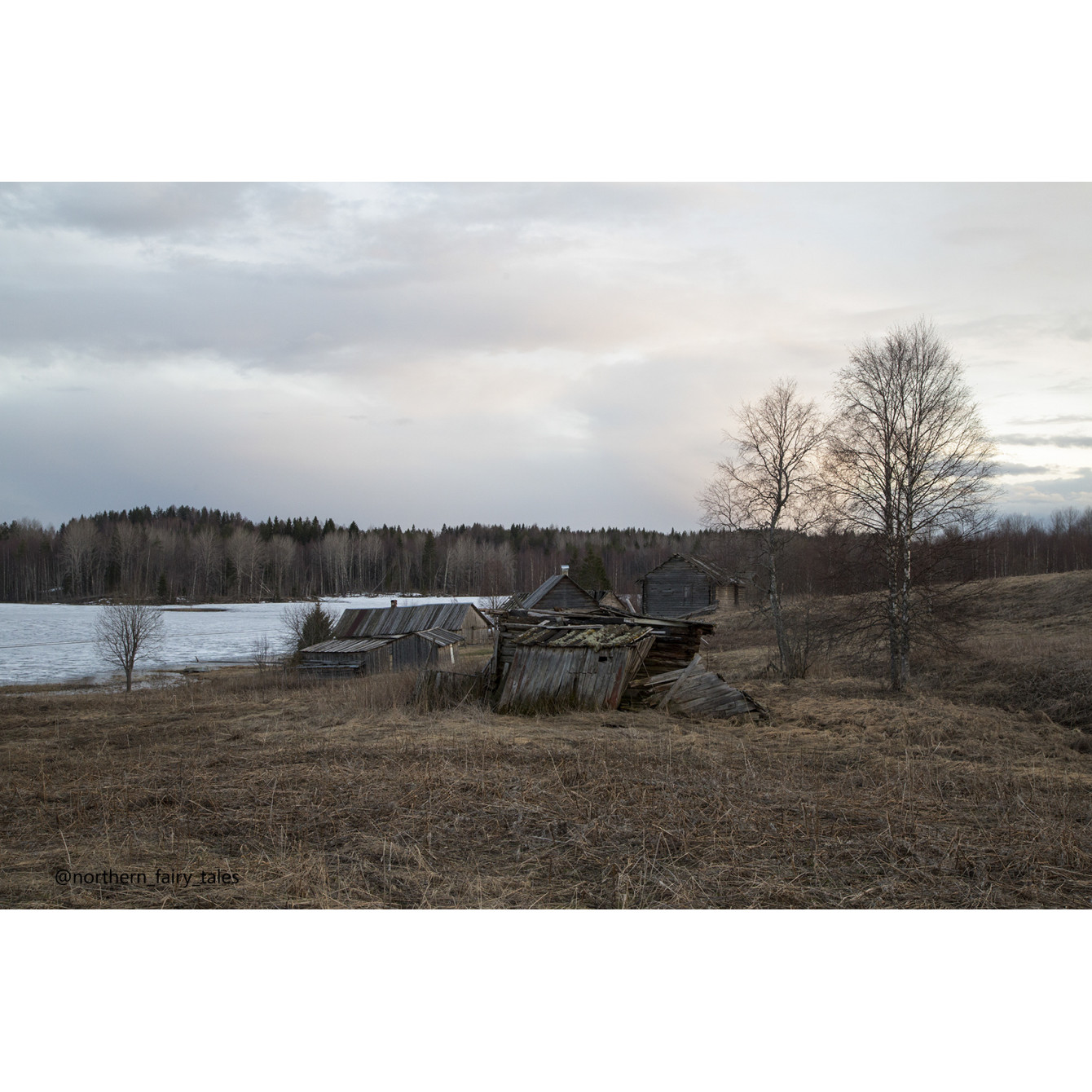
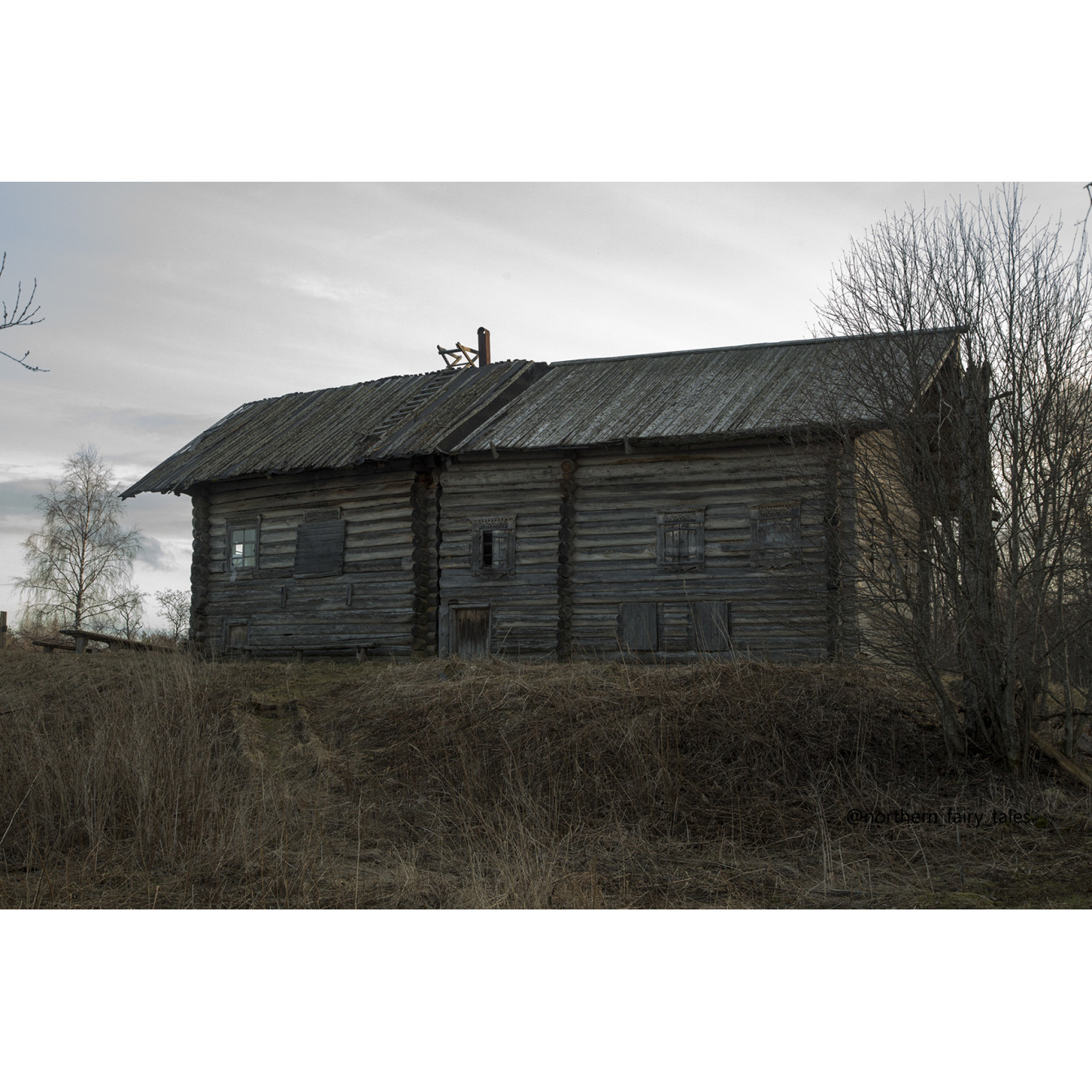
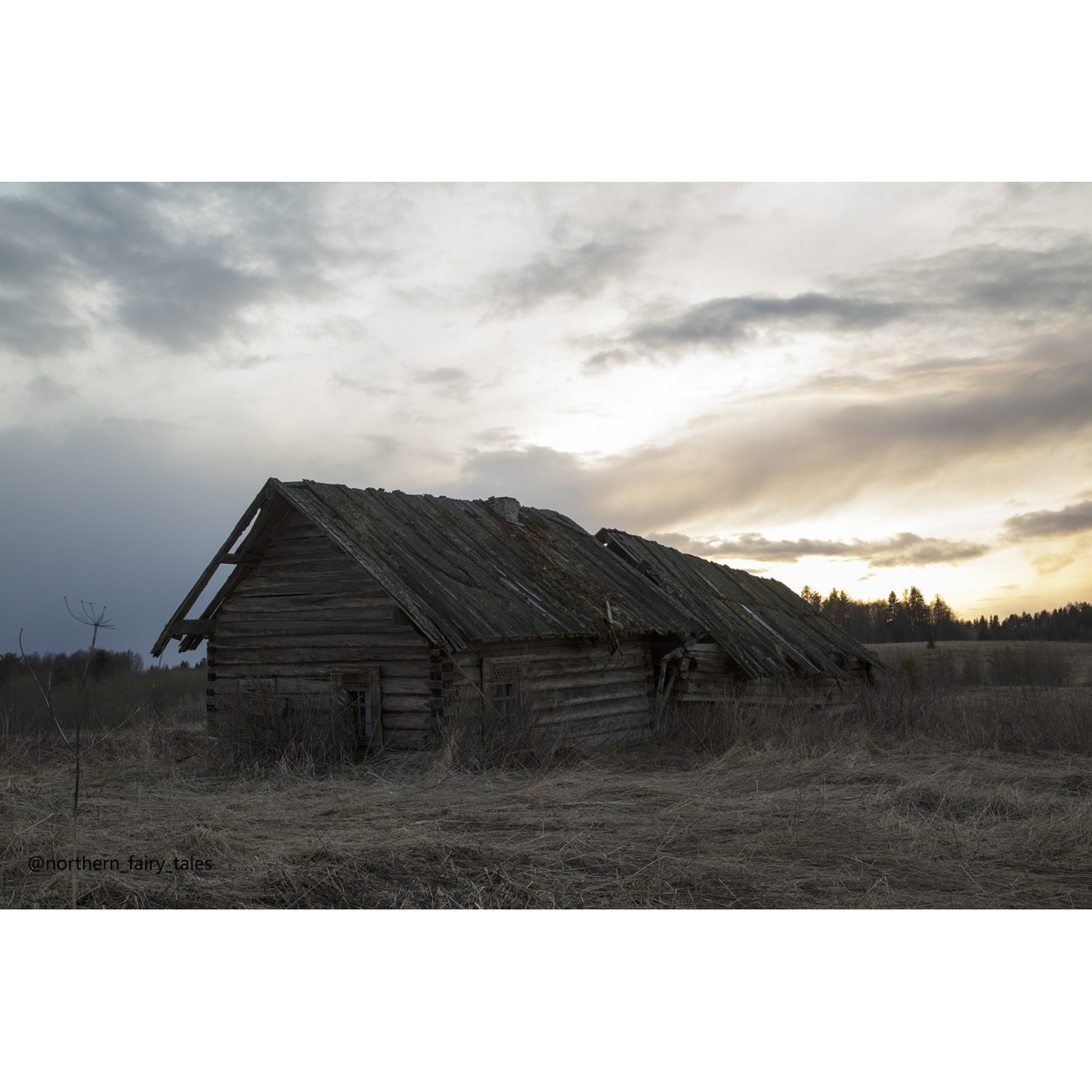
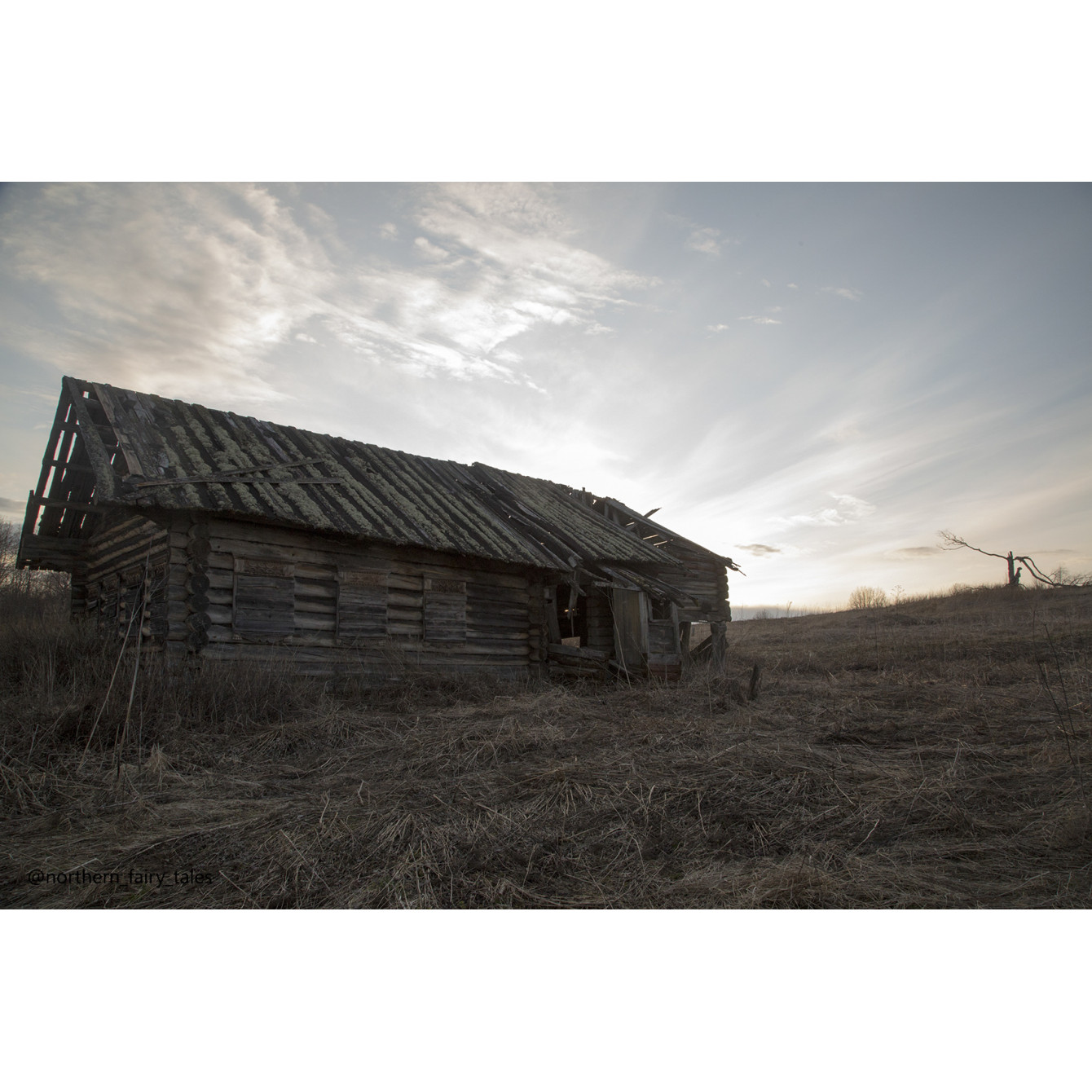
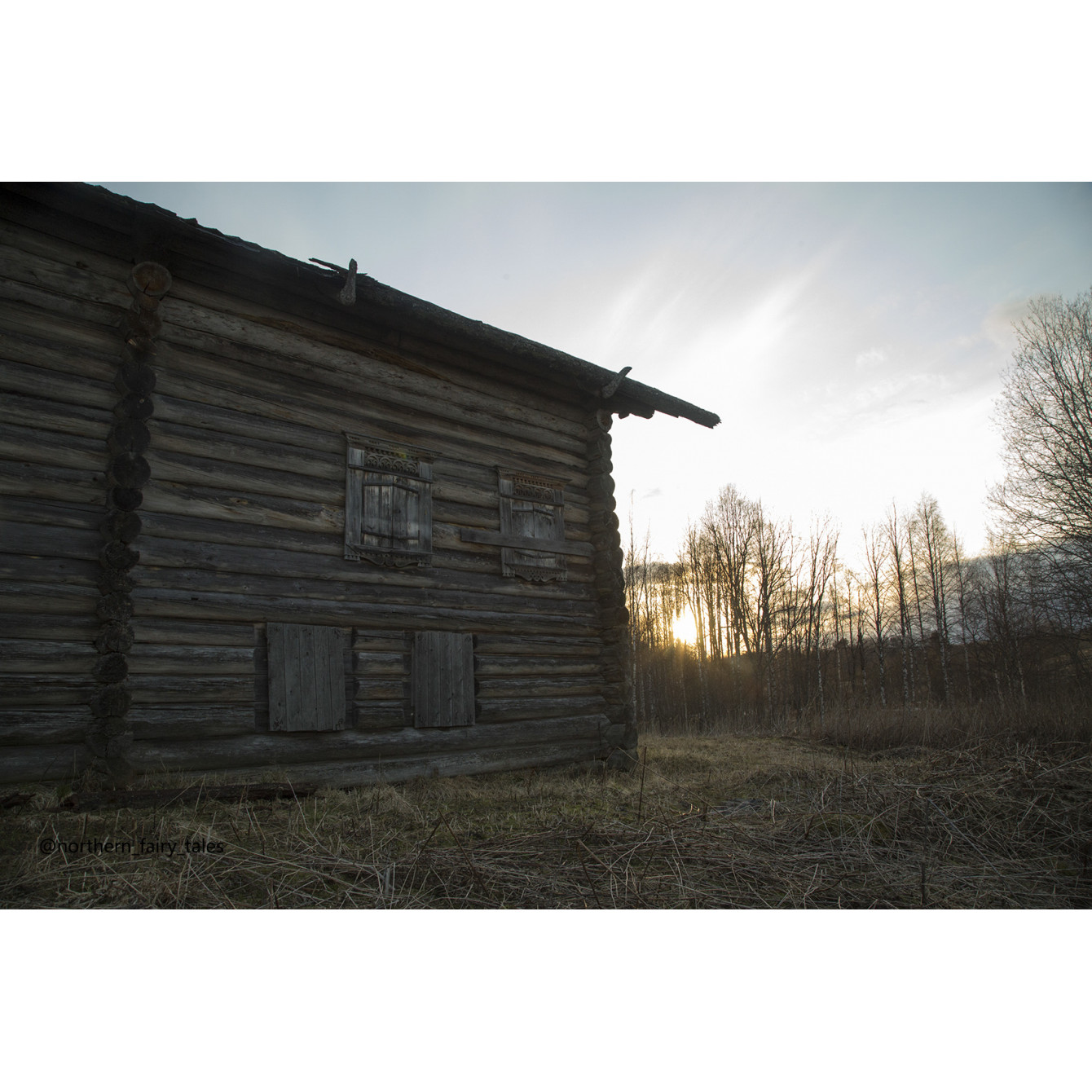
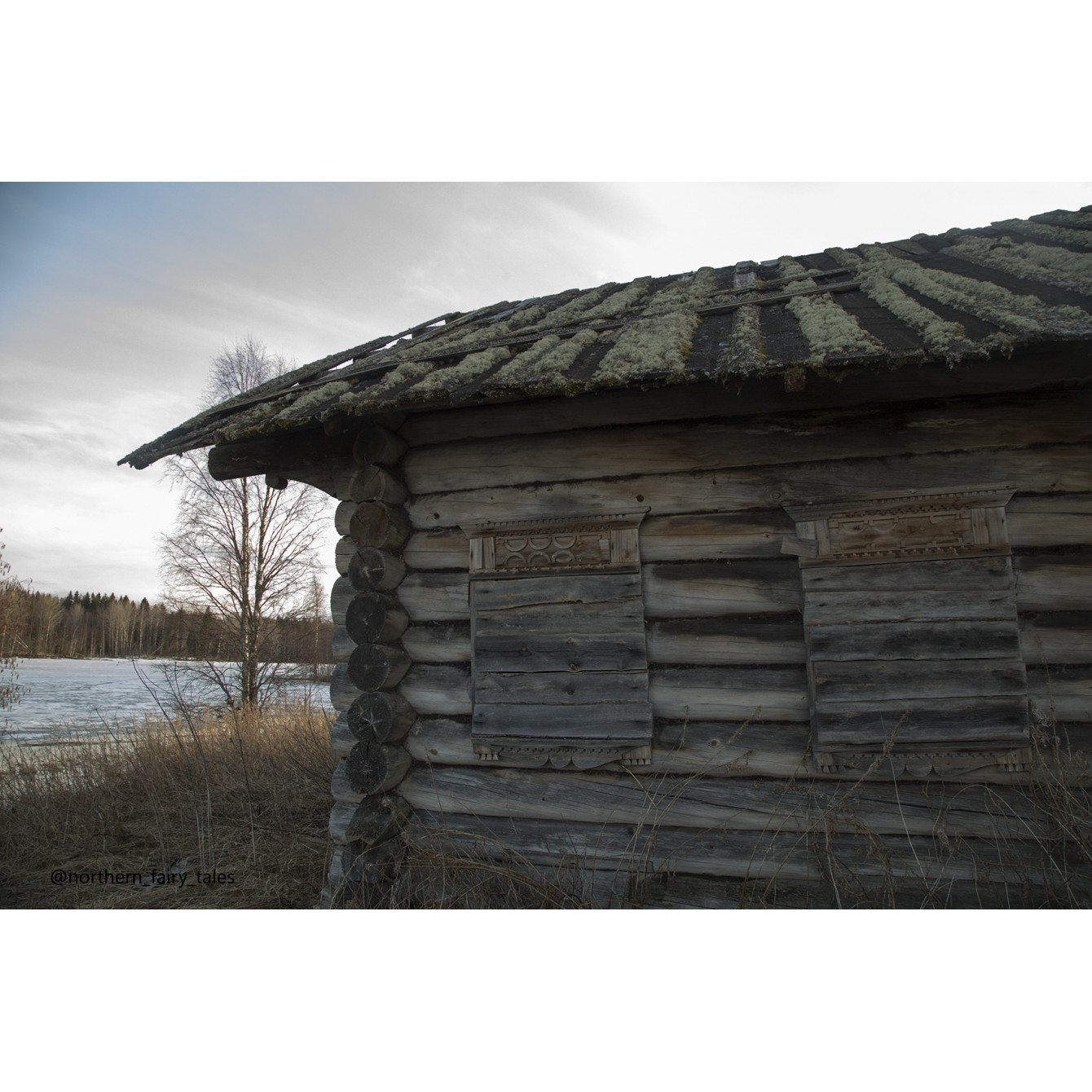
The photographs show the semi-abandoned village of Guzhovo, located in the Arkhangelsk region.
