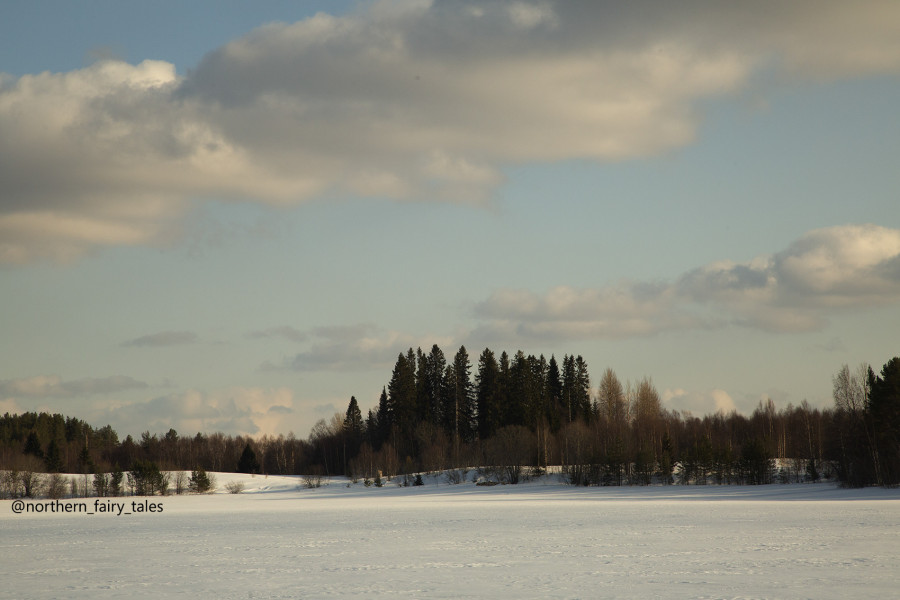


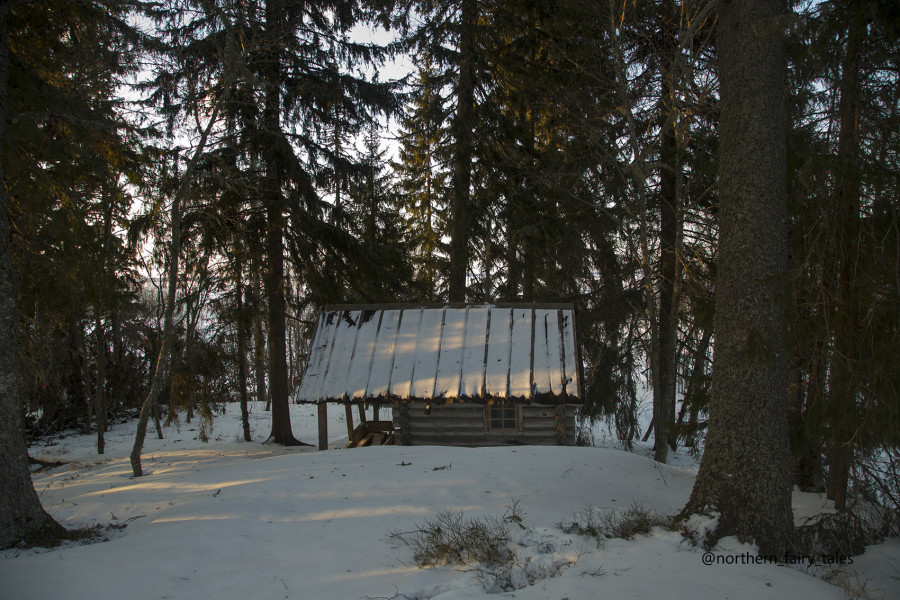

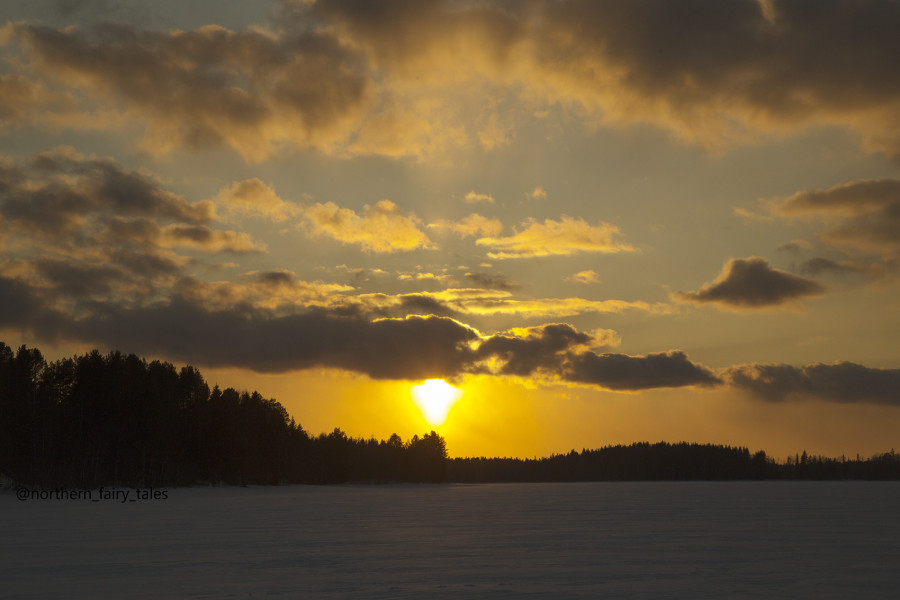




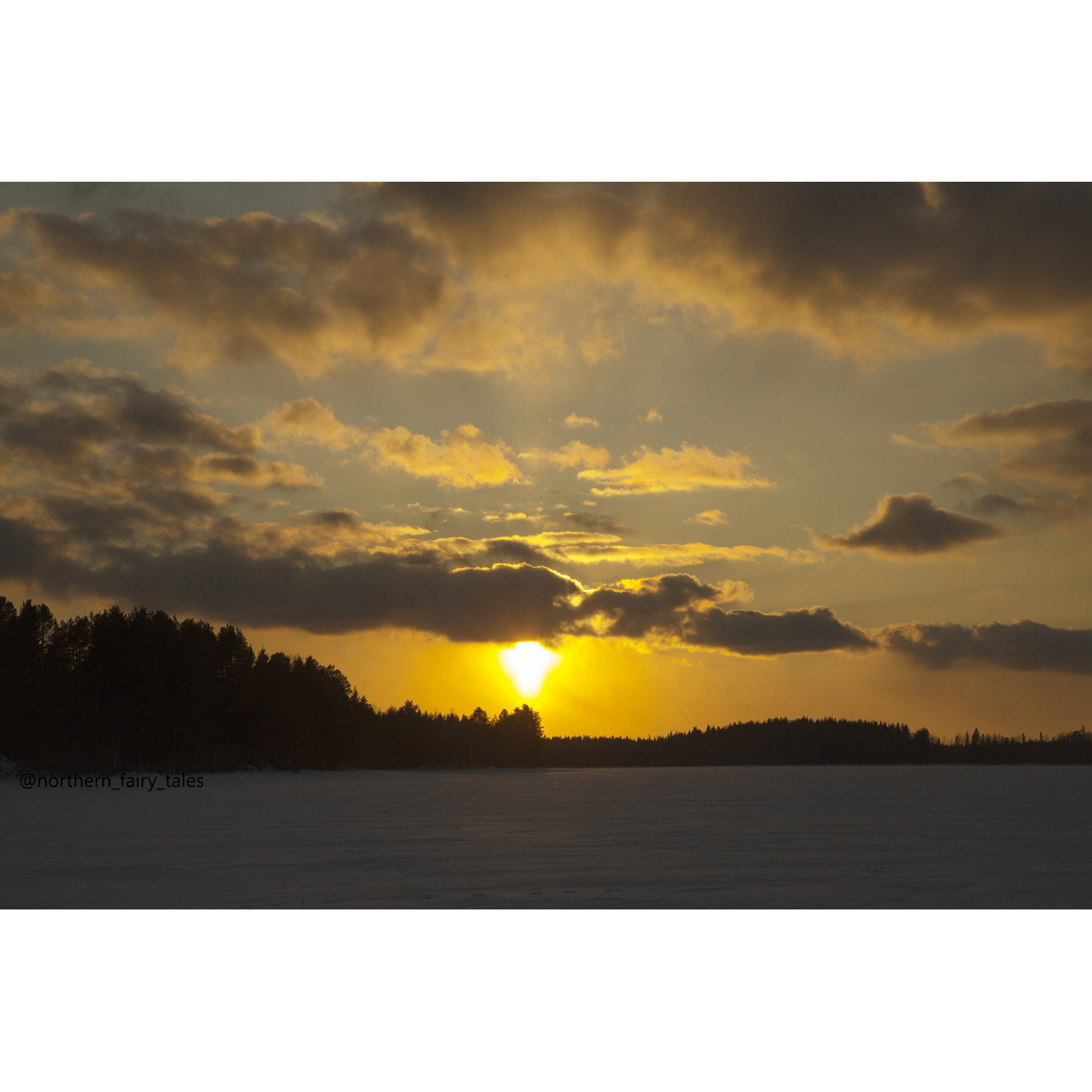

An experienced researcher — one who knows exactly what he is seeking — will unmistakably recognize this conifer-covered hill from many kilometers away, rising above the surrounding land. We already knew in advance what awaited us there, and on March 31, when the thermometer showed a brisk −10°C, we set out toward the former village of Matkalakhta, crossing the dense, icy crust of the frozen epic Lake Vodlozero.
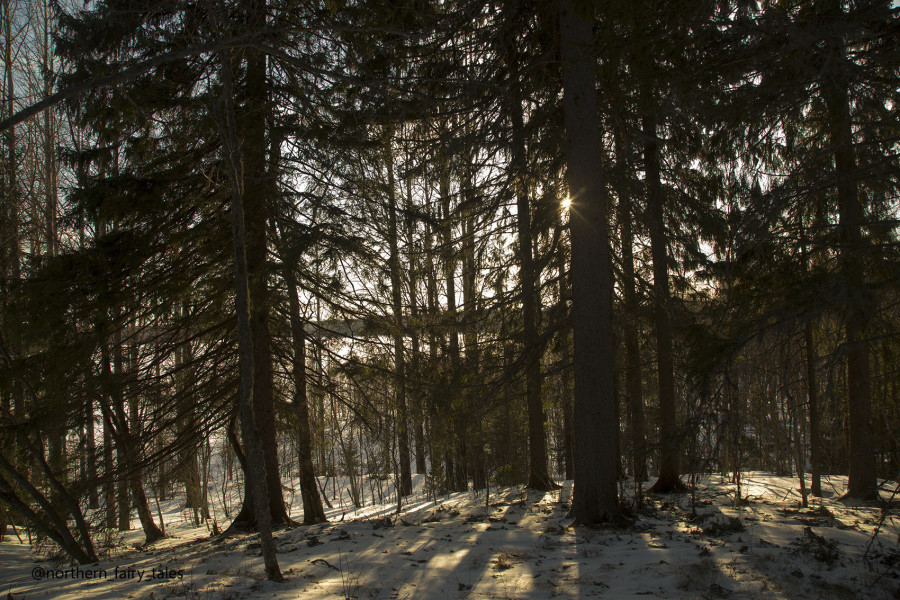
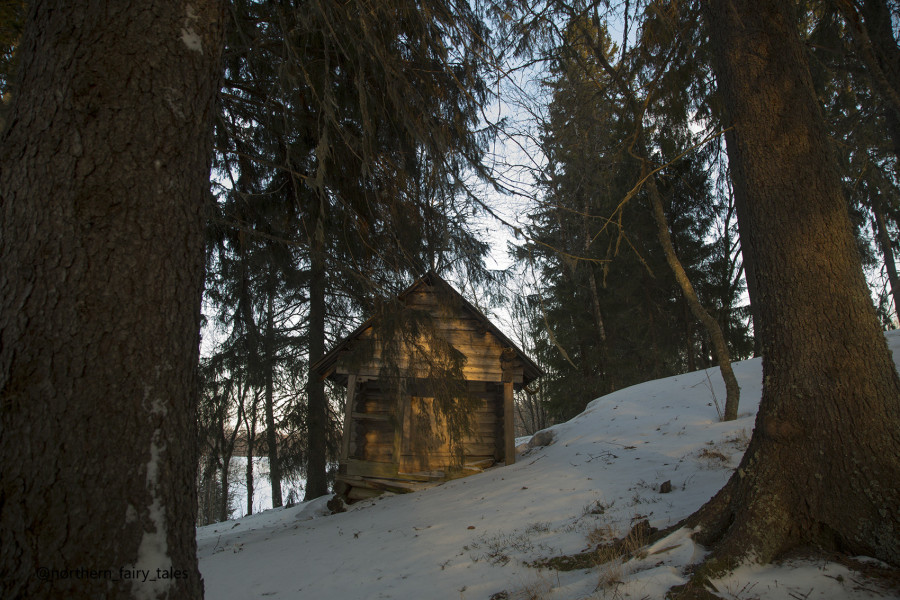
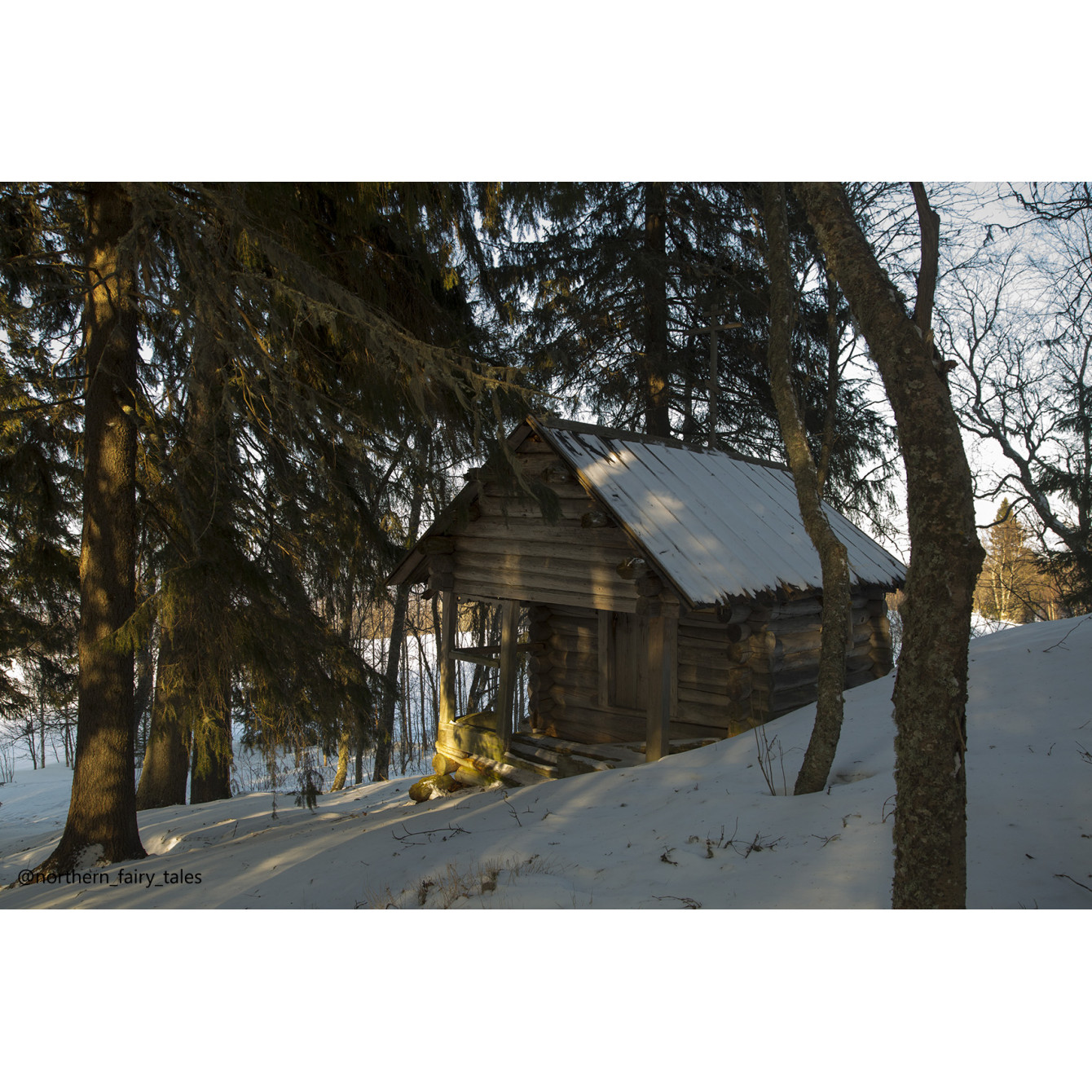
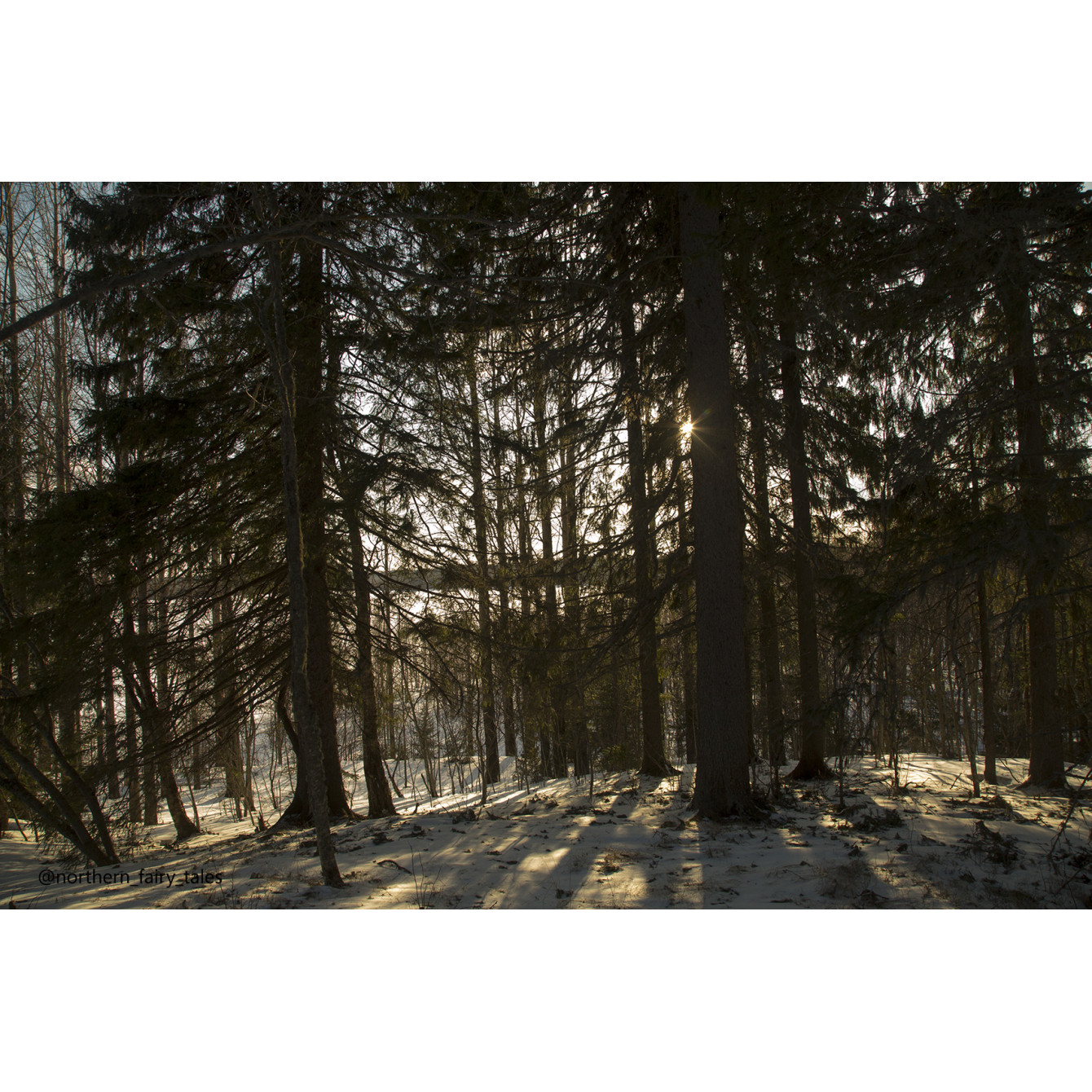
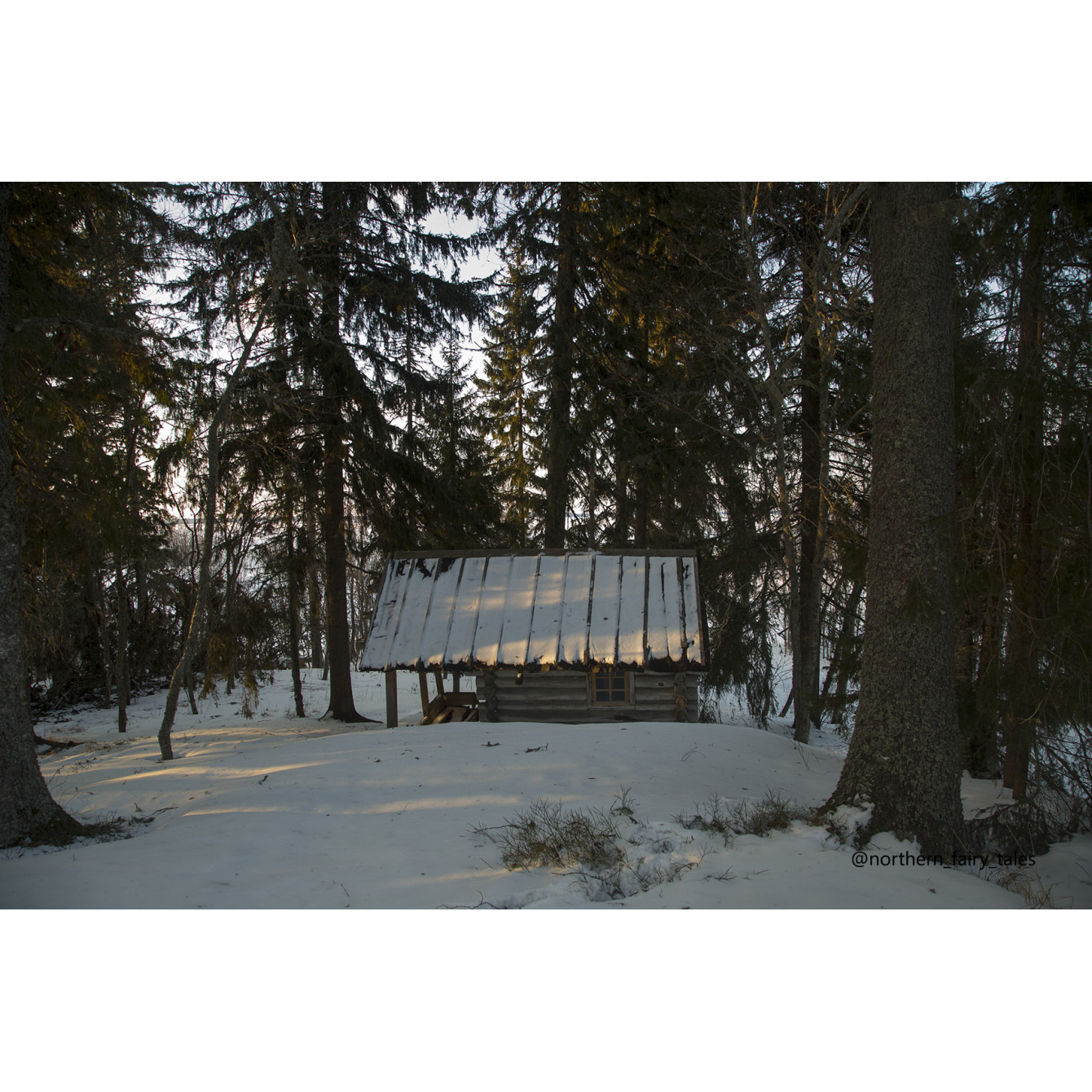
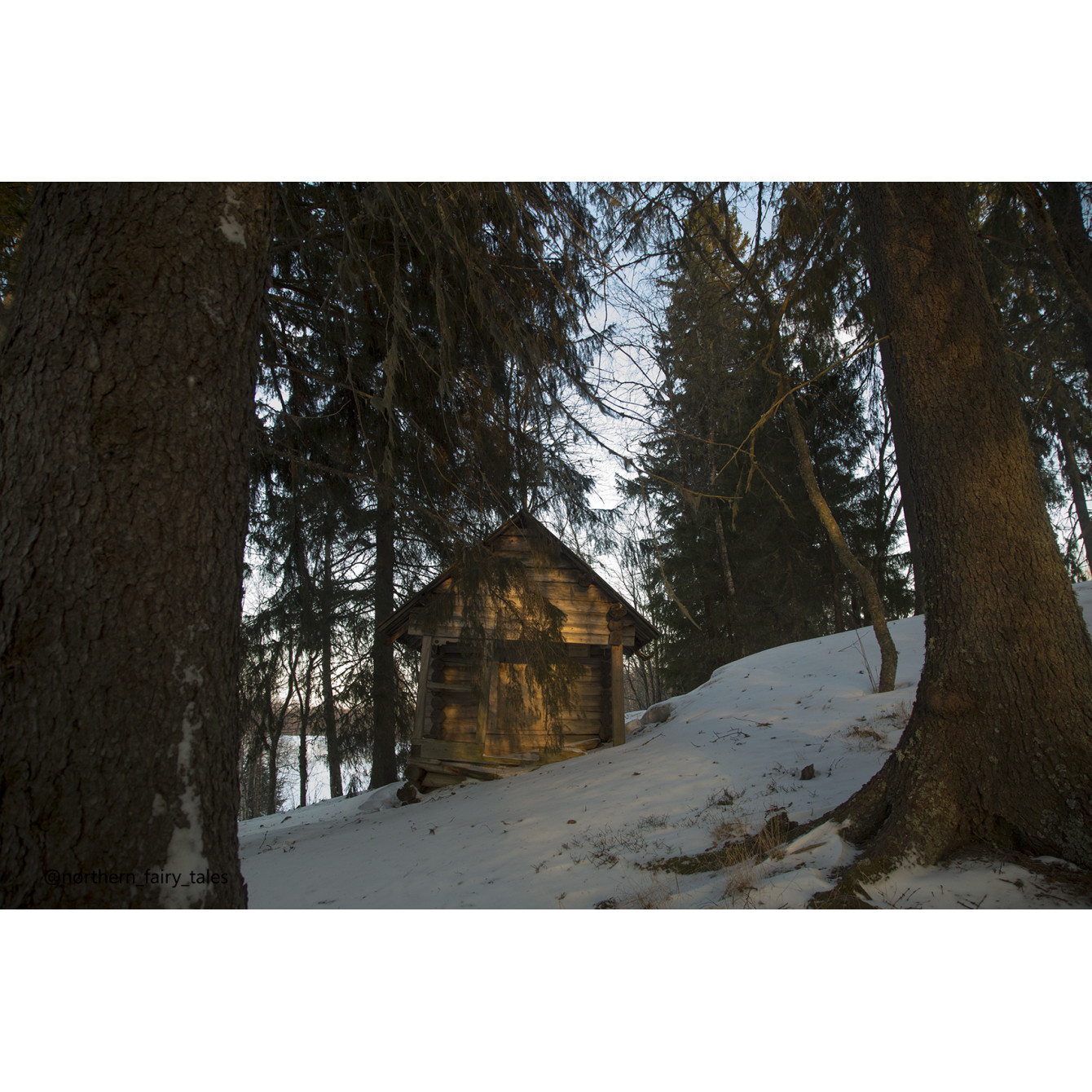
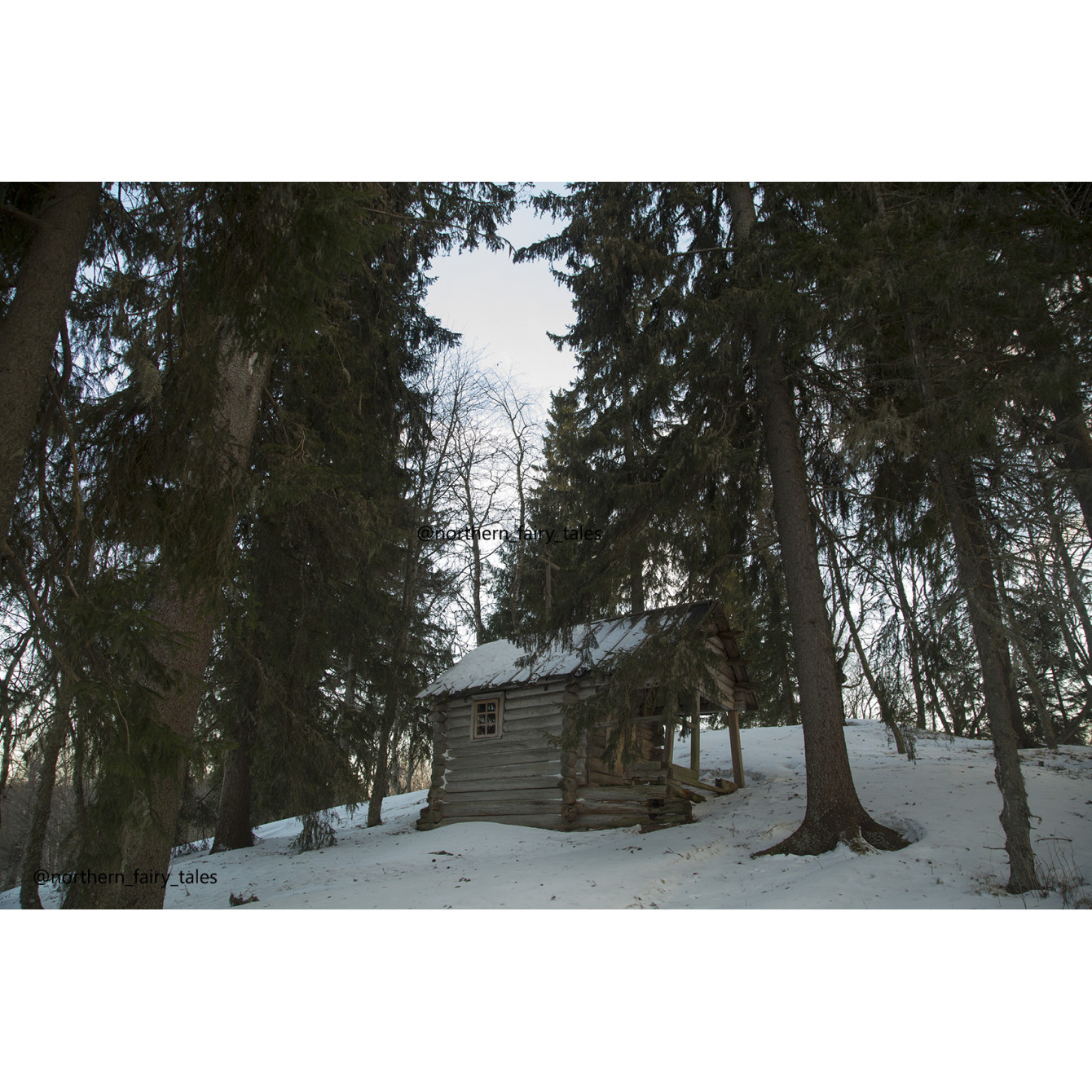
Step by step the enchanted mountain grew closer and larger. And there we were. Sinking waist-deep into wind-drifted snow at the foot of the hill, we entered an age-old sacred grove of relict pines, spruces, and junipers. Among the many trees, the ancient fairy-tale hut is not immediately visible — the Chapel of the Great Martyr Barbara.

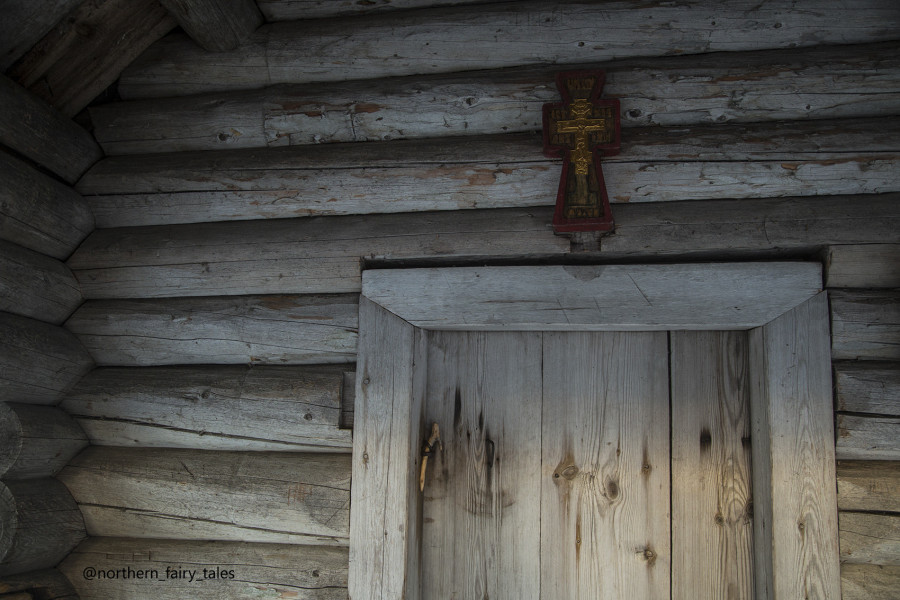
This is one of the most ancient and simplest forms of northern shrines — a four-walled log structure. Such sanctuaries differed from ordinary granaries only by the presence of windows and a cross on the roof. Later, a small entrance gallery was added to the chapel.
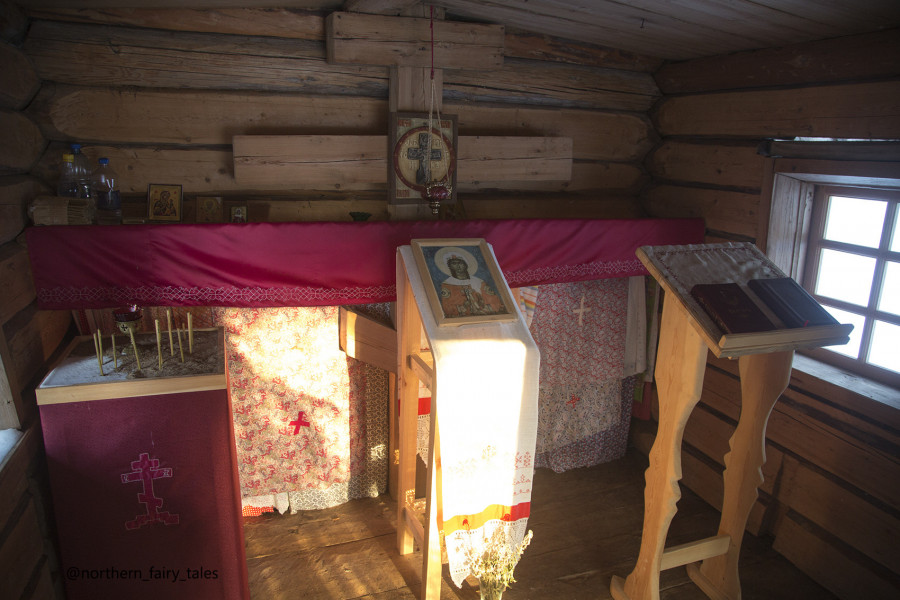
The interior is extremely ascetic; only one thing draws the eye — a massive wooden votive cross built directly into the chapel itself. From the hill opens a breathtaking view stretching for many kilometers across the primeval, austere northern landscape.

We walked across the Hill, looked around, entered the little chapel, and then sat down to rest on the fallen trunks of enormous trees. We drank tea from a thermos, and whether sleep overcame us or a drowsy enchantment descended, visions began to pass before our eyes.
We saw the ancient aboriginal inhabitants of this land — perhaps the ancestors of the Saami, or the magical white-eyed Chud, who chose this hill to bring their earthly offerings closer to the sky. The mind painted scenes of countless animal sacrifices beneath towering trees — first reindeer, later bulls and sheep — sacrificial fires blazing in the night, cauldrons of festive food, praying people in strange garments, powerful priests performing rituals.

The vision continued, epochs changed, and we saw Novgorodian settlers arrive — the great conquerors of the northern expanses. They founded their village at the foot of the hill, with its wondrous Slavic-Chud name, Matkalakhta, absorbed the white-eyed Chud, merging with them physically and spiritually, and erected a chapel upon this Hill — the symbol of the Upper World. The Hill became the spiritual heart of their universe.

We saw women bringing votive offerings to the chapel on special covenant days: homespun towels, lengths of cloth, food. At predawn, still in darkness, a lone female figure stole through the Grove with a plea for the healing of the sick. We saw bearded men in boots and bast shoes, shirts and homespun trousers, led by a priest, solemnly ascending the Hill on the feast of Florus and Laurus — patrons of horses — for the rite of water blessing.

Then a darker vision arose: an ugly old woman, Cholera, settled in the village; she visited every house, leaving a corpse in each. But pure fires were lit in the settlement, and at dawn women and girls, clad only in undergarments, harnessed themselves to a great plow and plowed a ritual furrow around the village, creating a purified space. Woe to anyone who crossed their path — they would be torn apart. Stern peasants led sacrificial horses to the Hill — a ransom to the Disease — and among the animals, someone else… someone small and pitiful, two-legged…

The vision continued. The twentieth century came. The peasants of Matkalakhta perished in wars, the dispossessed were exiled from here, the old died, the youth left for the cities. The village emptied, and then disappeared altogether — not a single house remained in the tract of Matkalakhta. Life departed from here. Only the Sacred Hill, the untouched relict forest, and the chapel remained — a triad of a sacral complex, an archetype of folk Orthodoxy, a synthesis of Christian and archaic traditions — one of the most atmospheric places we have encountered in our travels.

The vision ended. We opened our eyes. Outside, dusk had fallen, and the strengthening frost (by the morning of April 1 the temperature dropped to −20°C) drove us back from this spiritual Eden — back to people, back to our homes.
