


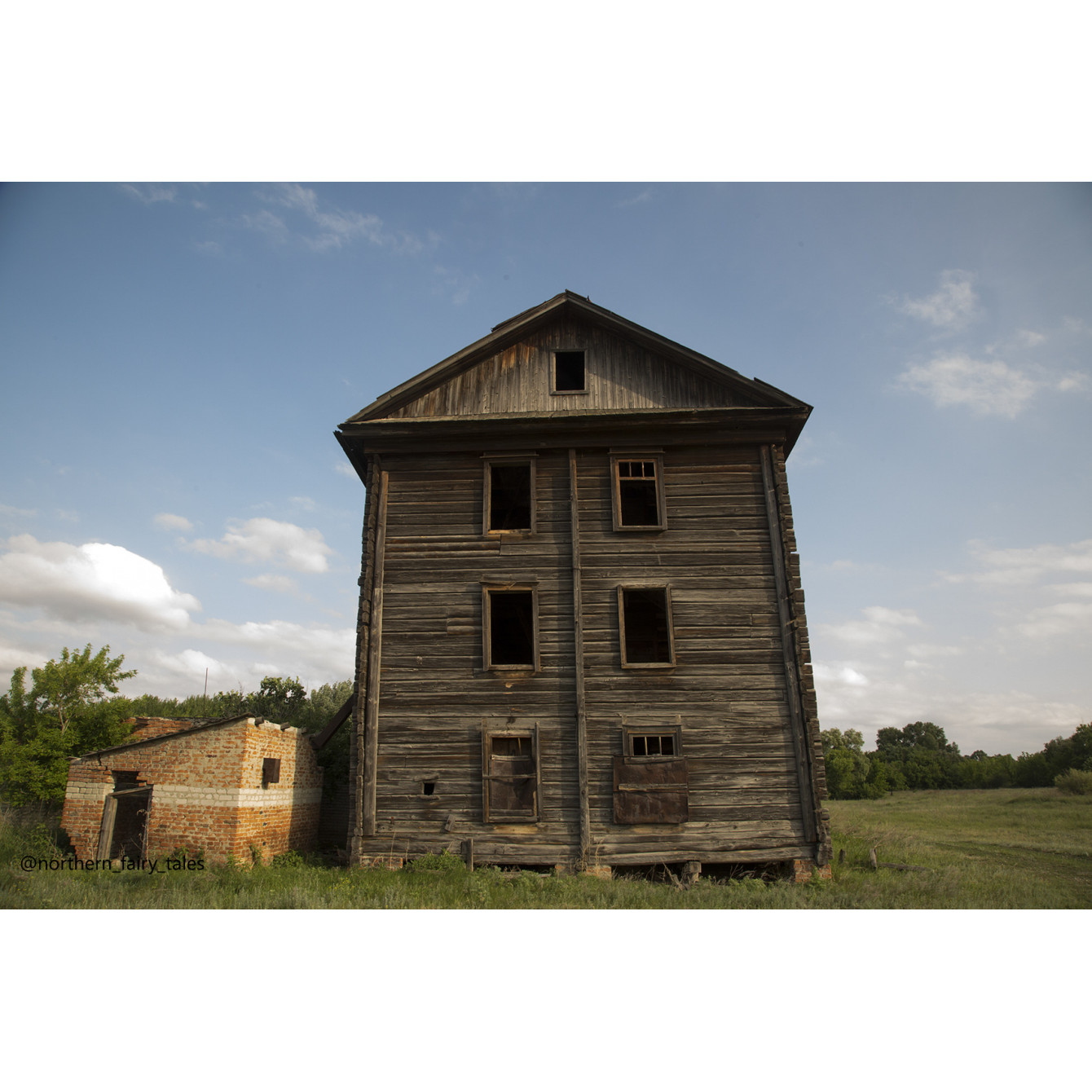
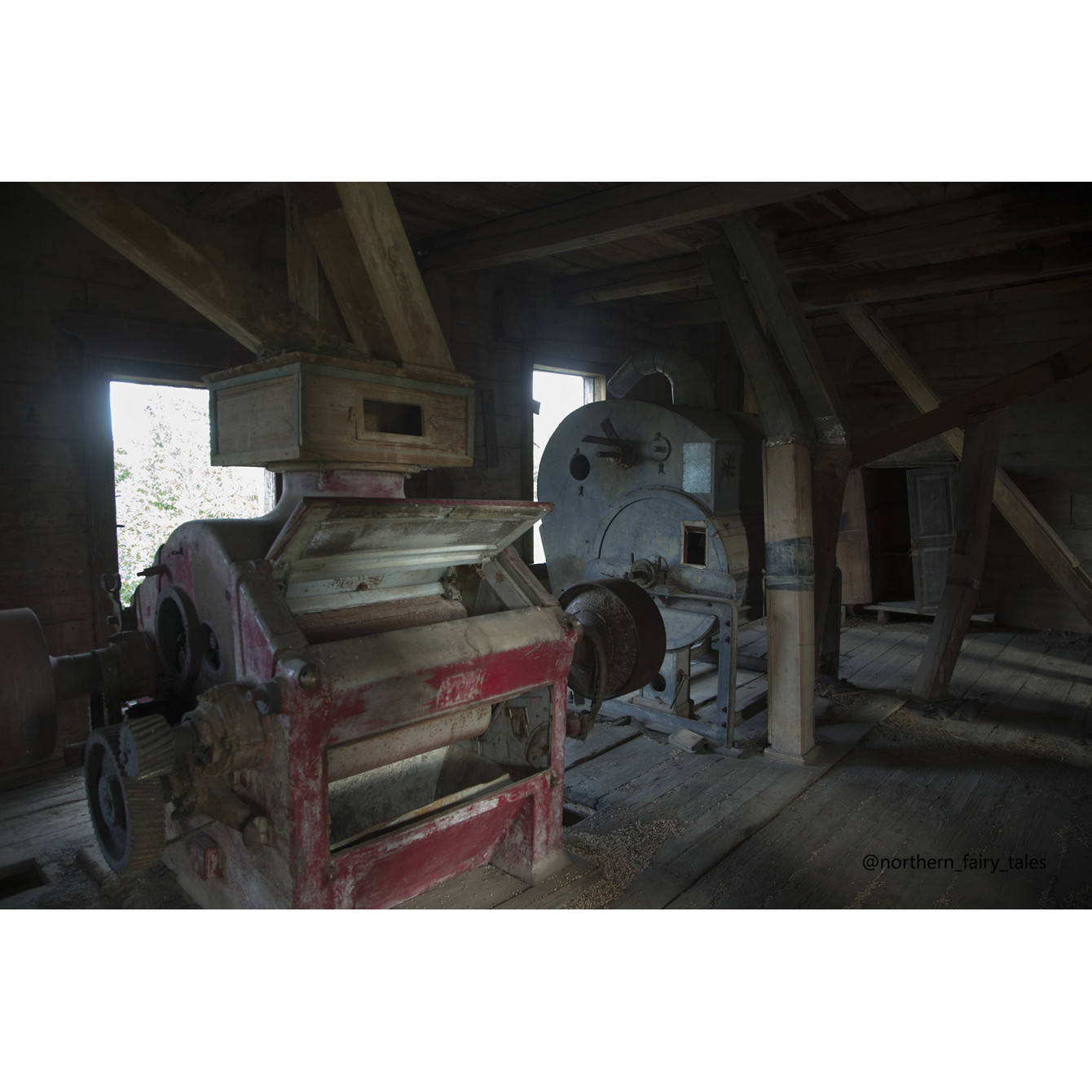

In Russian folk belief, a mill is regarded as an accursed place, akin to an abandoned house or a bathhouse. It is a boundary between worlds — the human and the non-human, the watery realm — and any mill, especially an abandoned one, is considered a dwelling of devils.
This structure is a liminal space where the human world meets the noisy, untamed forces of nature. According to popular belief, no house should ever be built on the site of a mill, for it would bring supernatural punishment: livestock would perish, or the lifespan of the owner and their household would be shortened. Only a pigsty could be built from the remains of a mill, as it was believed that the demon dwelling there feared pigs.

In Russian folklore, not only the vodyanoy (water spirit) could inhabit a mill, but also shishigi and ichetiki — minor demons. These entities were said to produce various sounds, including singing, music, and mysterious noise.
The mill and its parts were used in both harmful and healing rituals. If one were to throw an enemy’s clothing into the turning mill wheel, the enemy would fall ill; but if water used to wash a sick person were poured into the wheel, the afflicted person would recover.

Not only the mill itself, but also the figure of the miller became mythologized. Like the blacksmith or the shepherd, the miller was equated with a sorcerer. Folklore researchers believe that in this way peasants stigmatized representatives of non-agricultural rural professions. Such attitudes stemmed from the fact that these village specialists were associated with elements alien to peasant life: the miller with water and wind, the blacksmith with fire, the shepherd with the forest.
Even in the 19th century, people believed that millers made human sacrifices to the water spirit — for example, pushing late travelers or strangers into the water — and that they made pacts with the vodyanoy, selling their souls. Before constructing a mill, a ritual foundation sacrifice was performed — an offering to unclean forces. The water spirit, in turn, demanded a “tribute” from each new mill — a drowned person. Thereafter, the miller was expected to regularly present gifts to his supernatural partner: tobacco, alcohol, meat, and bread.

To illustrate folk beliefs connected with this figure, we present here an account recorded by the Karelian researcher K. Loginov about the famous sorcerer-miller Titov of Zaonezhye:
The Sorcerer Miller Titov
“He owned a mill on a river flowing into Lake Vanchezero. When people were forced into collective farms, he remained the only private mill owner in the Shunga district who was not dispossessed. I will allow myself to recount several folk stories about how representatives of the new Soviet authorities attempted to deal with him.

Because the local village council officials in Shunga feared Titov like fire, they summoned a delegation from Medvezhyegorsk. Several people arrived at Vanchezero to inventory his property and compile official reports, since his household was substantial. To their surprise, the miller was already waiting for them at the ferry crossing, as if he knew in advance of their arrival. He greeted them politely and seated them in the boat.
When they set off, the council workers noticed with amazement that the boat was moving with unnatural speed — today one might say ‘as if powered by a motor.’ They asked him why. The miller smirked and said, ‘Would you like me to show you the rowers?’ Without doing anything himself, a whole cloud of devils suddenly descended upon the boat. A few began to row, while the rest rocked the vessel from the sides. The officials were frightened half to death.

When they reached the shore, they refused tea and fresh pastries. Catching their breath right on the bank, they immediately departed. They did not take the miller with them — instead, they told him to come for his boat later, when he had time. The next official arrived in winter. He came by sled over the ice at dusk — an operative from Medvezhyegorsk, a Civil War hero and decorated officer.
When preparing to sleep in a separate room, he asked about the devils and demonstratively unfastened his revolver holster. The miller replied, ‘Wait until midnight — they will come.’ At midnight several gunshots rang out from the official’s room. Then he himself burst out in his underwear, ran, leapt into the miller’s marital bed, and lay trembling between the old man and his wife until morning. At dawn he left without tea or farewell, having never begun the inventory. After that visit, Titov himself did not tempt fate any further and transferred the mill and his best horses to the local collective farm.

Shortly before the war, a procurement agent from Leningrad visited Titov. He had heard many tales of the mill’s wonders and kept pressing the miller: ‘What are these devils like? What do they look like?’ Titov brushed him off: ‘There are no devils. Period.’ The agent grew bored and went for a walk. Outside, he heard the mill working — knocking, grinding. He was surprised: ‘If the хозяева are sitting at home, then who is working there?’

He went to look. At first he saw nothing in the dim light. But when he looked closer, he was struck with terror: devils were hauling sacks of grain, pouring it into the millstones, and on the lower floor filling empty sacks with flour. He ran back to the house and told the miller. ‘Let’s go and see,’ the miller said. They went outside — the millstones were silent. They entered the mill — it was empty. For a long time afterward the agent doubted whether he was still in his right mind or had gone mad.”

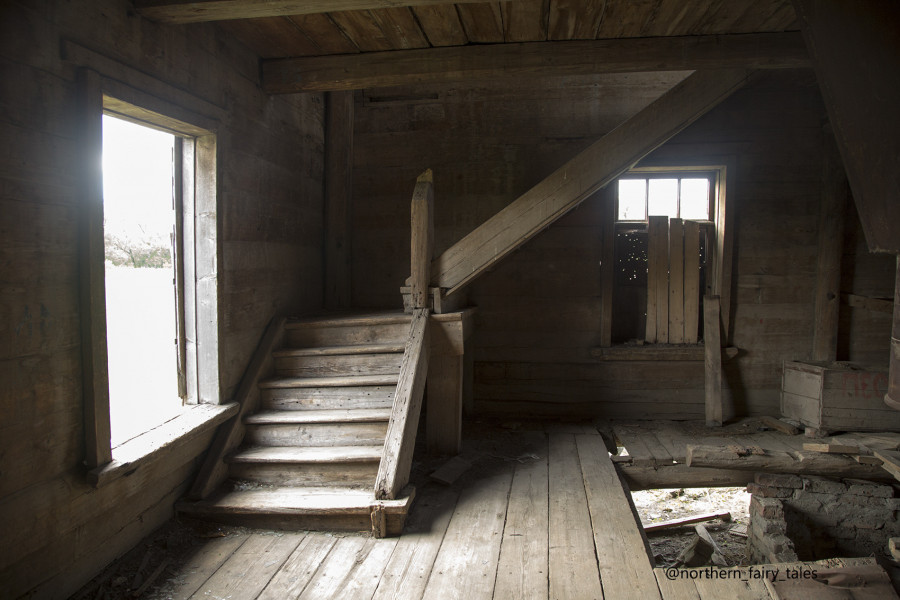
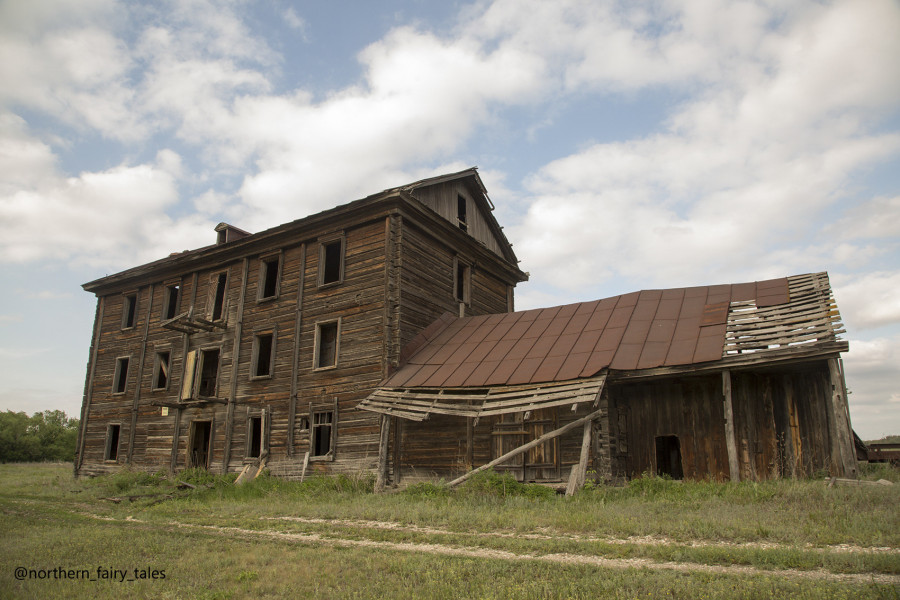
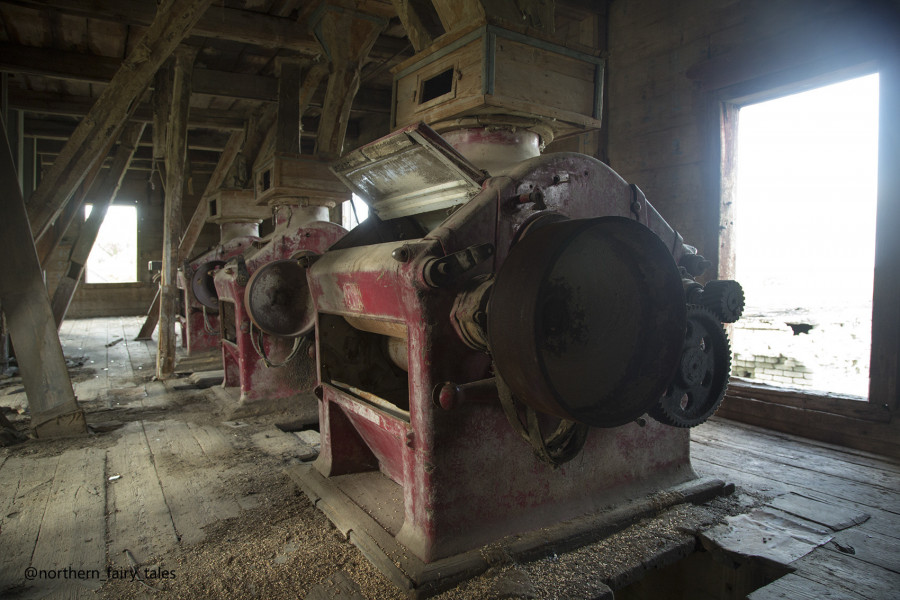
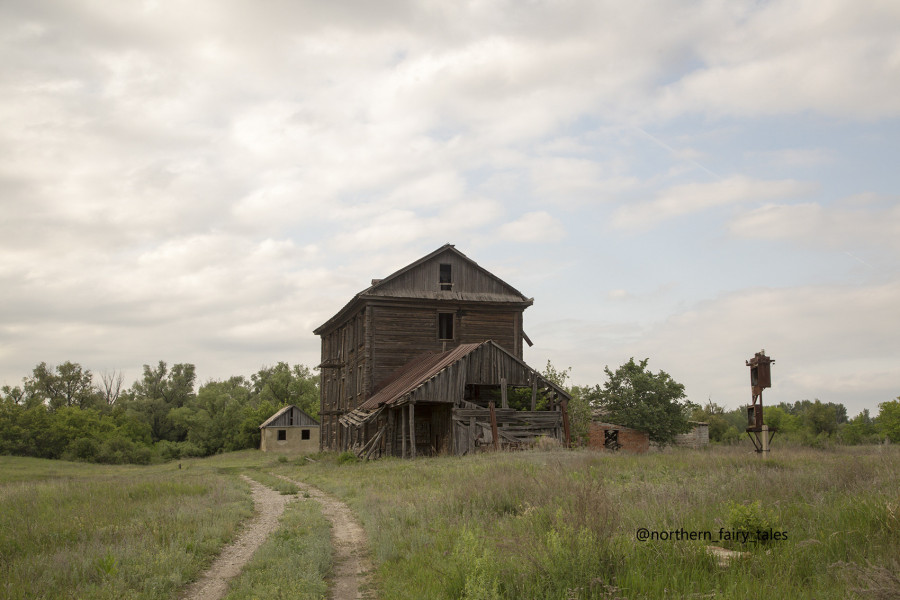
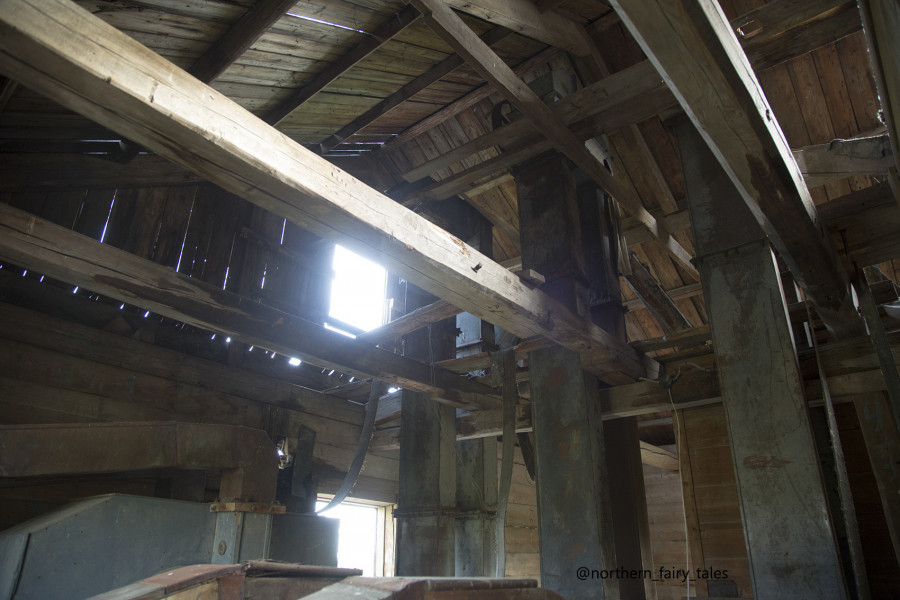
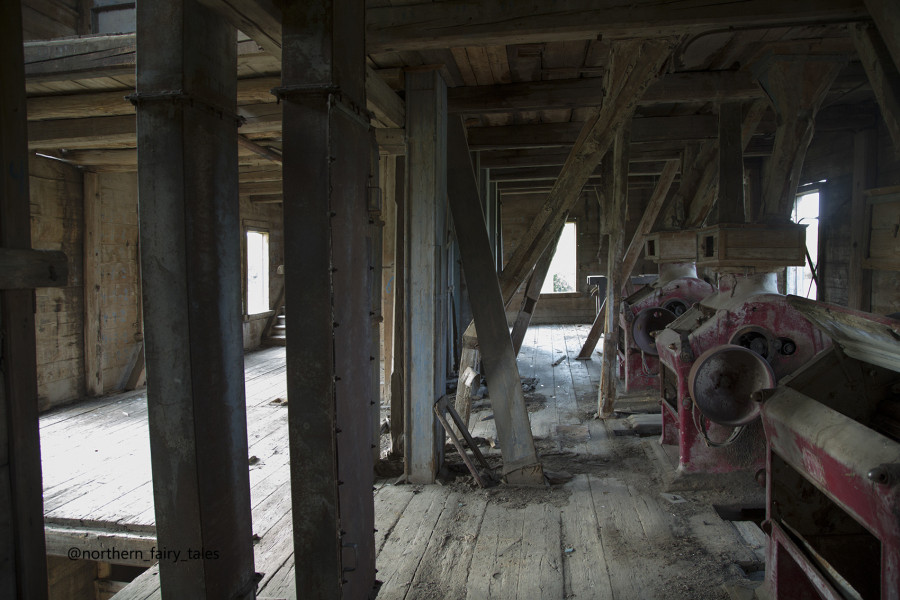
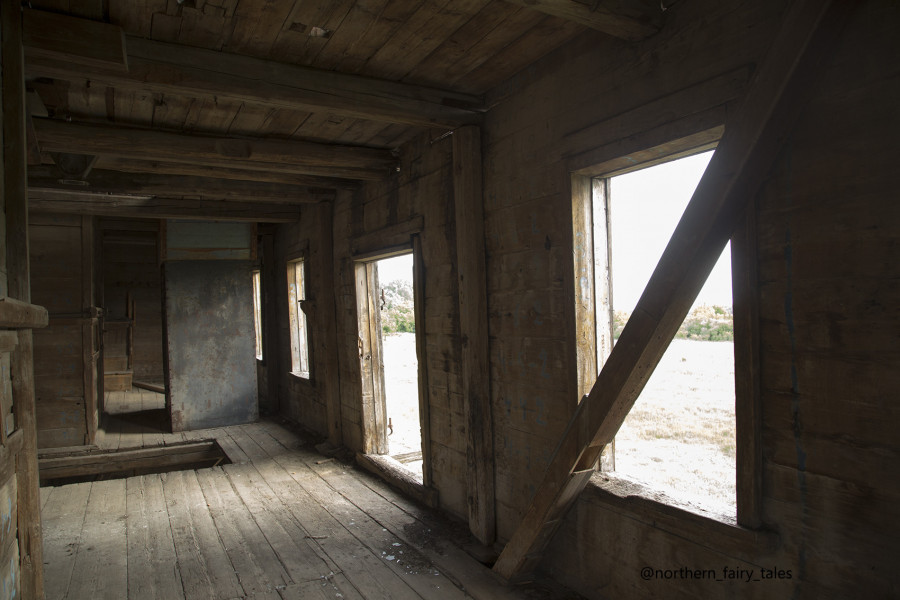
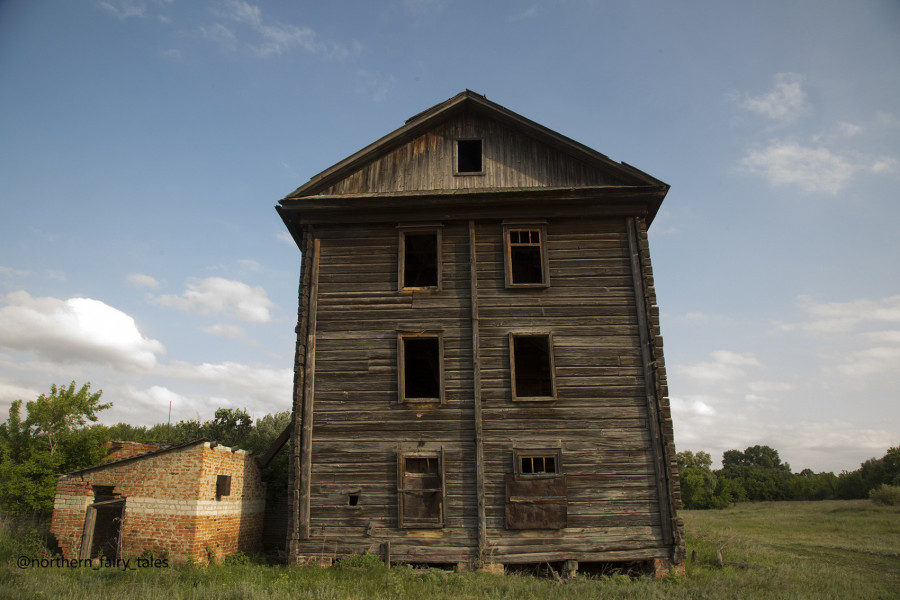
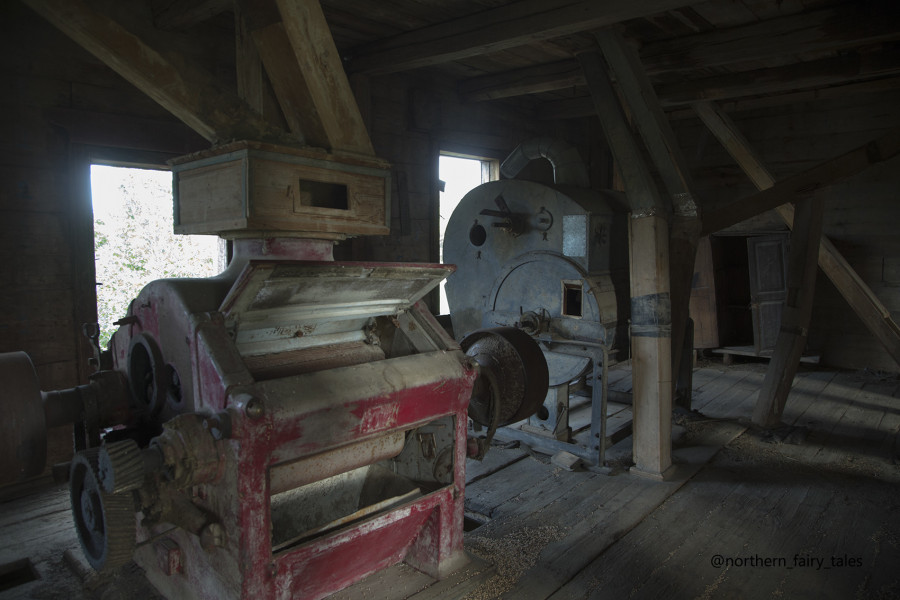
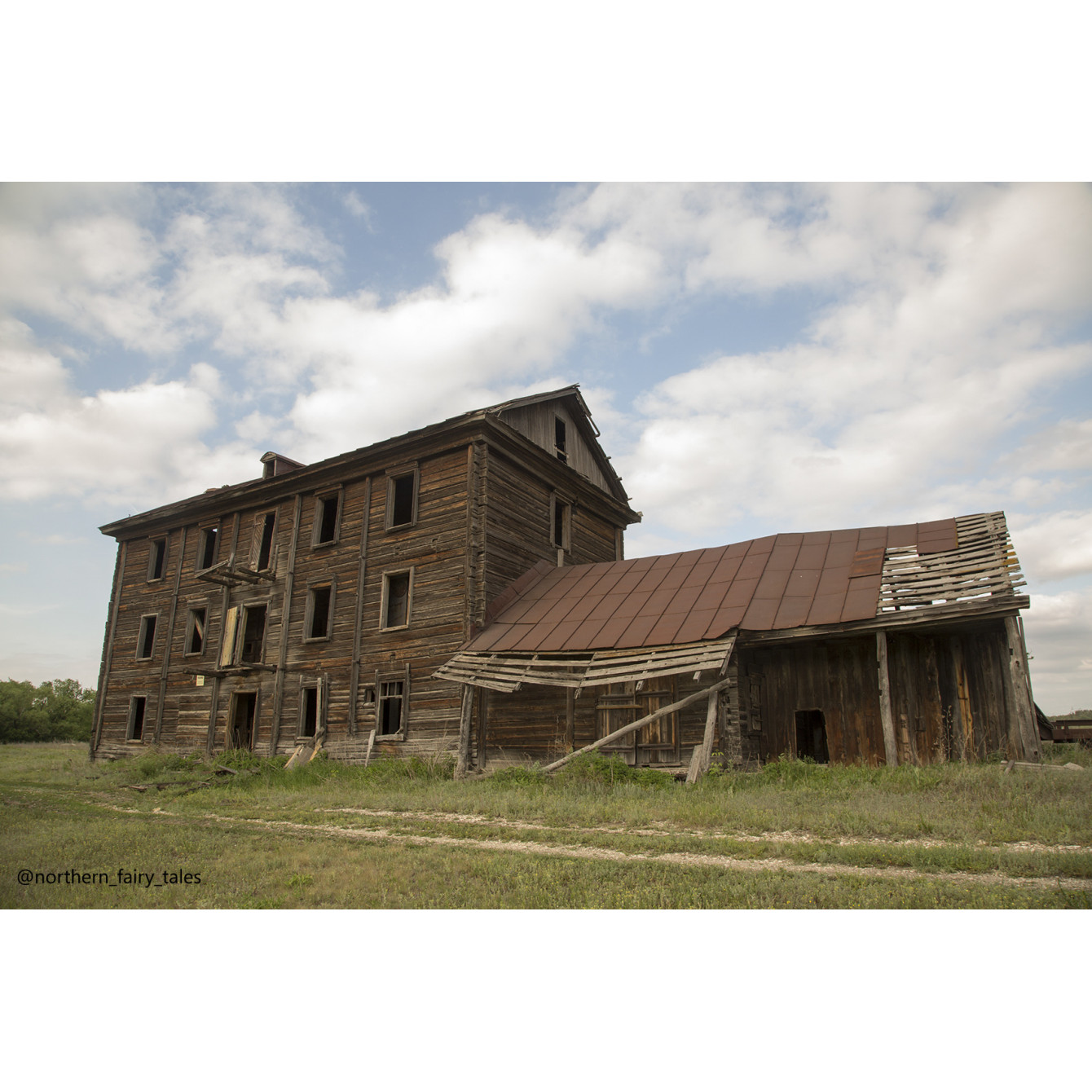
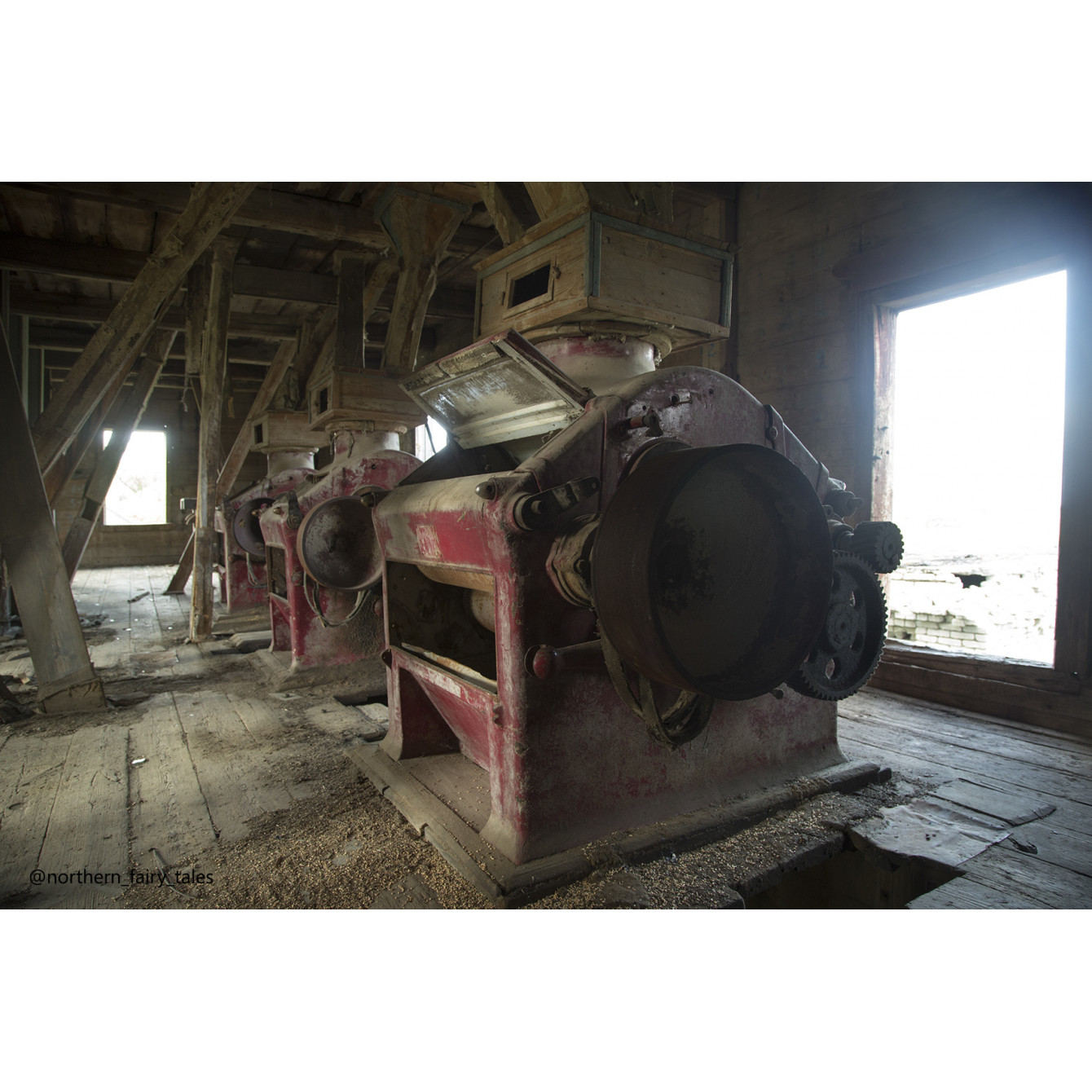
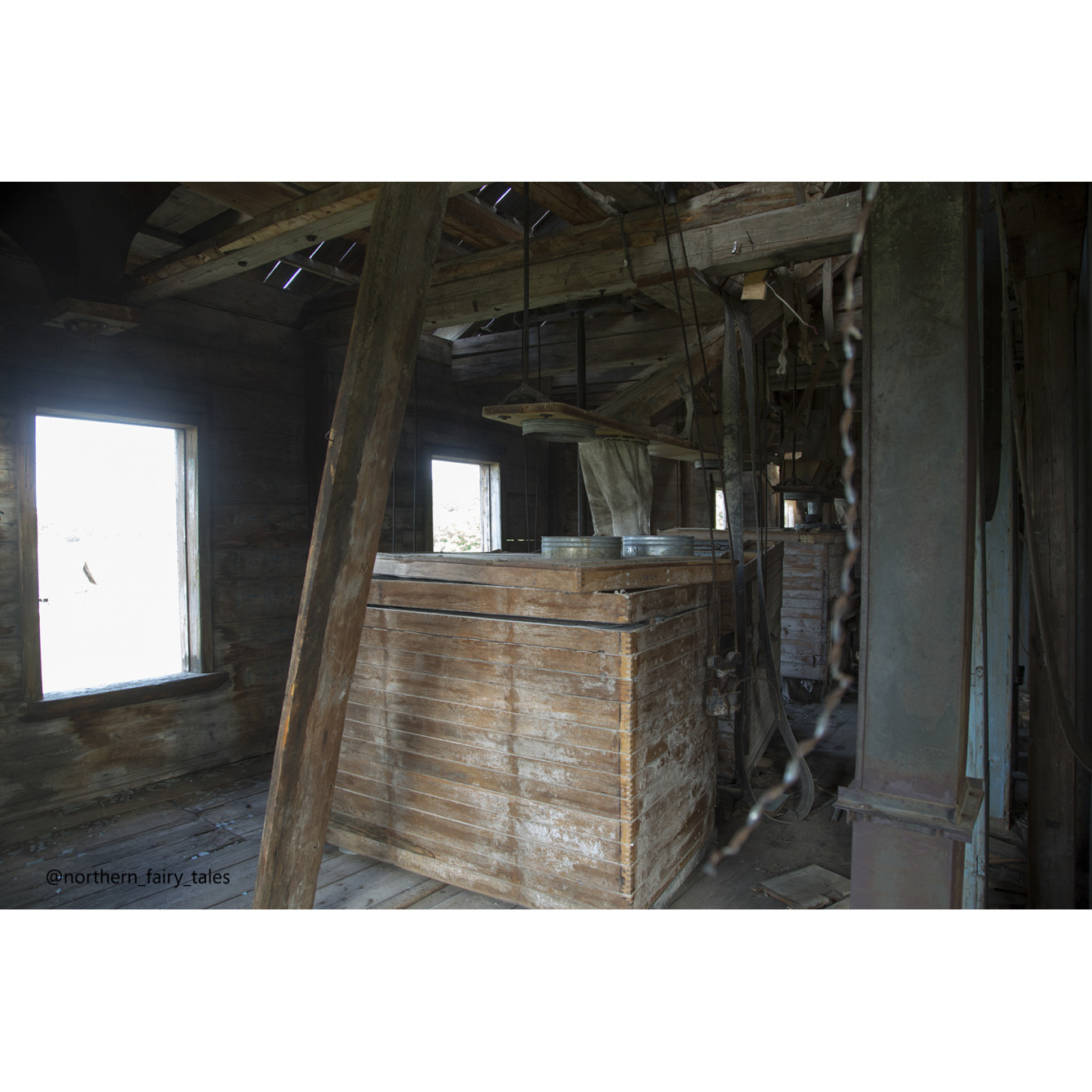
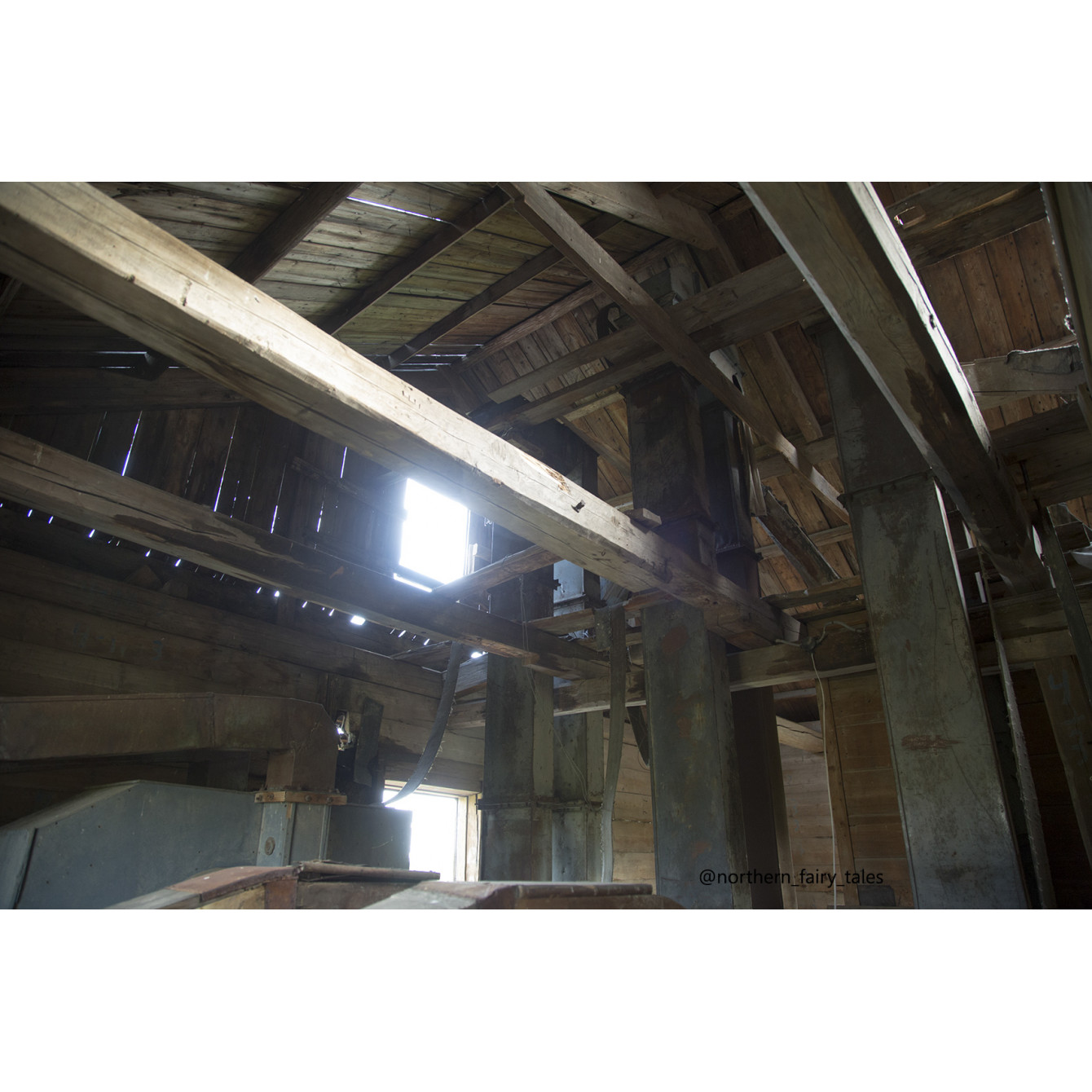
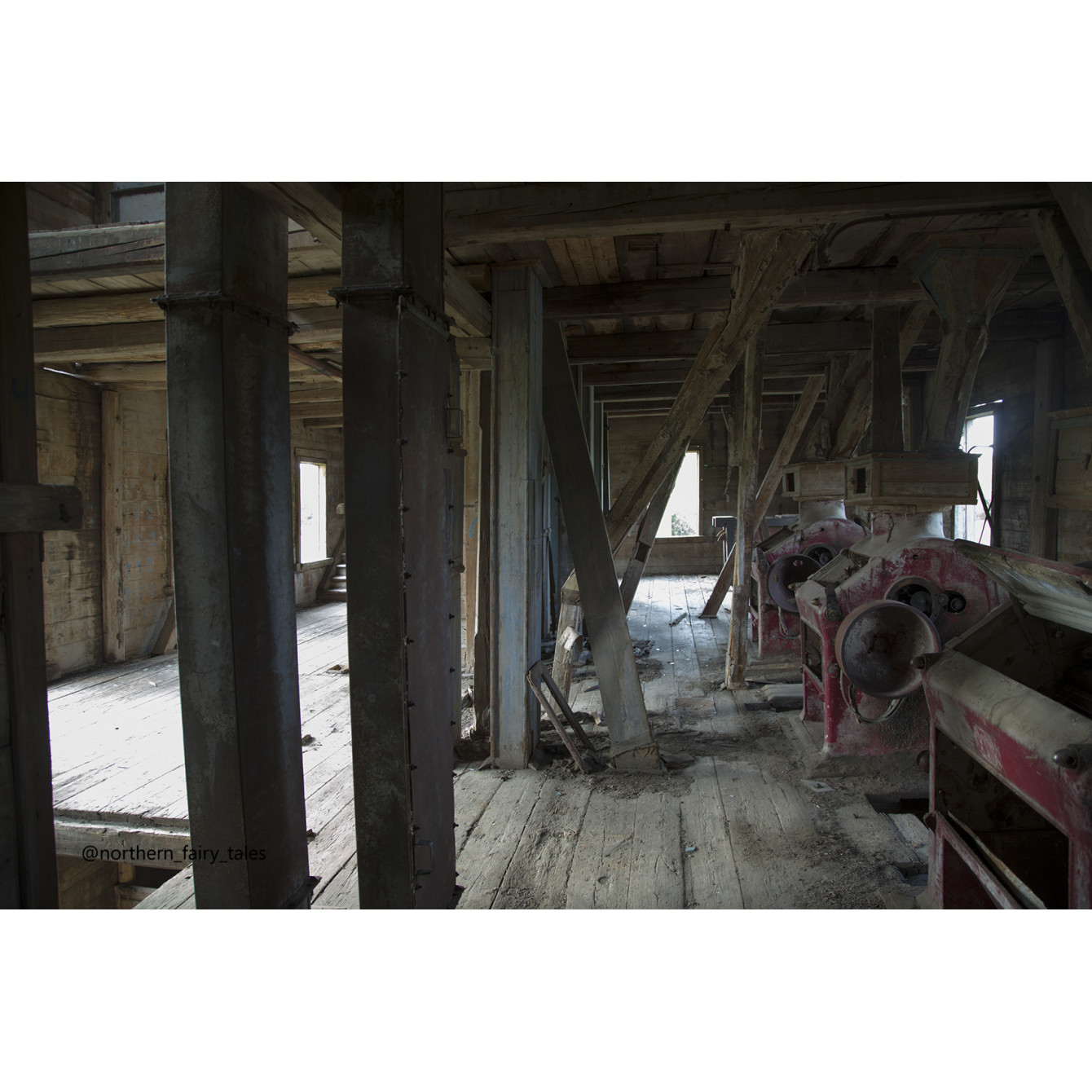
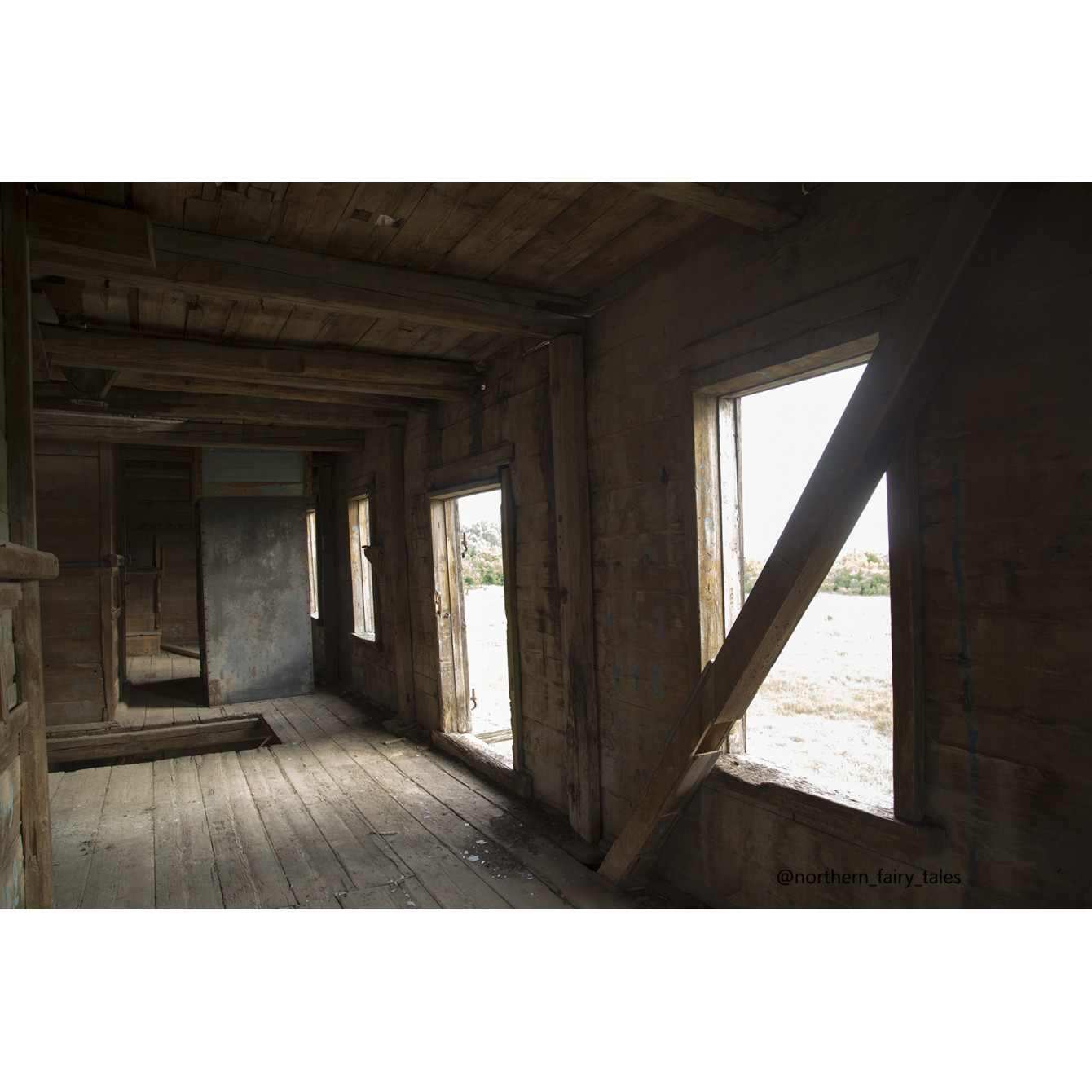
The photographs show a 19th-century abandoned mill in the village of Medyanikovo, which we visited.
