During the very first cast of the seine net each year, the artel fishermen would take off their caps and bow low to the lake, while the headman dropped a silver rouble into the kneyá (the net’s pocket) as an offering to the water spirit. As he did so, the fisherman would ask:
“Water Grandfather, Water Mother, accept our gift and grant us fish.”
At the end of the 19th century water spirits were imagined as beings resembling dark-faced old men, but with goose wings instead of arms and goose feet instead of legs. V. P. Kuznetsova, a researcher of Vodlozero bylichki (memorates), concluded that the water spirits (the “overnichki”), in Vodlozero belief, could take on any form—甚至 that of an inanimate object, such as a tabletop or a cut log drifting behind a boat on the water. In our own recordings, the main sign of the water spirit in contemporary Vodlozero imagination is its extraordinary hairiness.
Almost any encounter with a water spirit, according to Vodlozero beliefs, foretells death for someone, or the loss of domestic livestock. If water spirits appeared to people too often, Vodlozero inhabitants took this as a harbinger of a great war.
Water spirits were not protected from being caught in a net. This is mentioned, in particular, in the bylichki of residents of Kalakunda and Pilmasozero. The water spirit pulled from Pilmasozero was said to be very young and called himself Mitka.
In our time, Vodlozero residents insist, water spirits can be seen only very rarely. They are said to be unable to endure the noise made in the water by boat engines and to withdraw to places where people do not travel by motor.
From K. K. Loginov, The Ethnolocal Group of Russians of the Vodlozerye.
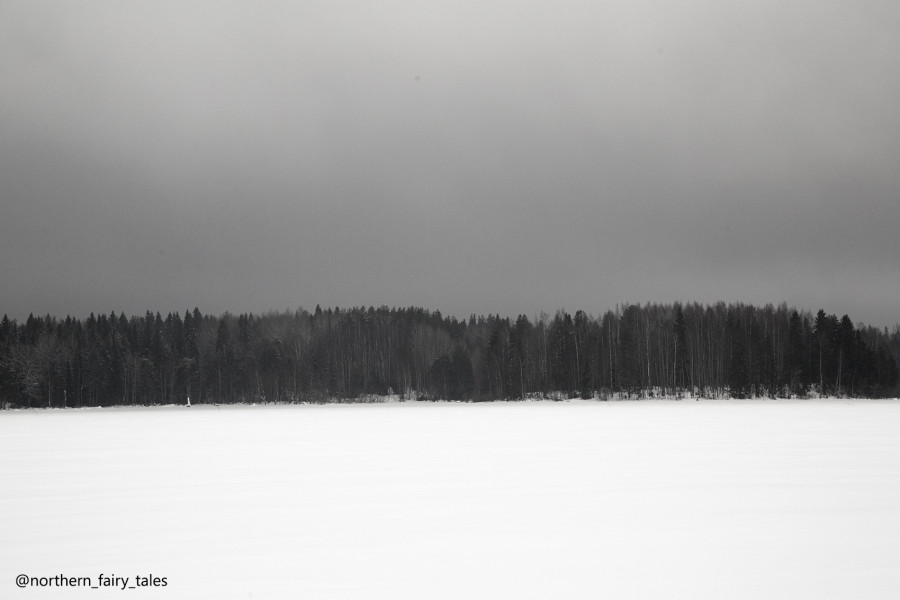
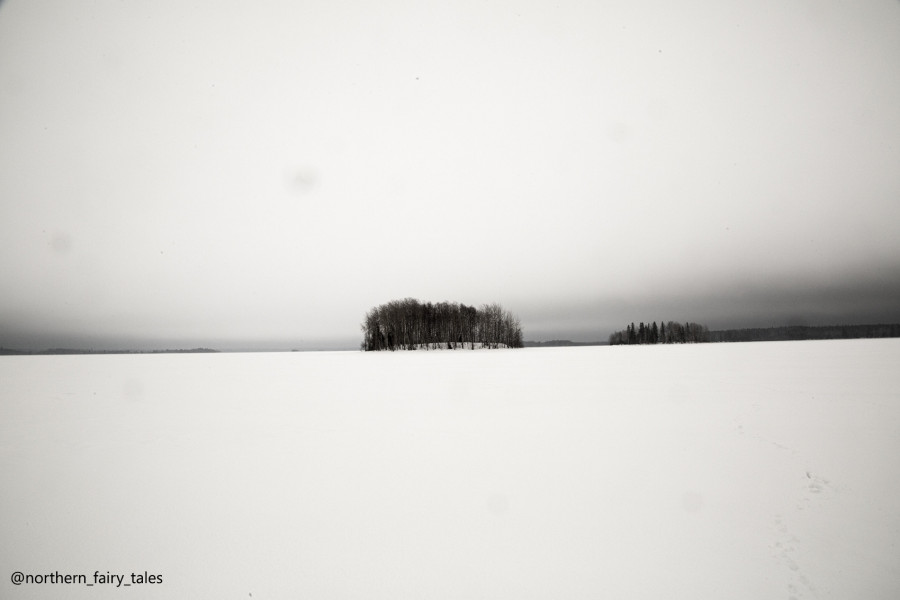
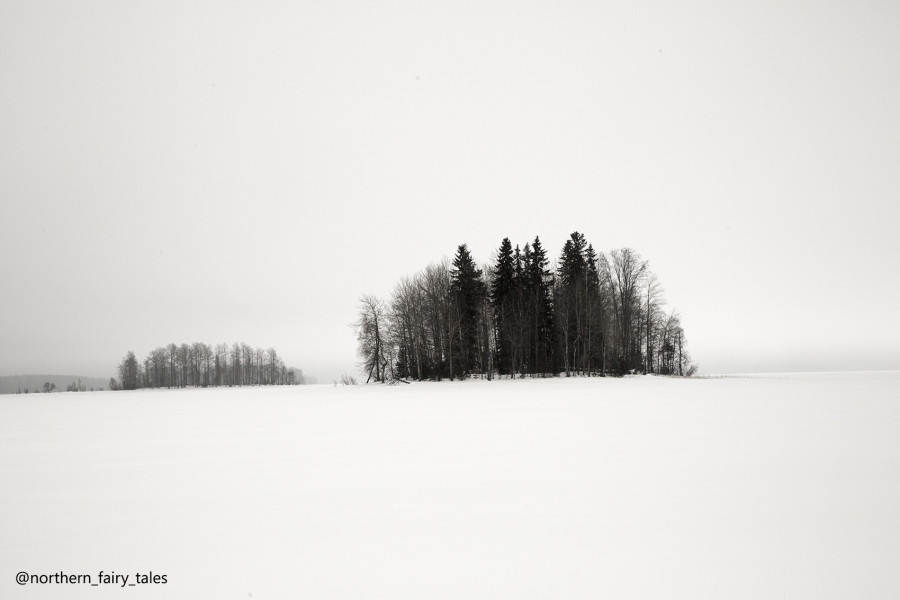
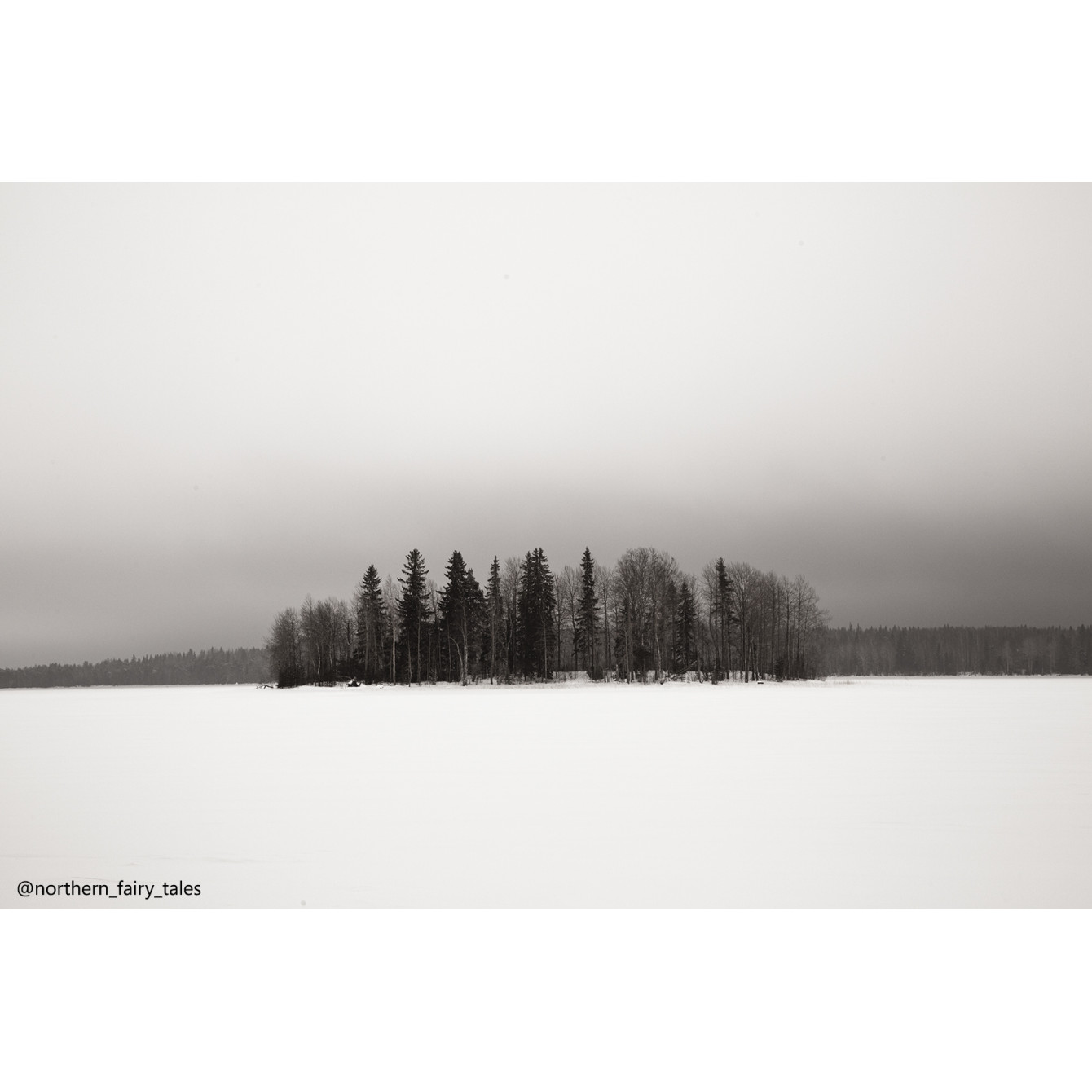
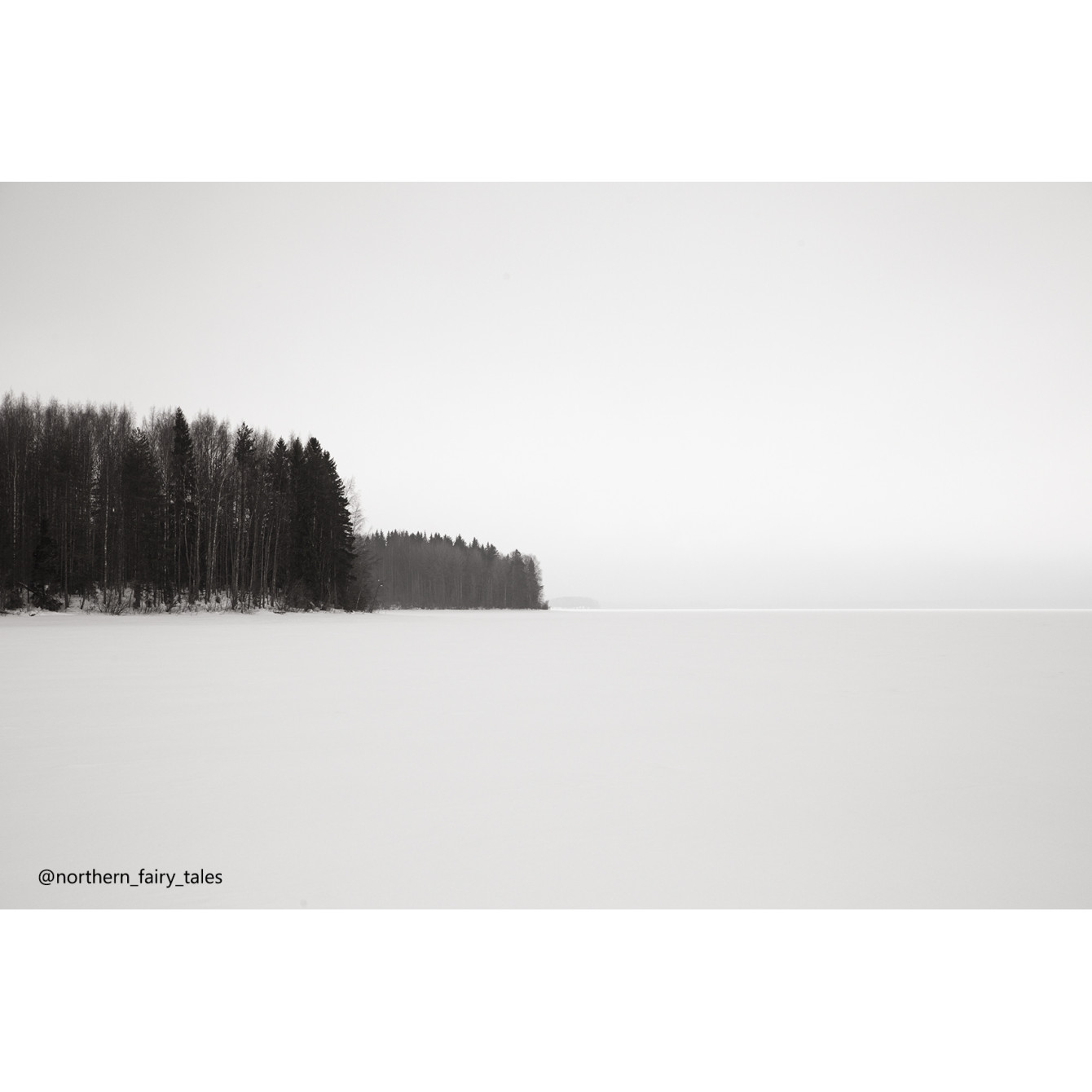
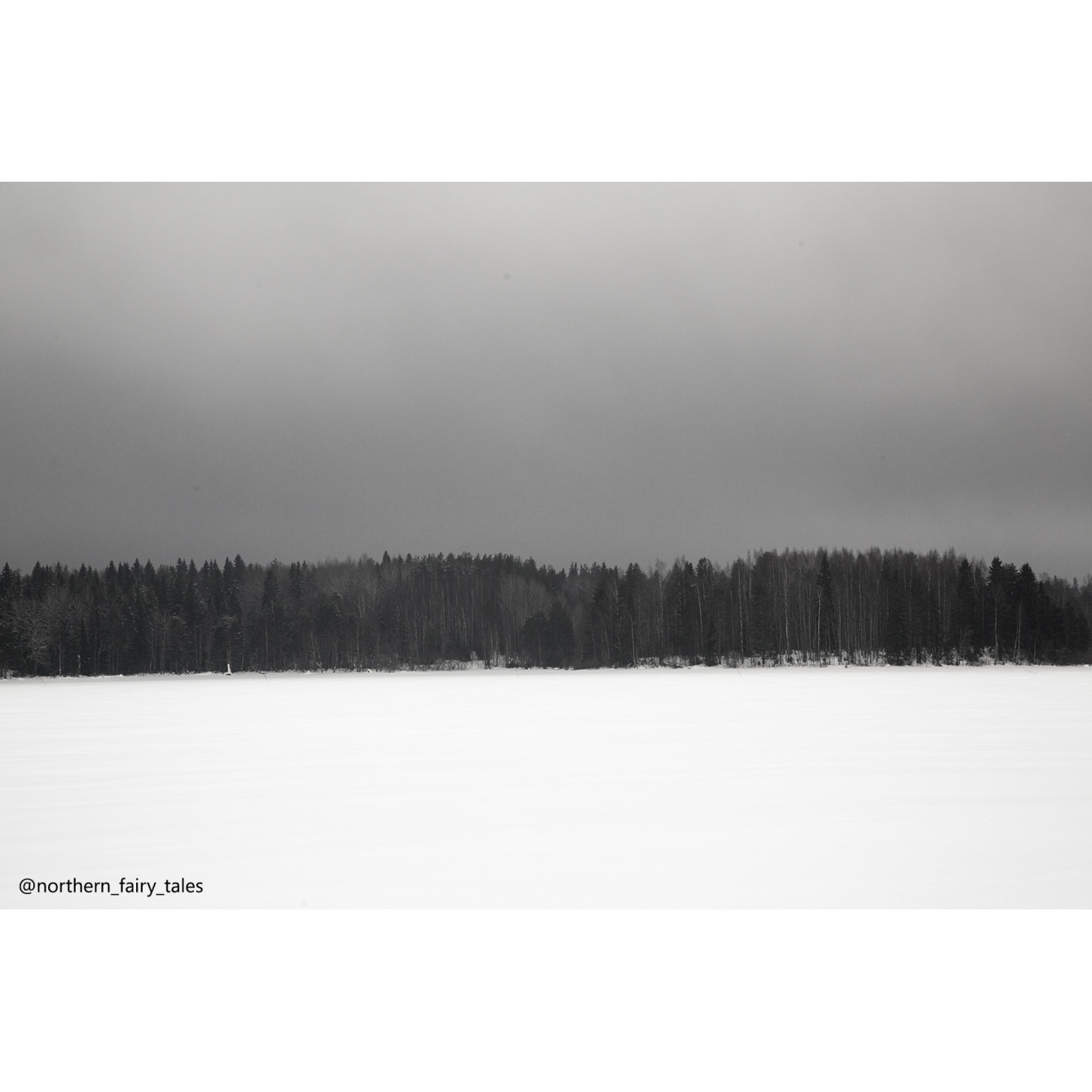
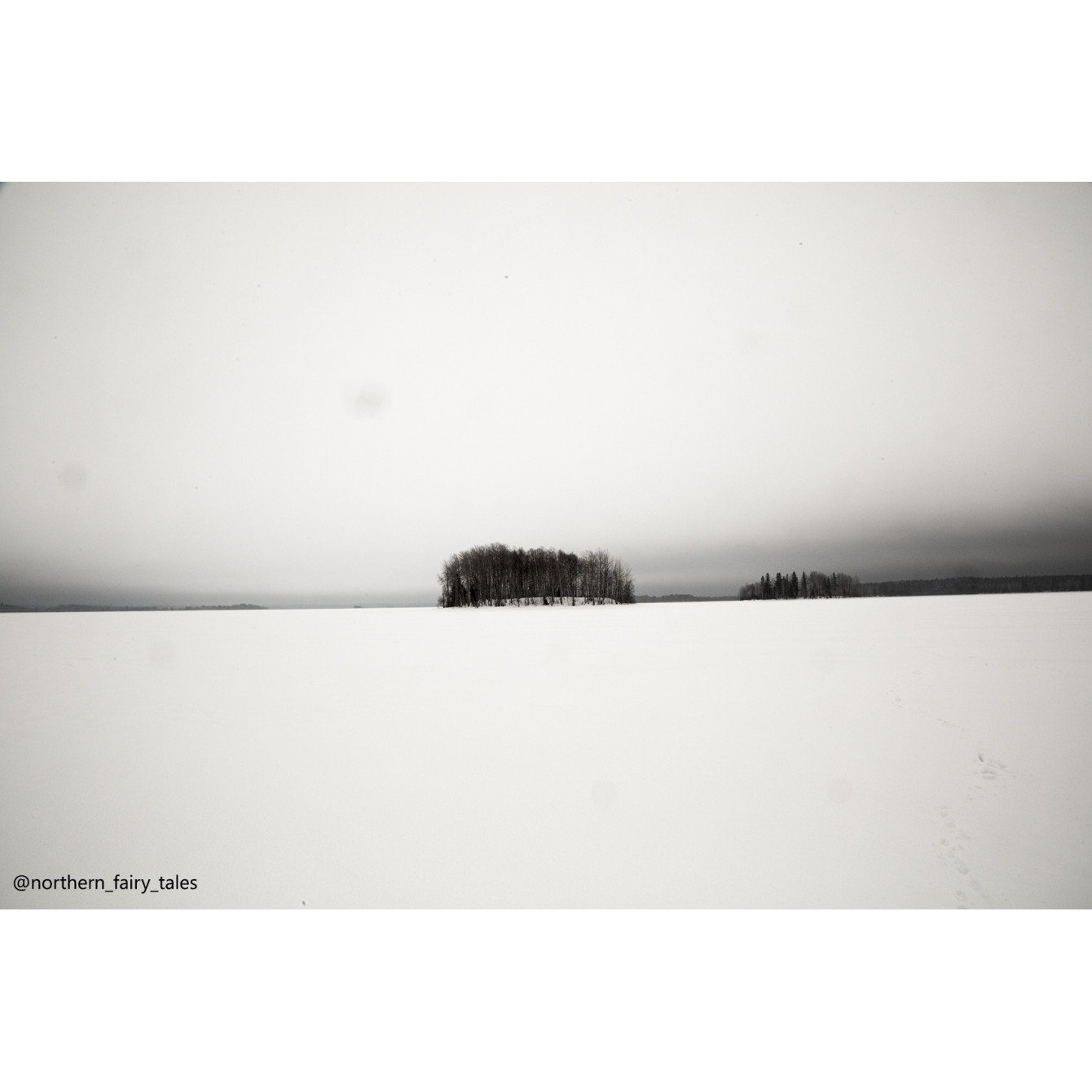
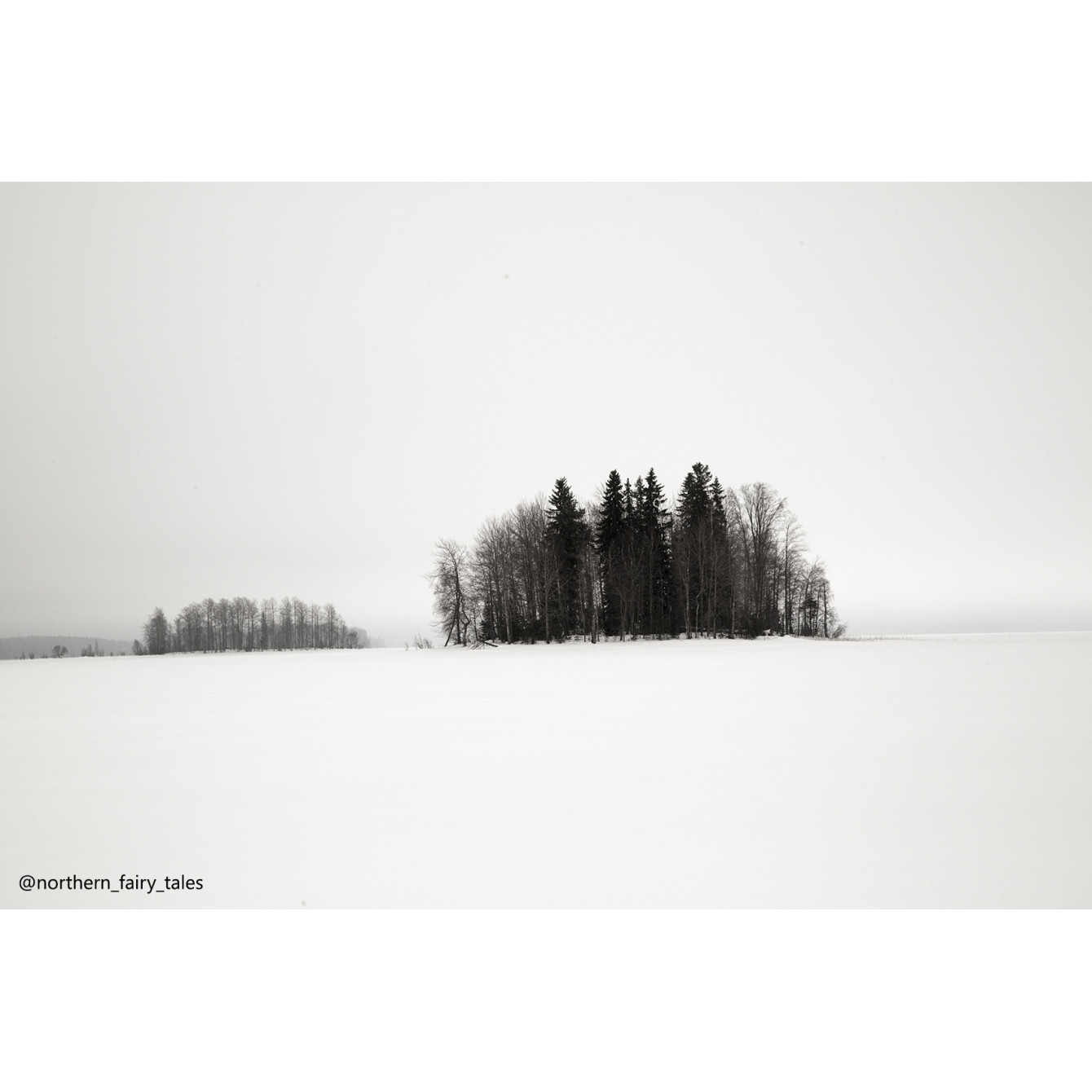
The photographs show Lake Vodlozero bound in ice. March. The water spirits are still asleep.
Comments
There are no comments for this article yet. Be the first to comment!