On July 7, 1647, the blacksmith Evstafii Trofimov, preparing to build a new smithy in the courtyard of the Arkhangelsk voevoda, Prince Buinosov-Rostovsky, began digging a pit for the foundation of a forge hearth. After going down to the depth of an elbow, he unexpectedly struck a wooden coffin lid.
“And he dug around the end of that coffin a little and stopped digging, and spoke rudely: ‘Get up, help me dig!’ And he slipped his hand a little under the plank into the coffin, because his hand would not go farther, and he felt nothing inside the coffin. And then he lowered a stool into the pit and spoke just as rudely: ‘Help me dig.’ And saying those words, he went away from that place to the kitchen. And he, Ostashko, began to lose his wits and grew weak all over. And he came out of the kitchen and went into the storeroom. And in the storeroom he began to shake with illness almost to death, and his hands failed him.”
The incident was reported to the prince, who ordered the sick man brought back to the unknown grave, where he commanded the blacksmith “to sing a memorial service over the coffin. And after the memorial service his illness grew lighter, and he began to make the sign of the cross himself. And after that he, Ostashko, became well.”
There can be no doubt that such events told the locals only one thing: some new, entirely unknown saint had appeared. And already two days later the coffin with the relics was moved and buried near the local church, and a wooden log structure was set up over the sacred grave—beside which miraculous events began at once.
First, the prince himself was healed: he had been struck by a most severe headache, as punishment for his slowness in questioning the blacksmith about the Event and in taking the first steps to organize the cult. The voevoda’s wife, Paraskeviia, was also chastised for irreverence. She heard how “someone unknown spoke about that deceased man…: ‘A man lies here, no one knows who, but he is righteous.’” Crossing herself but seeing no one, the noblewoman “thought it was an evil force” and spat toward the place where the voices were heard. Soon after this rash act, “melancholy came upon Paraskeviia, and her head began to tremble.” But a memorial service in honor of the dead man returned her to her usual state.
From these events—and for a full two years after them—the name of the venerable one remained unknown.
During that time, the unknown intercessor healed more than a dozen residents of Arkhangelsk: townspeople, clergy, and servicemen. To regain health, one had, of course, to perform an act of veneration at the nameless grave. Thus, for example, on November 11, 1648, an unknown man in monastic clothing, his face hidden under a klobuk, appeared to the streltsy man Mikhail Khimial and promised to free him from a chest ailment if he would come to Arkhangelsk and, with faith, venerate the tomb. The streltsy man did so—and the saint fulfilled his part of the bargain, healing him of the illness.
In 1650 the deceased began to give his name, but became entangled in his testimonies. Appearing in a dream to the widow Feodora, he called himself Estifei Nifontov; yet in a vision to the novice of the Arkhangelsk Monastery, Kozma Ignat’ev, he declared: “My name is Euthymius.” He gave the same name to the ailing Kseniia from the Emetsk pogost, and it was precisely this name that became fixed for the unknown one from the 1650s onward. Unlike other such figures who come to the living in the form of boys or youths, young men, Euthymius looked like an elderly man, an elder: “a man clothed in light, hair black, a large beard with gray in it, old, in a purple robe.”
In 1650, the saint’s relics were moved inside the church, where unusual phenomena continued: several times the храм filled with sweet-smelling благодатный smoke from the tomb, and warmth also spread. In these years he was canonized by the future Patriarch Nikon, then Metropolitan of Novgorod; at the same time an icon of the saint was painted. But already in 1683, Archbishop Athanasius of Kholmogory abolished the veneration of Venerable Euthymius. In Orthodox circles, there is a widespread opinion that Euthymius became a victim of the struggle against the Old Believers, since the fingers of the relics’ right hand were allegedly folded in the two-finger sign. But most likely one may agree with the researcher A. Panchenko, who believes that the true reason the deceased was deprived of his high status was Archbishop Athanasius’s skepticism “toward local cults of ‘saints without vitae’” (that is, an archaic cult of the dead about whom no one knew anything, but who worked miracles after death, demanding veneration for themselves—our note), and that he “strove, as far as he could, to follow the council decree on ‘unexamined bodies,’” especially since the unknown one was buried not in a village church, but in a монастырский church, a place far more significant for church life.
Indeed, the events were already unfolding in the second half of the 17th century, and the church hierarchy understood perfectly well how poorly such cults corresponded to Christian doctrine. Think for yourself: an absolutely unknown dead man, whose “righteousness” consisted in the ability to appear to the living, extort veneration, and punish the irreverent and the skeptics, did not look especially edifying to the higher clergy. Moreover, the connection of such figures to the Trinity is simply not traceable: visitors from the other world in fact do not appeal to God the Father, Christ, the Holy Spirit, or the Mother of God; usually they act entirely on their own, autonomously. There is no doubt that the roots of such cults lie not in Orthodoxy, but in much older spiritual systems, where holiness is only a potential for the miraculous—capable of being both frightening and beneficial. Under the influence of Christianity, such beliefs were somewhat shaped by church legends, which constructed pious additions about the personality of the unknown dead man. In the “enlightening” 18th century, there was no longer room for such views at the official level, but the unofficial cult of Euthymius of Arkhangelsk continued into the 18th and 19th centuries.
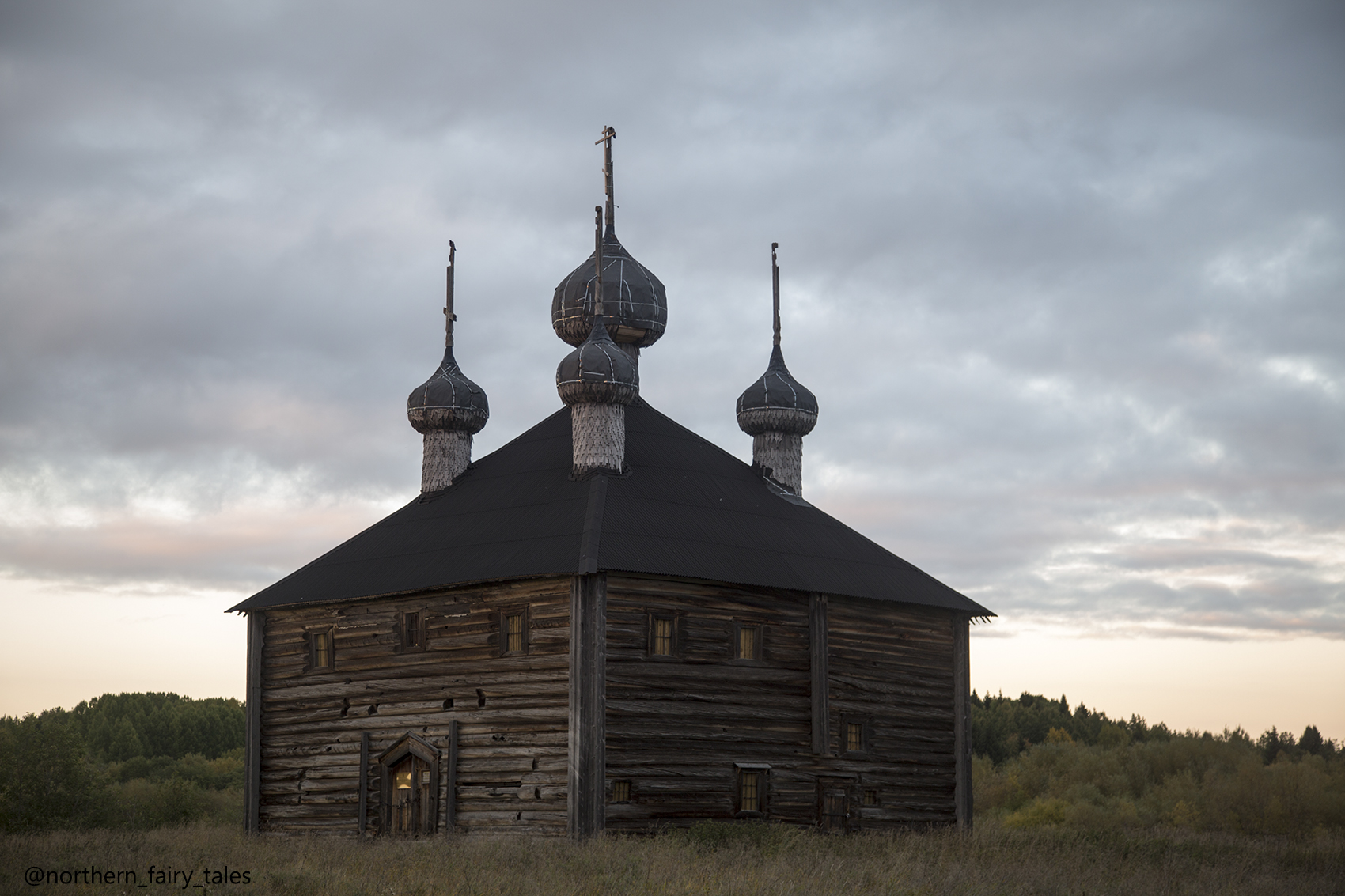
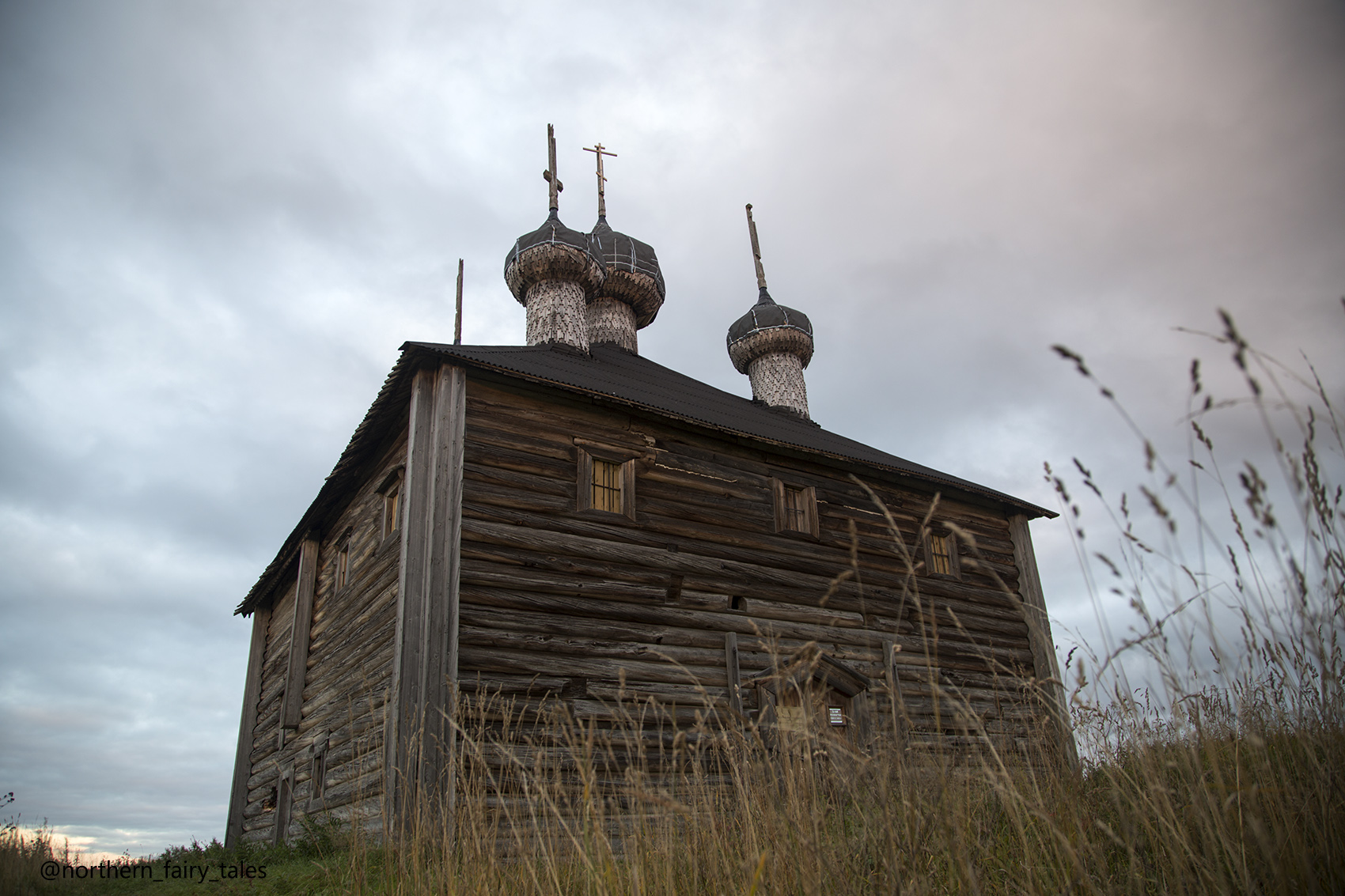
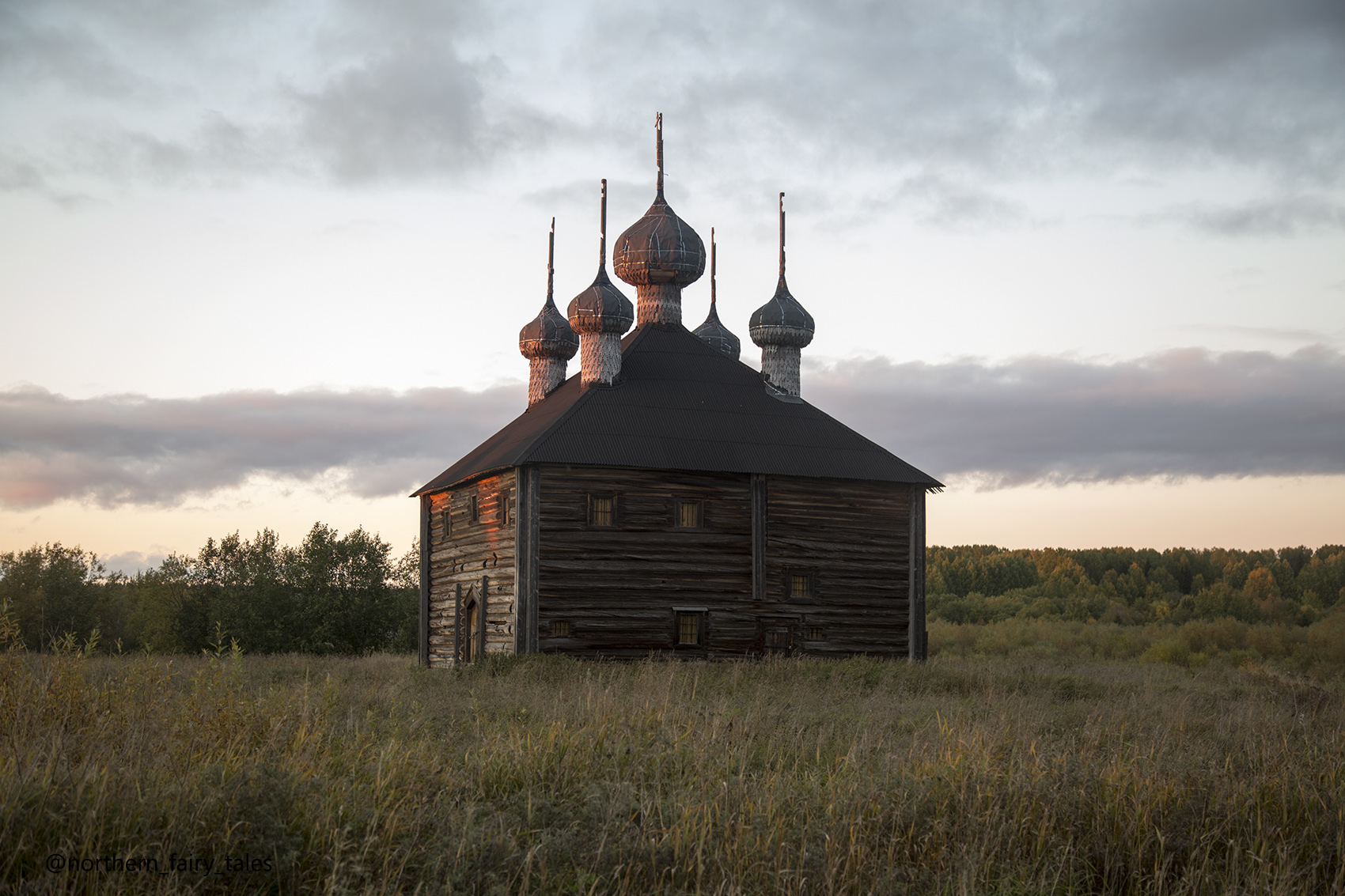
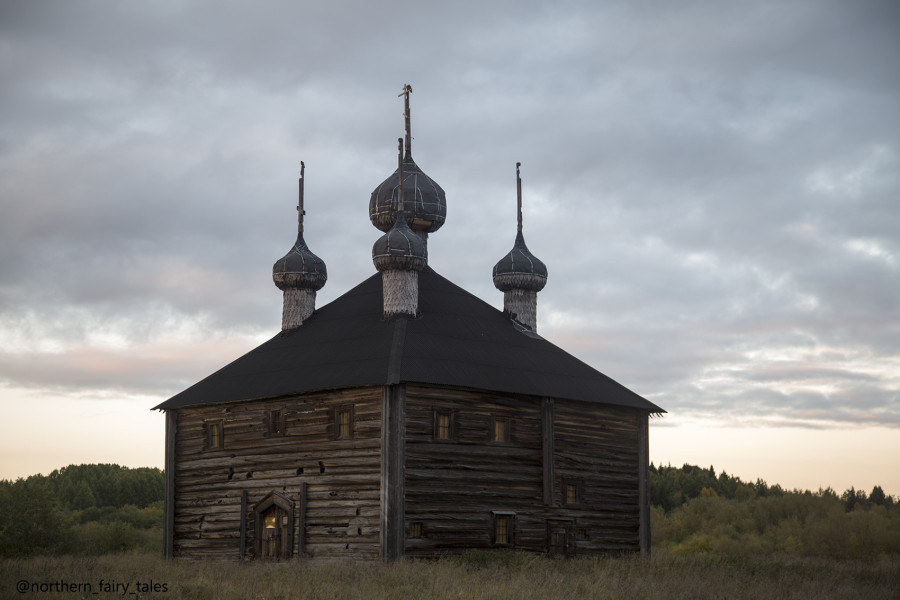
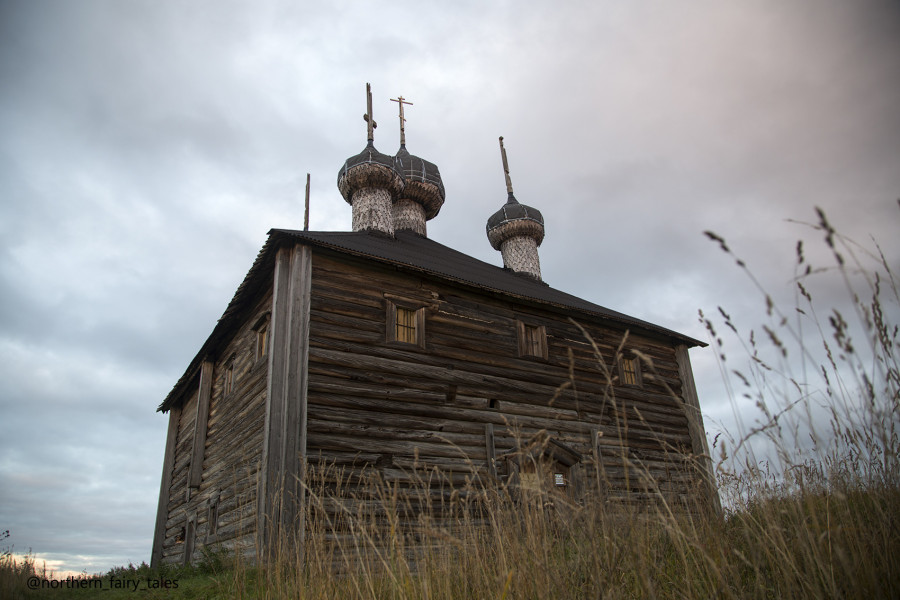
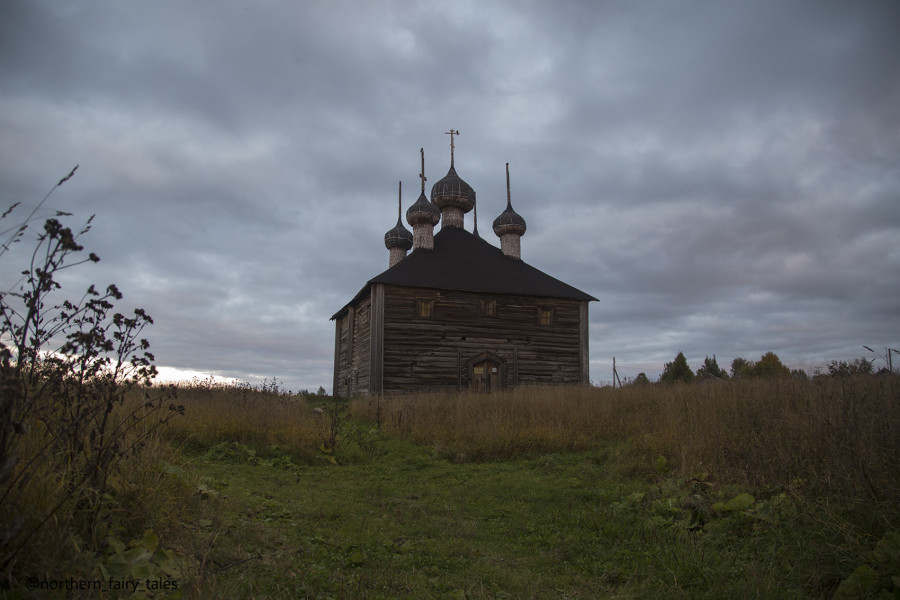
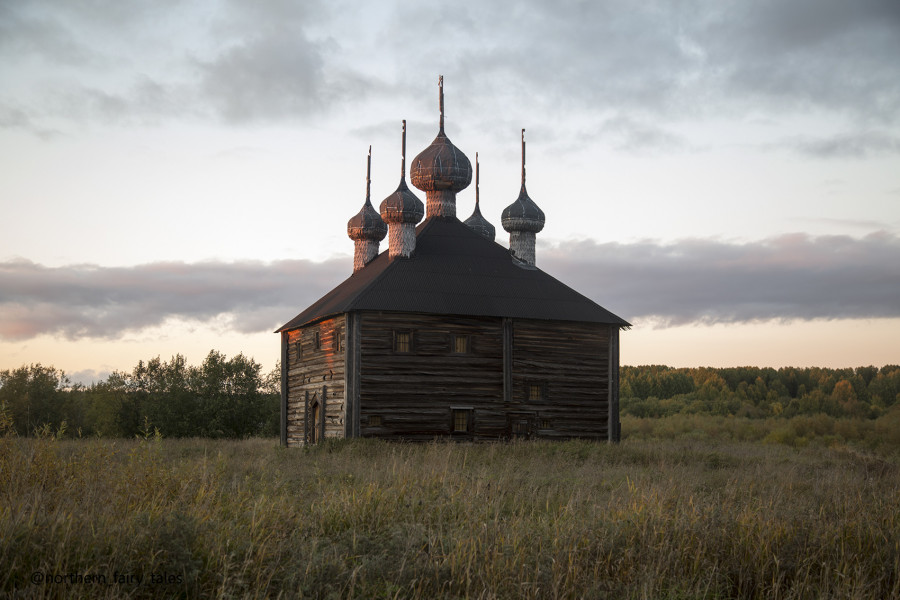
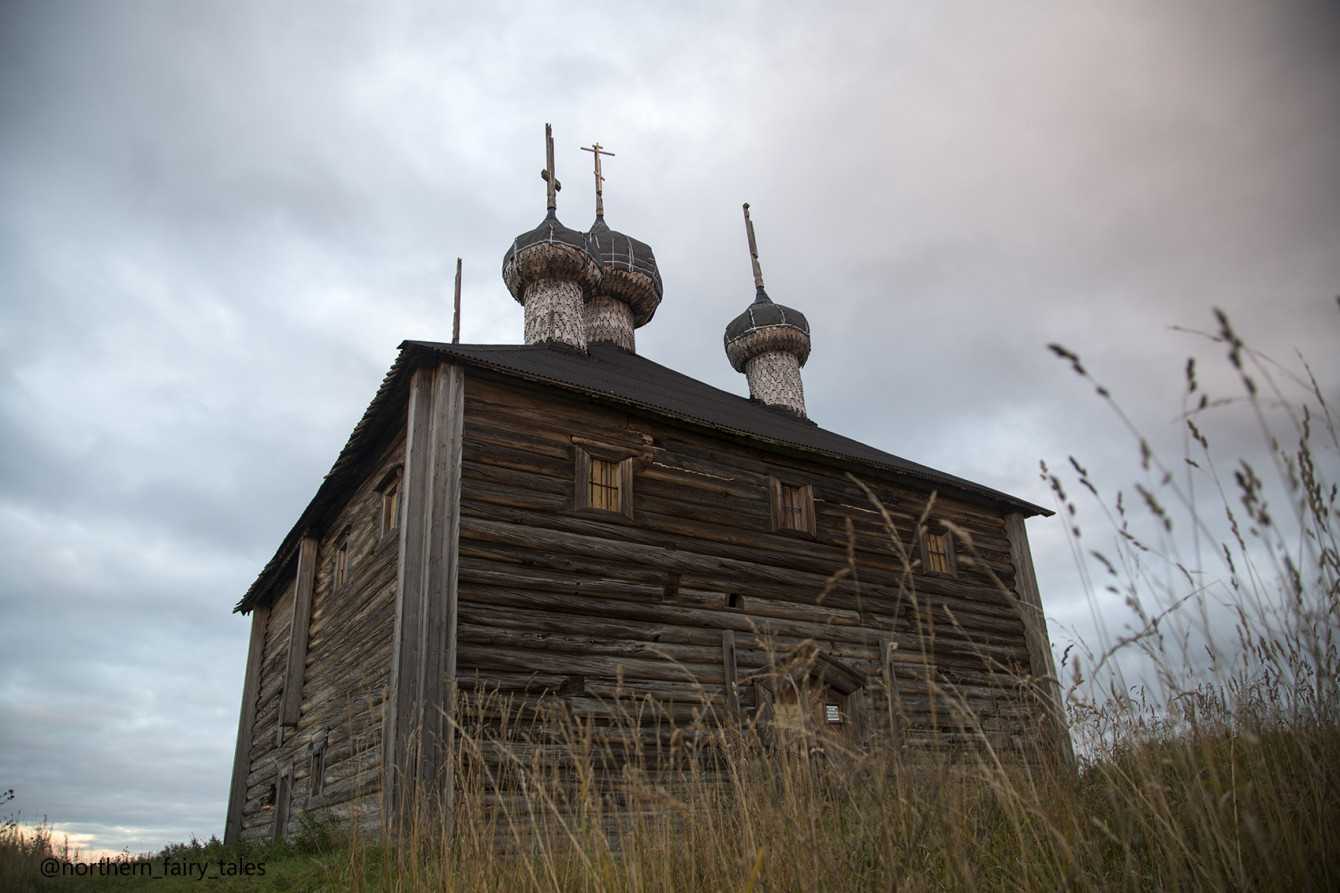
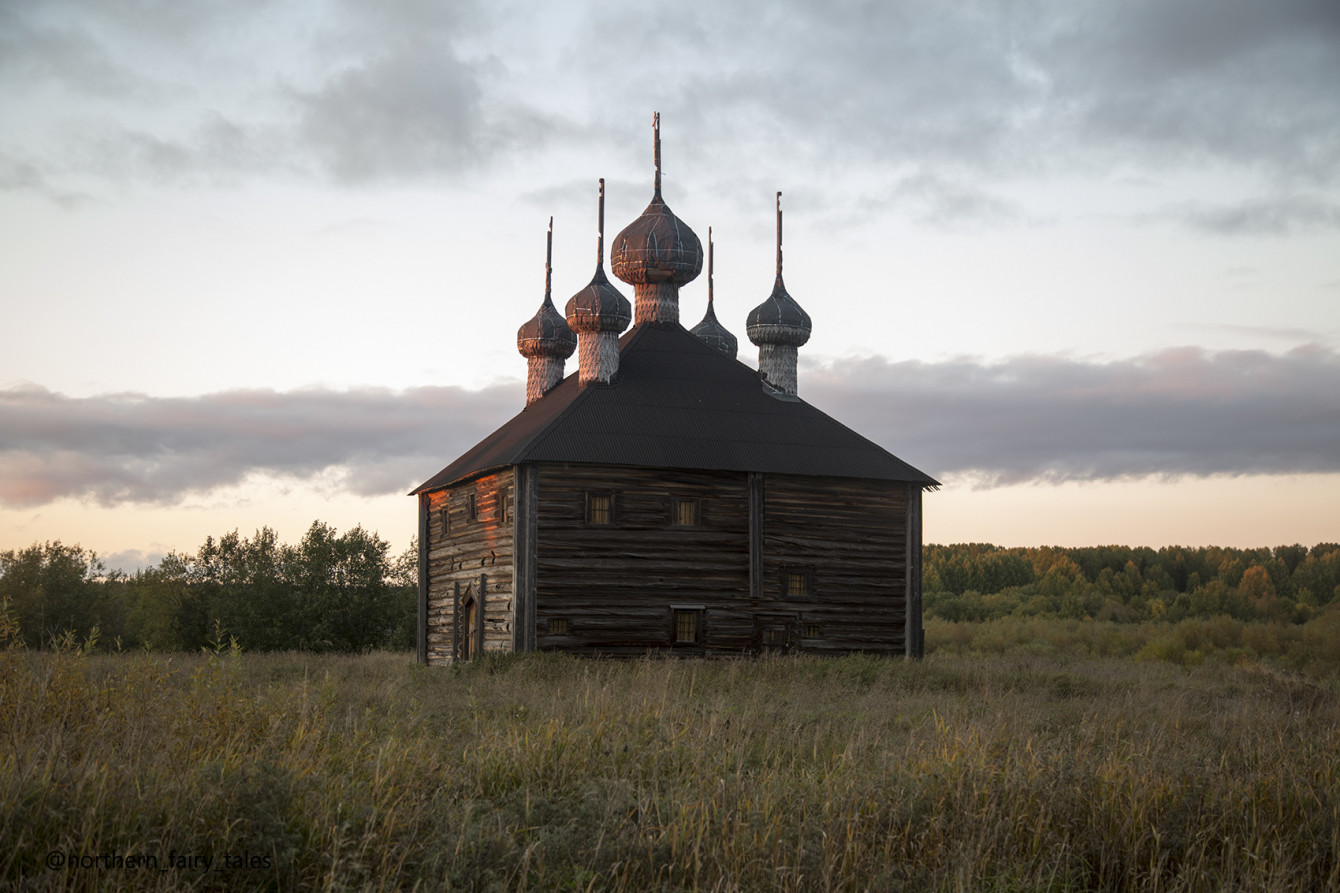
As an illustration, we used our photographs of the unique кубическая, now non-functioning Church of the Transfiguration of the Lord from the village of Izhma, located in the vicinity of Arkhangelsk, not far from the place where Euthymius of Arkhangelsk worked his posthumous miracles.
Comments
There are no comments for this article yet. Be the first to comment!