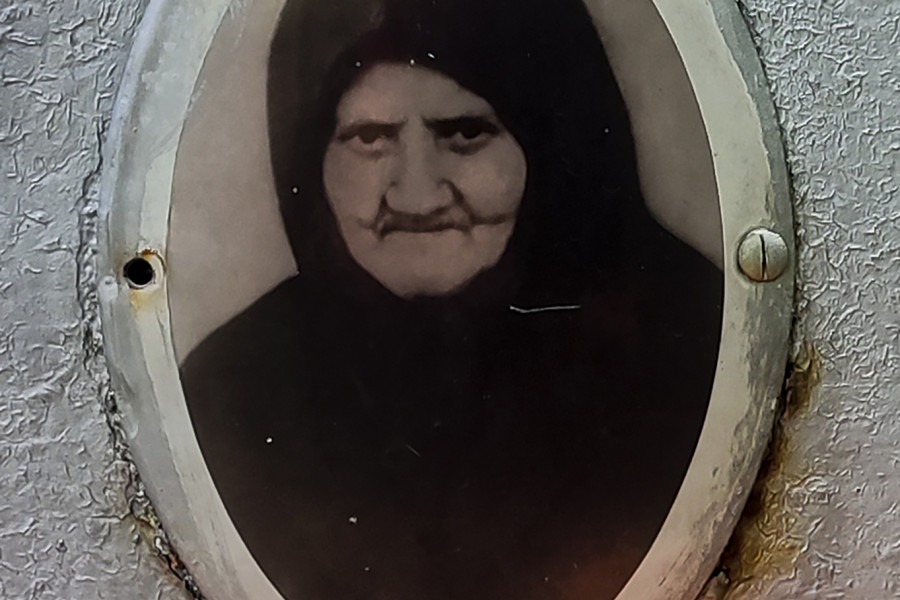
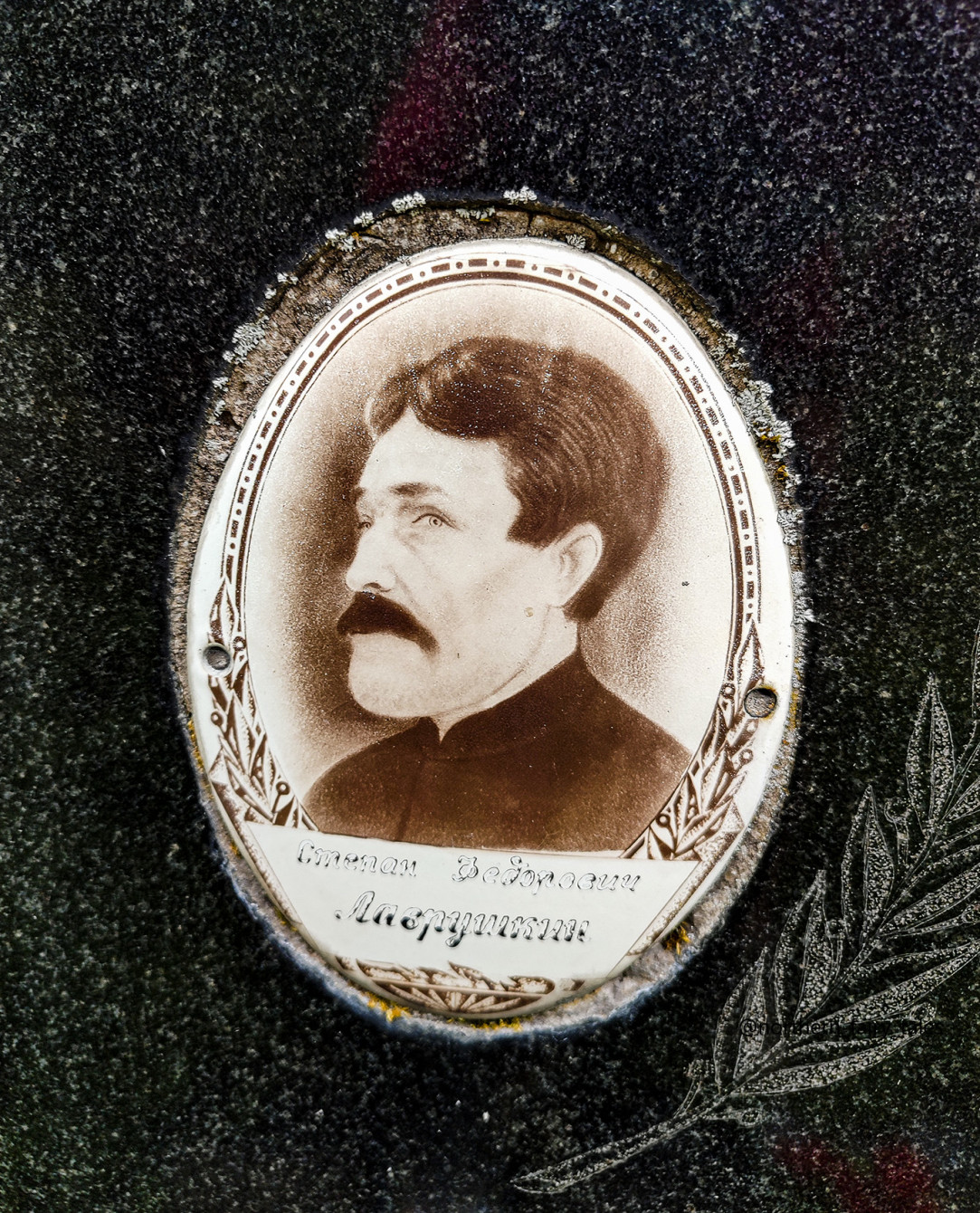
“You mustn’t look at photographs of the dead. Then the ures (a deceased person’s shadow-spirit that wanders the world in Komi beliefs—our note) may appear and take someone to the other side.”
“I’m afraid to look at photos of the dead. Something frightening comes from them—gives you goosebumps, right down the skin.”
“An ort (a person’s mystical double in Komi mythology, which appears along with their birth. The ort exists outside the body. If others begin to see this double, it means the person will soon die. For some time after death, the ort roams the earth—our note) can be anywhere. It hides, or it can show itself. It can, for example, remain in a photograph. A person dies, but their spirit stays with relatives for a while—walking nearby, and they don’t see it. Only when the ort itself wants to appear can it be seen.”
“You mustn’t look at a dead person’s photograph in the evening, or stare at the face for too long. It may draw near.”
“It’s scary to look at photographs of the dead—I’m afraid. And if she was a witch, then even after death she can drag you to the other world.”
“There was an old woman who lived here, a vicious witch—the mother of my neighbor. When she was dying, she couldn’t die for a long time until they took apart the matka beam in the ceiling. They even drove an aspen stake into her grave, but her relatives later pulled it out—then there was a scandal. And photographs of her remained. I didn’t let my own look at them. But she—her daughter—would come out onto the porch and bring out the photos: ‘Look at my mother,’ she’d say. And afterward people would waste away, fall ill, even die—those who stared for a long time. Her daughter is a witch too; the mother passed her witchcraft power on to her. Now they harm people, her whole family is cursed. That old witch, even after death, gives people no peace.”
Folklore stories of Russians and the Komi.
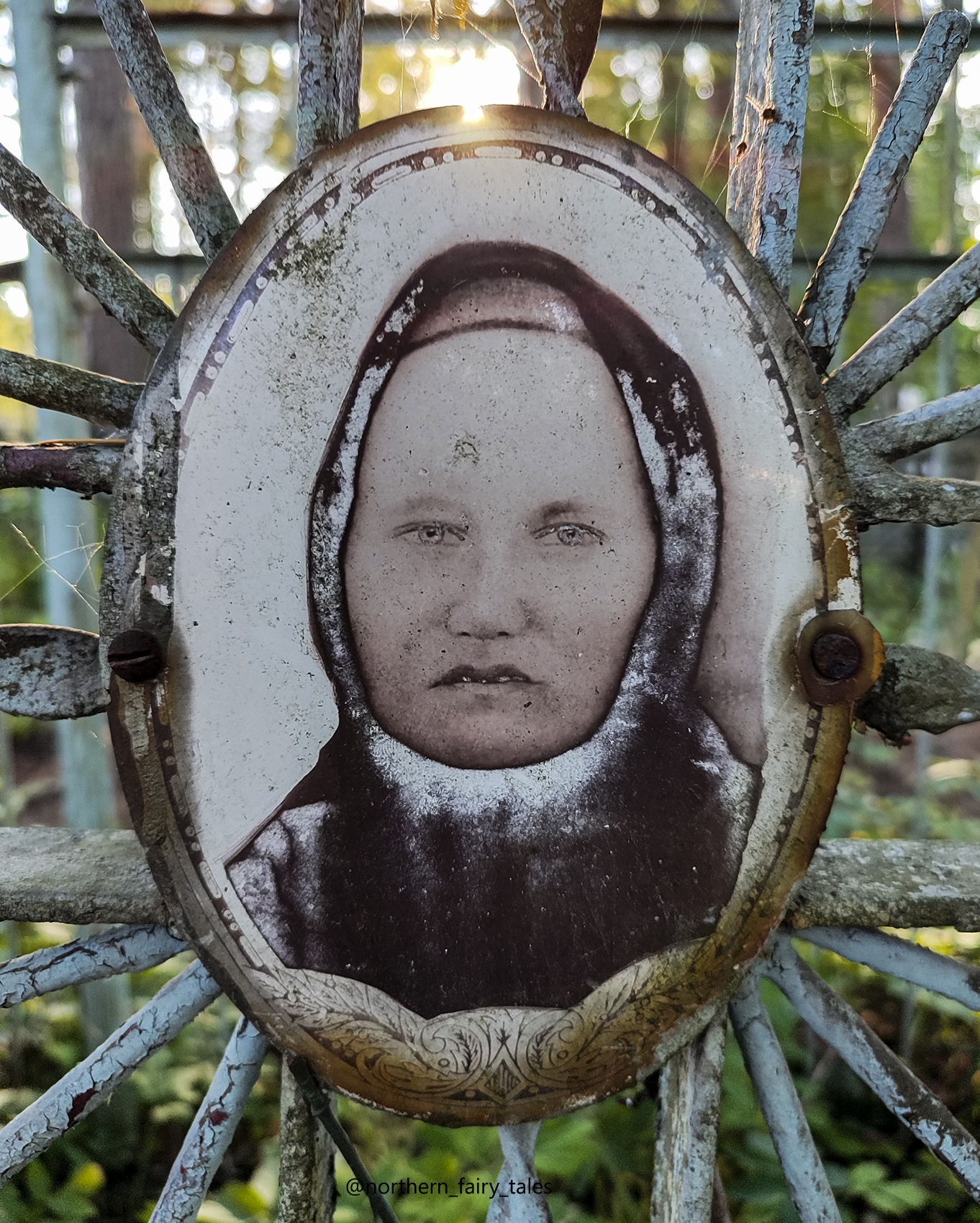
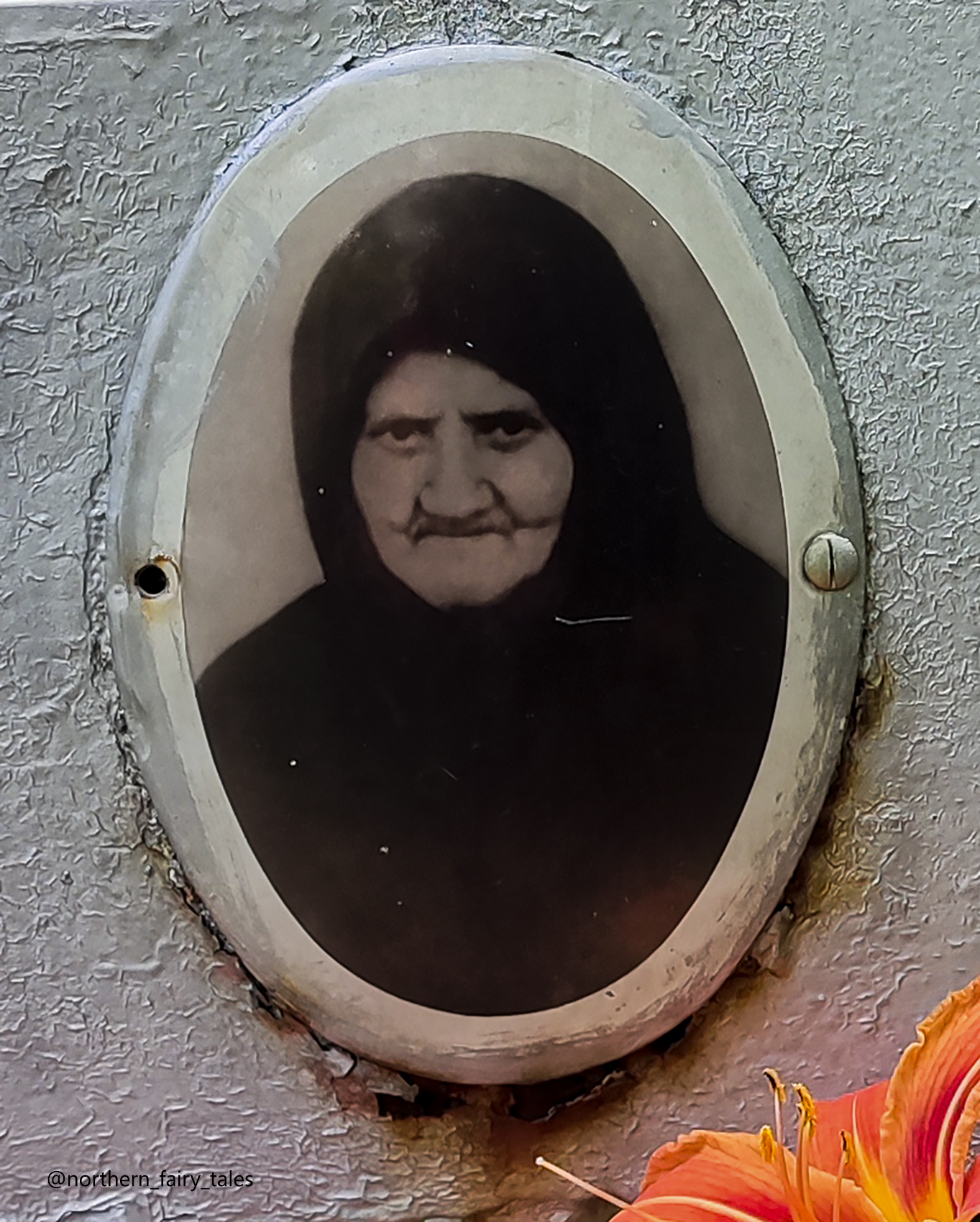
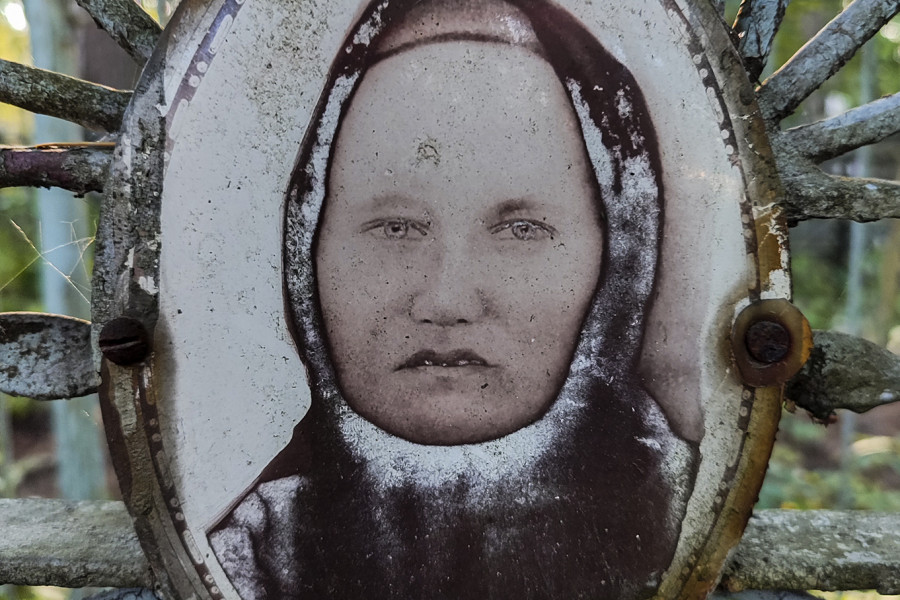
These photographs were taken in cemeteries of villages in the Russian North.
Comments
There are no comments for this article yet. Be the first to comment!