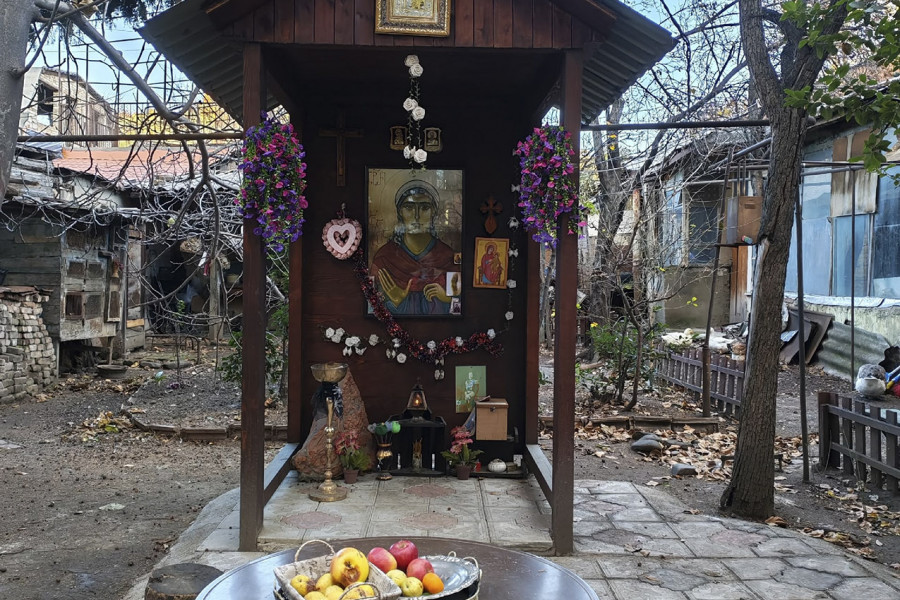
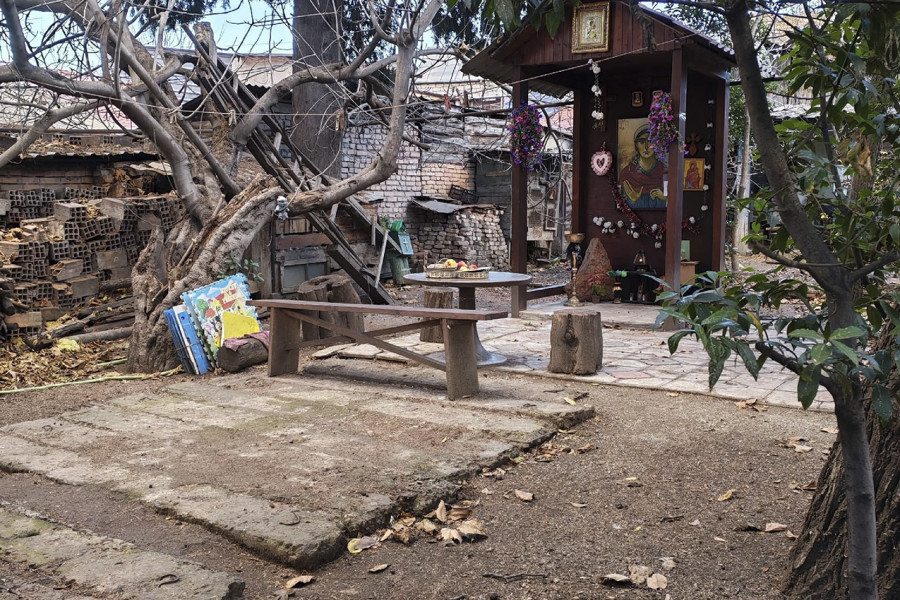





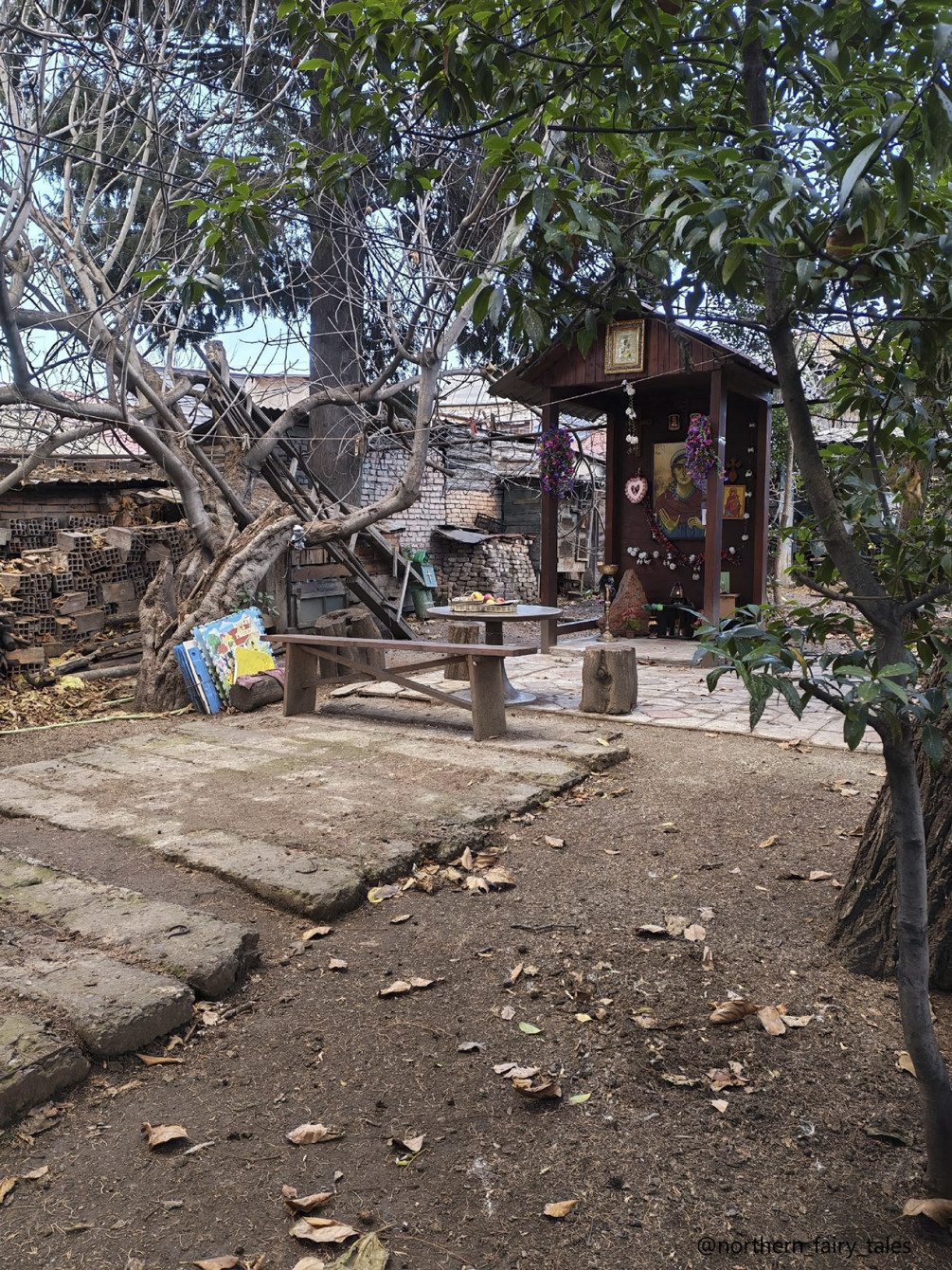




the chapel is in place of the bench where Anastasia was sitting
The beginning of this story resembles a fairy tale: once there lived a Russian engineer who had three daughters, and his wife had died. By the Tsar’s order he came from St. Petersburg to the city of Tiflis to build a railway and married again. The engineer’s daughters acquired a stepmother, and, as often happens in fairy tales, she was very cruel, and she took a particular dislike to one of them — Anastasia — and tormented her greatly.
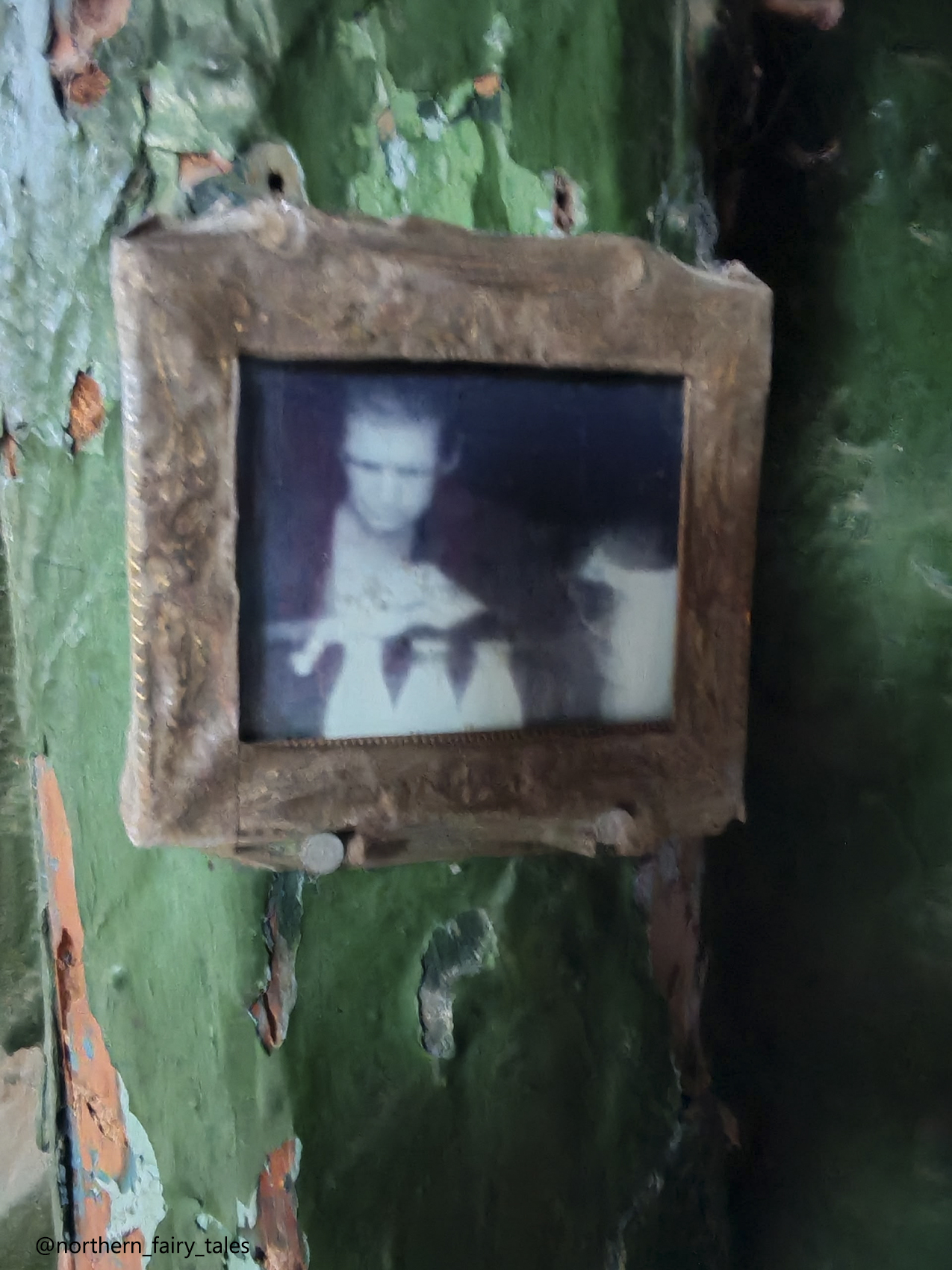
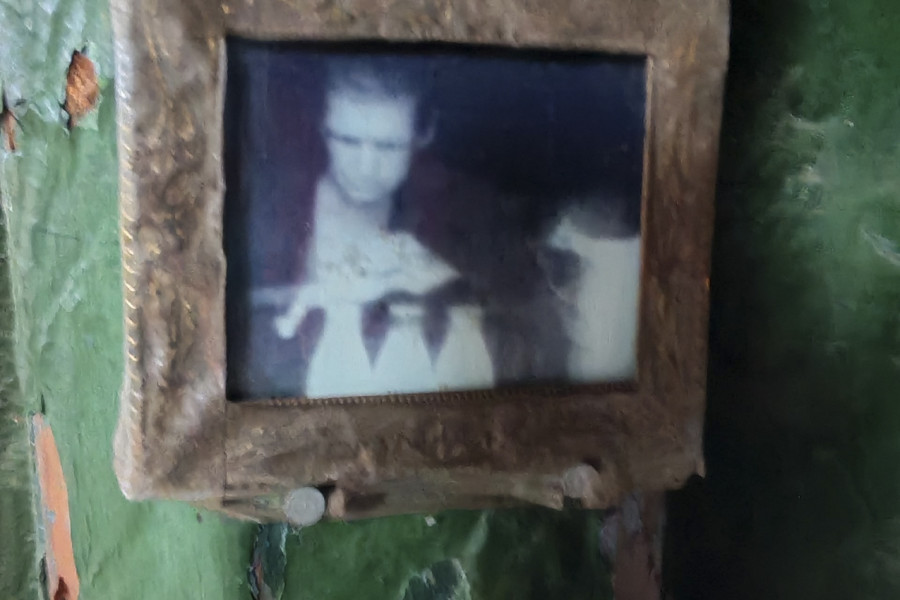
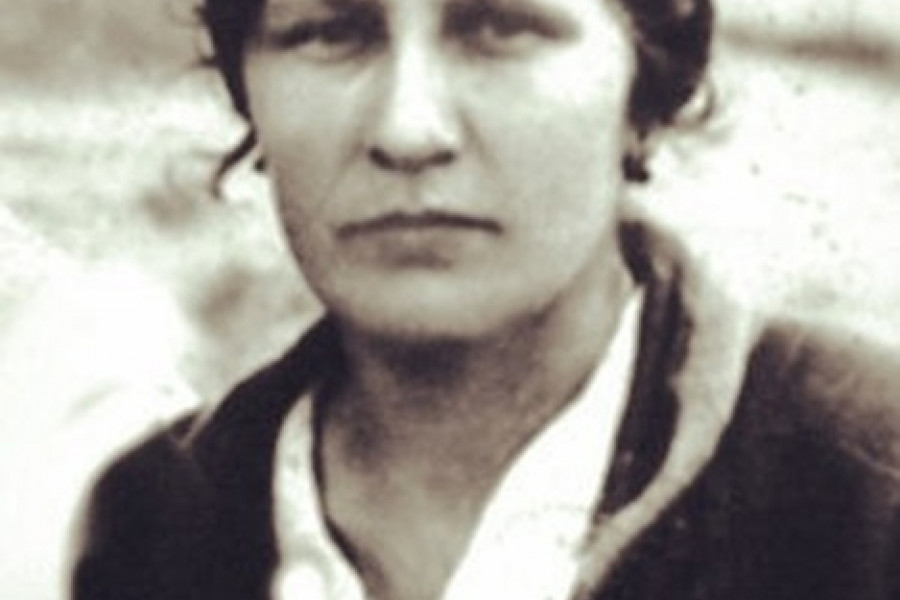
One of the few photographs of Anastasia
She became especially bold after the engineer’s death. Nastya was a devout girl, she sang in the church choir, worked as a telephone operator, and she had a fiancé — an officer in the Tsarist army, whom she had met at a ball in the Vorontsov Palace. Their wedding was to take place very soon, but the stepmother decided to interfere with these plans: she locked her stepdaughter away, and when the officer came to visit his bride, she told him that Anastasia had gone mad and had been taken away forever to a mental asylum. The young man could not bear this news and shot himself on the spot, right there at the gate of the house, and Anastasia, seeing this, sat down on a low bench in the courtyard and never stood up again for the rest of her life, praying day and night in the open air for the suicide.

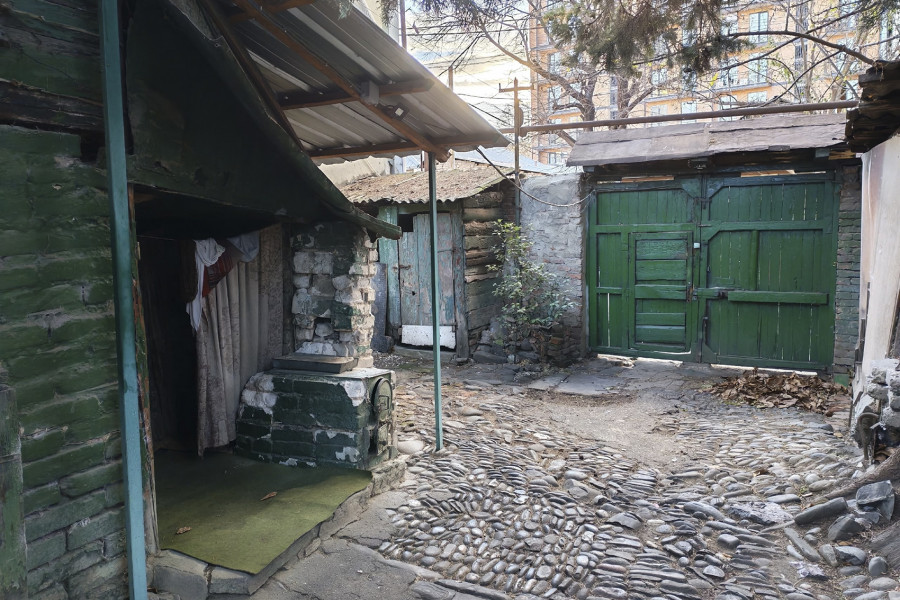
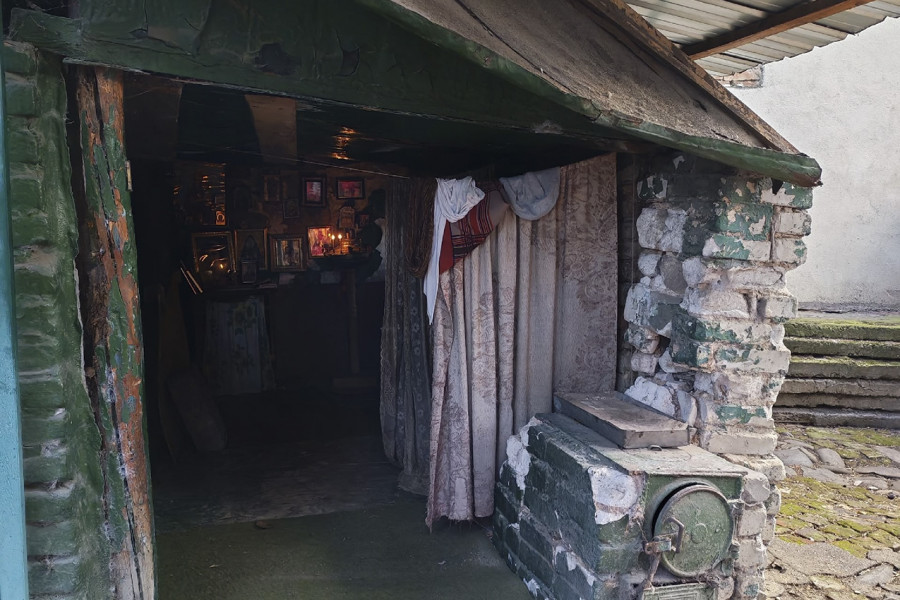
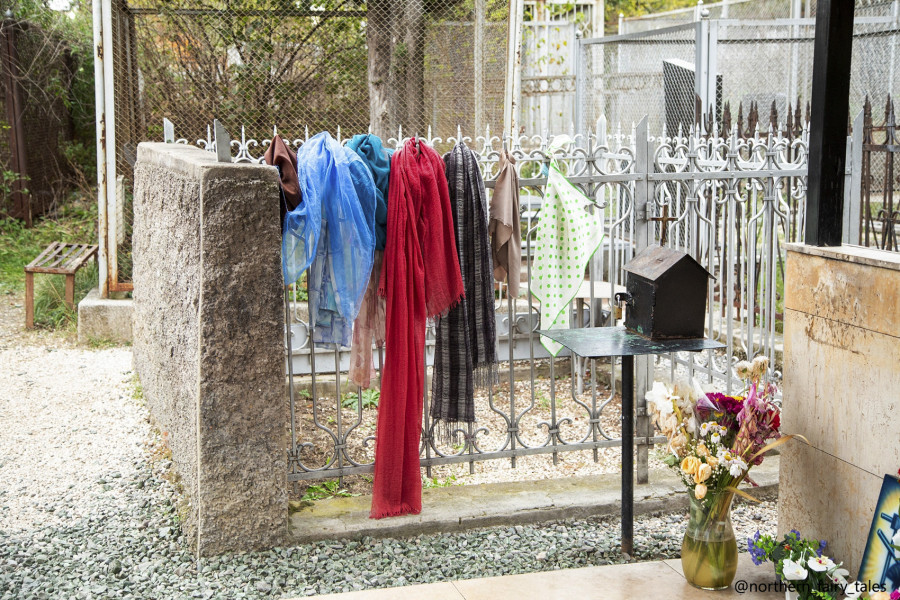
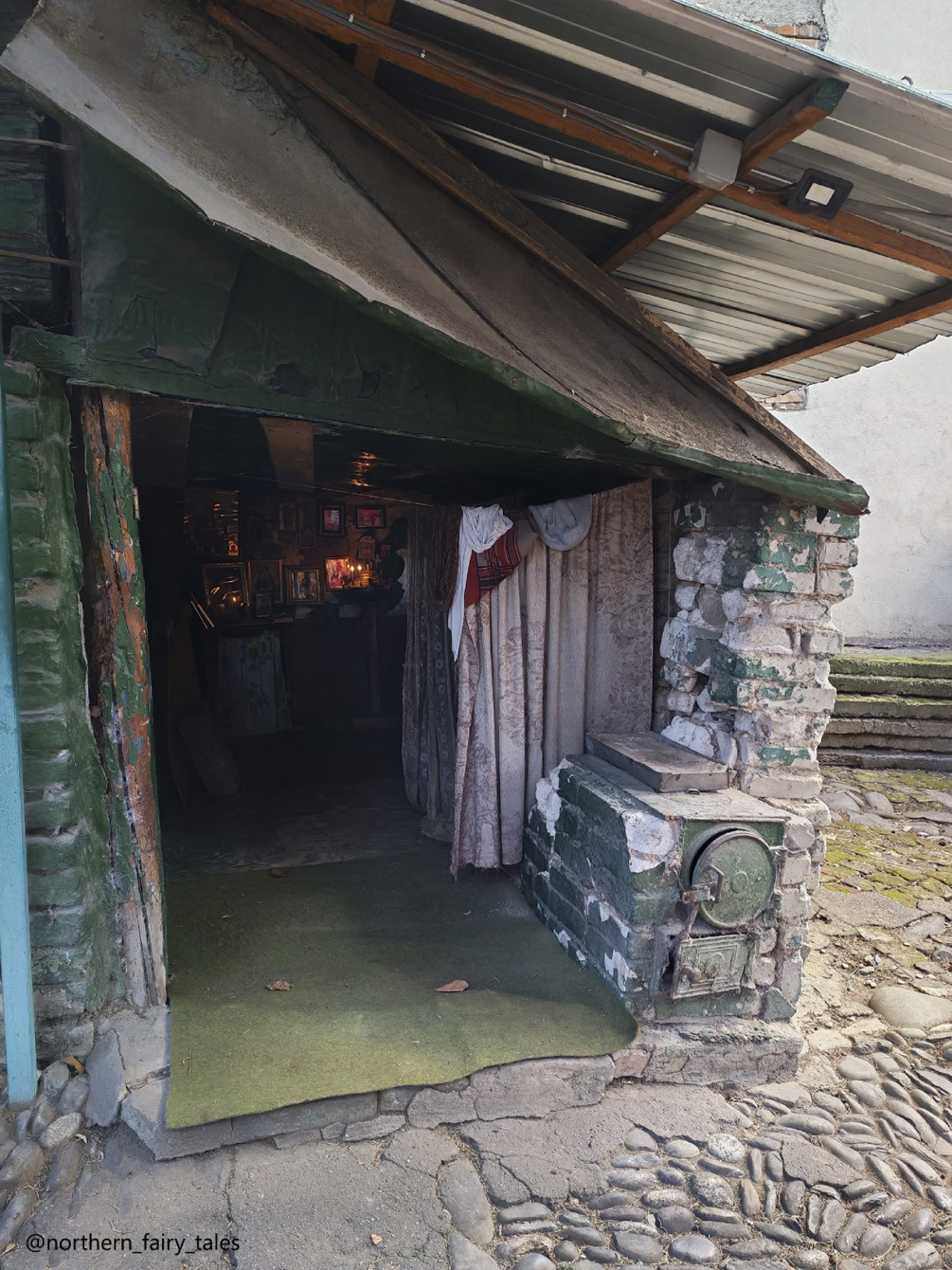
On the left is a shelter built by parishioners to protect her from the elements, but she refused to move there, remaining in the open air. On a small stove near this shelter, pilgrims prepared food for Anastasia and the communal meal.
In summer the hot Georgian sun scorched her, in winter she was covered with snow, but only a shawl protected her from the cold. While the stepmother was still alive, she tried to interfere with the girl’s spiritual labors: she ordered the neighbors to carry her into the house, but when they brought her in, a fire broke out in the house, and Anastasia had to be taken back outside. In winter the stepmother poured water over her, but in vain — she continued to sit in the courtyard.
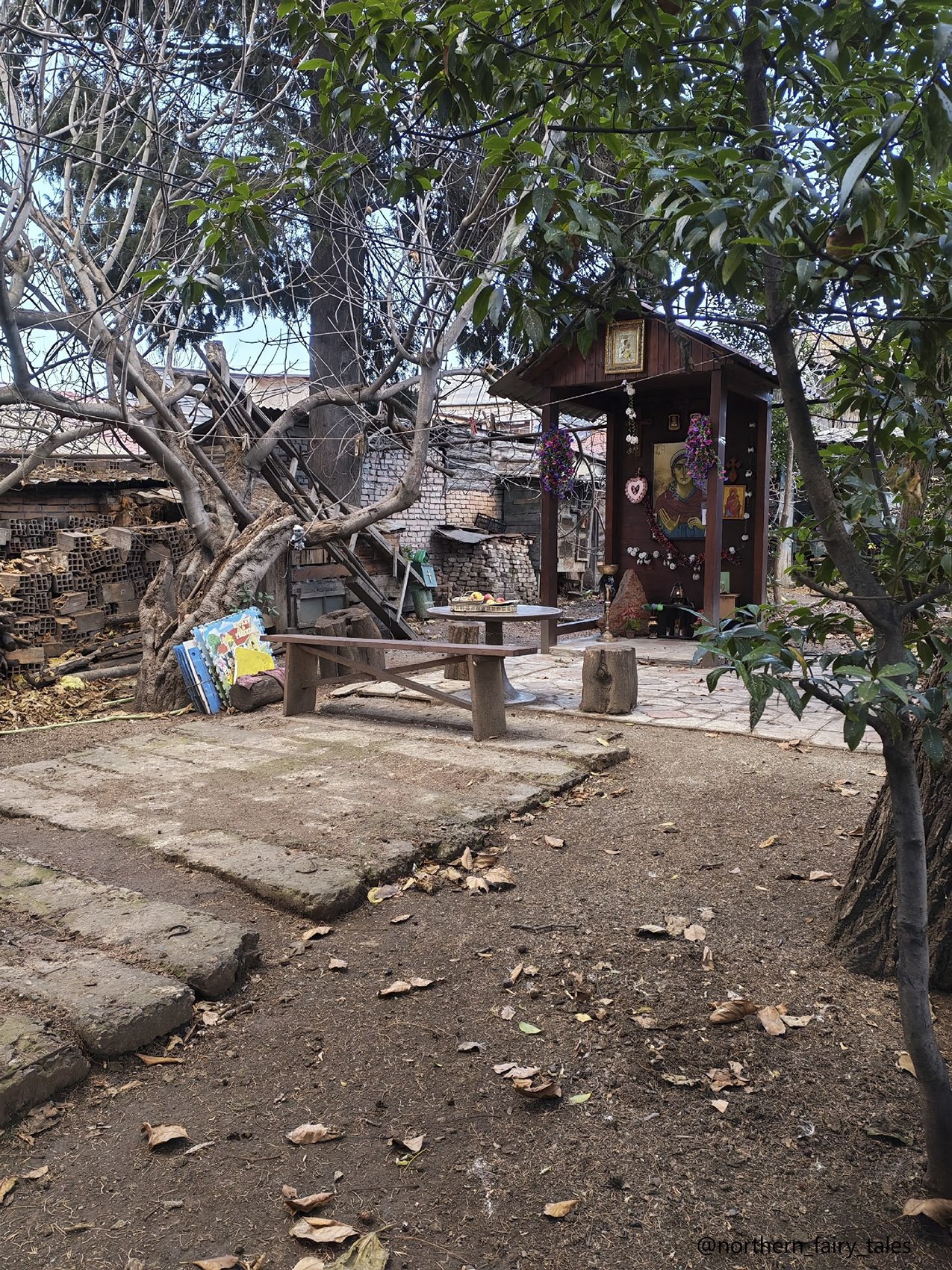
The chapel is in place of the bench where Anastasia was sitting
Thus she sat for 63 years, until her death in 1970, dying in her eighty-fourth year. During those years her legs fused under the knees, but it may be stated that the laws of physics were suspended in her case: there were no bedsores or suppuration on her body, as normally happens with bodily immobility, and exposure to cold did not kill her.
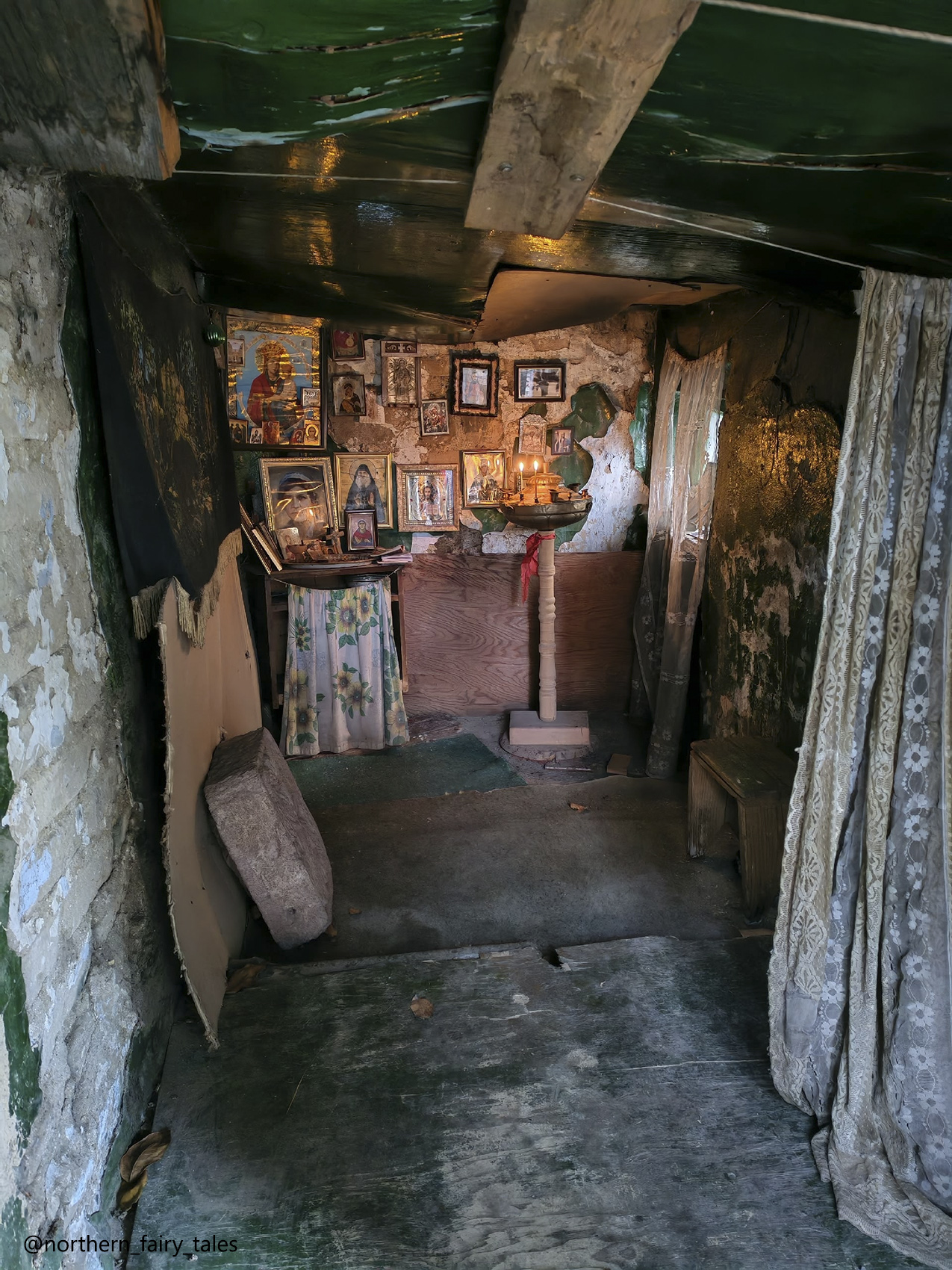
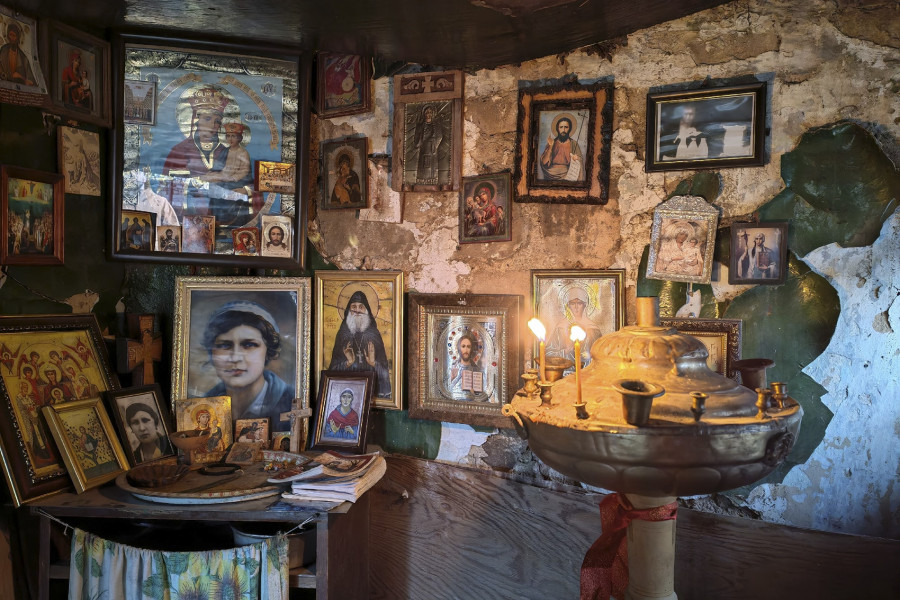
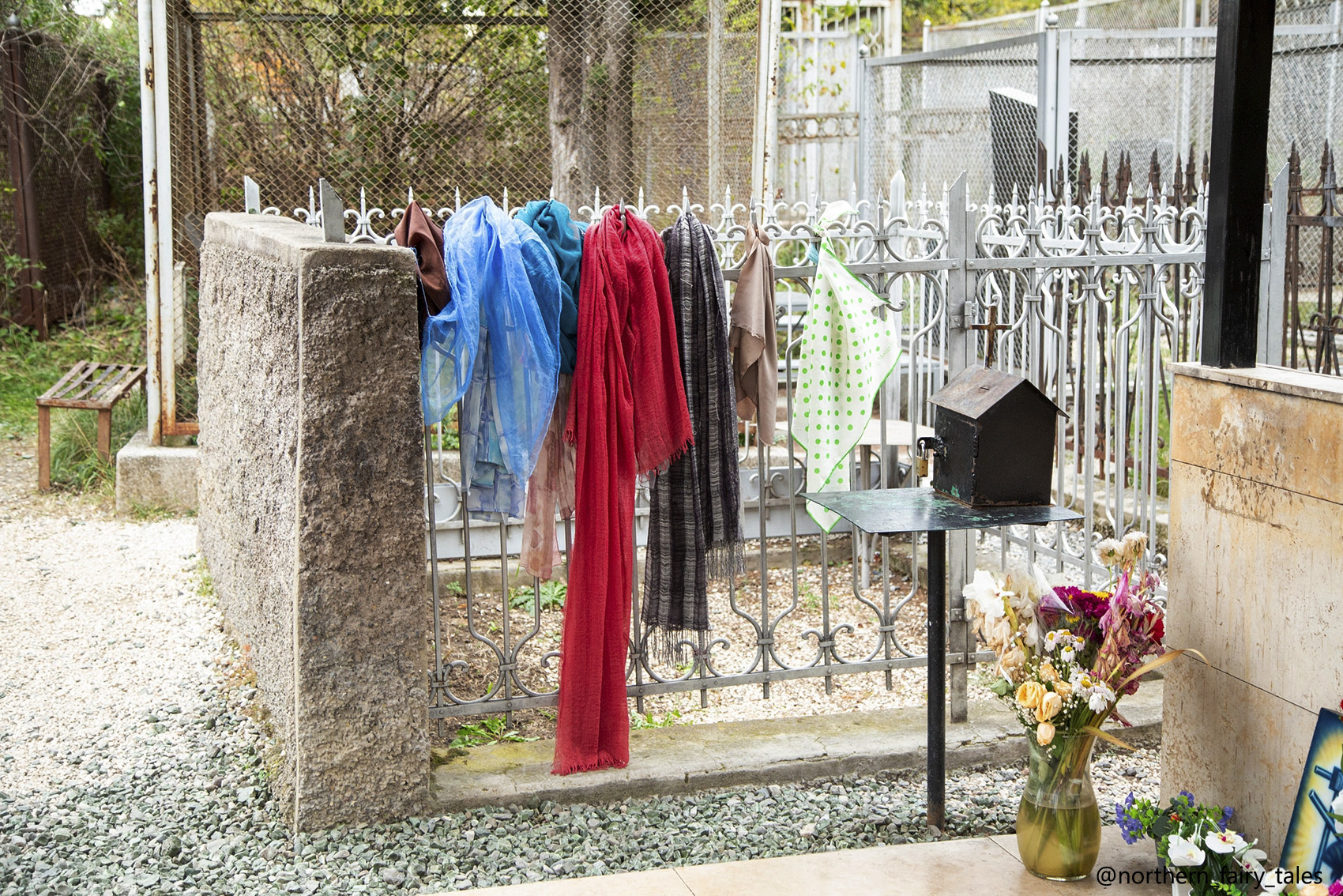
Inside the canopy, which also became a place for addressing the holy fool
Over these years, a cult formed around Anastasia the Sitting One — as the people called her — and people came to her for prophecies and healing. Especially many came during the war to learn the fate of men at the front, and if she gave the petitioner earth, it meant that the person had already been killed. There is a local legend saying that after the war she addressed the party leadership of the republic: “In a year there will be a great flood in Tbilisi. The water will wash away the entire right bank. A barrier must be put up.” The authorities listened and reinforced the embankment of the Kura, and so when flooding really began the following year, the city and its inhabitants were safe.
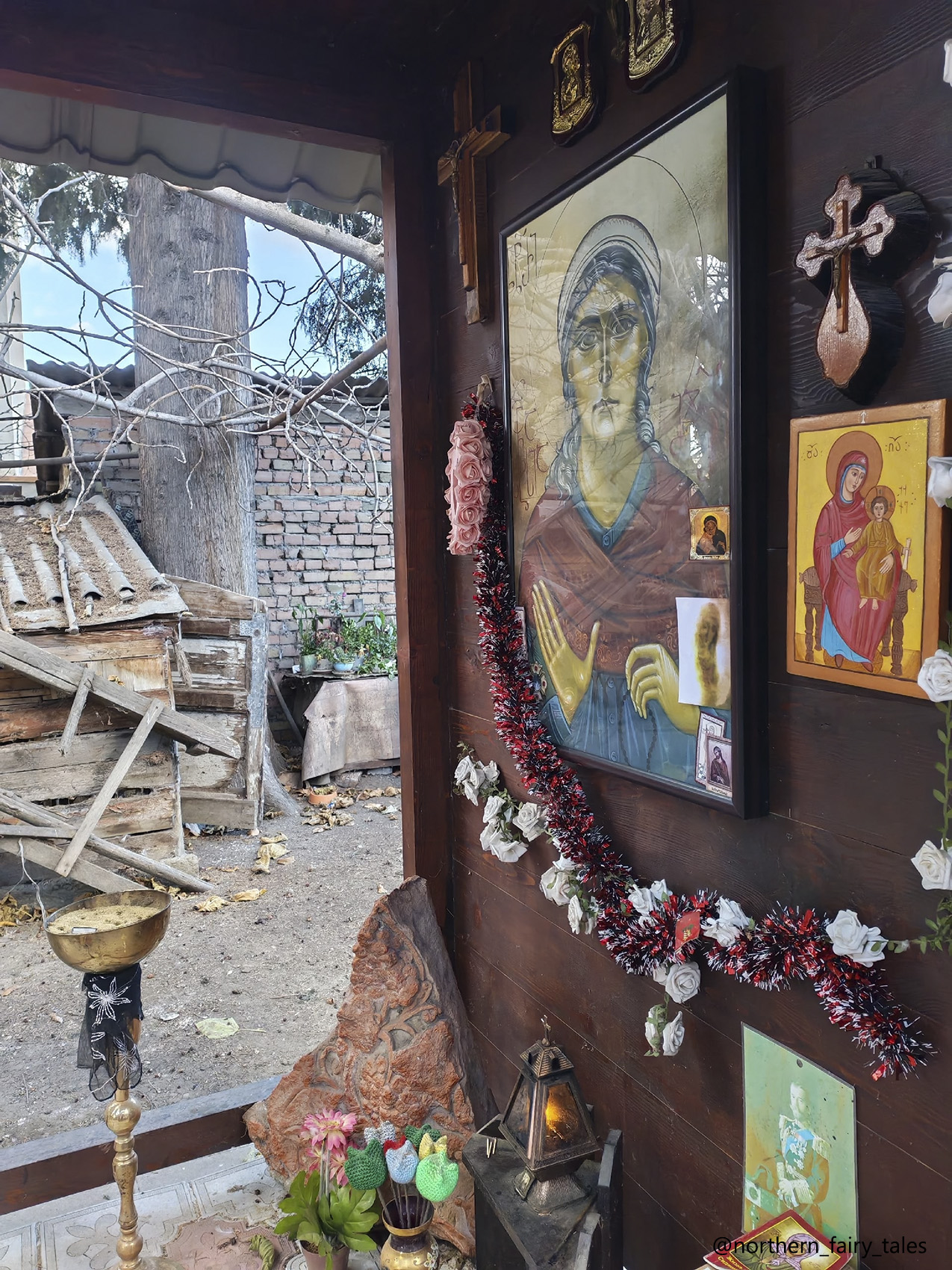
A characteristic symbol of the ascetic woman became the red apples that pilgrims brought her, and these same apples she distributed to those in need. Here is what the local Archimandrite Raphael recalled about his meeting with Anastasia in childhood: “Once my mother fell seriously ill. I came to Anastasia, told her of my grief, and asked her to pray for my mother. Anastasia gave me an apple and said, ‘Let her eat it.’ I returned home with this apple. How light my soul felt! I expected a miracle, and it came to pass! My mother, having eaten the apple, recovered the very same day...”

Her own nephew, Georgy Sazonov, who still lives in that legendary Tbilisi courtyard, said that from the age of five he was given the task of sweeping snow off Anastasia in winter. She was washed right where she sat, even in winter, but she never fell ill and never complained of anything, and she lived on the offerings of believers. In Khrushchev’s time the police drove the faithful away, but they came again.

The entrance to another space from the streets of bustling Tbilisi
When Anastasia died on June 7, 1970, she was buried in a specially made seated coffin. Many priests came to conduct the funeral service, and so many people wished to attend the funeral that the courtyard could not hold them all, and the farewell lasted for many hours.
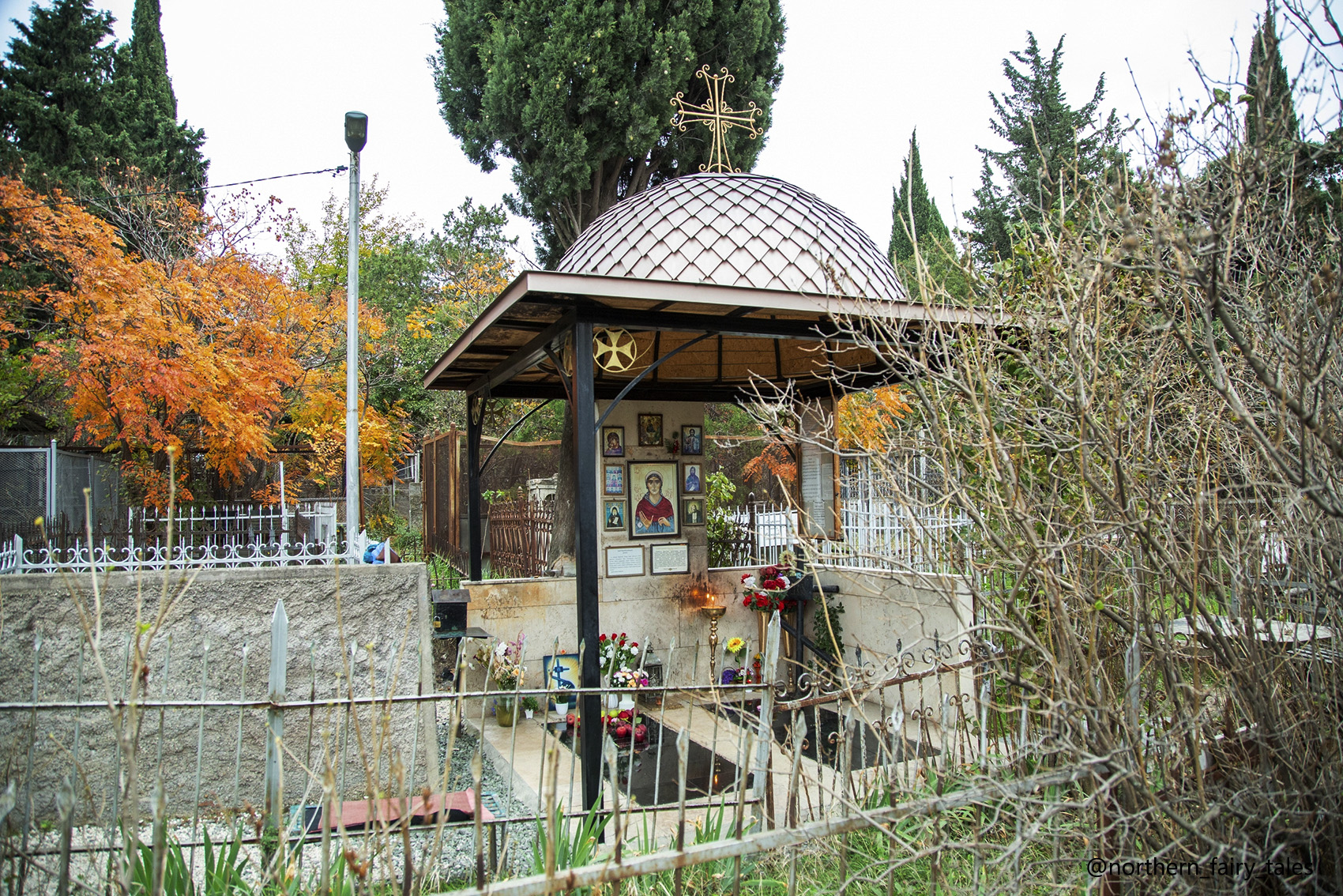
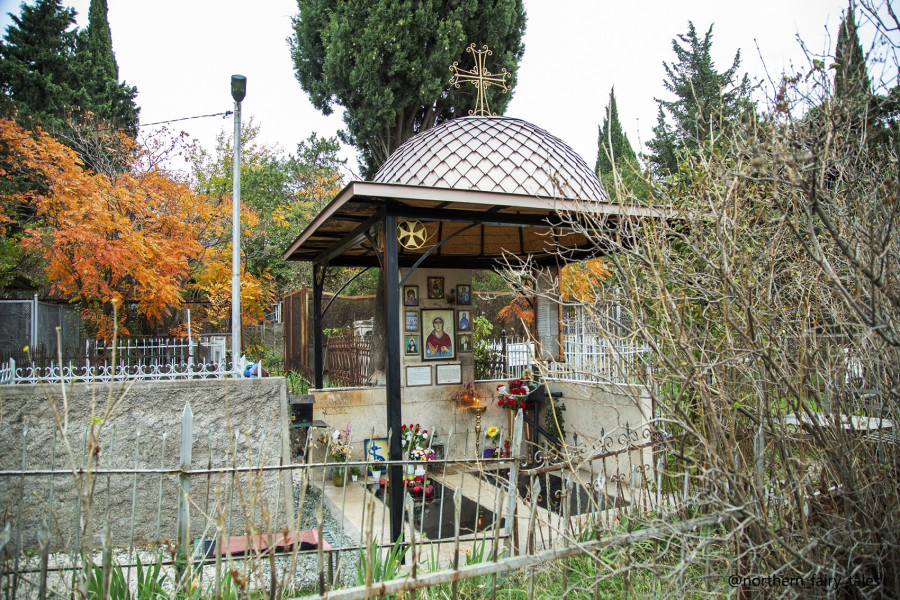
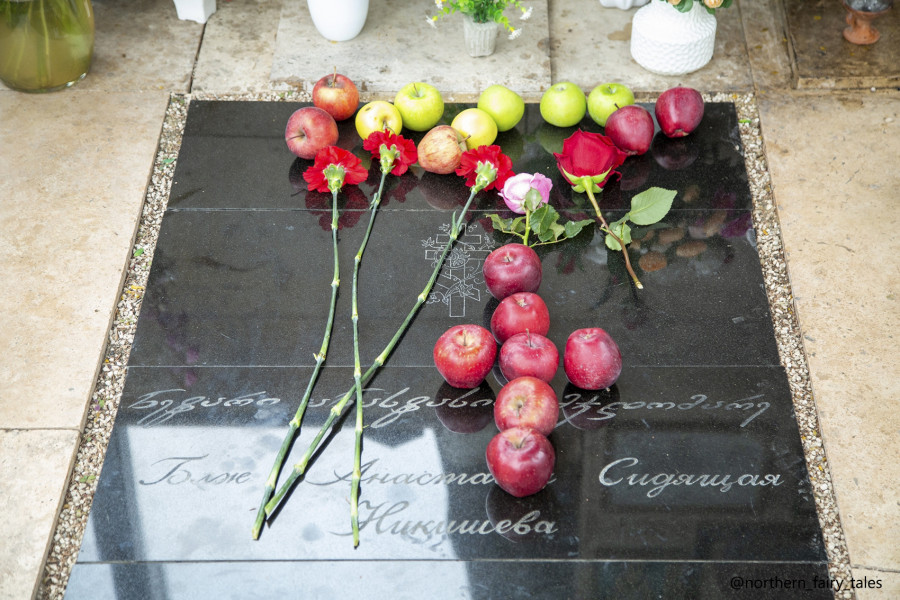
the grave of the blessed woman at the old Kukia Cemetery
The grave of the saint at Kukia Cemetery became a kind of place of power, as did the courtyard where she spent her life.
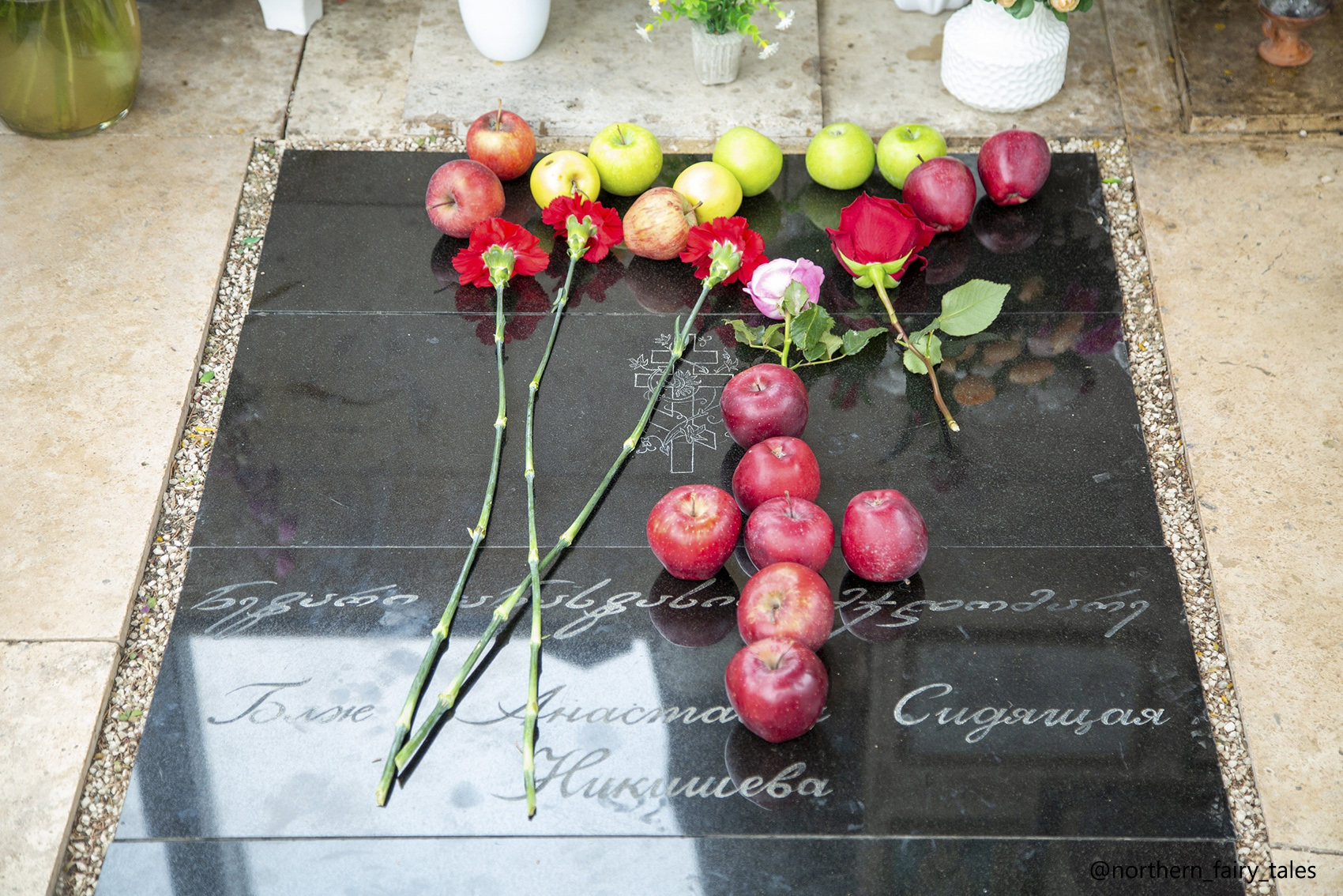
Anastasia's symbol is the red apples on her grave
As was aptly noted in one article about Anastasia, from the point of view of Eastern Christianity her ascetic feat resembled stylitism — spending time in prayer while standing in one place; such a saint was, for example, Simeon Stylites, who spent 37 years on a stone antique pillar in Asia Minor. But if one looks at her gravestone, one can see that she is called blessed. Usually the blessed are holy fools, and it is no accident that Anastasia is compared with the well-known holy fool Xenia of St. Petersburg. We know little about Anastasia, but there are some testimonies confirming her holy foolishness. For example, she did not accept food from everyone; she drove some visitors away and threw back at them what they had brought. This is characteristic behavior of those who practice holy foolishness for Christ’s sake. The subject of holy foolishness is in general quite interesting, and we will try to explore it in some future publication.
Anastasia was not canonized; most likely an element of the national politics of modern Georgia is concealed here, but this does not hinder the development of her cult. We visited both places — the courtyard where she spent her life and the cemetery — and everywhere met pilgrims who had come seeking help: Russian speakers, Armenians, Georgians, Kurds. People bring red apples to the grave and to the little chapel at the place where she sat, and then, after such consecration, eat them. We too ate a couple of someone’s apples, but felt no effect, perhaps because we had asked her for nothing. Such is this interesting Russian spiritual phenomenon, which developed against the background of Transcaucasian color.

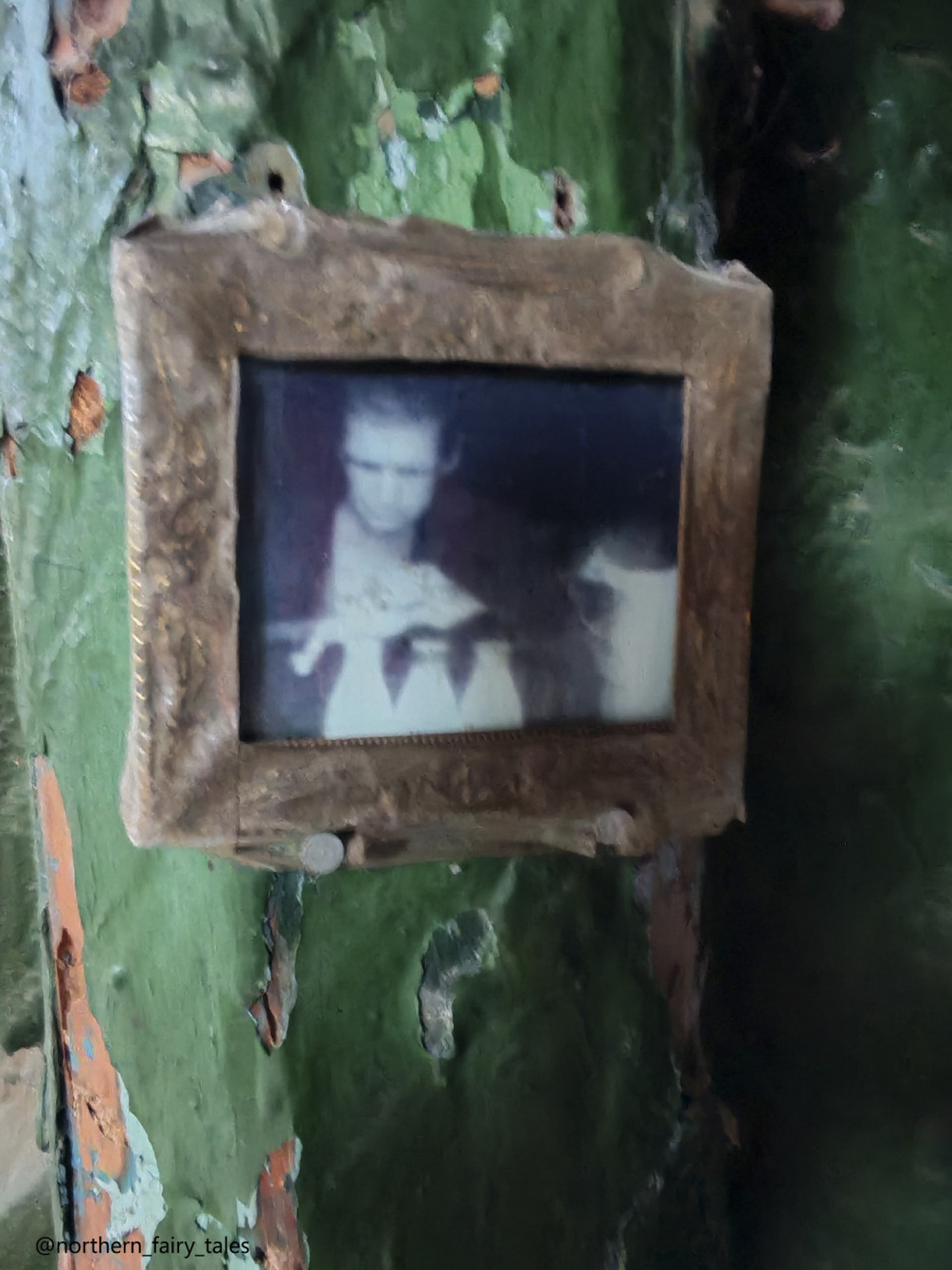
one of the likely photographs of Anastasia the Seated circulating on the internet