Shum-Gora(literally: "Noise-Mount" or "The Noisy Hill")
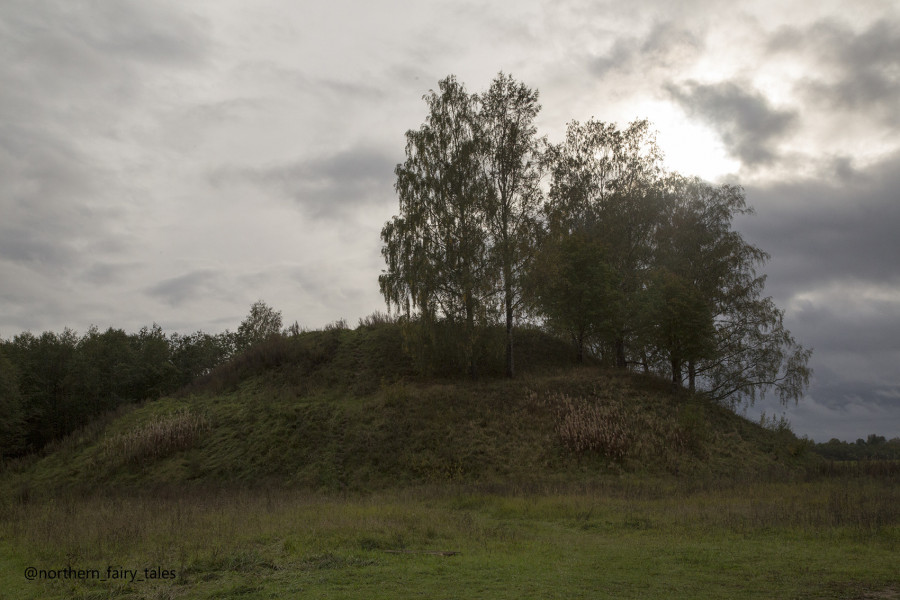
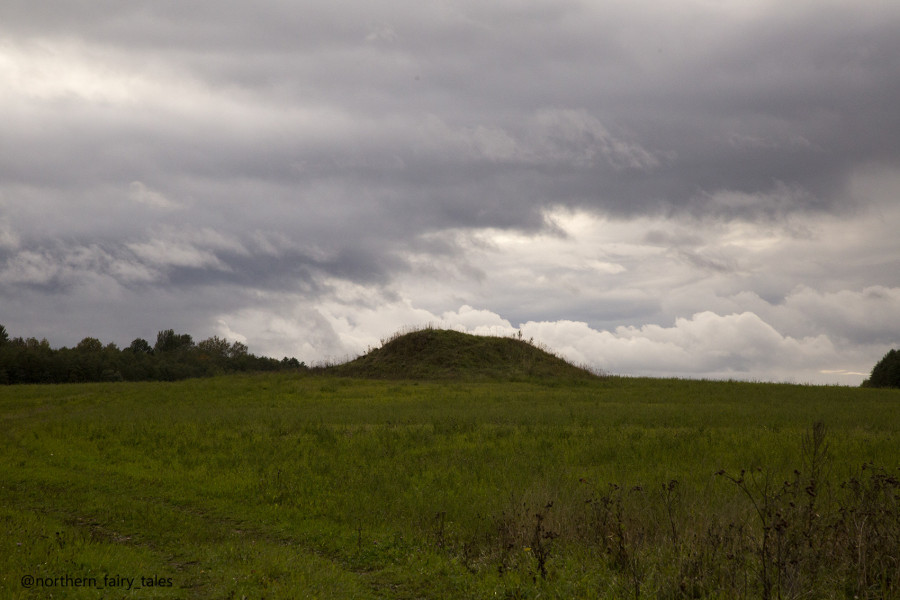
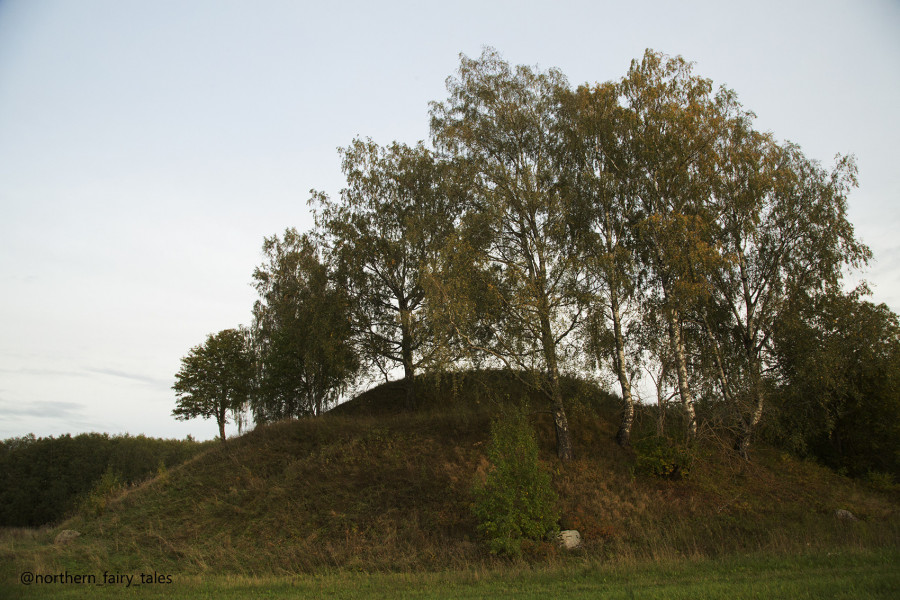
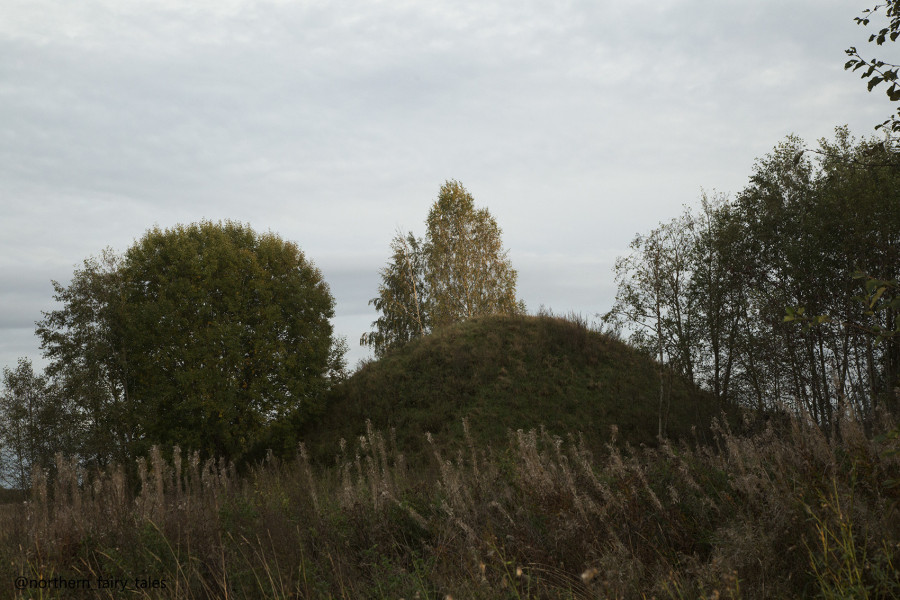
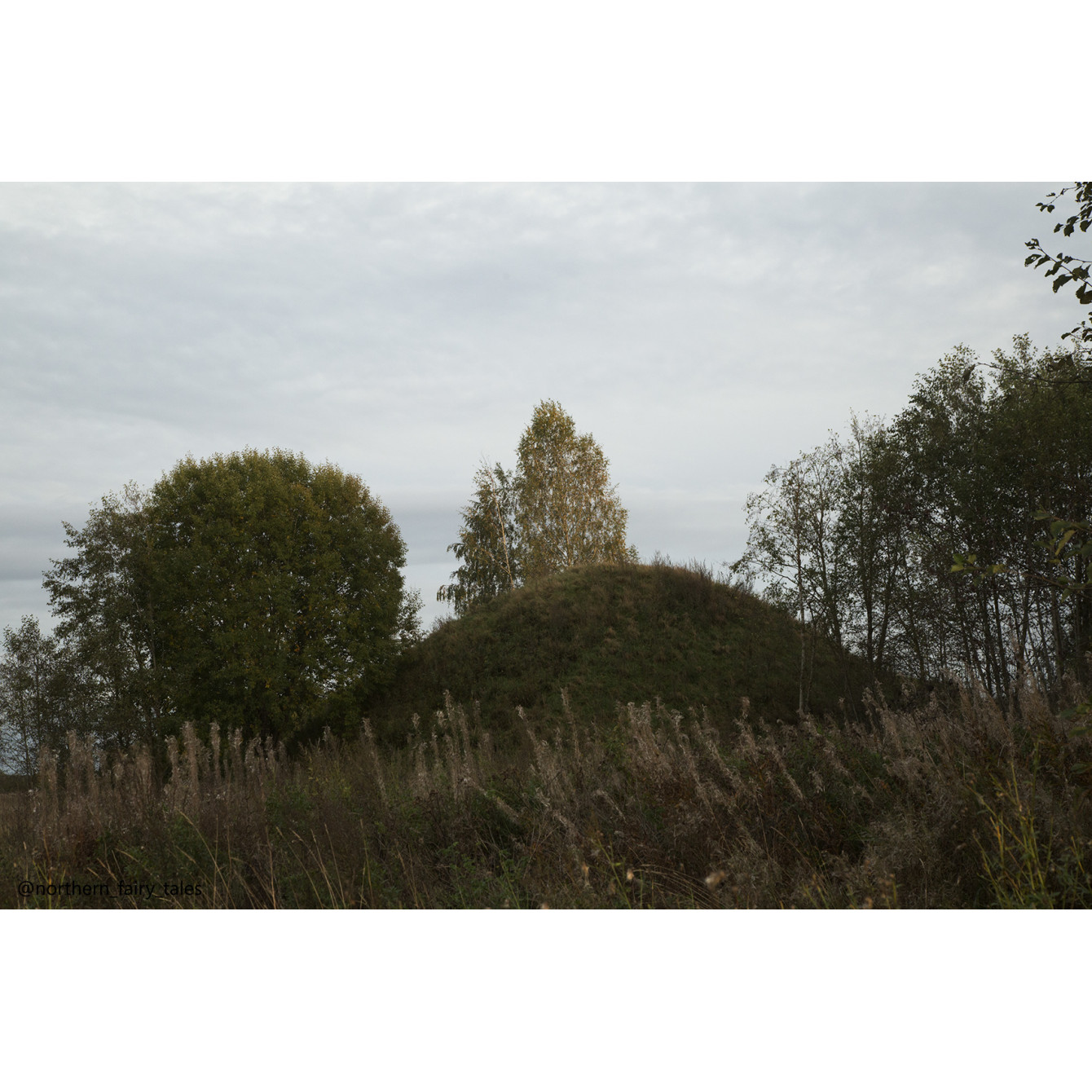
In the remote and desolate Batecky District of Novgorod Oblast, where the road is cracked and weary with age, a traveler may come across a scattering of kurgans—man-made burial mounds of impressive scale. The largest of these is Shum-Gora. Rising some 13 meters in height and spanning nearly a hundred in diameter, it stands as a silent sentinel of the northern land. It is said to be the resting place of a semi-legendary aristocrat of ancient Rus—though no one knows who lies beneath. Some whisper it may be Rurik himself, the founder of the Russian state; others, some forgotten noble whose name has long since vanished in the mists of time.
The name Shum-Gora, or “Noisy Hill,” springs not from chronicles but from the deep soil of local folklore. The peasants of this land likely knew little of Rurik or the Norsemen. Instead, they told another tale—a tale both ancient and archetypal—of a church that once stood upon this spot and was swallowed by the earth. Some say it sank, with priest and parishioners alike, as punishment for some unknown sin. Others claim it was destroyed by the dreaded "Litva"—a mythical enemy people who, in the memory of local legend, once swept across these lands, burning and burying all in their path. They say the ruins of the holy place were heaped atop the mound, entombed beneath its crown.
One day each year, however, the buried church was said to stir. On the first Sunday after Trinity, if one stood quietly atop Shum-Gora, they might hear the distant tolling of its bells rising faintly from the earth. In the 19th and early 20th centuries, a procession would journey here on that day, and a prayer service was held at the summit. Those suffering from headaches believed they could be cured here. With candles in hand, the afflicted would circle the hill—some even crawling on their knees—sprinkling its sacred sand into their ears and gathering it to carry home like holy relics. At the very peak, there was a pit where pilgrims would leave their humble offerings: coins, scraps of cloth, lengths of ribbon. They believed that, if one lowered their head into the hollow, they could hear the church bells ringing from beneath the earth.
On all other days, Shum-Gora was regarded as a place of danger—unclean, mysterious, and not to be trifled with. Local taboo forbade the cutting of trees that grew upon it. As in many folk traditions, the punishment for such a sacrilege was swift and mortal: those who violated the sacred grove were said to die shortly thereafter, struck down by unseen forces.
The stories told about Shum-Gora reflect the folk vision of sacred space—places where the veil between the natural and the supernatural is thin. Such places are often ambivalent: even a church can become a site of danger in the wrong moment. Take, for example, the tradition of fortune-telling at a church’s lock on Easter night. In this characteristic blending of pagan and Christian belief, the church becomes a place of enchantment, akin to an abandoned house or a haunted mill—a place where one might meet spirits, or glimpse what should not be seen. And the source of the prophecy, as always, remains unknown.
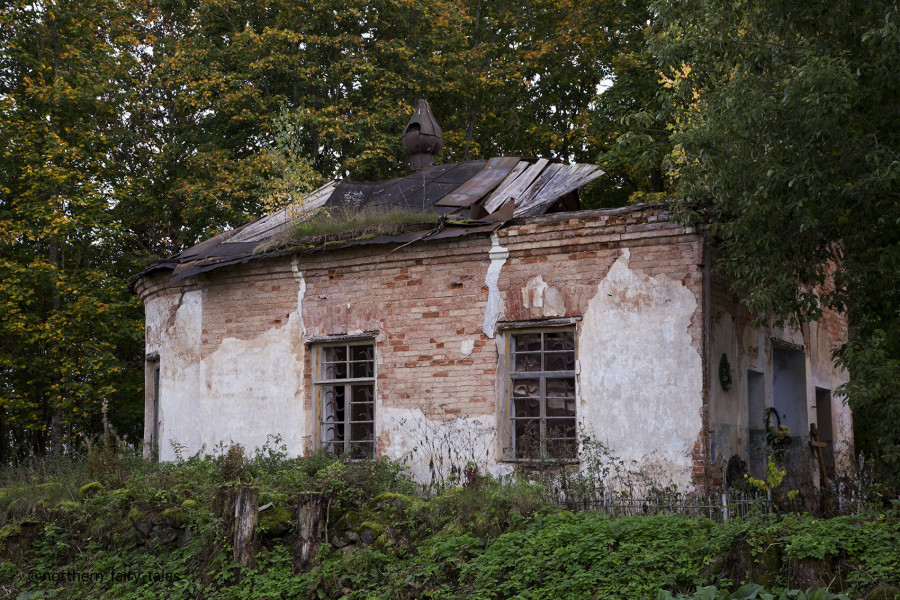
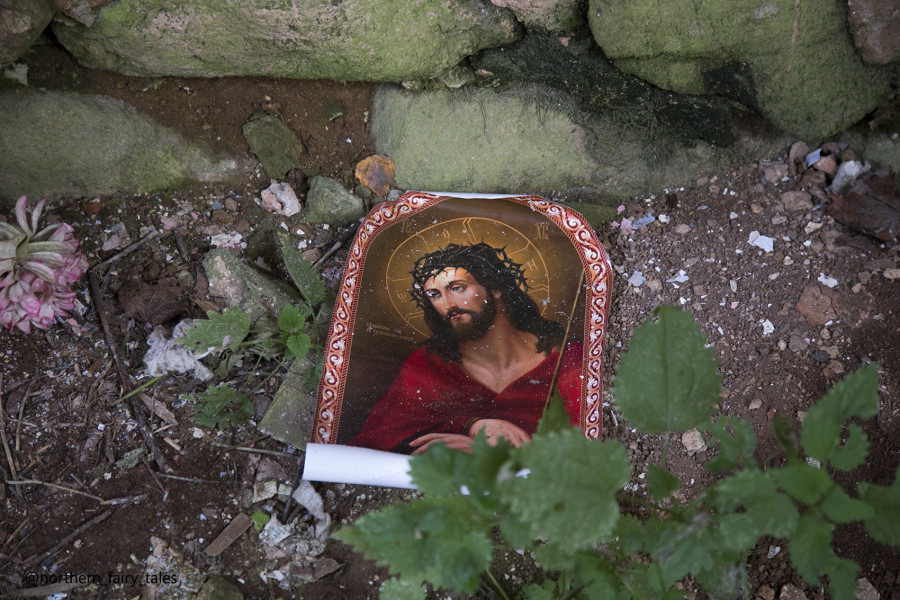
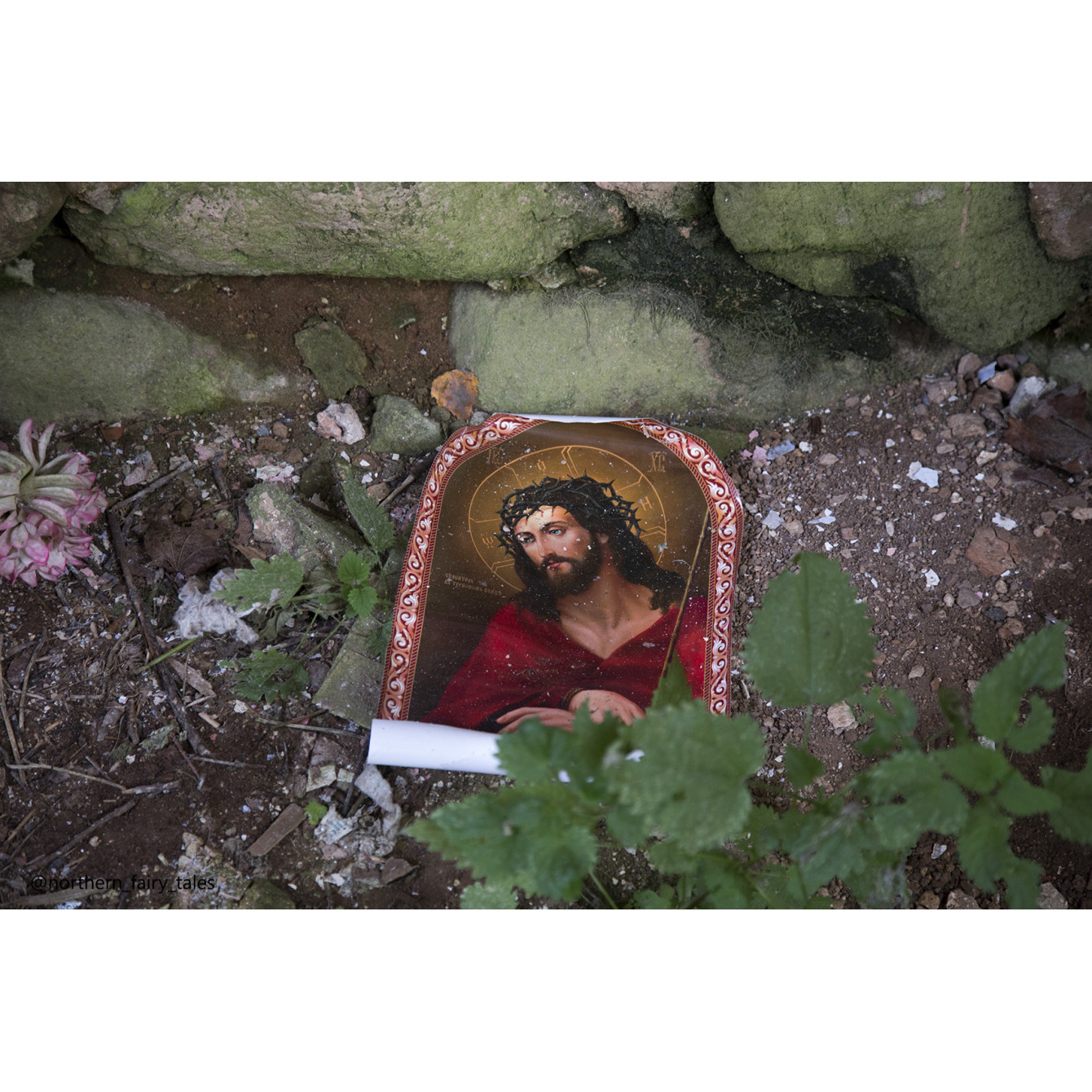
Today, the processions to Shum-Gora have ceased. But its spiritual significance lingers. Coins are still placed on the stone at its foot; bright ribbons are tied to the branches of the lone tree atop the hill. Not far from the mound lies an old cemetery and the ruins of a once-holy chapel. We ourselves did not hear the bell’s call from beneath the earth—but then, we did not come on the sacred day. We came on an ordinary autumn evening.
Comments
There are no comments for this article yet. Be the first to comment!