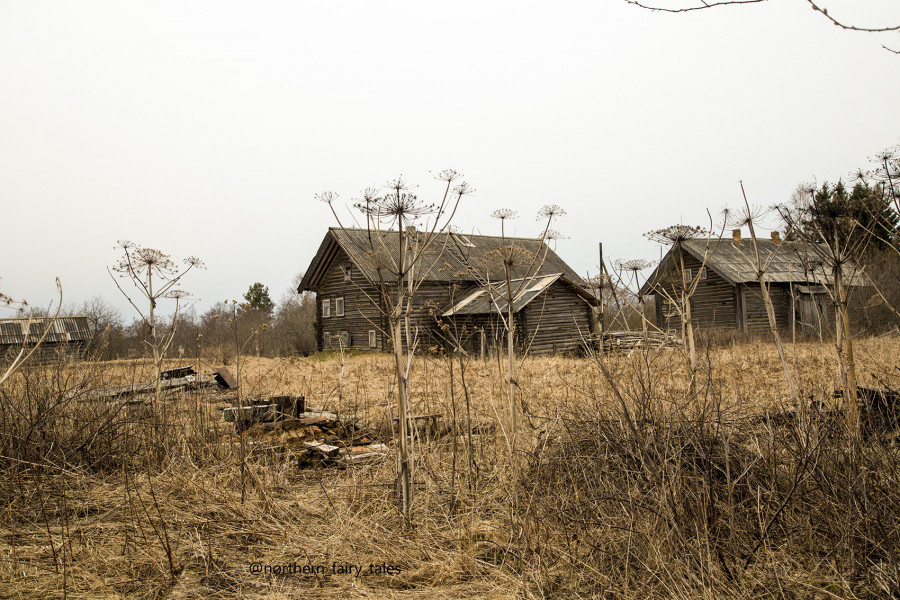
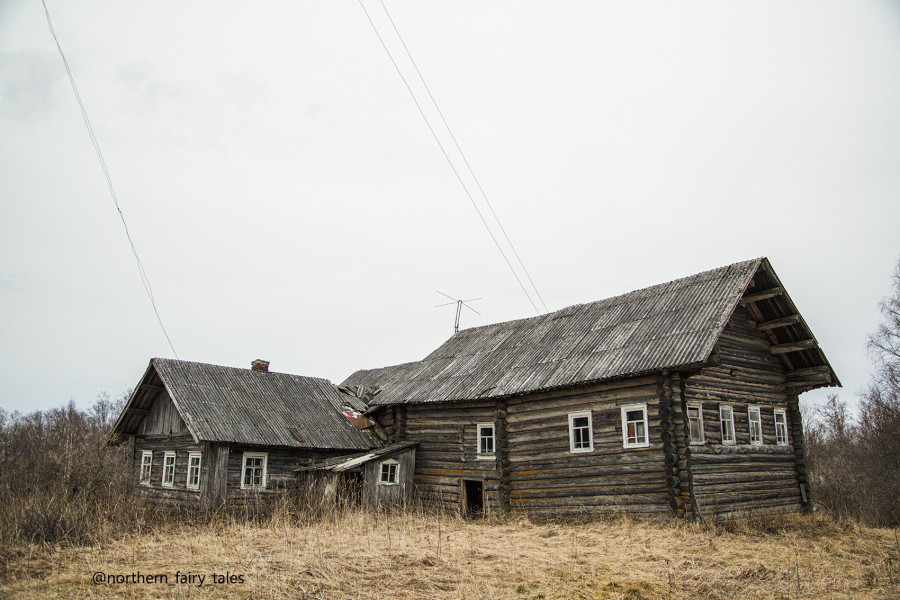
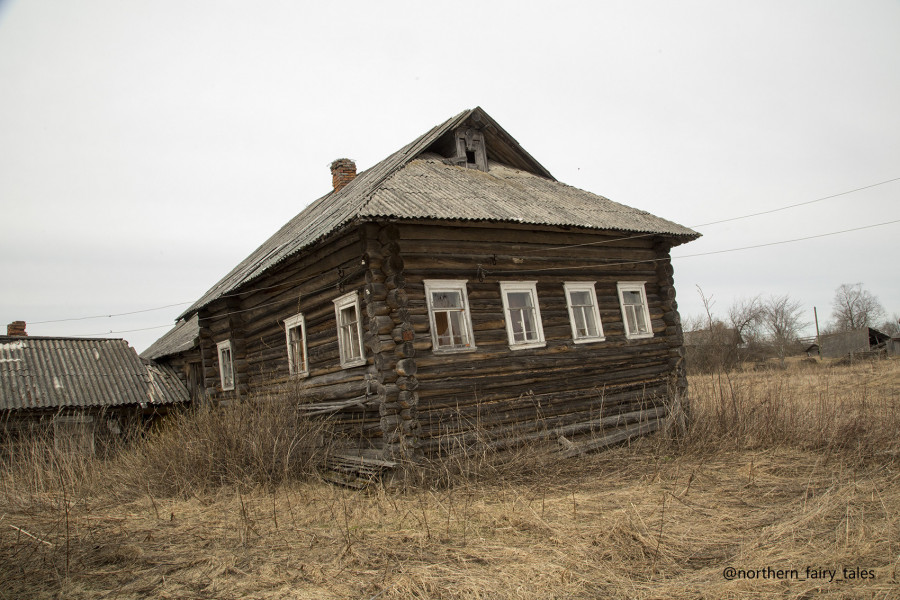
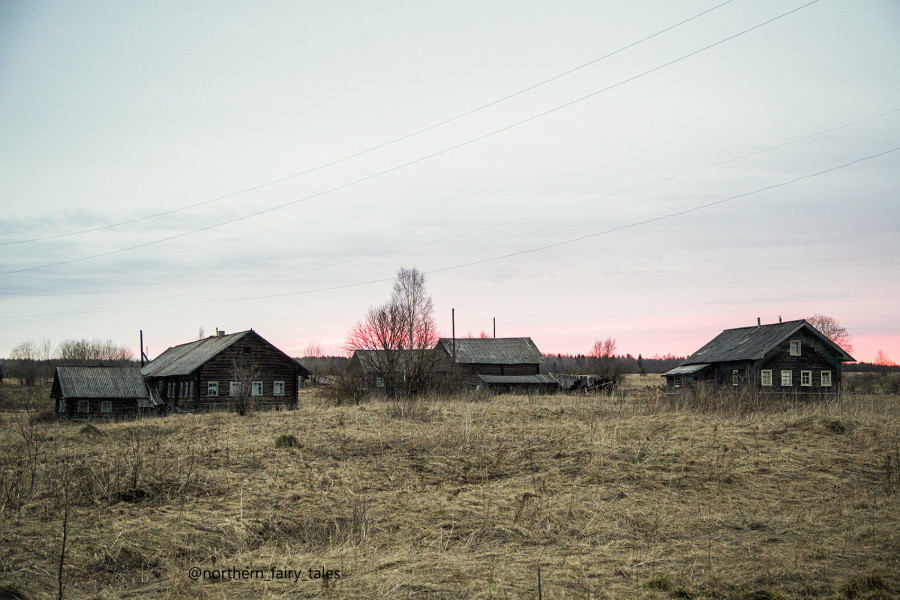
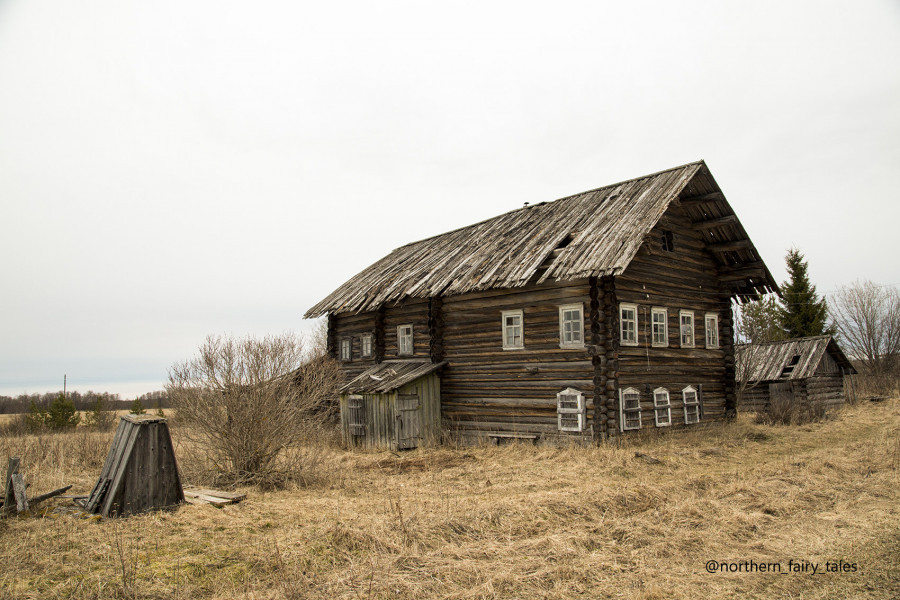
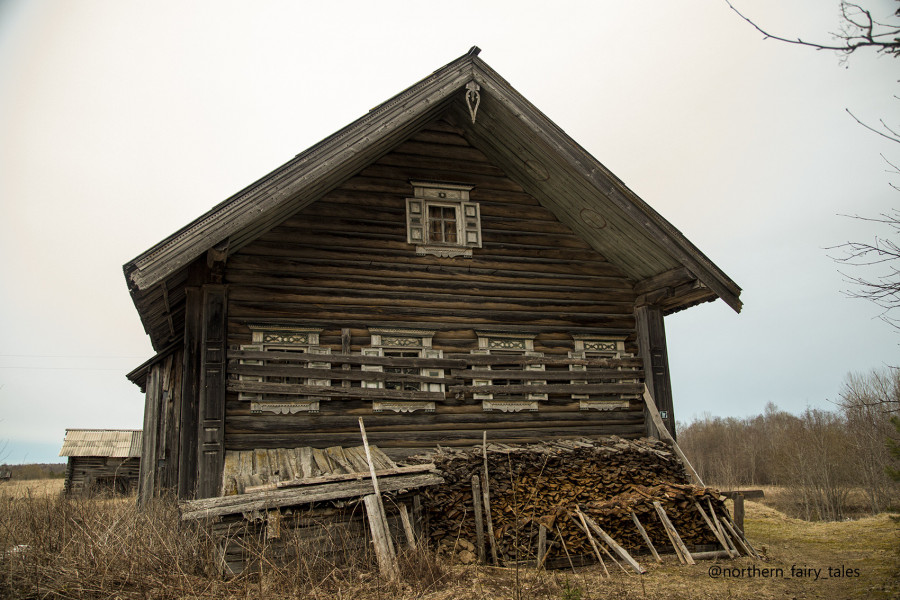
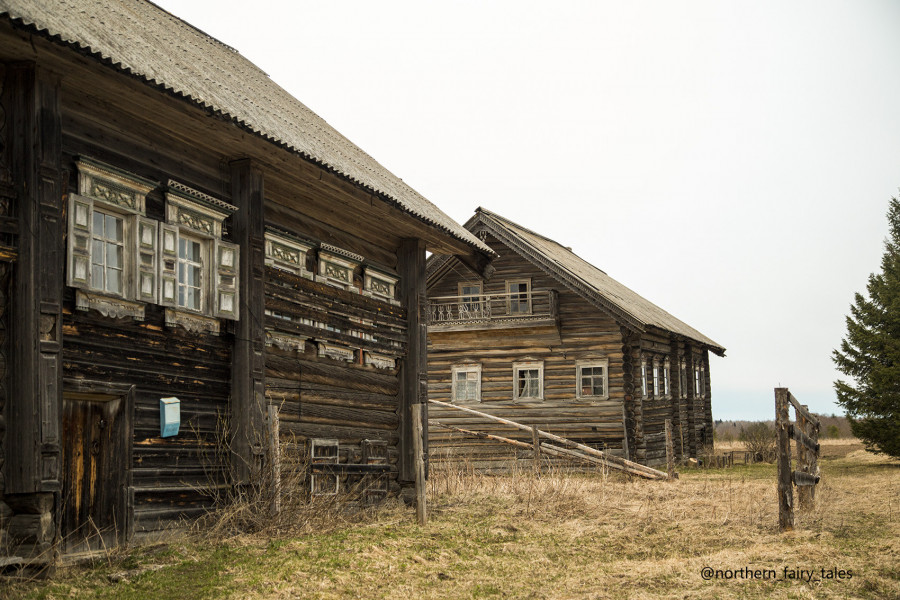
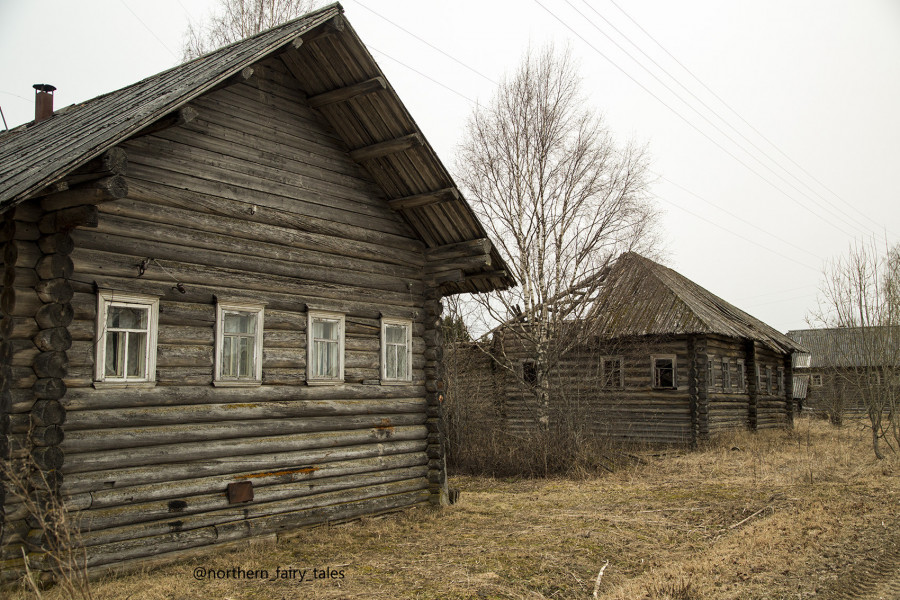
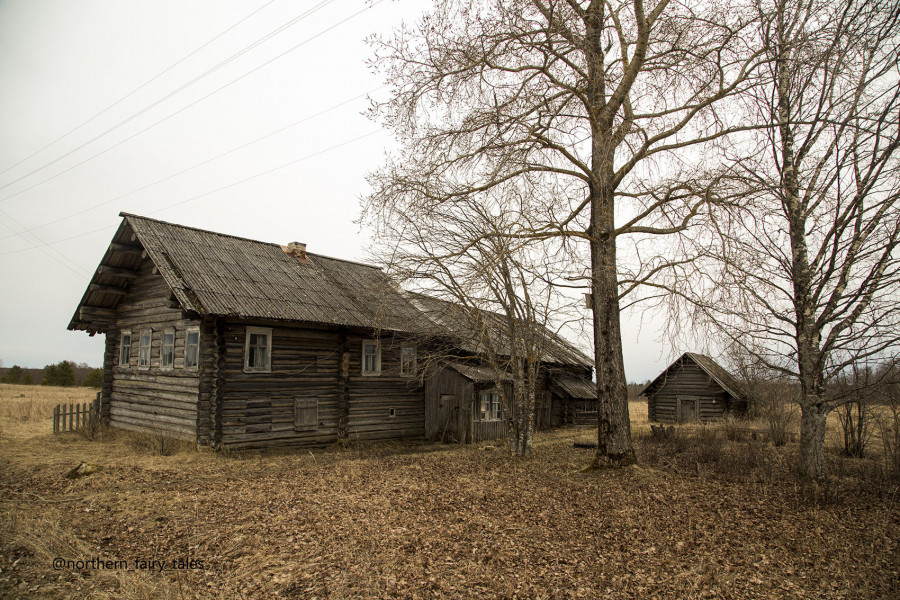
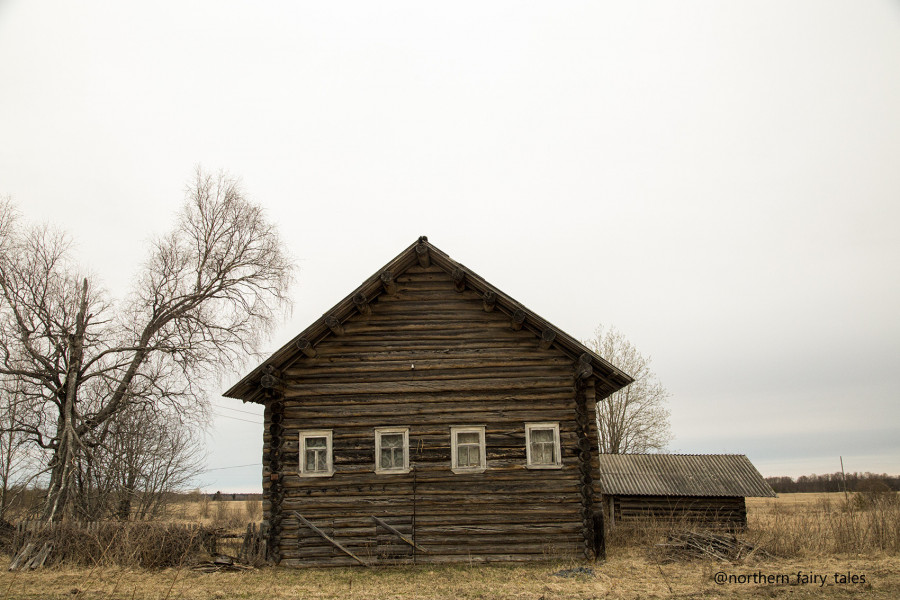
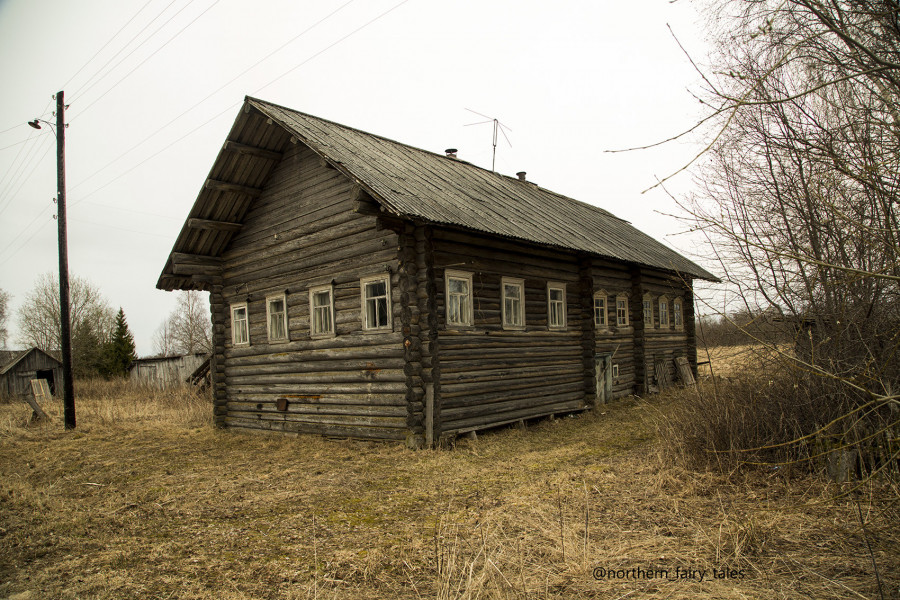
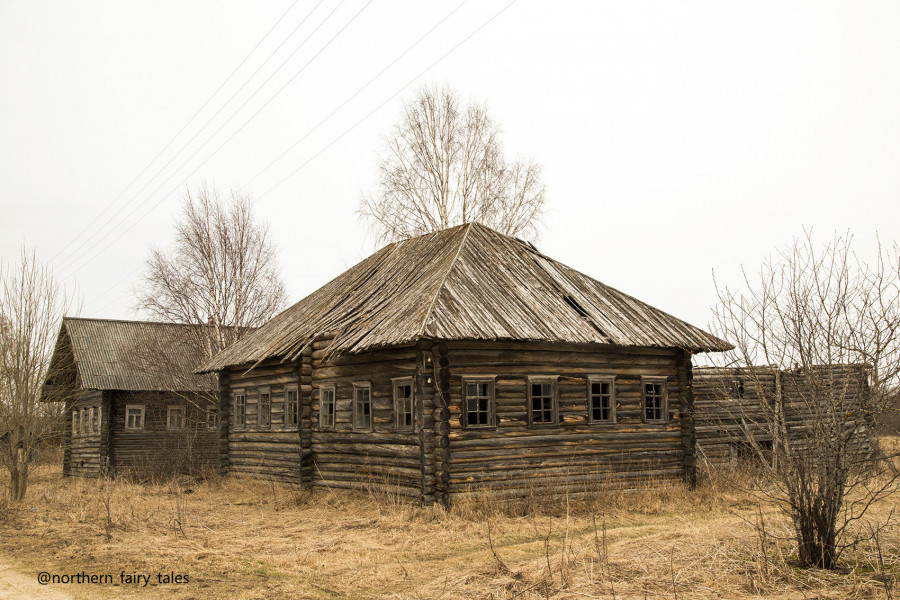
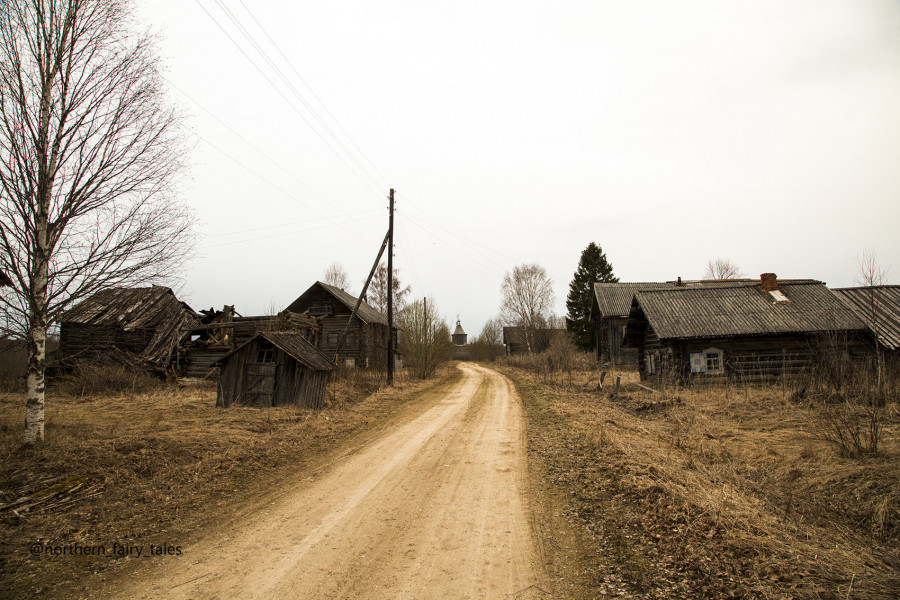
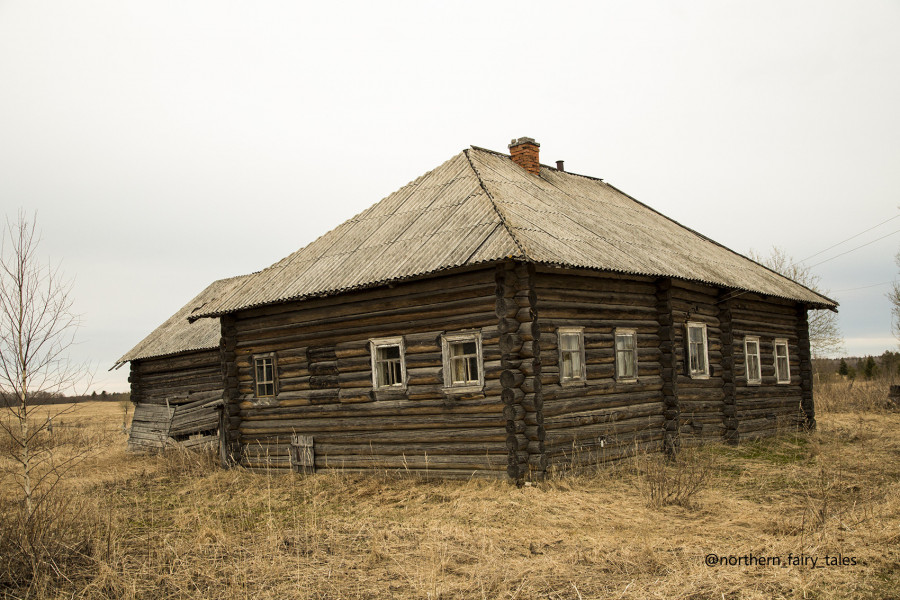
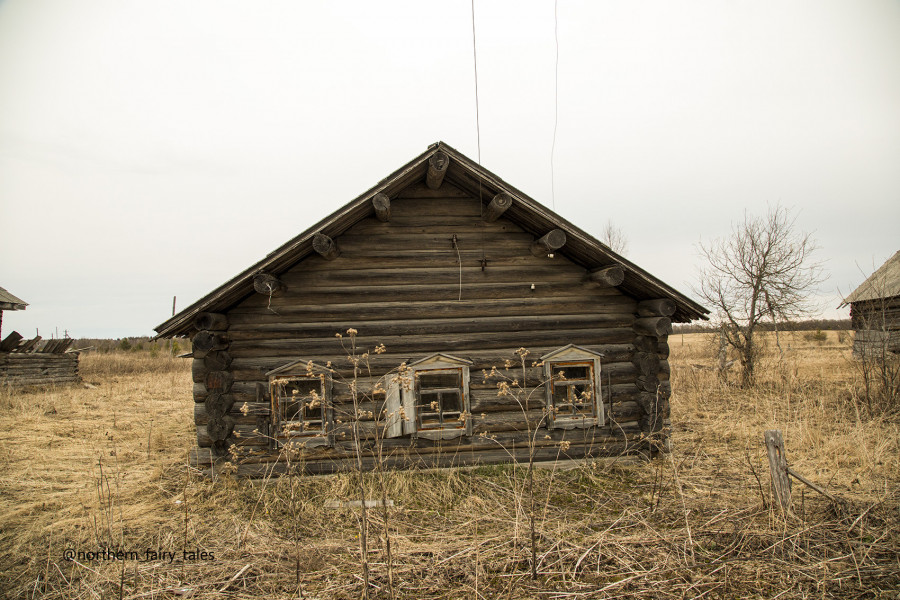
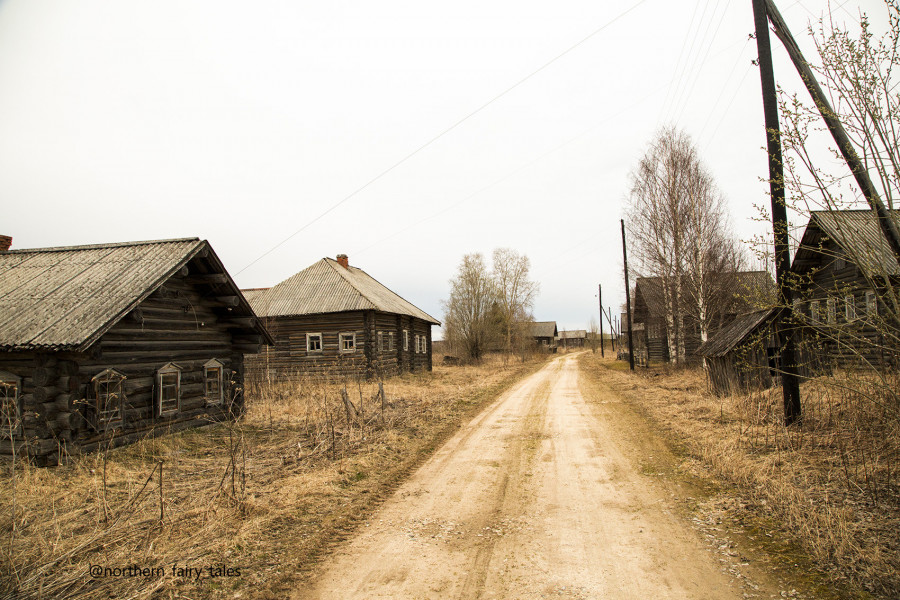
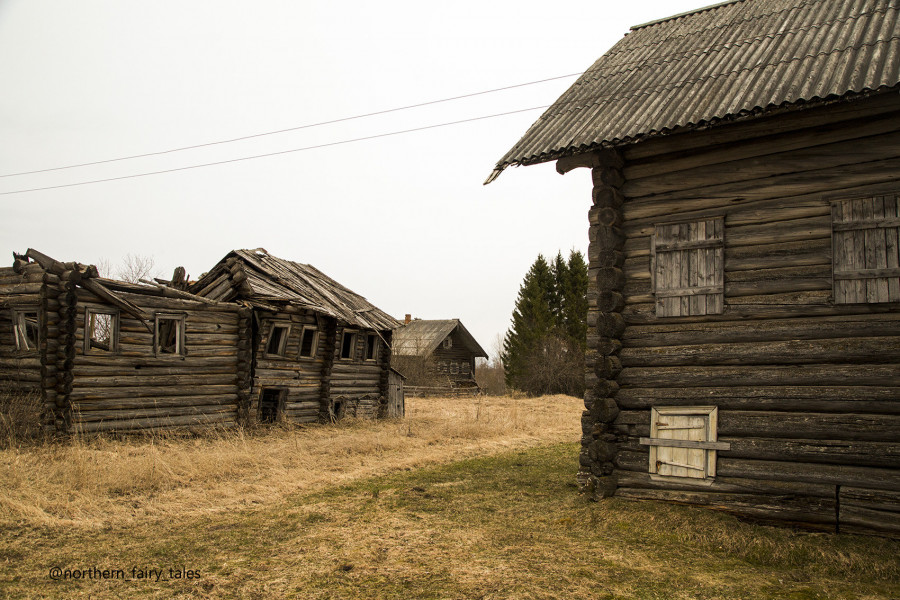
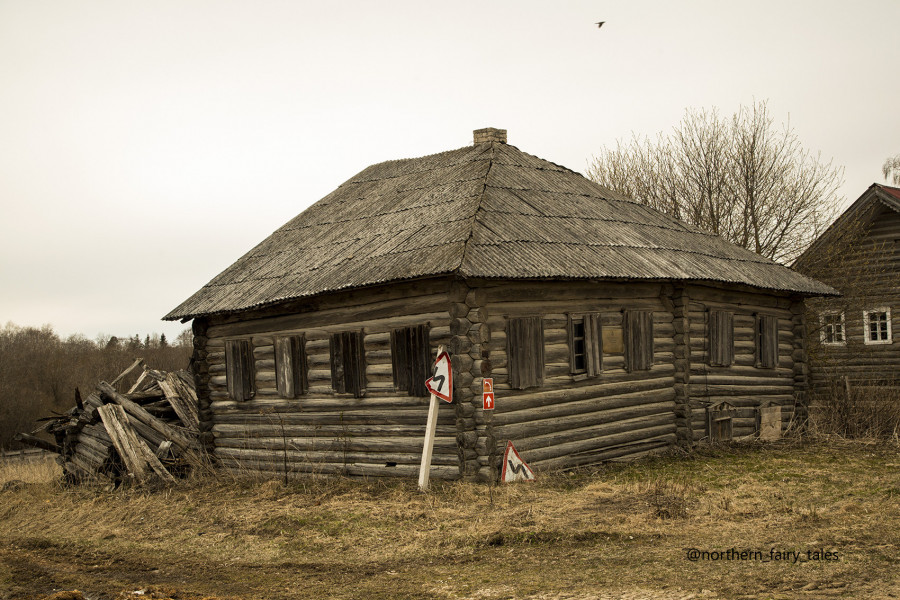
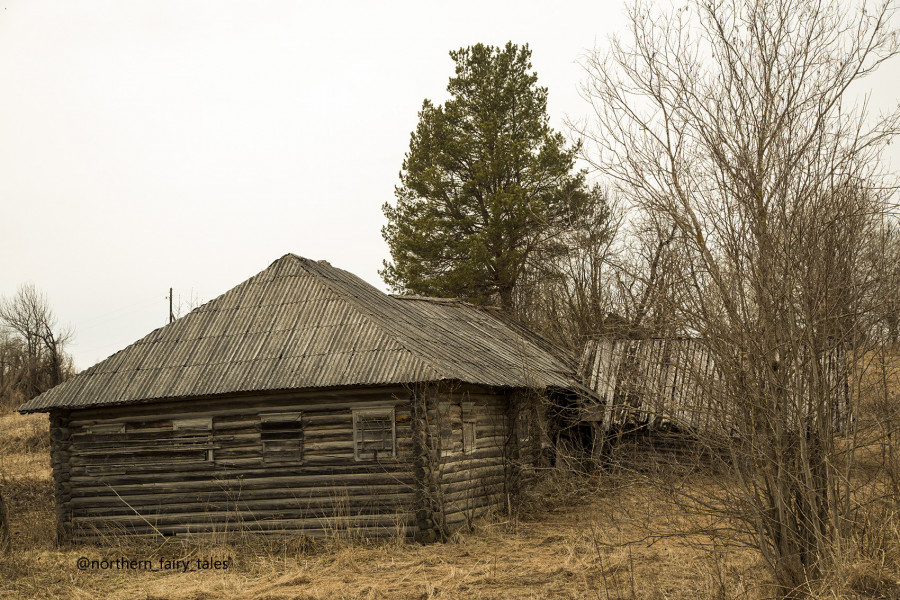
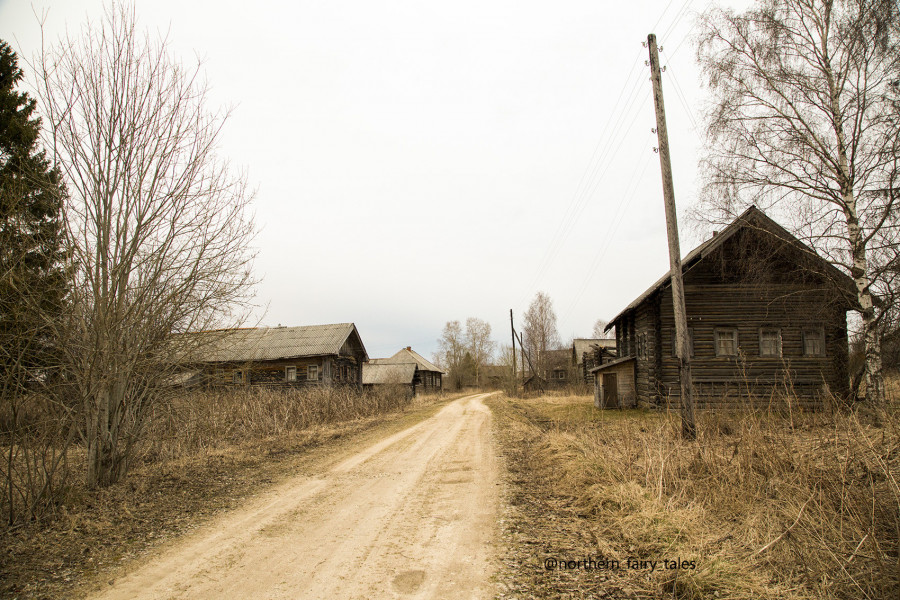
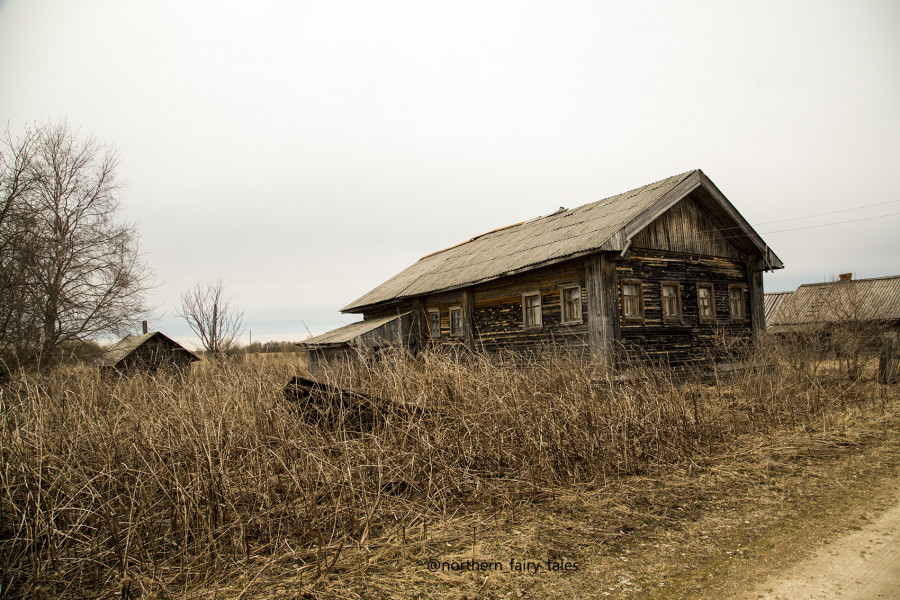
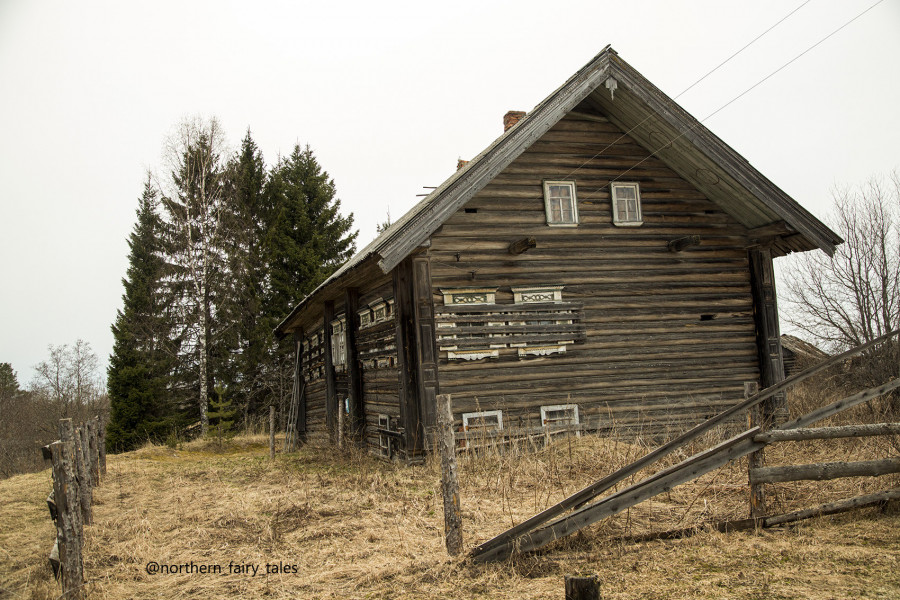
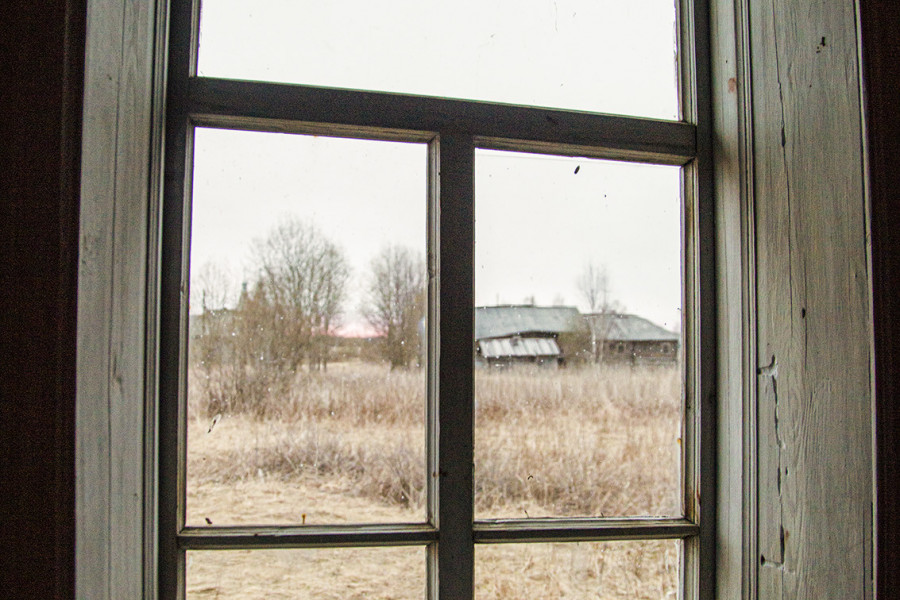
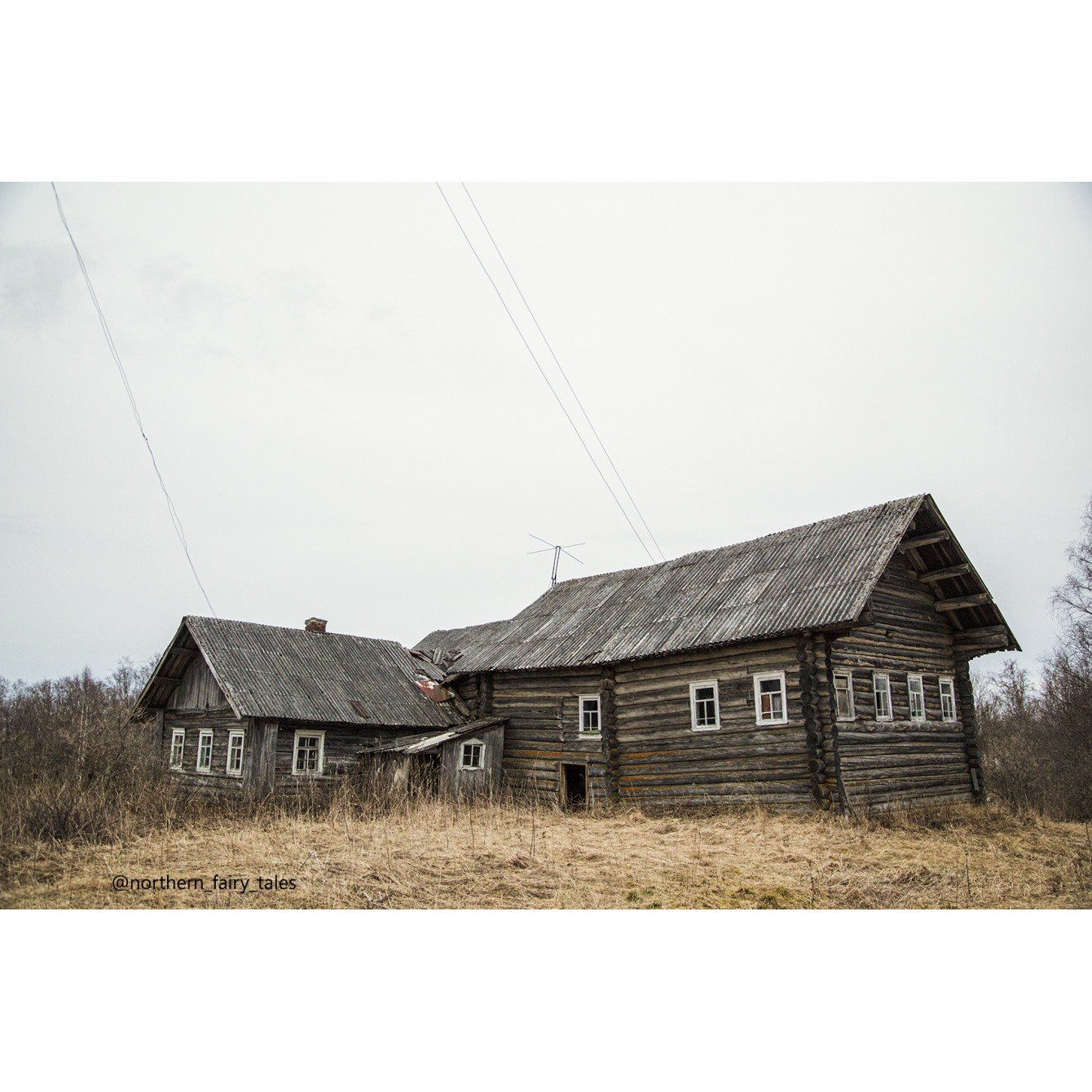
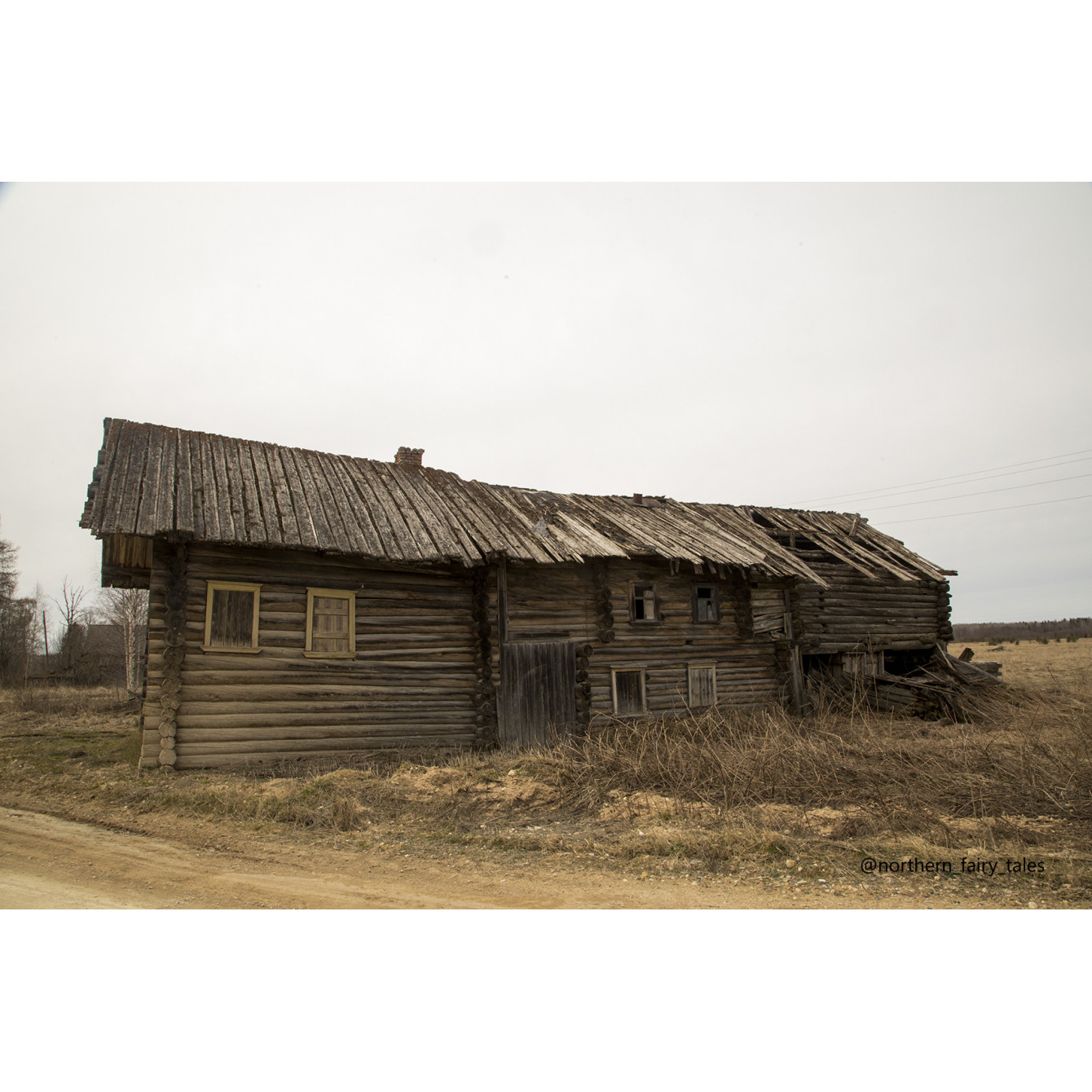
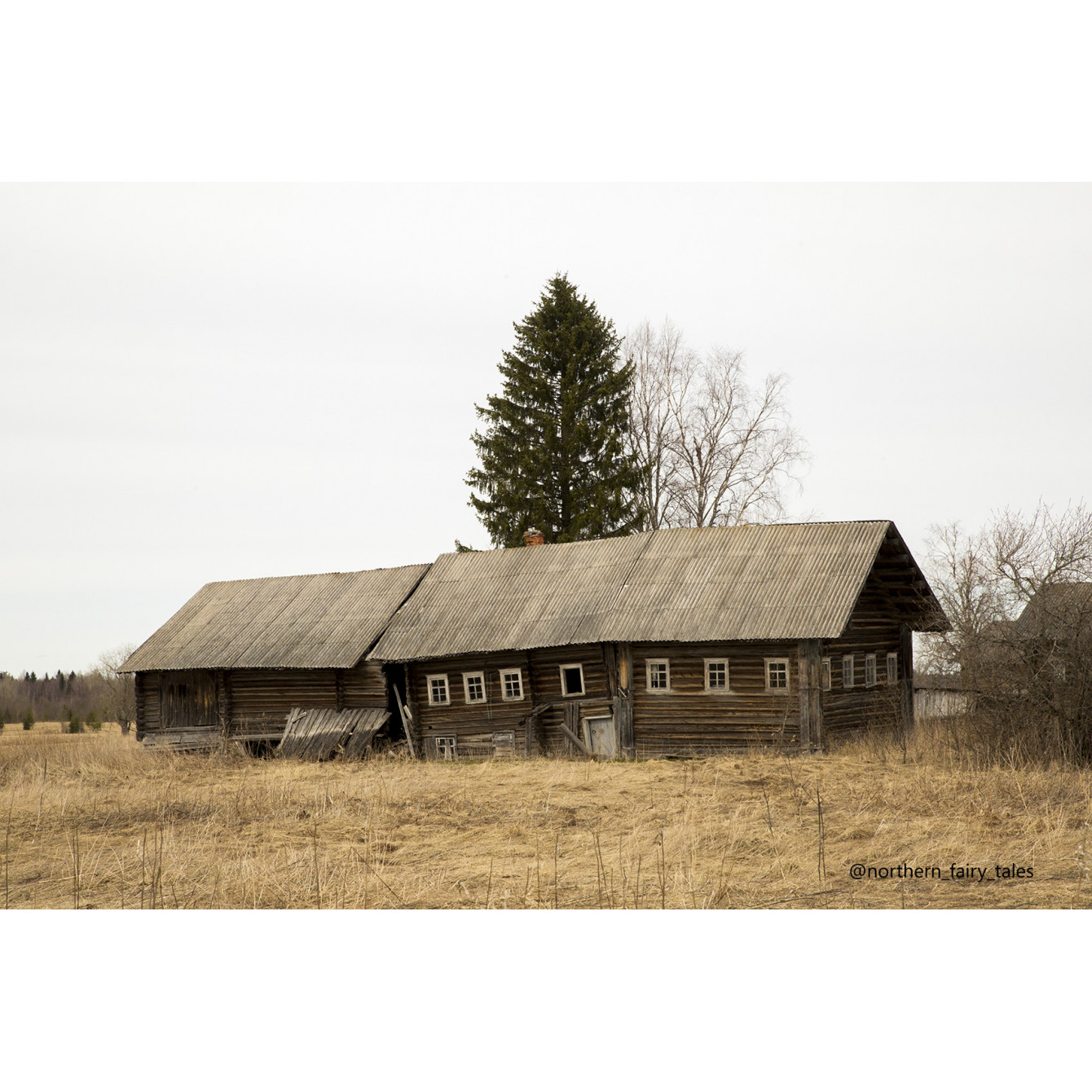
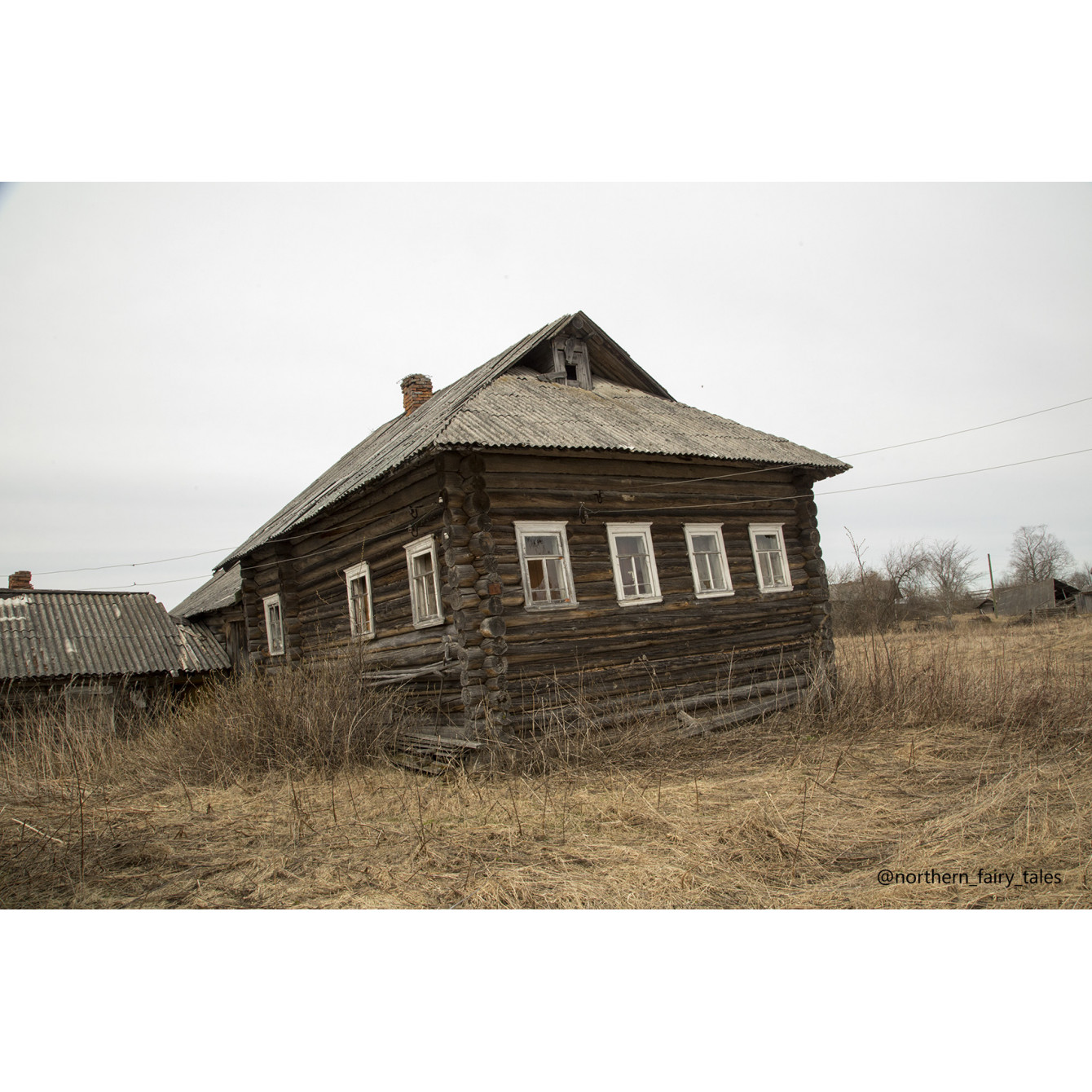
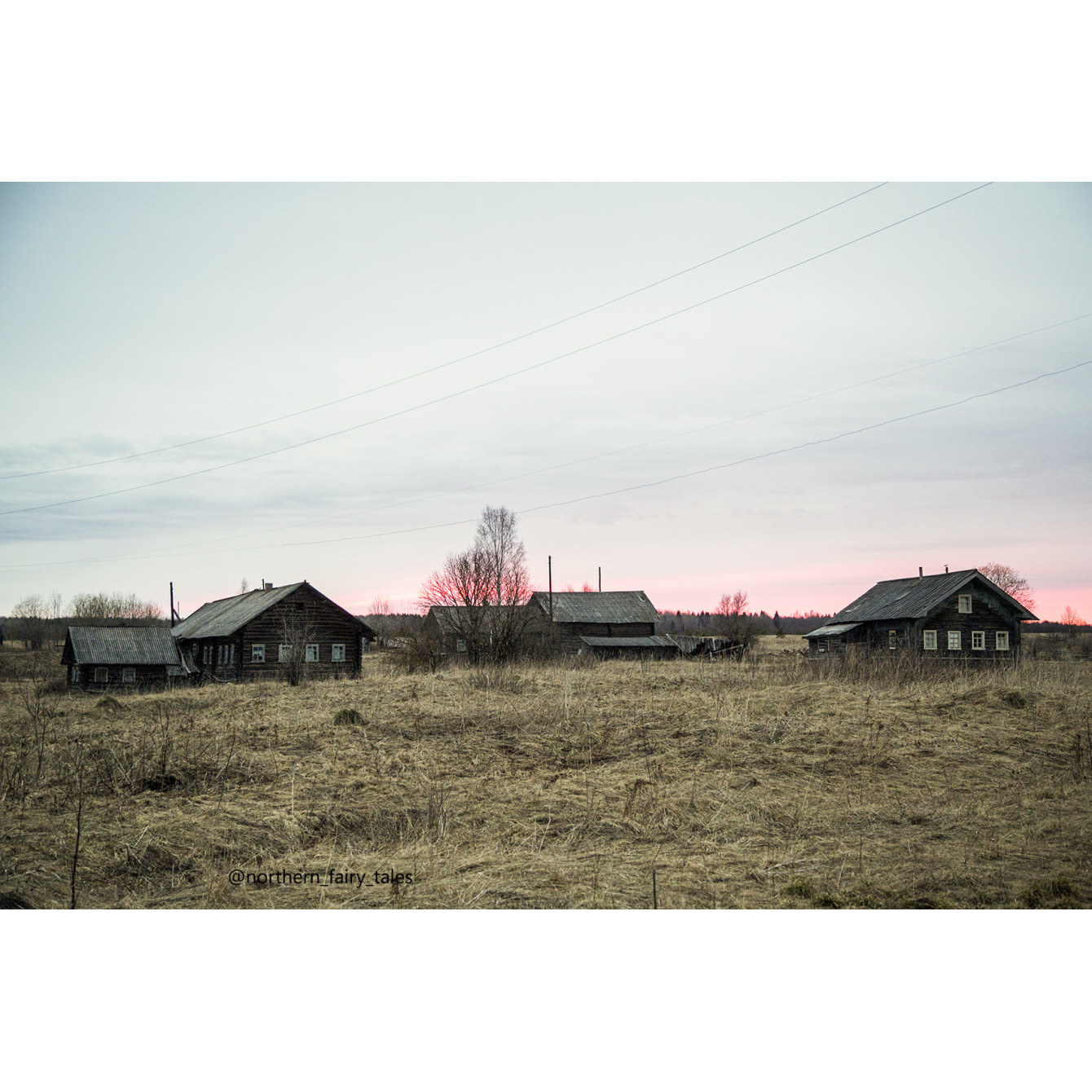
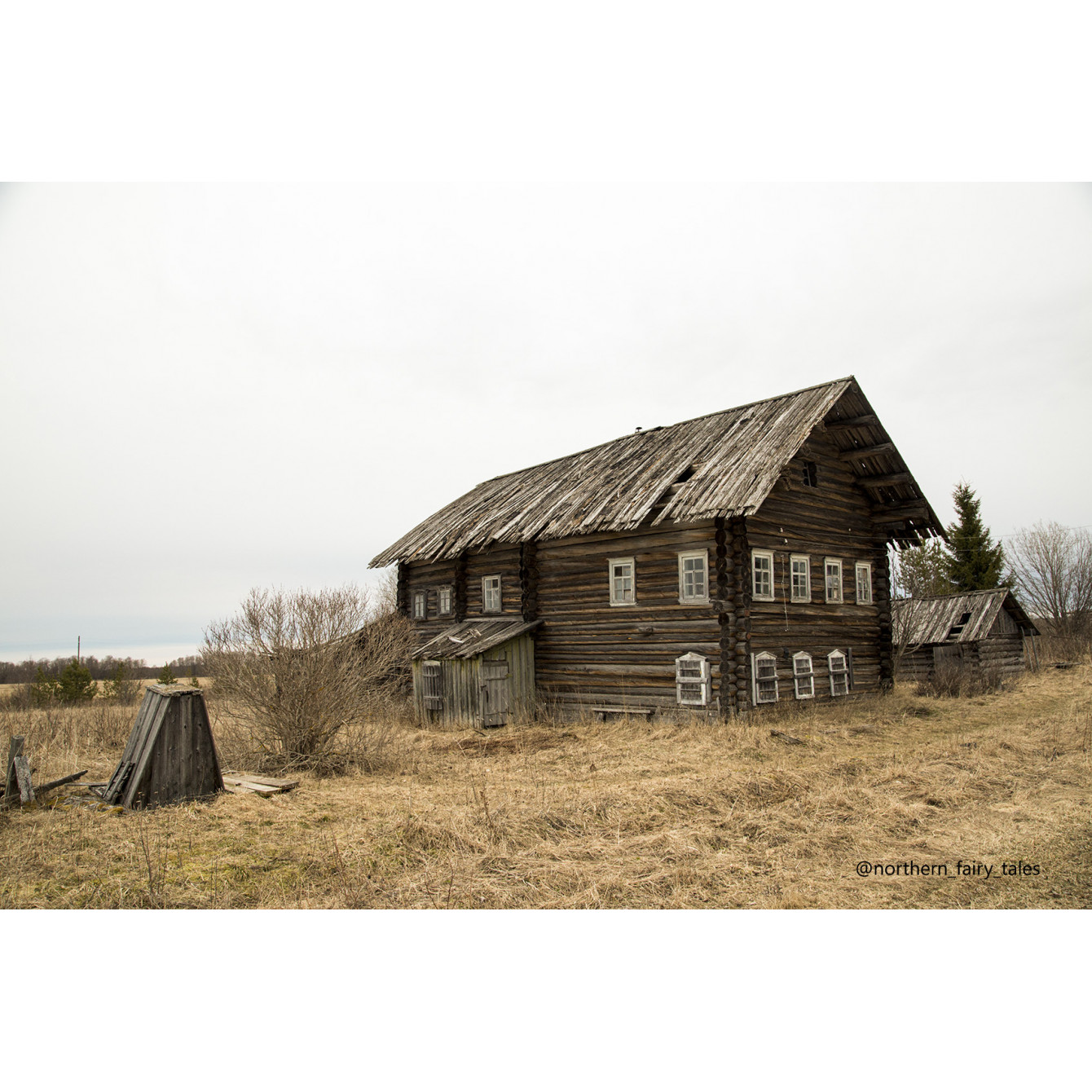
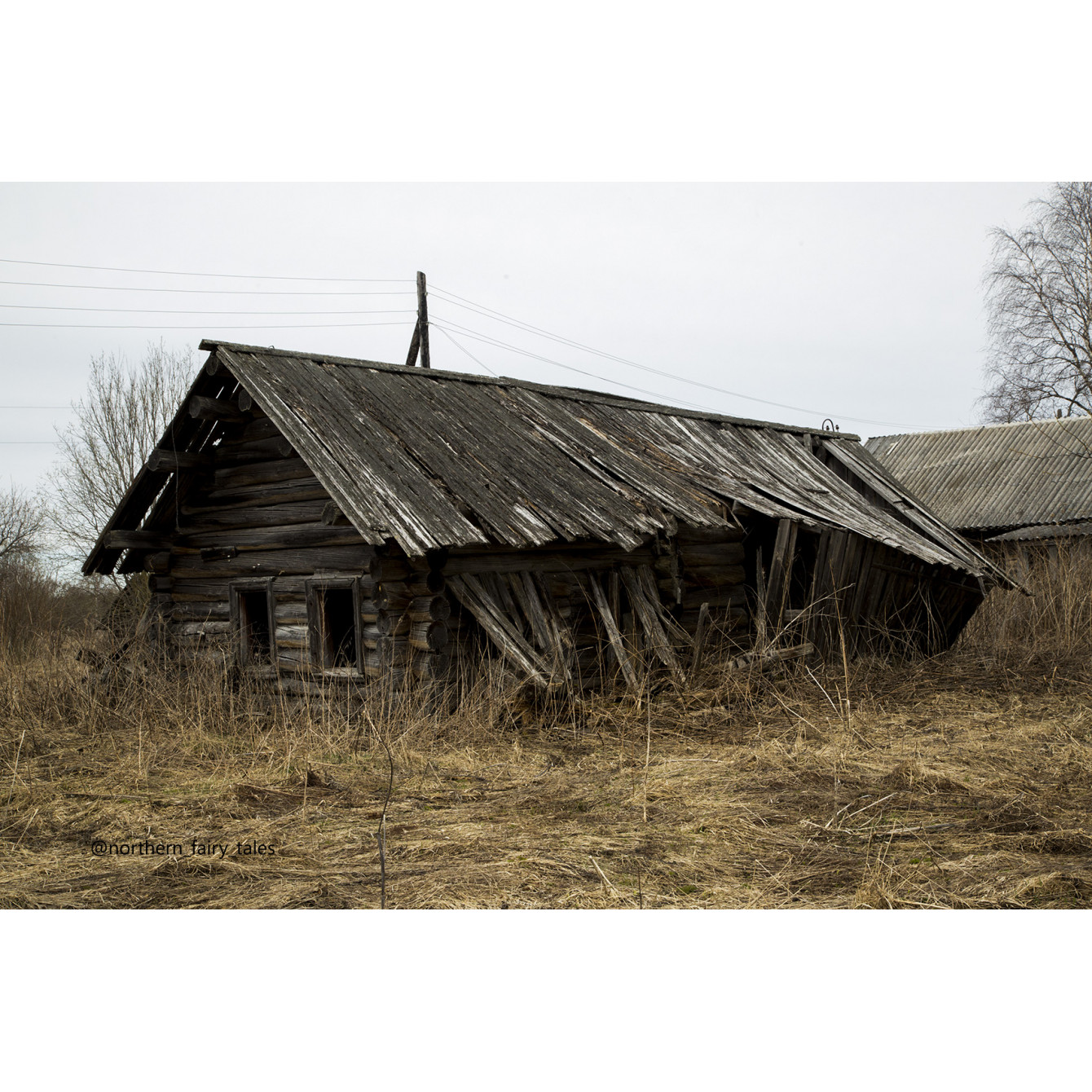
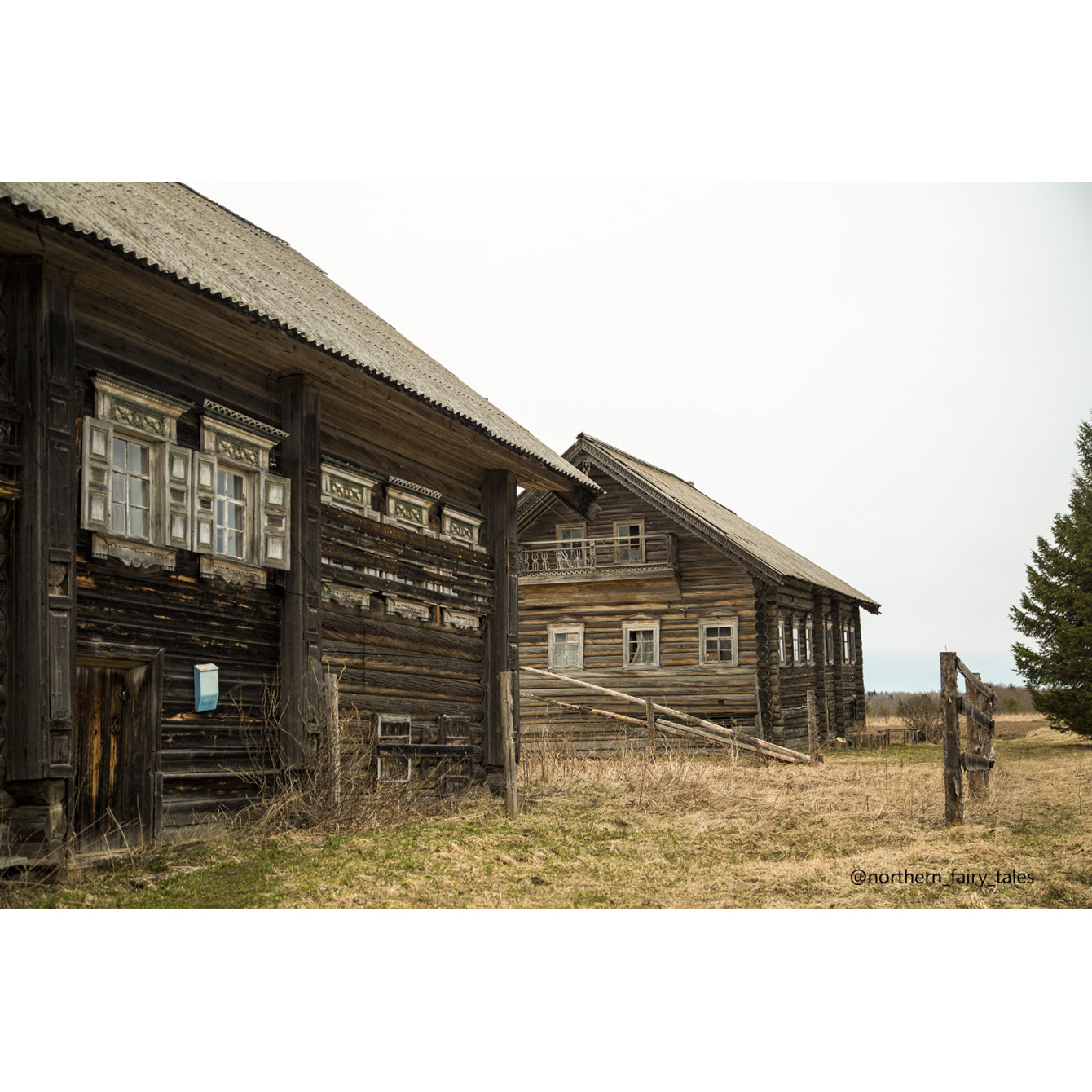
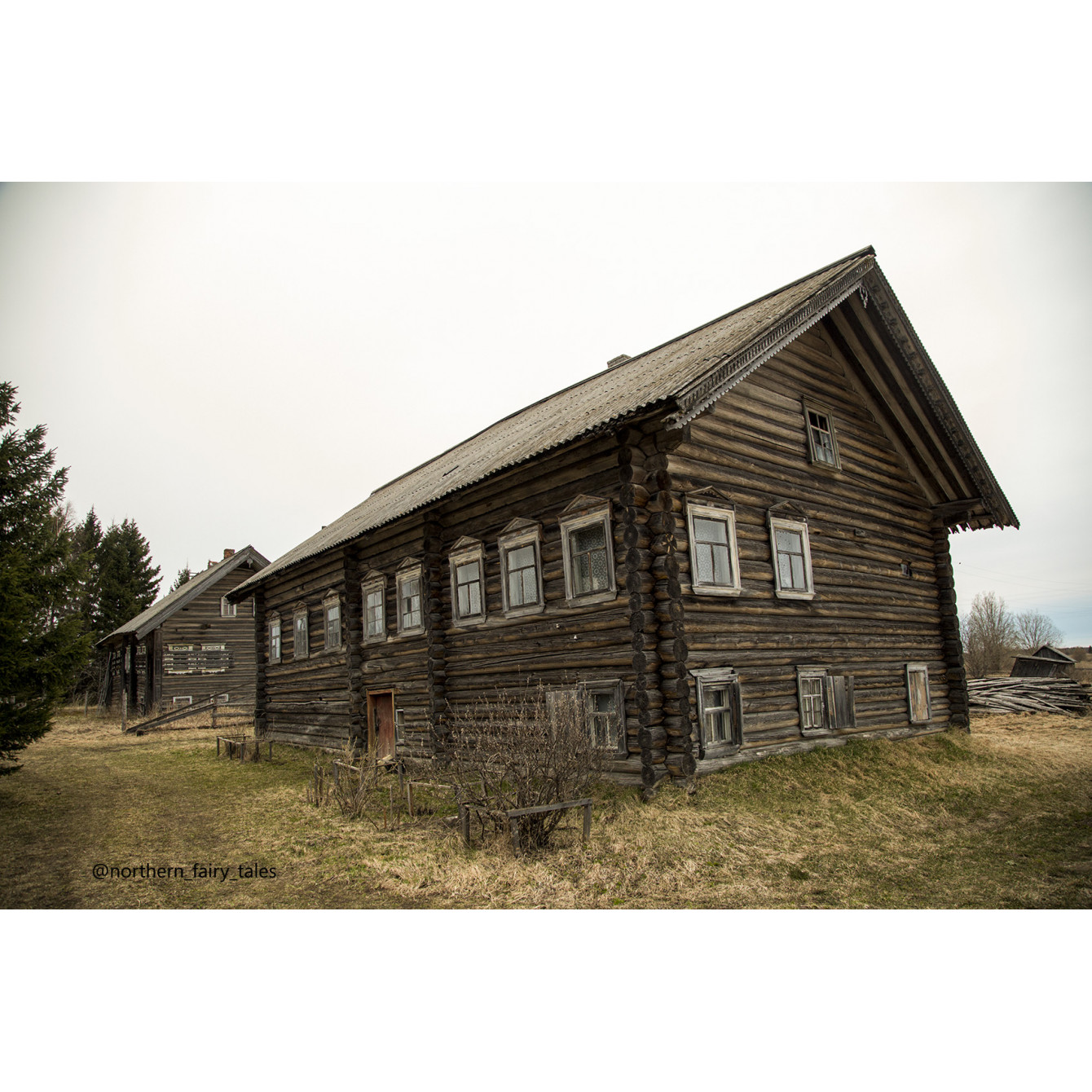
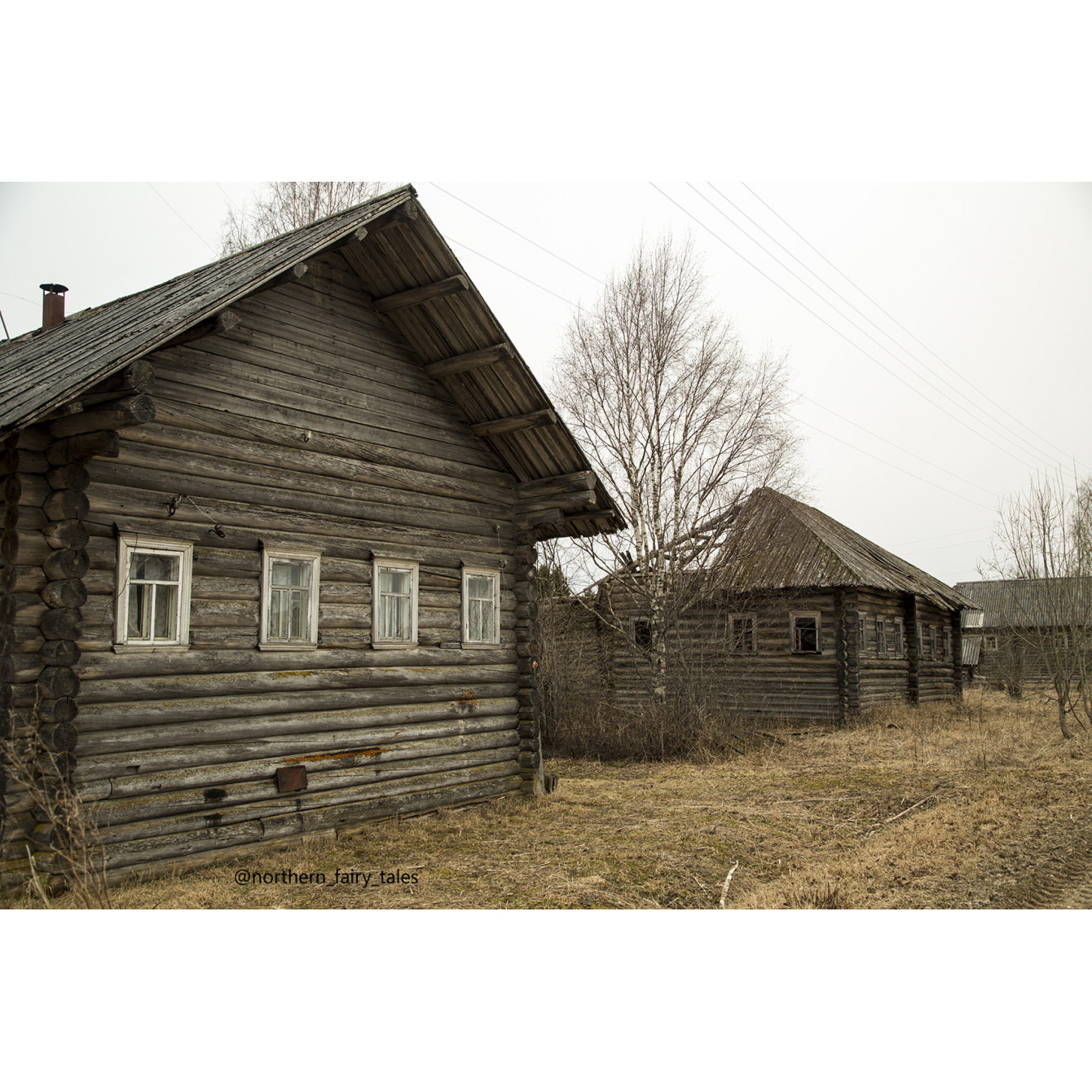
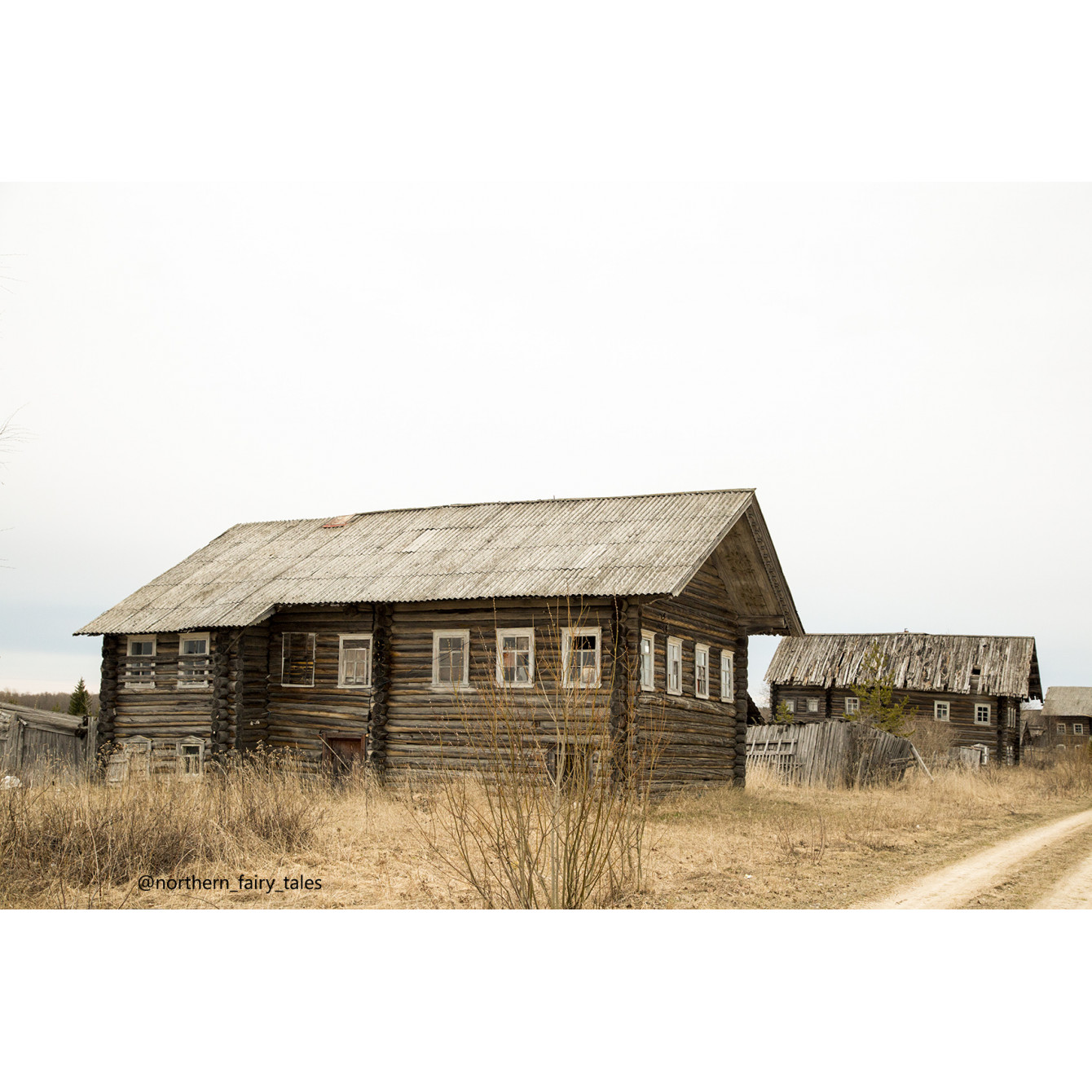
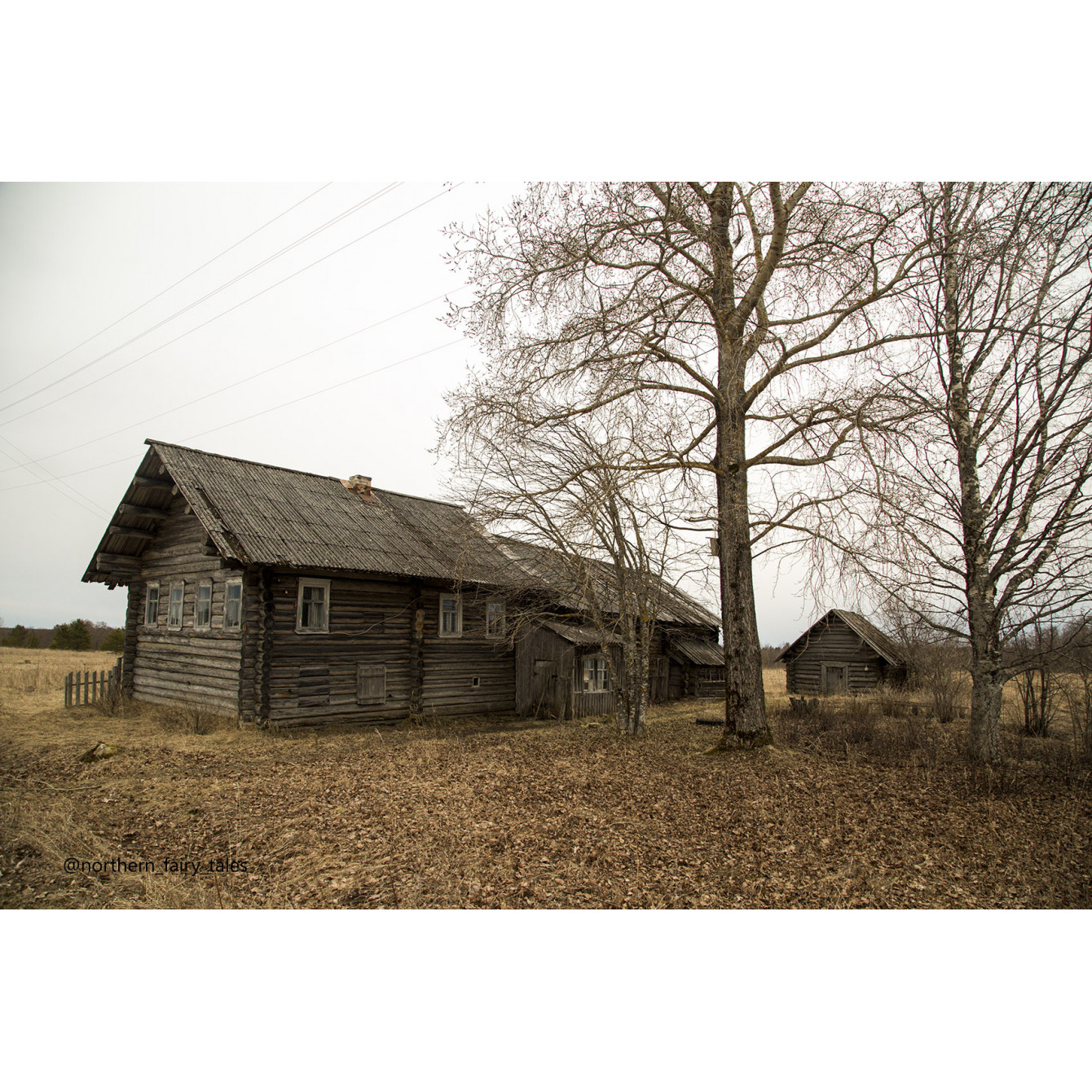
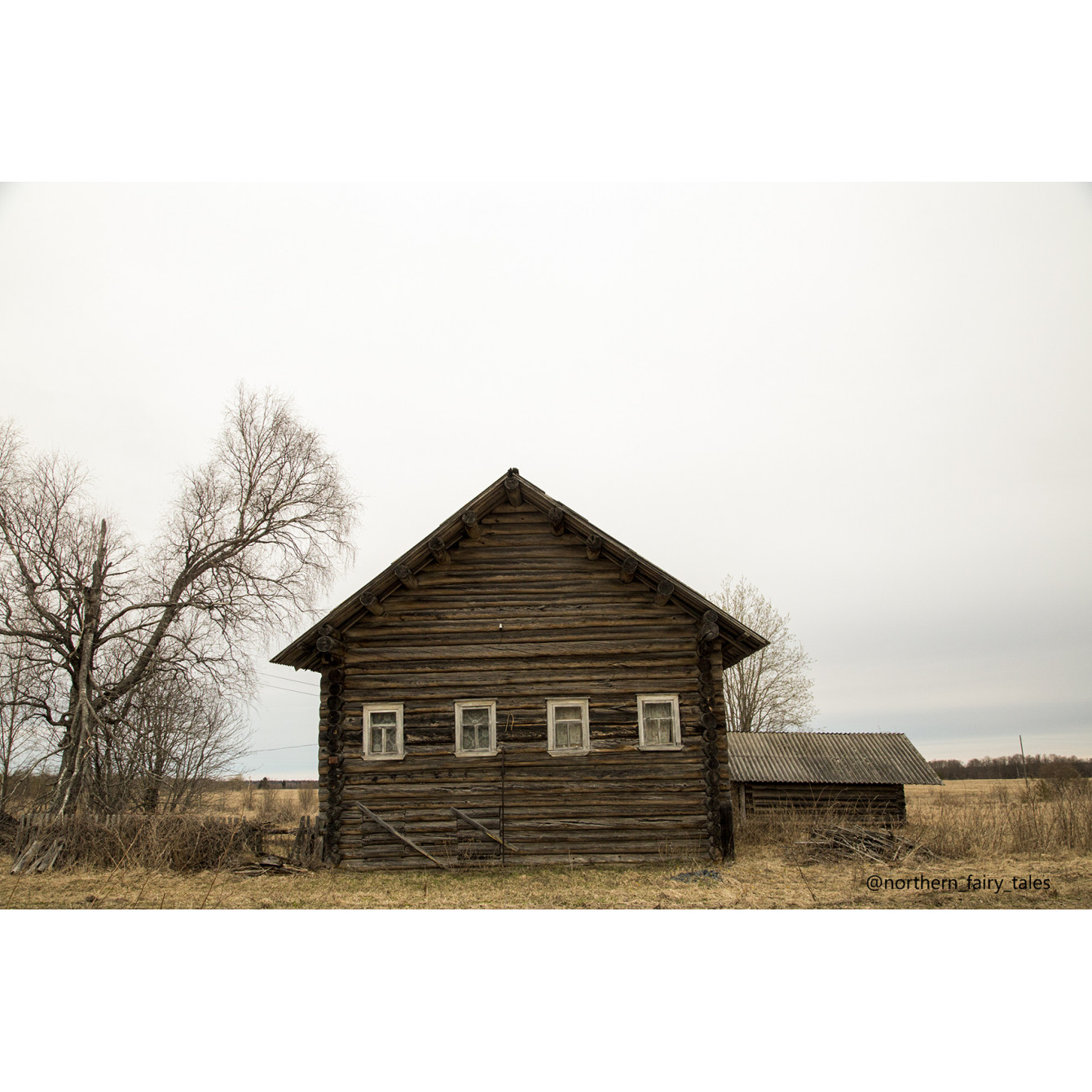
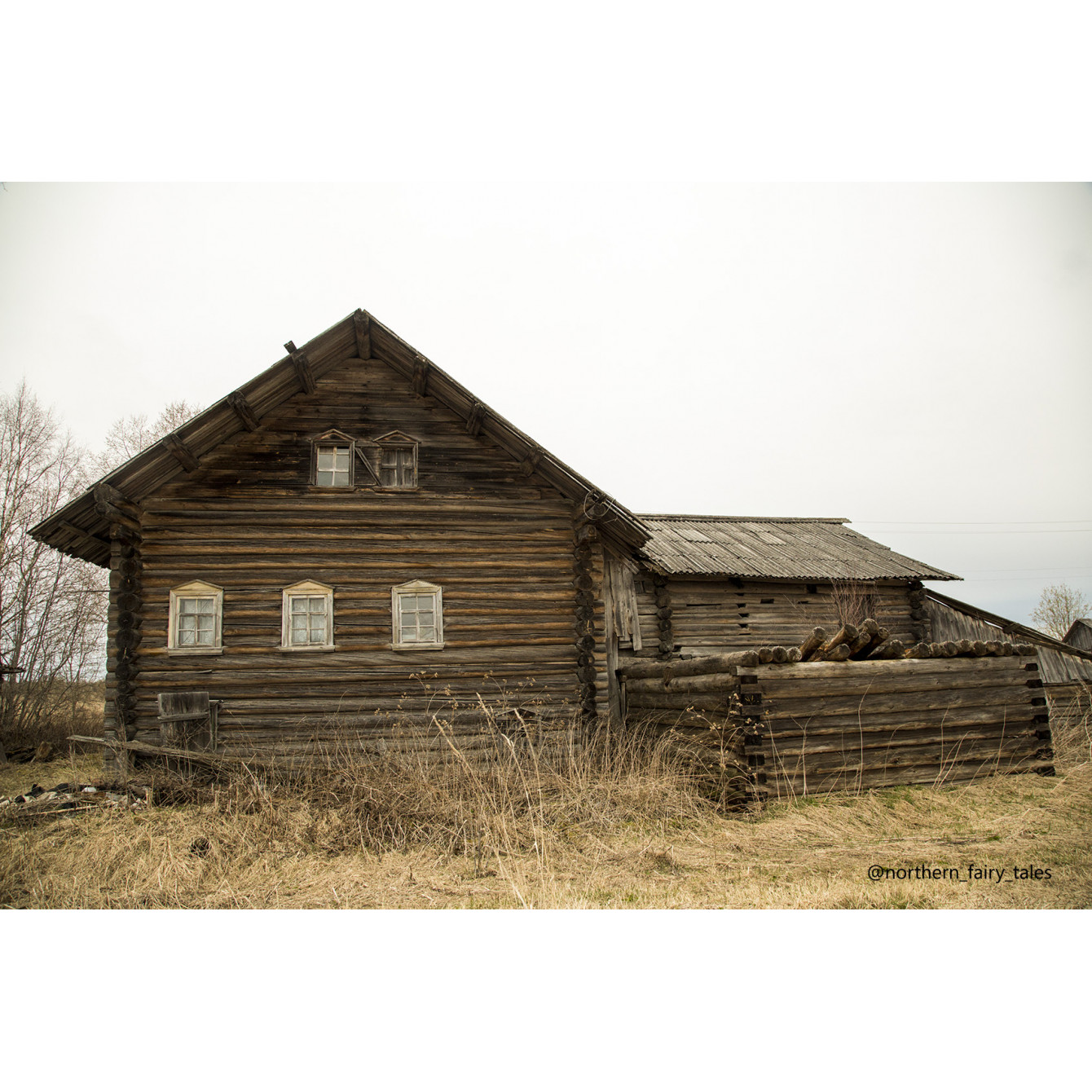
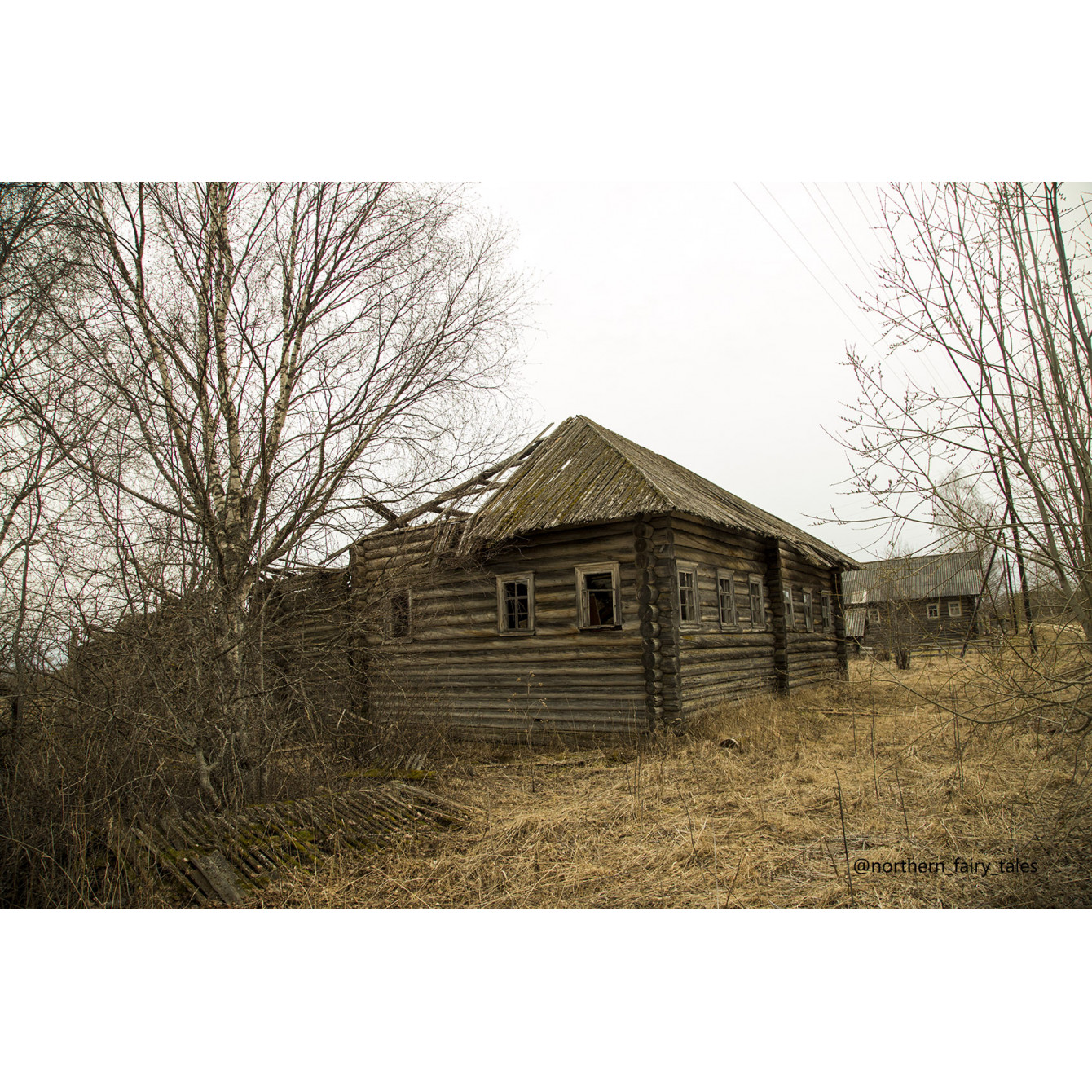
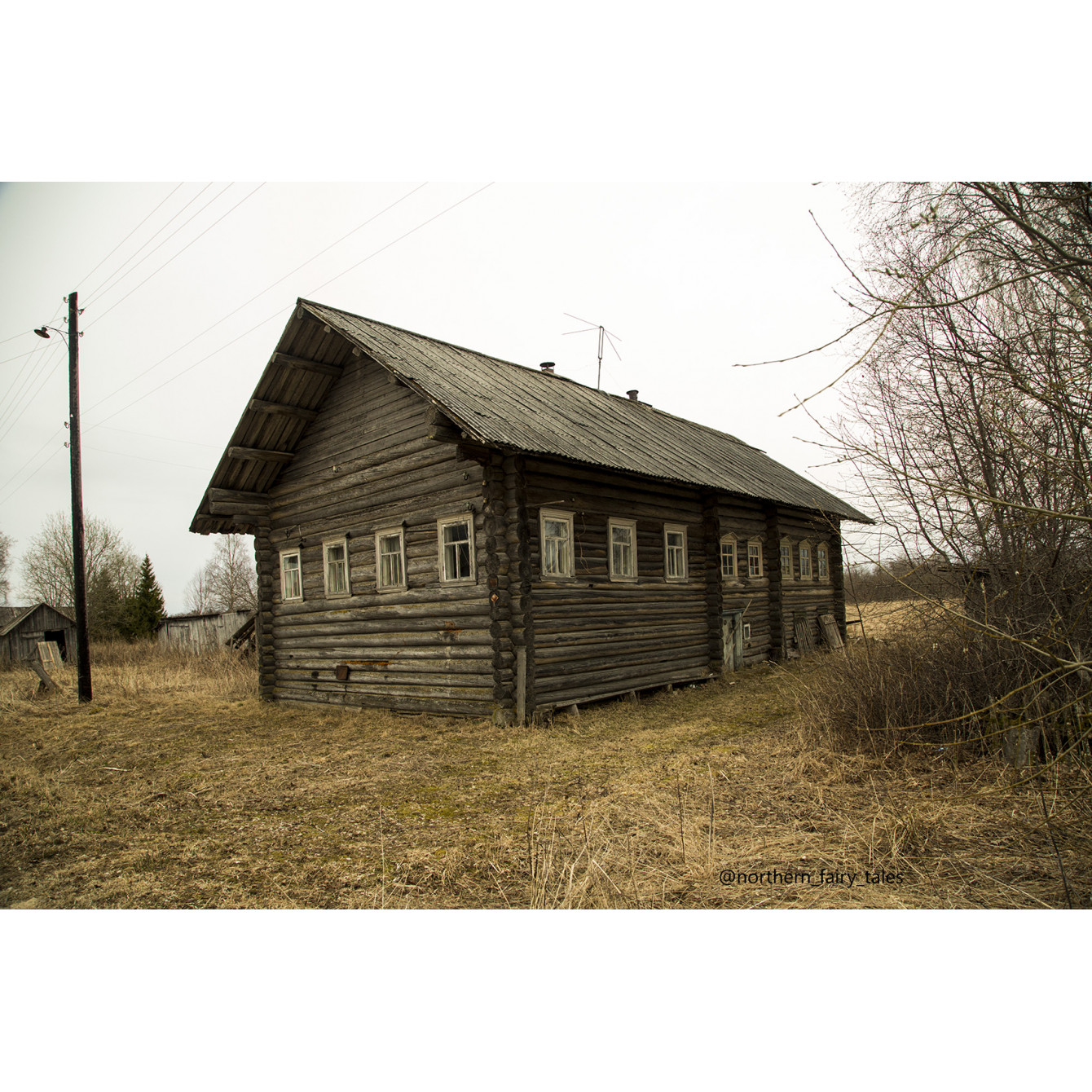
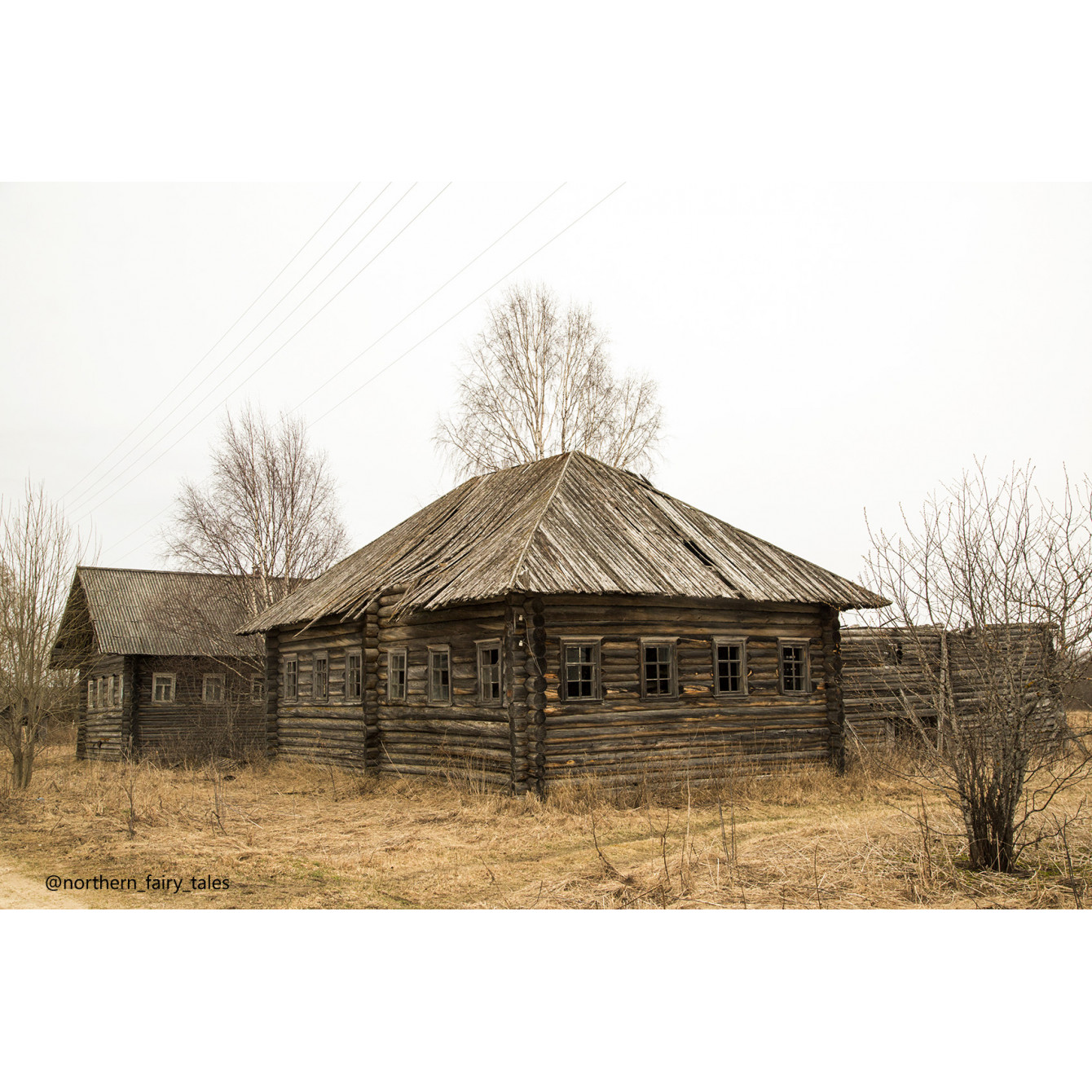
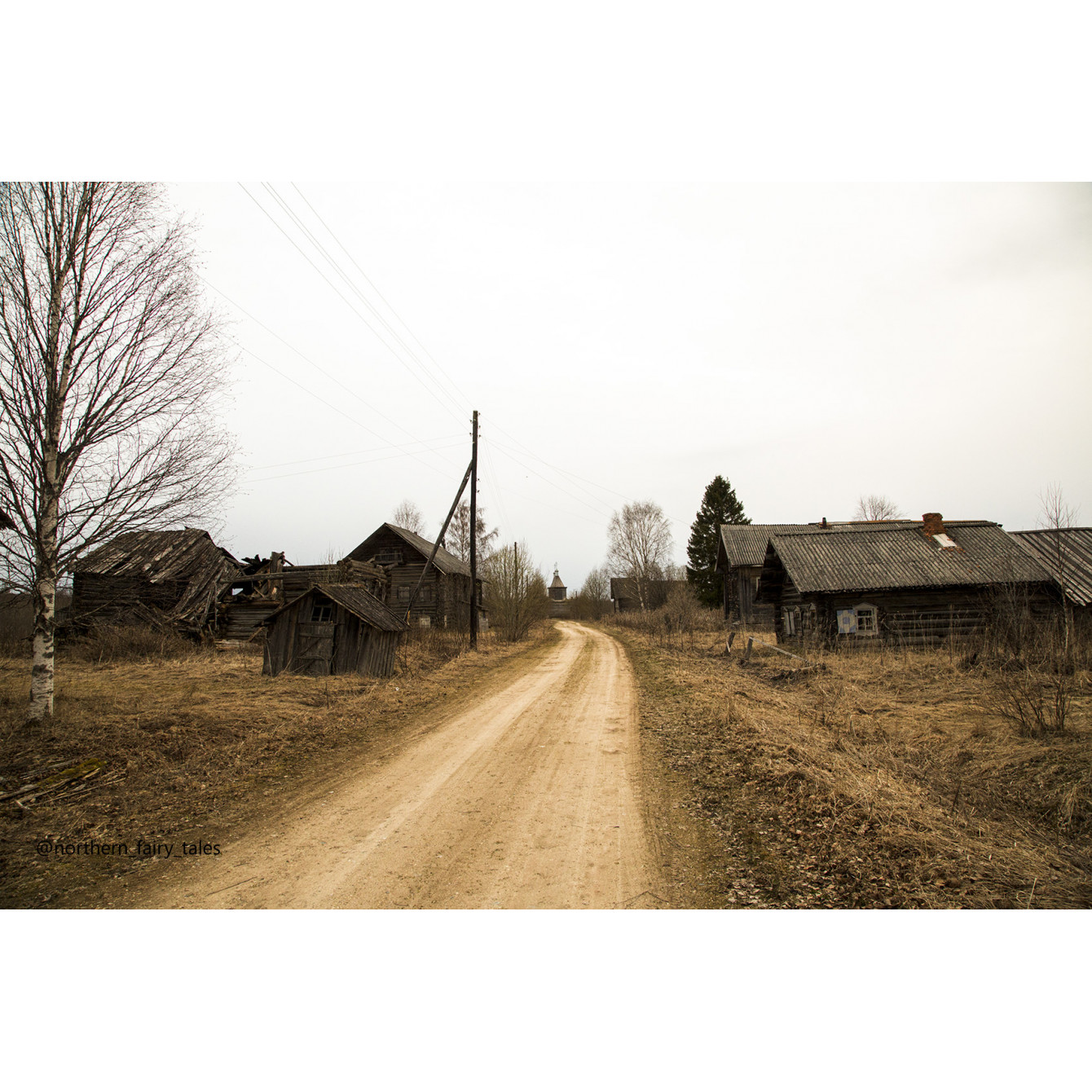
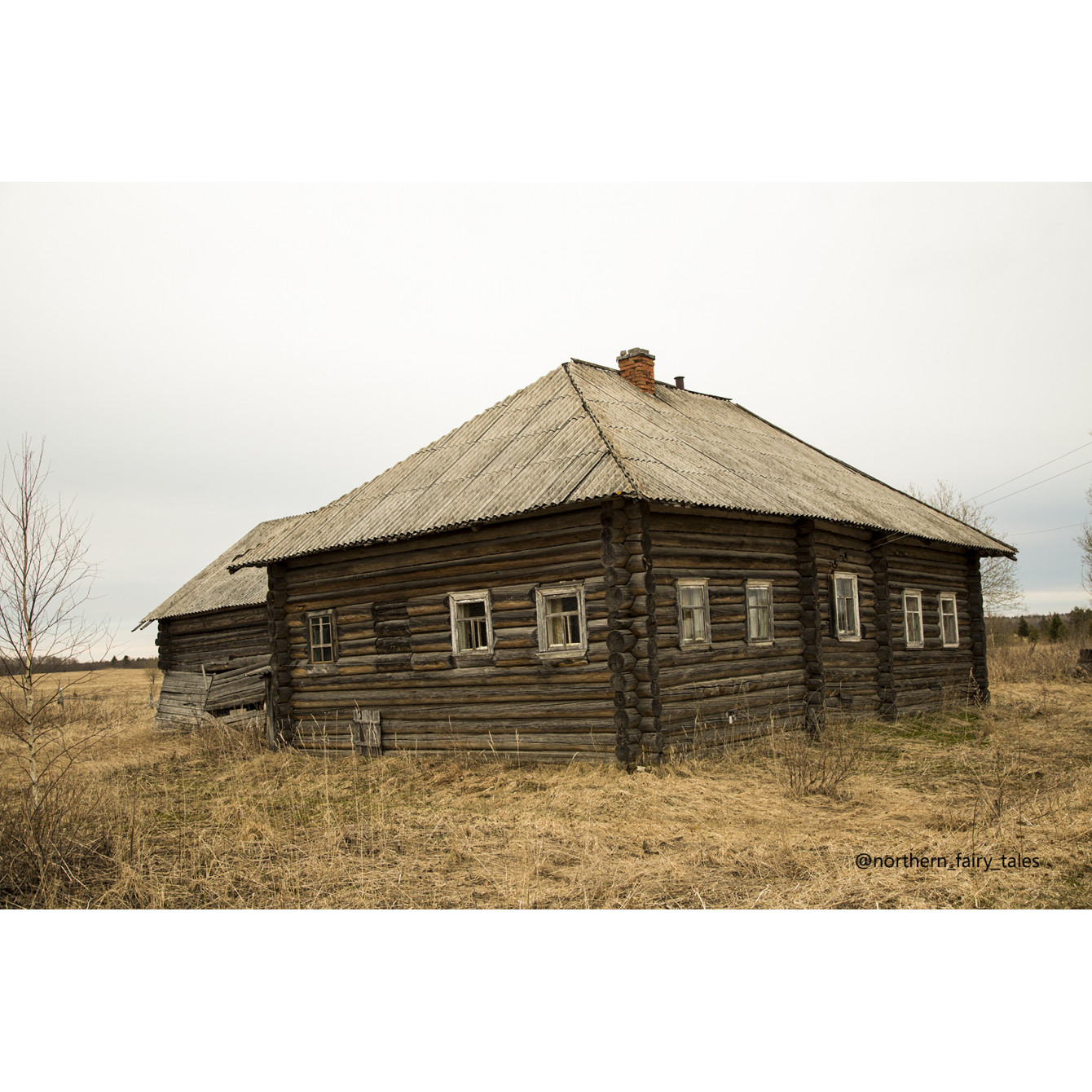
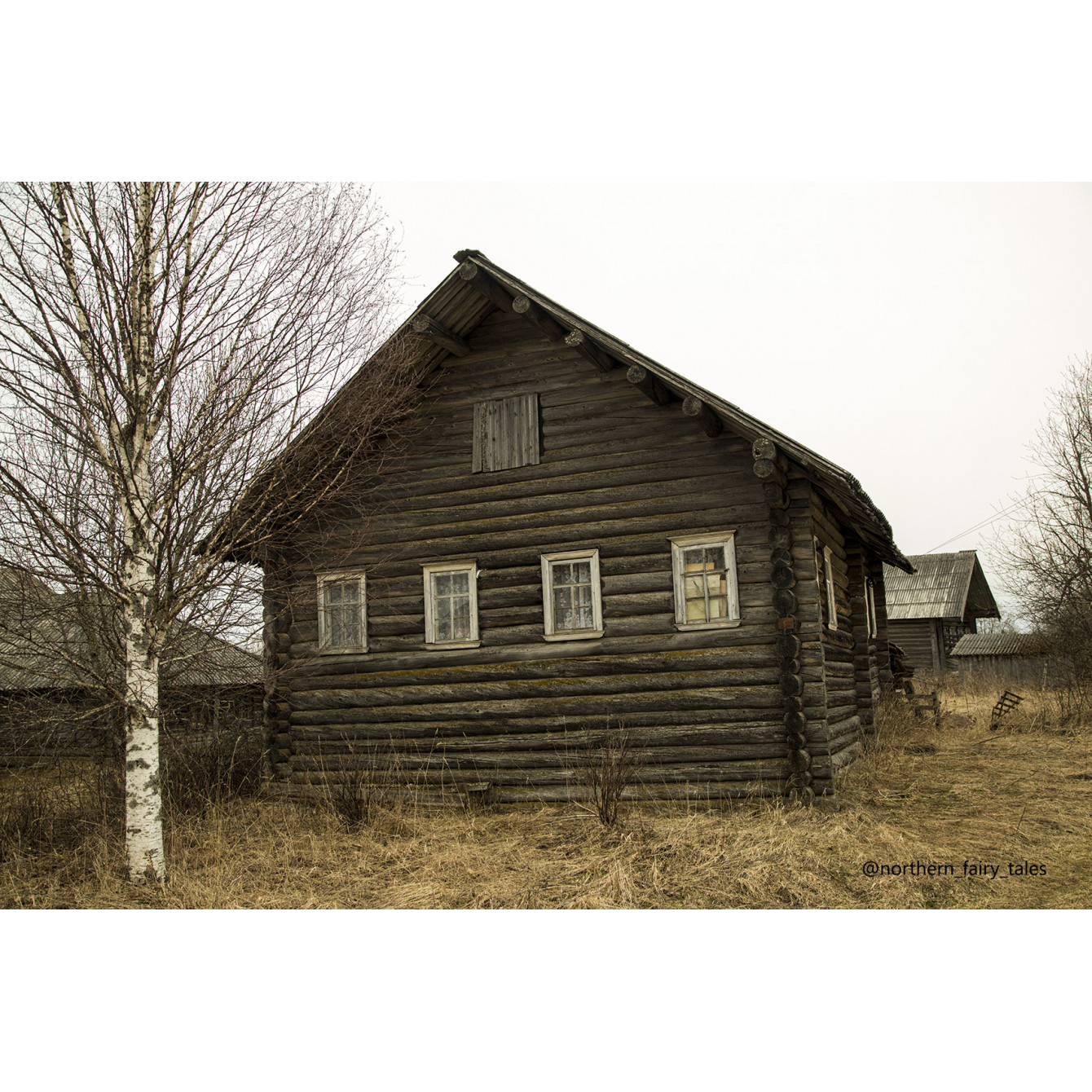
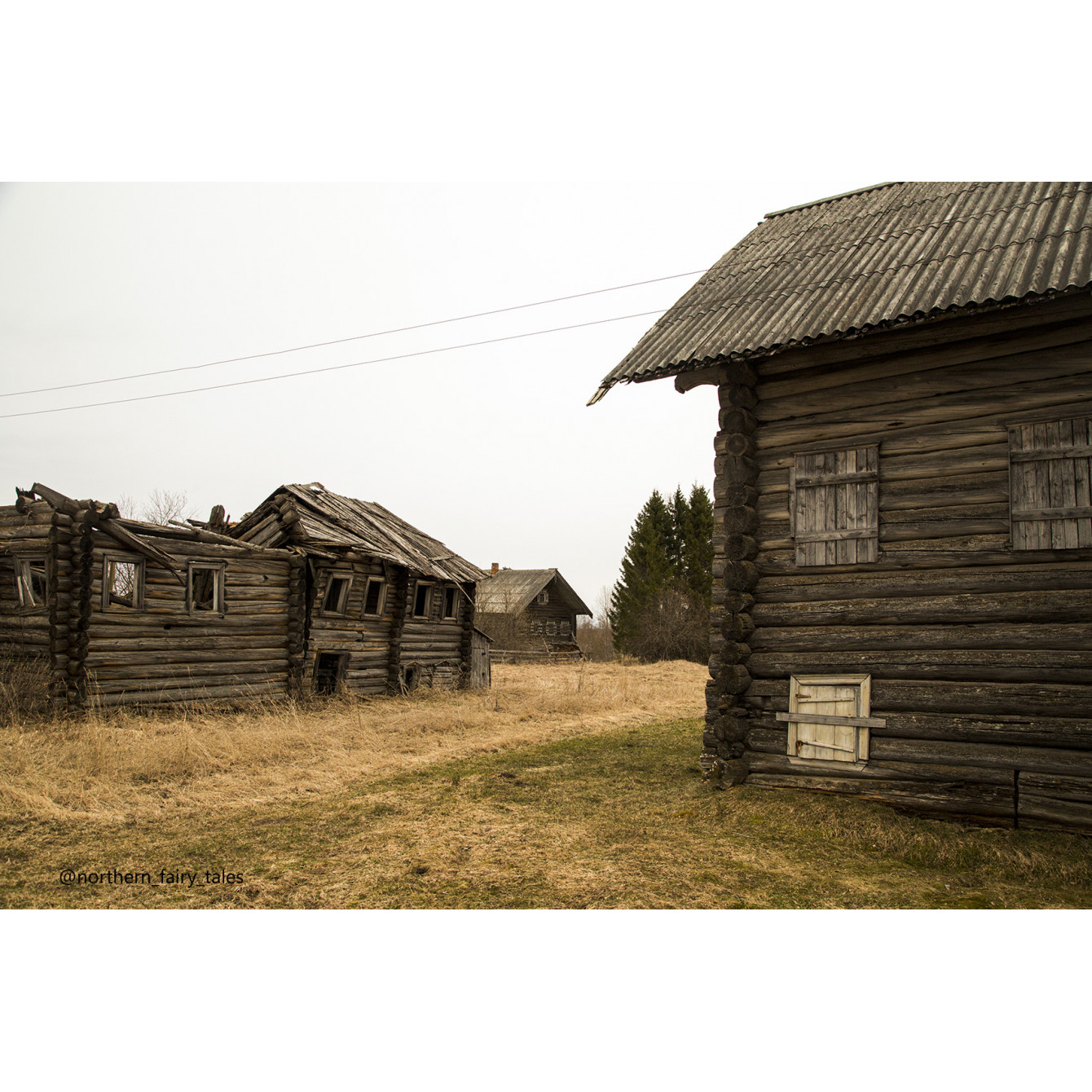
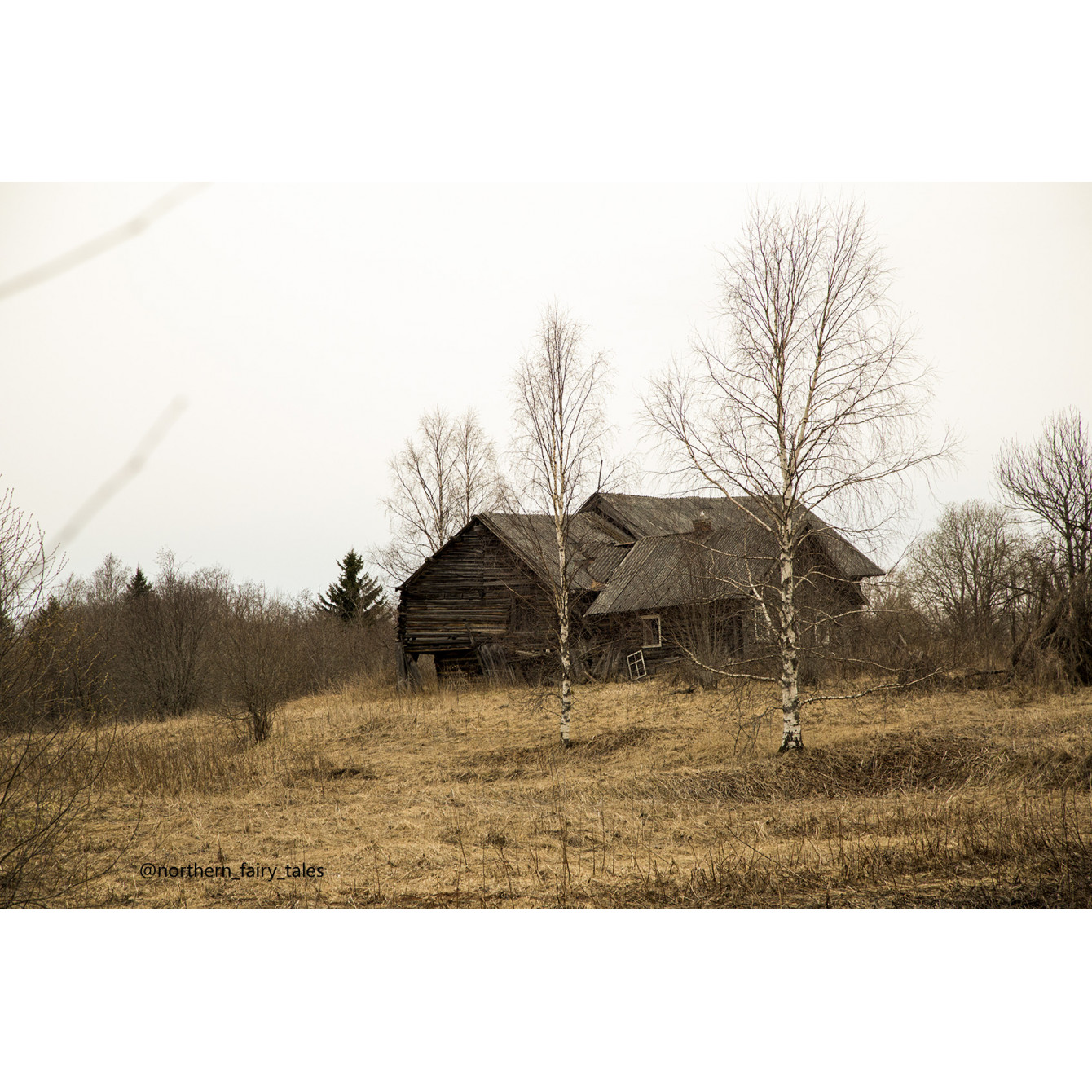
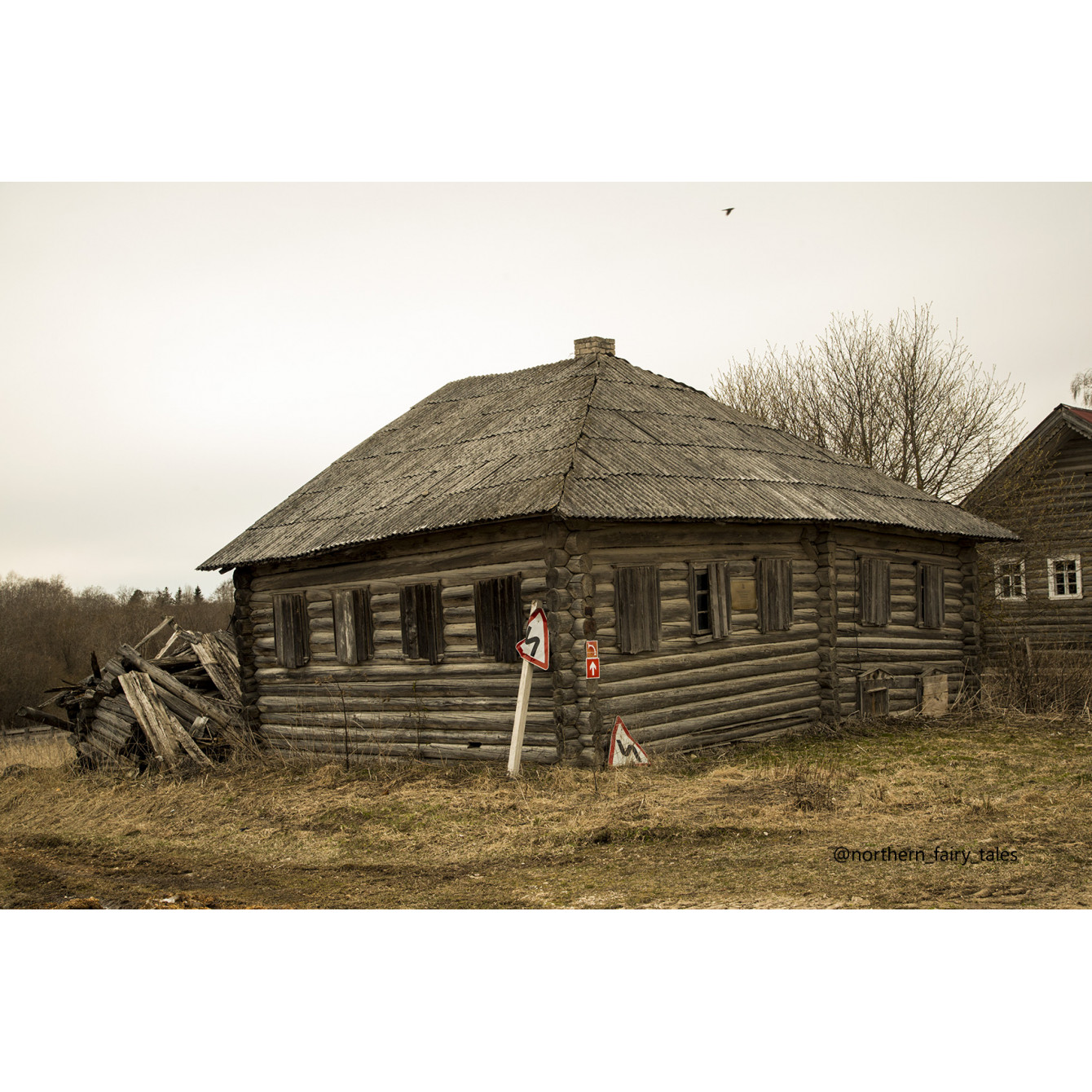
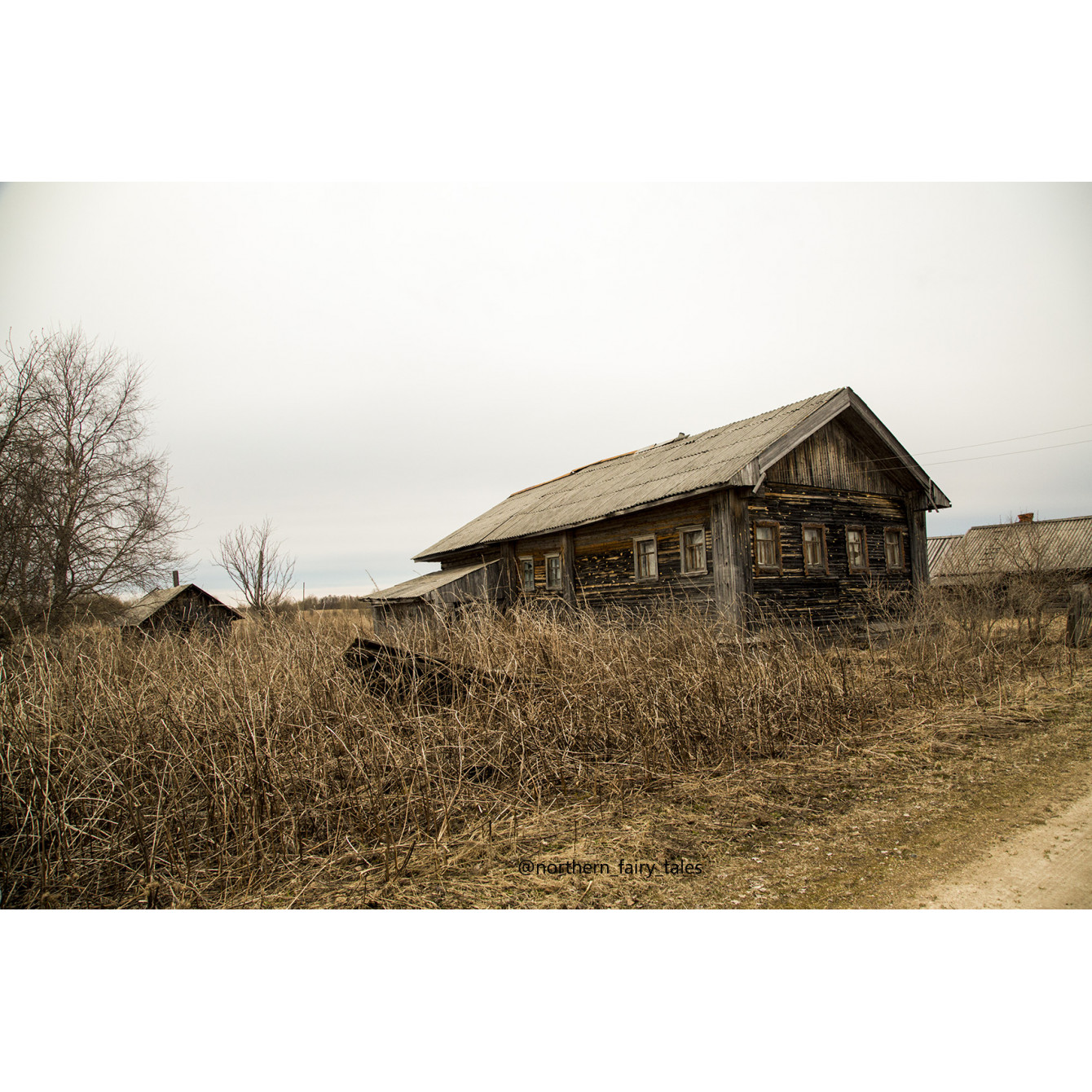
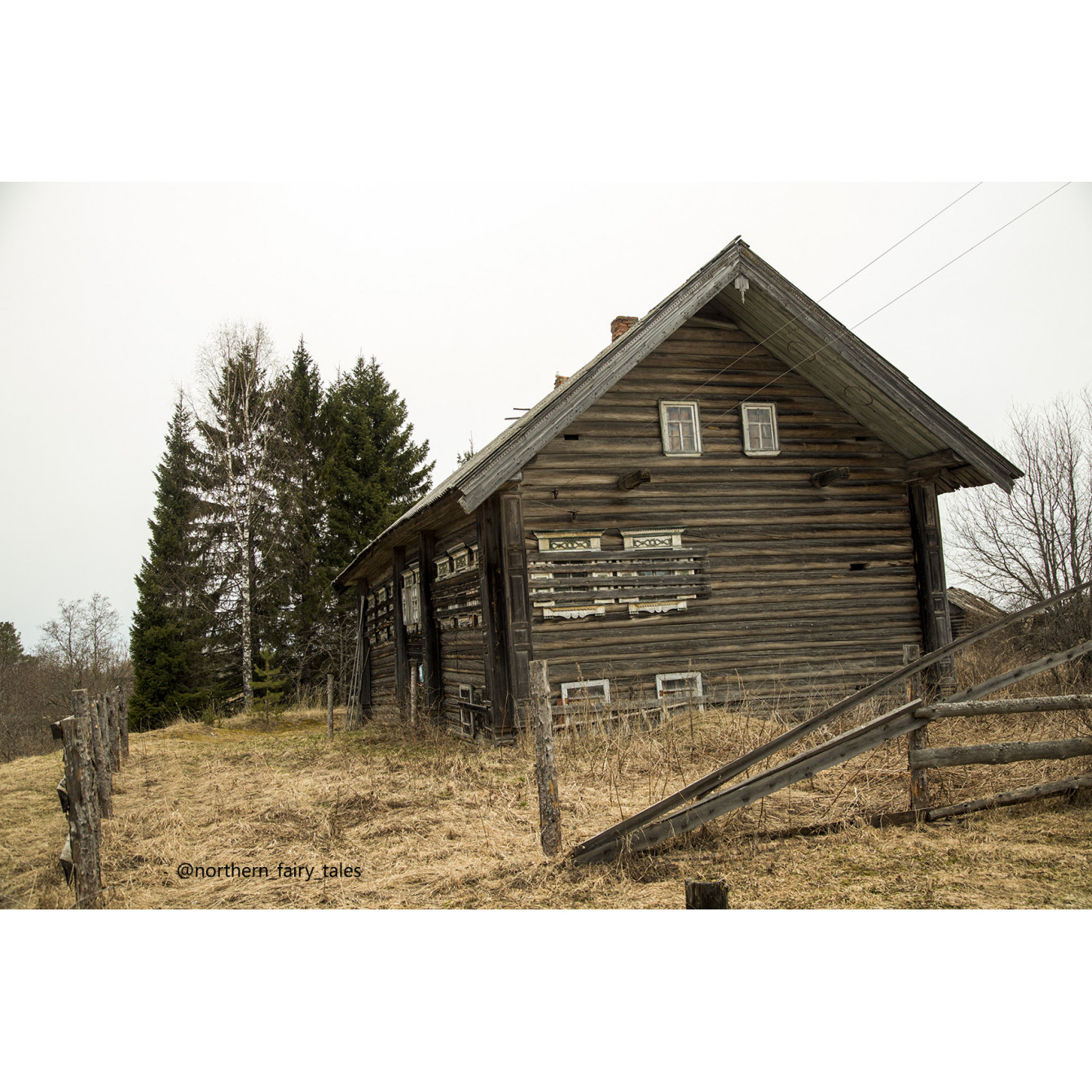
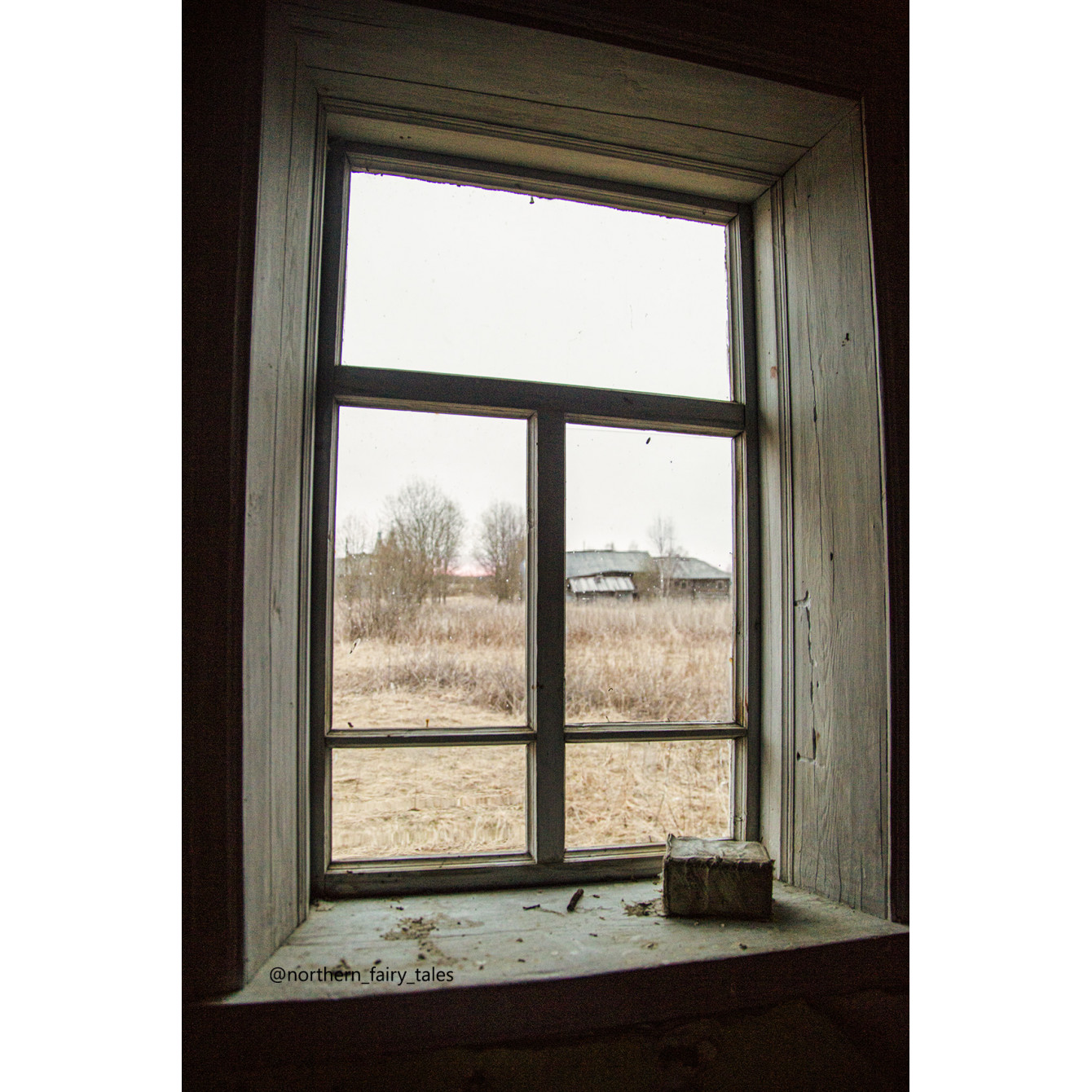
A small river called Khalui flows gently, joining the mighty Churyega, then vanishes underground: its waters seep into karst crevices, disappear from the surface, exposing its dry bed, which stretches far into the distance, overgrown in summer with grass and shrubs, before becoming a normal river again as it nears the forest. On this river, at that very spot, stands the ancient village of Khalui—a settlement of nearly fifty massive, blackened log houses, their many dark windows staring at any wandering traveler who happens by.
There is a local legend explaining this vanishing act. Long ago—no one knows exactly when—a barefoot, penniless wanderer passed through the area and entered the village of Khalui. No one knows what he wanted: perhaps just a drink of water or a place to sleep, or maybe he intended to found a monastery. But the elders drove the vagabond away. As he left, he turned back and said, “You shall live by the water, yet without it,” then stamped his foot on a stone, leaving his mark. From that moment, the water began to disappear, and the people of Khalui lived neither well nor ill—just endured.
So the legend says. Its main character—the barefoot wanderer—is none other than Alexander Oshevensky, a famous saint of the Russian North, a righteous man, a monk, and the founder of a monastery. But you won’t find this tale in the hagiographic accounts of Alexander’s life—it’s not there. Stories like this belong to the folk unconscious, which still generously spawns narratives reaching back into the darkness of bygone eras—into the realm where memories of the true Saint live on: a figure both pre-Christian and sacred, a being of primeval power who can not only bless but also curse.
This legend has forever colored the relationship between the neighboring villages. “Unclean,” they said, “some sort of slaves moved in there,” is how the people of Oshevensk spoke disparagingly of the folk of Khalui. It’s wonderful that such a living piece of the past still exists, not just in books but in the minds of the people themselves.
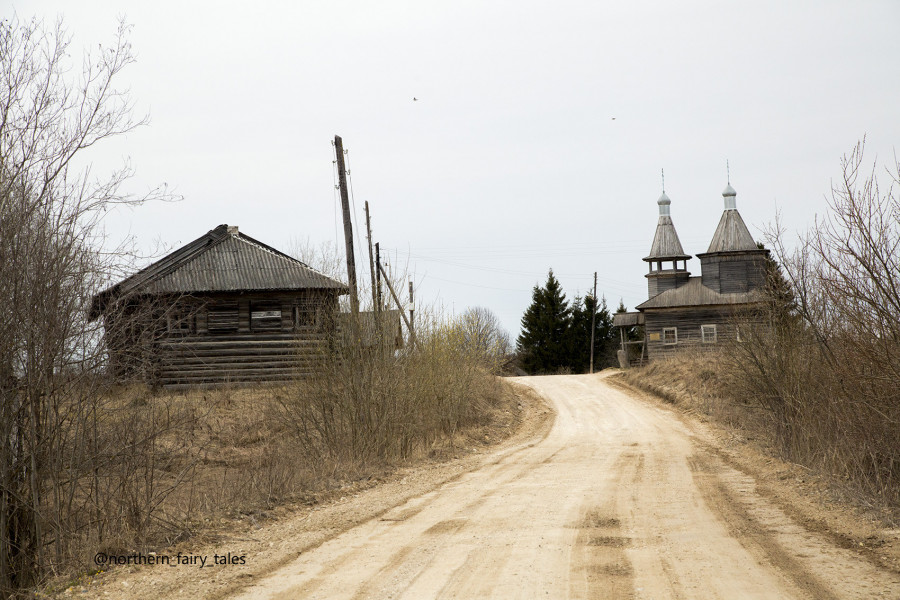
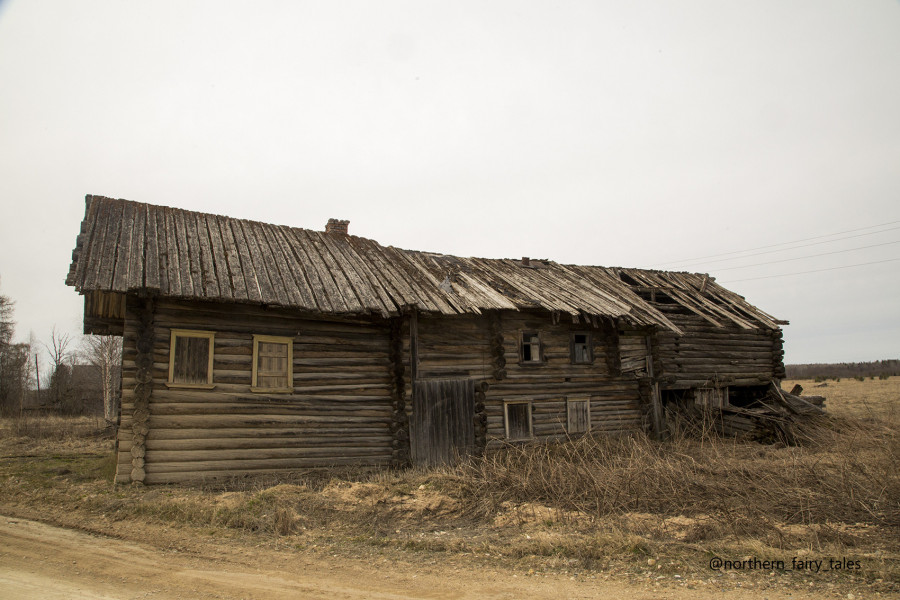
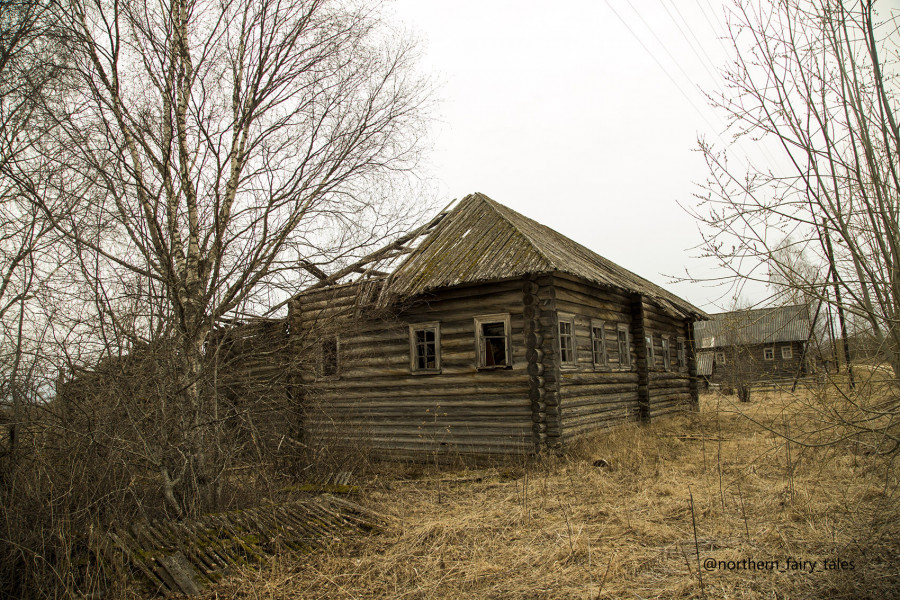
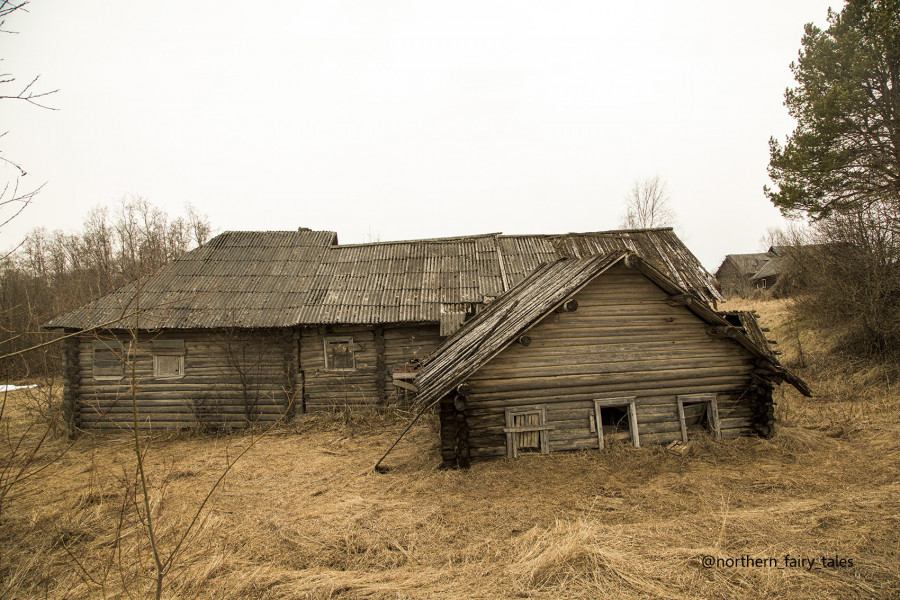
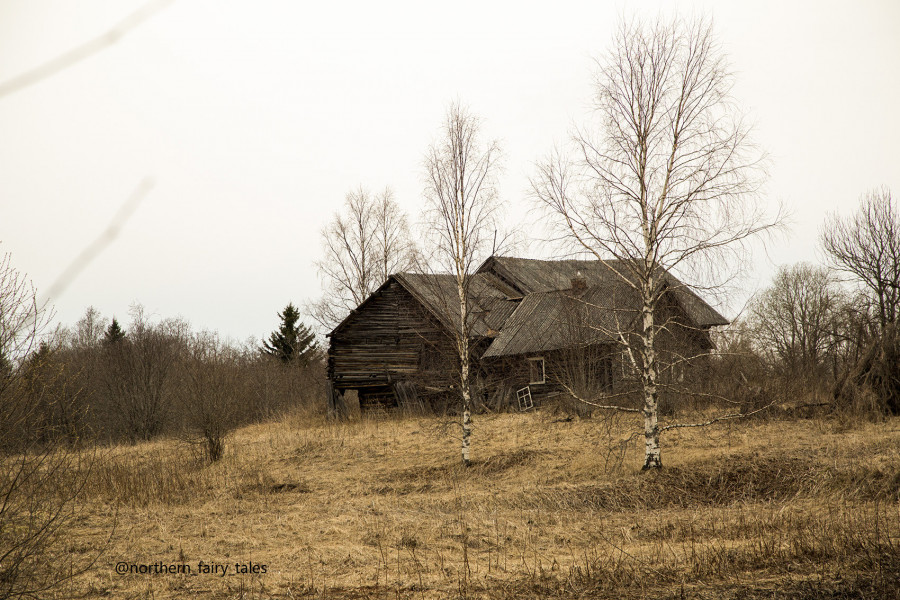
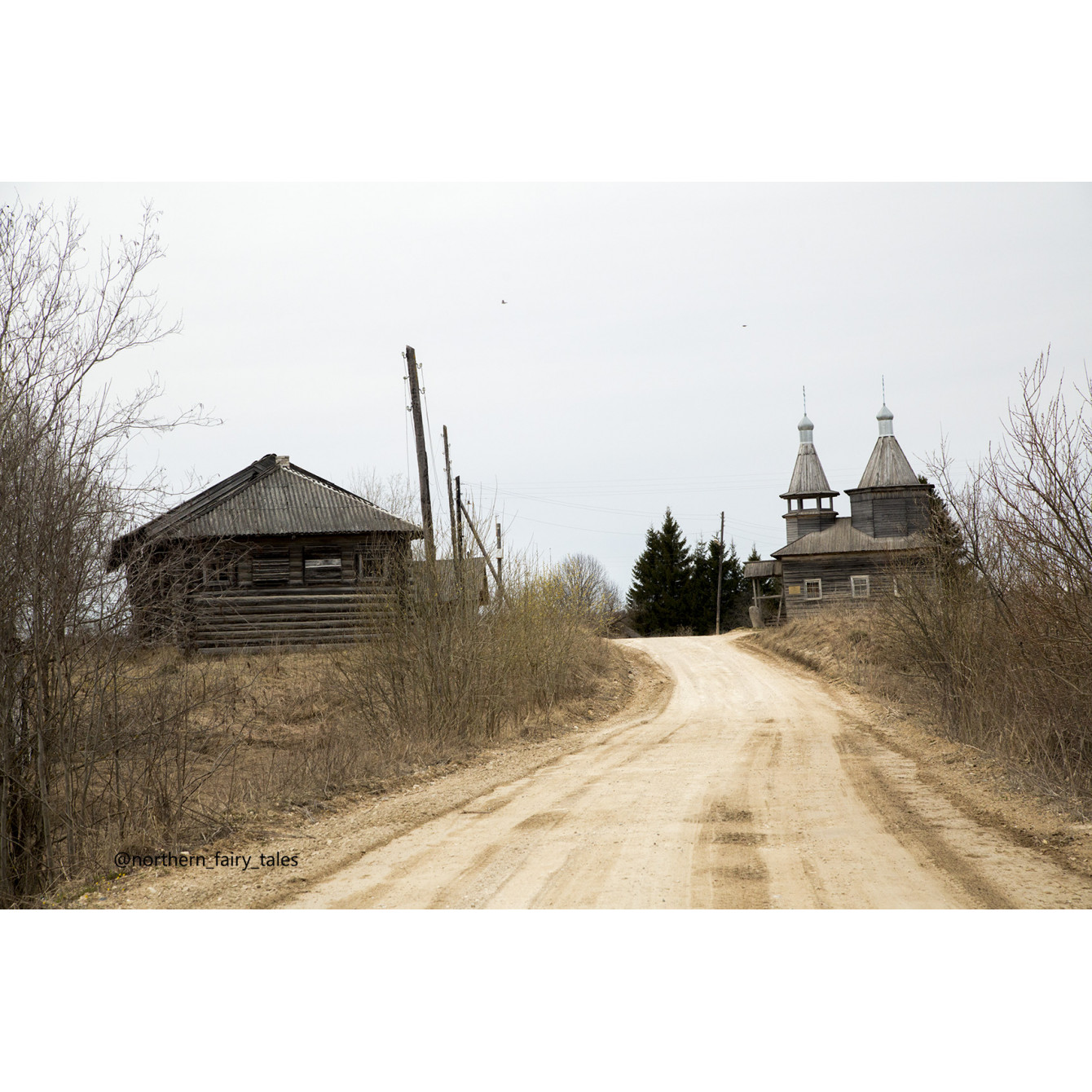
Yet, after visiting Khalui, we found ourselves pondering not just the preservation of archaic patterns in the modern consciousness and the survival of living etiological myths, but the reality of the curse itself. Think about it: the villages of Oshevensk and Khalui are separated by a mere three kilometers of dirt road and an old wooden bridge over the broad Churyega. By northern standards, Oshevensk is bustling: it has shops, a school, a hotel, and an administration office—a kind of local center of the universe. Khalui, on the other hand, greets the traveler with silence and emptiness; no permanent residents remain. Only one curious old summer resident came running to see who the unexpected guests were. There was no one else to look at us except the dozens of houses in varying stages of ruin, staring with their dark, empty eyes.
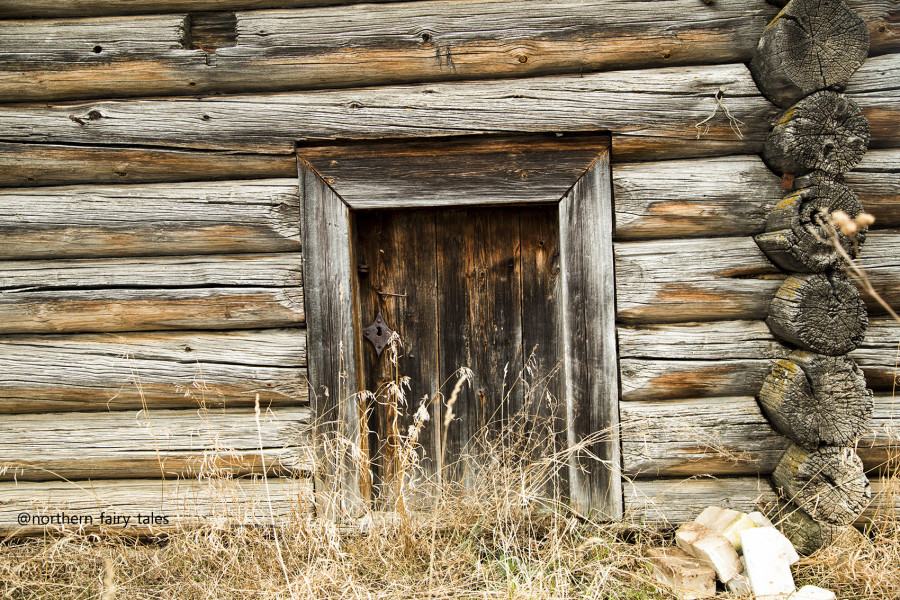
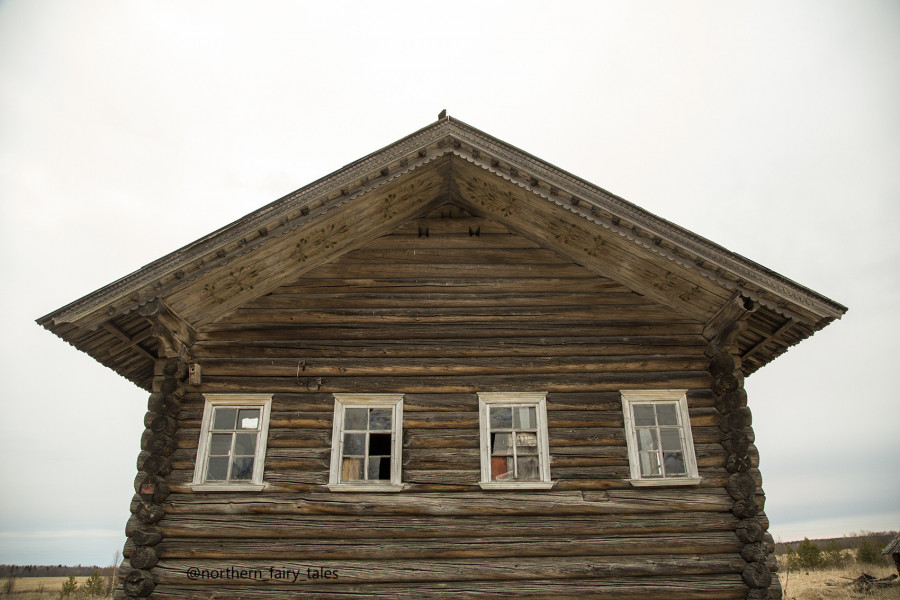
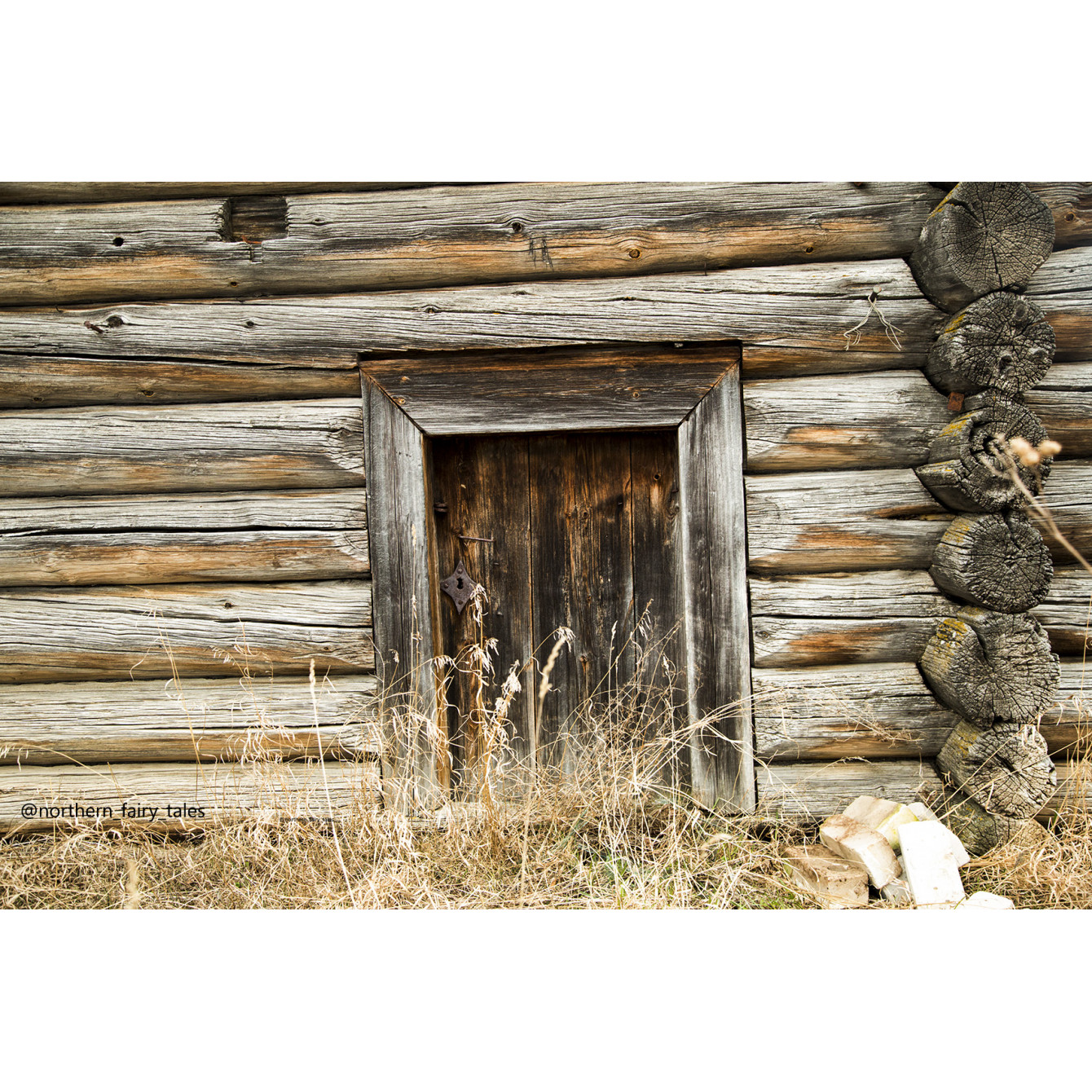
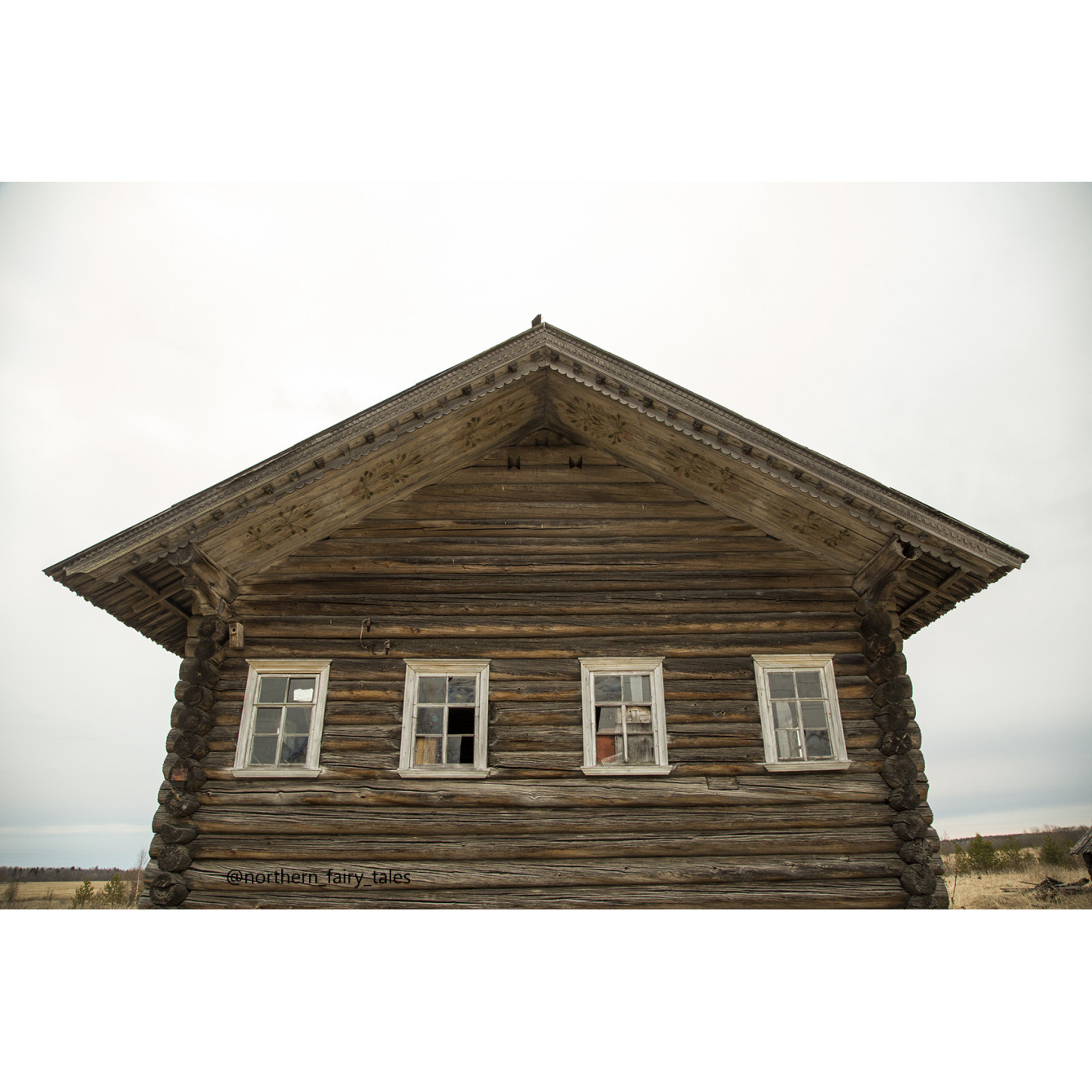
We spent the rest of the day in Khalui, exploring this open-air museum, peering into doors forever ajar, marveling at the richness of its architectural forms. There are still giant log houses with smoke-blackened interiors, double-faced gabled homes with G- and T-shaped annexes, the old Chapel of Prophet Elijah, and a sacred site called Kolotovka—two crosses under a canopy where people still make vows. One could wander there endlessly, but the day ended, evening came, and deep twilight fell—a herald of night—and we left, glad for the silence and the spring, departing the village of the cursed.
Comments
There are no comments for this article yet. Be the first to comment!